
Main Courses
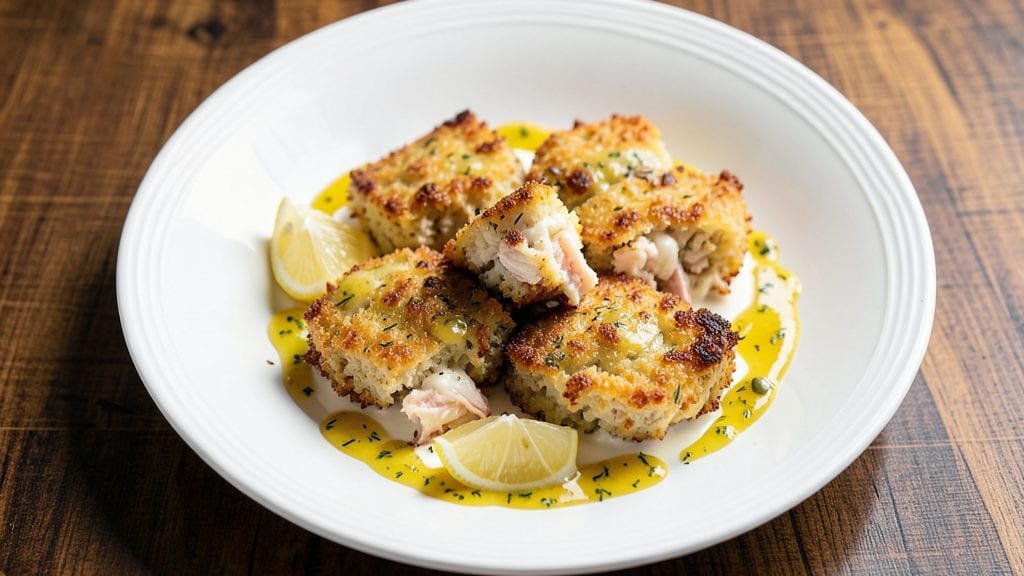
Creating Morton’s-inspired crab cakes delivers that perfect balance of crispy edges and tender centers—just like the iconic seafood dish you crave. The secret lies in the right seasoning blend (Morton’s salt included) and a sturdy binder that holds these golden bites together without falling apart.
I’ve perfected this recipe over countless batches, ensuring every forkful delivers that satisfying crunch and briny sweetness.
What sets these crab cakes apart is their foolproof texture: breadcrumbs provide structure, while a touch of mayo creates a cohesive, flaky crumb. The recipe works with either real or imitation crab, making it accessible without sacrificing flavor.
A quick chilling step before cooking ensures they hold their shape, and a light pan-fry delivers that signature golden crust.
By the time you plate them with zesty mayo and a squeeze of lemon, you’ll have restaurant-quality crab cakes that taste like a coastal escape. The crispy exterior gives way to a moist, flavorful interior, making these the star of any seafood spread. Ready to master this technique?
Serve with tartar sauce or a simple lemon wedge for that classic touch. The recipe scales easily for parties, and leftovers reheat beautifully. Let’s get cooking—your taste buds will thank you.
Ingredients for morton's crab cake
Pantry staples plus a few key ingredients for that iconic Morton's crab cake crunch.
| Ingredient | Amount | Notes |
|---|---|---|
| Lump Crab Meat 🦀 | 1 ½ lbs | Real or imitation, drained well |
| All-Purpose Flour 🌾 | ½ cup | For dredging, not self-rising |
| Panko Breadcrumbs 🍞 | ¾ cup | Light and crispy preferred |
| Mayonnaise 🥫 | ¼ cup | Full-fat for best texture |
| Morton's Salt 🧂 | 1 tsp | For signature flavor |
| Ground Black Pepper 🌶️ | ½ tsp | Freshly cracked preferred |
| Lemon Juice 🍋 | 1 tbsp | Freshly squeezed |
| Eggs 🥚 | 1 whole | Large, lightly beaten |
| Butter 🧈 | 2 tbsp | Unsalted, melted |
| Vegetable Oil 🫒 | ½ cup | For frying, high smoke point |
| Fresh Parsley 🌿 | ¼ cup | Chopped, for garnish |
| Extra-Virgin Olive Oil 🫒 | 2 tbsp | For finishing, fruity |
| Tartar Sauce 🥫 | ½ cup | Store-bought or homemade |
The crab meat is non-negotiable for texture. Real lump crab gives you that premium bite, but imitation works perfectly fine if you're on a budget—just make sure it's well-drained. I grab mine from Trader Joe's or Seafood Market sections, looking for chunks with minimal shell fragments. The Morton's salt is what gives these their signature taste—don't substitute regular salt. If you can't find it, use kosher salt plus a pinch of cream of tartar for that tangy kick. For the mayo, full-fat is key—it helps bind everything together without making the cakes soggy.
No panko? Crushed cornflakes work in a pinch, but they won't be as crispy. Short on parsley? Dill or chives add a nice contrast. The lemon juice can be swapped for white wine vinegar at half the amount if you're out, but fresh is always better. For the tartar sauce, store-bought is fine—just avoid the watery kind. If you're making it from scratch, use Dijon mustard and sweet pickle relish for that classic combo. The breadcrumbs and flour are your texture anchors—don't skip them, even if you're using imitation crab. And trust me, melted butter for finishing makes all the difference in that golden crust.
These keep best in the fridge for 2 days if you're not serving them right away—just reheat in a skillet with a little oil. For freezing, form the cakes first, then freeze on a tray before transferring to a bag. They'll keep for 1 month that way. I always make a double batch because they disappear fast. Garnish with extra parsley and a drizzle of olive oil right before serving—it keeps everything bright and fresh. Leftovers? Pan-fry again for a crispy second life.
Why You'll Love This Recipe
- Same recipe, different vibes: toss them on a sheet pan for a crowd or serve them as elegant bites at your next gathering. Between us, they disappear fast—whether it’s a Taco Tuesday or a holiday spread.
- Five-Ingredient Magic: I swear, this recipe nails it with just lump crab, mayo, flour, panko, and that secret Morton’s touch. No chopping, no fancy techniques—just mix, shape, and pan-fry. My lazy Sundays just got a whole lot fancier.
- Crispy-Creamy Payoff: That first golden crust gives way to a buttery, flaky center—thanks to the mayo binding and panko magic. Honestly? It’s the kind of texture you’ll want to eat with a spoon, not just your fork.
- Weeknight to Party: Same recipe, different vibes: toss them on a sheet pan for a crowd or serve them as elegant bites at your next gathering. Between us, they disappear fast—whether it’s a Taco Tuesday or a holiday spread.
Step-by-step instructions for golden crispy crab cakes
Here's how to create restaurant-quality crab cakes with that perfect golden crust and tender interior.
Prepare the Crab Mixture
In a large bowl, gently fold together the 1½ lbs lump crab meat, ½ cup all-purpose flour, ¾ cup panko breadcrumbs, ¼ cup mayonnaise, 1 tsp Morton's salt, and ½ tsp ground black pepper. The key here is to handle the crab meat gently—overmixing will break up the lumps and create a denser cake. Use your hands or a rubber spatula to combine everything just until evenly distributed.
Add the 1 tbsp lemon juice and 1 lightly beaten egg to the mixture. The lemon juice brightens the flavor while the egg helps bind everything together. Mix again until fully incorporated, but still avoid overworking the mixture. The texture should be moist but not soupy—if it feels too wet, add a few more breadcrumbs to help with structure.
Fold in the ¼ cup chopped fresh parsley last. This adds freshness and color to your crab cakes. Cover the bowl and refrigerate for at least 30 minutes, or up to 2 hours. This chilling step is crucial—it firms up the mixture so the crab cakes hold their shape when frying.
Form and Chill the Crab Cakes
Using a cookie scoop or your hands, form the chilled mixture into 4 equal patties, each about ¾-inch thick. I like to make them slightly wider than they are thick—this helps create that classic crab cake shape with crispy edges. Place them on a plate and refrigerate for another 15 minutes to firm up completely.
Here's the thing—don't skip this second chilling step. The colder the mixture, the less they'll spread in the pan, and the more they'll maintain that perfect shape. If you're short on time, you can freeze them on a tray for 10 minutes instead, but they'll need to be completely firm before frying.
Fry to Golden Perfection
Heat 2 tbsp butter and ½ cup vegetable oil in a large skillet over medium heat until the butter melts and the oil shimmers—about 3 minutes. The oil should be hot enough to sizzle when you add the crab cakes, but not smoking. This is where you'll get that beautiful golden crust.
Carefully place the chilled crab cakes in the skillet, being gentle to avoid breaking them. Cook for 3-4 minutes per side, or until they're golden brown and the edges are crispy. You'll know they're ready when they release easily from the pan and have developed that gorgeous caramelized color. Don't rush this step—patience ensures that perfect texture.
Transfer the cooked crab cakes to a paper towel-lined plate to drain any excess oil. Let them rest for 2-3 minutes while you prepare the finishing touches.
Finish and Serve
Drizzle each crab cake with 2 tbsp extra-virgin olive oil while they're still warm. The oil will help enhance their flavor and give them that professional restaurant shine. Then, serve immediately with the ½ cup tartar sauce on the side or spooned over the top.
For an extra special touch, sprinkle with additional chopped parsley and serve with lemon wedges. The contrast of the crispy exterior with the tender crab meat inside is what makes these crab cakes so delicious. Enjoy them right away while they're hot and golden—these won't keep well once cooled.
Pro Tips For Making Morton'S Crab Cake
- Handle Crab Like Eggs: The lump crab meat is delicate—treat it like you would soft scrambled eggs. Use your hands or a rubber spatula to fold, not stir, or you’ll crush those prized lumps into mush. I learned this the hard way after making a batch that turned out dense and sad.
- Chill Twice or Cry: That second 15-minute fridge rest after shaping isn’t optional—it’s the difference between a crab cake that holds its shape and one that flattens into a greasy pancake. Freezing them for 10 minutes on a tray works in a pinch, but they must be rock-solid before hitting the pan.
- Butter First, Then Oil: Melt the 2 tbsp unsalted butter first, then add the vegetable oil. The butter adds flavor and helps the panko breadcrumbs caramelize into a golden crust, while the oil keeps things from burning. Skip this, and you’ll end up with dry, flavorless crab cakes—trust me, I’ve tried.
- Drizzle Olive Oil Last: That final ½ tbsp of extra-virgin olive oil isn’t just garnish—it’s the finishing touch that makes the crust shine and the flavors pop. Drizzle it after frying, while the crab cakes are still warm. I used to skip it, and the difference in restaurant-quality shine is night and day.
Regional styles of morton's crab cake
New England Coastal Style
In New England, crab cakes often incorporate a touch of Old Bay seasoning alongside Morton's salt for that classic coastal flavor. I love adding 1 tsp Old Bay to the mixture before chilling—it brings a perfect balance of paprika, celery seed, and black pepper.
The result? A crab cake with depth that feels like a seaside vacation. Serve with clams casino on the side for an authentic New England spread. 🌊
Southern Shrimp & Crab Fusion
Down South, we mix things up by blending crab meat with ½ lb cooked shrimp (peeled and chopped) into the batter. Add 1 tsp Cajun seasoning and ½ tsp cayenne for a spicy kick.
The shrimp adds moisture while keeping the texture light—perfect for a Cajun twist on classic crab cakes. Serve with remoulade sauce instead of tartar for extra zing! 🔥
Carolina Gold Leaf Style
North Carolina’s coastal towns often use gold leaf to garnish crab cakes, adding a luxurious touch. I sprinkle ½ tsp finely crushed gold leaf over each cake just before serving—it’s a showstopper!
The flavor remains pure, but the presentation feels like a fine-dining experience. Pair with sweet tea for the ultimate Southern seafood feast. ✨
Pacific Northwest Dungeness
Up in Washington, they swap crab for Dungeness crab meat (if available) and add 1 tbsp chopped chives and ½ tsp smoked paprika for a smoky twist. The result is a crab cake with a Pacific Northwest flair, often served with Dungeness crab salad on the side.
A squeeze of local lemon finishes it off beautifully. 🌲
Midwest Cornbread Crust
In the Midwest, we get creative by dredging the crab cakes in crushed cornbread instead of panko. Mix ½ cup crushed cornbread with 1 tbsp melted butter and use it to coat the patties before frying.
The sweetness balances the briny crab, and it pairs perfectly with apple cider vinegar tartar sauce. A true homestyle twist! 🌽
Nutrition facts
Frequently asked questions
Why does the recipe use Morton's salt instead of regular table salt?
Morton's salt contains a tiny bit of cream of tartar, which enhances the flavor and gives these crab cakes that signature tangy depth. Regular table salt won't provide that same bright, complex taste—it's what makes these cakes taste like a true coastal classic. The 1 tsp in this recipe is key for that authentic Morton's flavor.
Can I make these crab cakes ahead of time and freeze them?
Form the cakes first, then freeze them on a tray for 10 minutes to firm up before transferring to a bag. They'll keep for 1 month in the freezer. When ready to cook, thaw them in the fridge overnight and fry as directed—just add 1-2 extra minutes to the cooking time if needed.
What's the best way to avoid a soggy crab cake?
The secret is chilling! After mixing, refrigerate the batter for at least 30 minutes, then chill the formed cakes for another 15 minutes. Also, use panko breadcrumbs (not regular) for extra crispiness, and avoid overmixing the crab meat. Pat the cakes dry before frying to remove excess moisture.
Can I bake these crab cakes instead of frying them?
Yes, but expect a slightly different texture. Preheat your oven to 400°F and place the chilled cakes on a parchment-lined baking sheet. Bake for 15-18 minutes, flipping halfway, until golden. For extra crispiness, broil for 1-2 minutes at the end. The baked version is healthier but won't have that same restaurant-style crust.