
Desserts
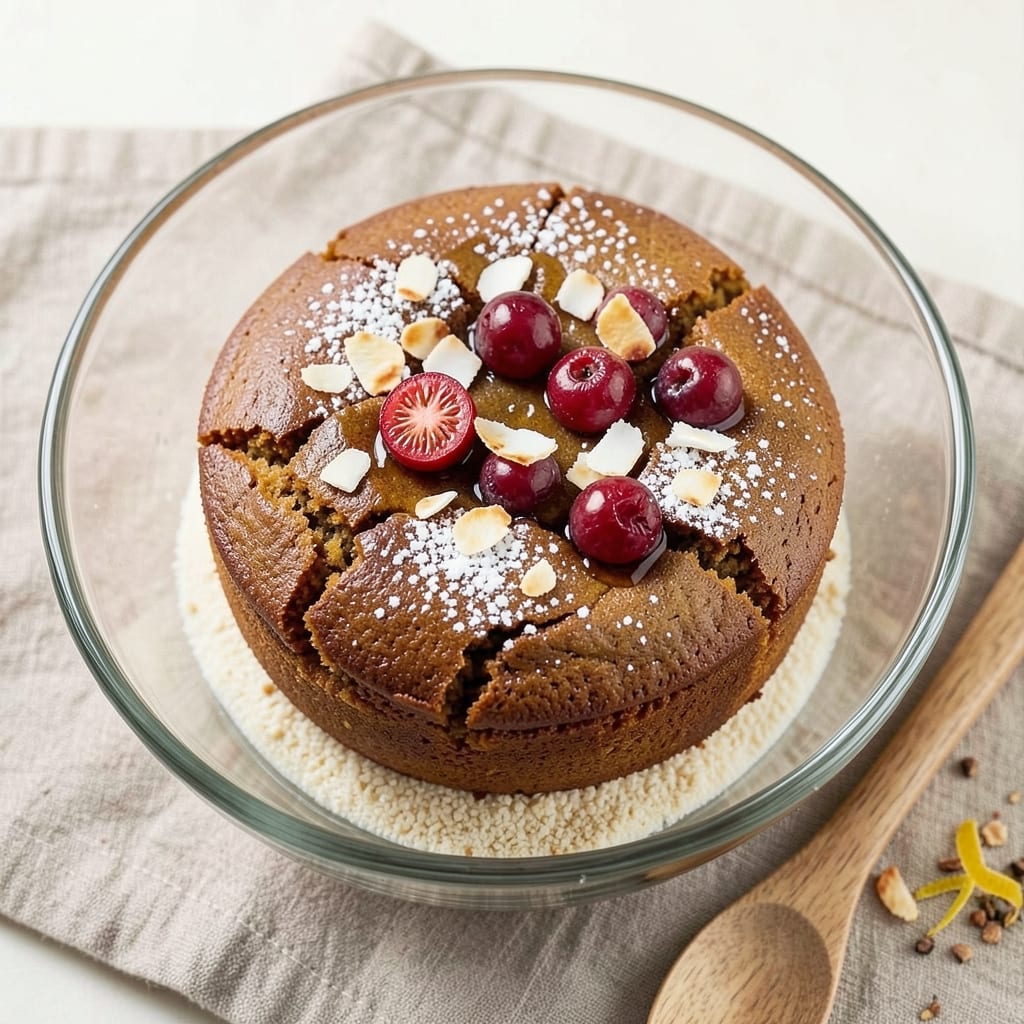
This allergy-friendly cake recipe delivers moist, fluffy layers without dairy, eggs, gluten, nuts, soy, wheat, or sesame—proving delicious desserts aren't off-limits for anyone. The secret lies in a flaxseed egg substitute and a blend of gluten-free flours that mimics traditional cake texture while keeping it light and tender. I developed this recipe after years of baking for friends with multiple allergies, and it consistently receives rave reviews for its rich flavor and perfect crumb.
The foundation of this recipe is a simple, foolproof method that requires just 1 bowl and 15 minutes of prep time, followed by a 350°F bake for 25-30 minutes. The combination of almond-free flour (like rice flour and tapioca starch) creates structure without gluten, while applesauce replaces eggs to maintain moisture. Every ingredient serves a purpose—vanilla extract enhances flavor, baking powder ensures lift, and coconut oil keeps the cake tender without dairy.
What makes this cake truly special is its versatility—it stays moist for days when stored properly, making it perfect for celebrations, potlucks, or even a special treat without worry. The layers separate cleanly for frosting, and the flavor profile is neutral enough to complement any filling or glaze. With careful cross-contamination precautions (using dedicated utensils and mixing bowls), this cake becomes a safe, delicious option for anyone with dietary restrictions.
Whether you're accommodating allergies or simply exploring alternative baking methods, this recipe proves that great cake doesn't require traditional ingredients. The result is a light, airy texture with just the right amount of sweetness—proof that thoughtful substitutions can yield extraordinary results. Let's get baking!
Ingredients for allergy friendly cake
These carefully selected ingredients create a moist, allergy-friendly cake without compromising texture or flavor.
| Ingredient | Amount | Notes |
|---|---|---|
| Rice Flour 🌾 | 1 ½ cups | Fine grind for light texture |
| Tapioca Starch 🌾 | ½ cup | Ensures elasticity and moisture |
| Granulated Sugar 🍚 | 1 ¼ cups | White or raw cane preferred |
| Unsweetened Applesauce 🍎 | ¾ cup | Unsweetened for balanced sweetness |
| Ground Flaxseed 🌱 | ¼ cup | For flaxseed egg substitute |
| Coconut Oil (Melted) 🥥 | ½ cup | Refined for neutral flavor |
| Vanilla Extract 🌿 | 1 tbsp | Pure, high-quality extract |
| Baking Powder 🧂 | 2 tsp | Aluminum-free for best rise |
| Salt 🧂 | ½ tsp | Fine sea salt preferred |
| Xanthan Gum 🧪 | ¼ tsp | Ensures proper binding |
| Cream of Tartar 🍋 | ½ tsp | Enhances leavening action |
| Distilled Water 💧 | ¼ cup | For flaxseed egg mixture |
| Lemon Juice 🍋 | 1 tbsp | Freshly squeezed for brightness |
The rice flour and tapioca starch blend is crucial for achieving that light, airy texture without gluten. Bob's Red Mill or Anthony's Goods offer reliable brands for these specialty flours—look for fine grind to ensure smoothness. Coconut oil is a game-changer here; opt for refined to avoid coconut flavor dominance. The flaxseed mixture requires precise measurements: 1 tbsp ground flaxseed plus 3 tbsp water equals 1 egg substitute. Freshly ground flaxseed yields better results than pre-ground, so consider grinding your own if possible. For the vanilla extract, Nielsen-Massey is a trusted brand delivering consistent quality.
No applesauce on hand? Unsweetened pumpkin puree works as a 1:1 substitute, though it may slightly alter texture. Running low on tapioca starch? Arrowroot powder can replace it at the same ratio, though it may yield a marginally denser crumb. The xanthan gum is non-negotiable for proper binding—Bob's Red Mill offers it in small quantities for testing. For the baking powder, always check the expiration date; Aluminum-free brands like Rumford ensure optimal rise. Lemon juice can be swapped for white vinegar at half the amount if needed, though fresh lemon adds a brighter flavor profile.
Store baked layers in an airtight container with parchment paper between them to maintain moisture for up to 5 days. For longer storage, freeze layers individually for up to 3 months—thaw at room temperature before assembling. The coconut oil solidifies when chilled, so store it in a cool, dry place. When prepping ingredients, use dedicated utensils and mixing bowls to prevent cross-contamination with allergens. This cake's versatility makes it perfect for celebrations, potlucks, or special occasions without dietary concerns.
Why You'll Love This Recipe
- No Mixer Needed: I swear by this—just stir, pour, bake. The flaxseed "egg" and applesauce do all the heavy lifting, so you’re not stuck waiting for dough to come together or scrambling to find substitutes.
- Moist Without Milk: Between us, this cake stays tender for days. The applesauce keeps it light, while the tapioca starch gives that perfect crumb—no dry, gluey texture here. (Yes, even on a Tuesday night.)
- Birthday or Bake Sale: Seriously, this works everywhere. Make it vanilla for a crowd, add cocoa for a chocolate twist—it’s the same simple base. I’ve even frosted it with nut-free cream cheese; my kid’s class never guessed it wasn’t the "normal" kind.
- Pantry to Plate: Honestly, this is my budget win. Rice flour and tapioca starch are shelf-stable, and the applesauce stretches sweetness without costing a fortune. Leftovers? Slice them up for toast—trust me, they disappear faster than my willpower on a sugar crash.
Step-by-step instructions for allergy-friendly cake
This method delivers perfectly moist layers using only safe ingredients while maintaining bakery-quality texture.
Prepare the Flaxseed Egg Substitute
Combine the 0.25 cup ground flaxseed with the 0.25 cup distilled water in a small bowl. Stir vigorously and let sit for 5 minutes until it thickens into a gel-like consistency resembling egg whites. This substitution provides the binding and moisture traditionally found in eggs.
The flaxseed mixture should be smooth with no visible granules. If you notice any dry spots, whisk in an additional 1 teaspoon distilled water to ensure proper hydration. This step is critical for achieving the cake's tender crumb structure without dairy or eggs.
Mix Dry Ingredients Thoroughly
In a medium bowl, sift together the 1.5 cups rice flour, 0.5 cup tapioca starch, 2 teaspoons baking powder, 0.5 teaspoon salt, 0.25 teaspoon xanthan gum, and 0.5 teaspoon cream of tartar. Whisk until completely combined and no lumps remain. The xanthan gum is particularly important here—it mimics gluten's binding properties while keeping the texture light.
I recommend using a fine-mesh sieve for this step to prevent any flour pockets that could result in dense cake layers. Set this mixture aside while you prepare the wet ingredients. The dry ingredients should be completely homogeneous before combining with the wet mixture.
Combine Wet Ingredients
In a separate large bowl, whisk together the 1.25 cups granulated sugar, 0.75 cup unsweetened applesauce, 0.5 cup melted coconut oil, and 1 tablespoon vanilla extract until smooth. The applesauce adds natural moisture while keeping the cake light, and the coconut oil provides richness without dairy.
Gradually add the flaxseed egg mixture while whisking continuously. Finally, stir in the 1 tablespoon lemon juice—this brightens the flavor and helps activate the baking powder for proper rise. The batter should be thick but pourable, similar to traditional cake batter.
Fold Dry Ingredients into Wet
With the mixer on low speed, gradually add the dry ingredient mixture to the wet ingredients. Mix just until combined—overmixing develops gluten and can make the cake dense. The batter should be smooth with no visible flour streaks. If it appears too thick, add 1 tablespoon distilled water to achieve proper consistency.
This is where the tapioca starch and xanthan gum work their magic—they create that signature moist texture while maintaining structure. The batter should coat the back of a spoon but still flow easily when poured. Let the batter rest for 10 minutes at room temperature before baking to allow the ingredients to fully hydrate.
Bake for Perfectly Moist Layers
Preheat your oven to 350°F and grease two 8-inch round cake pans with coconut oil or line them with parchment paper. Divide the batter evenly between the pans. Bake for 25-30 minutes or until a toothpick inserted in the center comes out clean. The cake should spring back gently when touched.
I recommend checking for doneness at the 25-minute mark—ovens vary, and you want to avoid overbaking which can make the cake dry. Immediately after removing from the oven, let the cakes cool in their pans for 10 minutes, then transfer to a wire rack to cool completely before frosting or slicing.
Pro Tips For Making Allergy Friendly Cake
- Sift the dry mix: Mixing rice flour and tapioca starch without sifting creates dense pockets that won’t bake evenly—especially in allergy-friendly cakes where gluten isn’t helping bind things together. Use a fine-mesh sieve and tap it firmly over the bowl to break up any clumps, then whisk the blend vigorously for 30 seconds. I learned this the hard way when my first batch turned out like a brick.
- Whip the applesauce: Unsweetened applesauce is thick and stubborn—just stirring it into the batter leaves you with a cake that collapses in the middle. Instead, whip it with an electric mixer for 1-2 minutes until it’s light and airy, almost like a mousse. This incorporates air into the batter, which is your only leavening agent here, so don’t skip it. (Yes, even if you’re impatient like me.)
- Watch the flax egg: Ground flaxseed + water = flax egg, but timing matters. Let the mixture sit for at least 5 minutes before using it—any less and it won’t thicken properly, leading to a gummy, sad cake. Pro tip: If you’re in a rush, sprinkle the flax over the batter, then add the water and mix it in. It’s not ideal, but it works in a pinch.
- Bake until the center springs back: This cake won’t jiggle like a wheat-based one, so rely on the toothpick test and the spring-back method. Insert a toothpick—if it comes out clean but the center still looks slightly underdone, tent the cake with foil and let it rest for 5 minutes. The residual heat will finish the job without over-browning the top. I was skeptical until I tried it—now I never underbake again.
Creative variations of this allergy friendly cake
Vanilla Bean Twist
Swap the vanilla extract for 1 vanilla bean (split lengthwise) for an ultra-rich flavor. Scrape the seeds into the wet ingredients and let the bean steep in the batter for 10 minutes before baking. I use Madagascar vanilla beans for their deep, floral aroma that elevates the cake's natural sweetness without overpowering it. For a budget-friendly option, Nielsen-Massey pure vanilla extract works perfectly. 🌿
Chocolate Lover's Version
Add ½ cup cocoa powder (ensure it's dairy-free) to the dry ingredients for a decadent chocolate twist. Reduce the sugar to 1 cup and fold in ½ cup dairy-free chocolate chips (like Enjoy Life brand) after mixing. This version pairs beautifully with a dairy-free chocolate ganache made from coconut cream and dark chocolate. The cocoa enhances the cake's moisture while adding a luxurious depth. 🍫
Citrus Zest Boost
Brighten the flavor profile by adding 1 teaspoon orange zest or lemon zest to the dry ingredients. The citrus oils infuse the batter with a refreshing aroma that cuts through the richness of the coconut oil. For an extra zing, replace the lemon juice with 1 tablespoon orange juice. I find that orange zest works particularly well with vanilla, creating a harmonious balance of sweet and tangy notes. 🍊
Spiced Chai Adaptation
Transform this cake into a cozy chai-inspired treat by adding 1 teaspoon ground cinnamon, ½ teaspoon ground cardamom, and ¼ teaspoon ground ginger to the dry ingredients. Warm the coconut oil with ¼ teaspoon ground cloves before mixing it into the wet ingredients for a subtle, aromatic depth. This version pairs wonderfully with a spiced dairy-free caramel frosting. The spices complement the natural sweetness while adding warmth. 🌶️
Coconut-Free Option
Replace the coconut oil with ½ cup avocado oil or melted dairy-free butter substitute (like Earth Balance) for a neutral flavor profile. Avocado oil adds a subtle richness without coconut undertones, while dairy-free butter provides a familiar taste. Both options maintain the cake's moisture and tenderness. This variation is ideal for those with coconut allergies or preferences. 🥑
Layered Flavor Experiment
Create a layered flavor experience by dividing the batter and adding different mix-ins to each pan. For example, use ½ cup blueberries in one layer and ½ cup chopped strawberries in the other. Fold the fruit into the batter gently to avoid deflating the air bubbles. This approach adds vibrant color and natural sweetness while keeping the cake light and airy. 🍓
Nutrition facts
Frequently asked questions
Can I make this cake without coconut oil?
Replace the 0.5 cup coconut oil with 0.5 cup avocado oil or melted dairy-free butter substitute (like Earth Balance). These alternatives maintain the cake's moisture while providing a neutral flavor. For those with coconut allergies, avocado oil is particularly effective as it adds subtle richness without any coconut undertones.
How do I prevent cross-contamination for allergies?
Use dedicated mixing bowls, utensils, and measuring cups that haven't come into contact with allergens like nuts, dairy, or wheat. Wipe down countertops with a damp cloth before prepping ingredients. For added safety, consider using a separate toaster or toaster oven if your kitchen handles multiple allergens. These precautions ensure your cake remains completely safe for those with severe dietary restrictions.
Can I bake this cake in a different pan size?
Yes, but adjust the baking time accordingly. For an 8-inch round pan, bake for 25-30 minutes. In a 9-inch pan, reduce time to 20-25 minutes as the batter will spread thinner. Always use a toothpick test to check doneness. The key is to avoid overbaking, which can make the cake dry even with moisture-rich ingredients like applesauce.
Why does my cake taste bland?
This often happens when using low-quality vanilla extract or when the flaxseed egg substitute isn't properly hydrated. Always use pure vanilla extract (like Nielsen-Massey) and let the flaxseed mixture sit for 5 minutes to fully thicken. For extra flavor, try adding 1 teaspoon orange zest to the dry ingredients or using a vanilla bean instead of extract. The citrus brightens the flavor while maintaining the cake's natural sweetness.
How long can I store the baked layers?
Store layers in an airtight container with parchment paper between them for up to 5 days at room temperature. For longer storage, freeze individual layers for up to 3 months. Thaw at room temperature before assembling. The coconut oil and applesauce help preserve moisture, but proper storage prevents drying out while maintaining that perfect texture.