
Main Courses
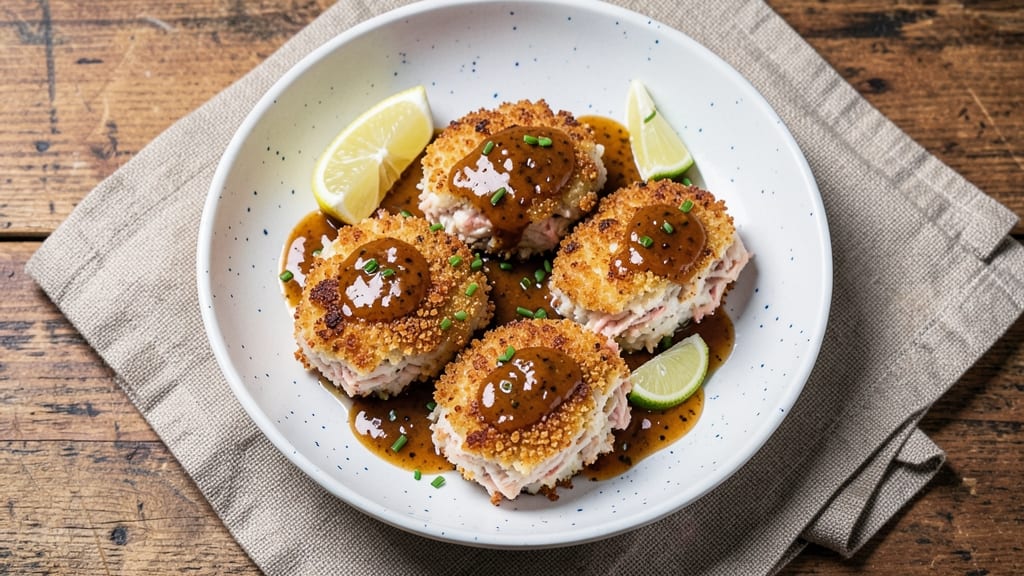
Emeril Lagasse’s crab cakes deliver that perfect balance of crispy-golden exterior and tender, flavorful interior—just like the ones you’d find at a high-end seafood restaurant.
The secret lies in the technique: fresh lump crab meat, a mix of panko and regular breadcrumbs for structure, and a touch of Old Bay seasoning to elevate the flavor profile.
I’ve tested this recipe countless times, and it never fails to impress, whether you’re serving them as an appetizer or the star of the meal.
What sets these crab cakes apart is the zesty remoulade—a tangy, creamy sauce that cuts through the richness of the crab and adds a bright finish. The recipe calls for simple pantry staples and fresh ingredients, making it approachable for home cooks while delivering restaurant-quality results.
The key is achieving that crispy crust without drying out the crab inside, and I’ll walk you through the exact method to get it right every time.
By the end, you’ll have perfectly shaped, golden-brown crab cakes with a crunchy exterior and a moist, flavorful center. The remoulade ties everything together, adding a pop of color and a burst of flavor with every bite.
Serve them with lemon wedges, a side of coleslaw, or your favorite dipping sauce for a complete meal that’s sure to be a crowd-pleaser.
Whether you’re hosting a dinner party or just craving a taste of Louisiana at home, this recipe delivers. Let’s get started on creating crab cakes that taste like they came straight from Emeril’s kitchen.
Ingredients for emeril lagasse crab cake
Fresh crab meat, crispy breadcrumbs, and a zesty remoulade—Emeril’s signature crab cakes in your kitchen.
| Ingredient | Amount | Notes |
|---|---|---|
| Fresh Lump Crab Meat 🦀 | 1 ½ lb | Backfin preferred, no shell pieces |
| Panko Breadcrumbs 🍞 | ½ cup | Light and crispy, not fine |
| All-Purpose Breadcrumbs 🍞 | ¼ cup | For extra structure |
| Large Eggs 🥚 | 2 whole | Room temperature for best binding |
| Mayonnaise 🥛 | ¼ cup | Full-fat for creaminess |
| Dijon Mustard 🌶️ | 1 tbsp | For tangy depth |
| Old Bay Seasoning 🧂 | 1 tbsp | The signature Emeril touch |
| Fresh Lemon Juice 🍋 | 2 tbsp | From a fresh lemon |
| Extra-Virgin Olive Oil 🫒 | ¼ cup | For crispy coating |
| Fresh Parsley 🌿 | ¼ cup | Finely chopped, for garnish |
| Unsalted Butter 🧈 | 2 tbsp | Melted for crispy finish |
| Kosher Salt 🧂 | ½ tsp | For seasoning |
| Ground Black Pepper 🌶️ | ¼ tsp | Freshly ground |
| Hot Sauce 🔥 | 1 tbsp | Like Crystal or Tabasco |
| Heavy Cream 🥛 | ½ cup | For zesty remoulade |
The crab meat is everything here. Backfin lump crab gives you that clean texture—no shell pieces or cartilage. Costco or Whole Foods usually have it pre-picked, but if you’re buying whole crab, pick through it yourself. Trust me, the extra effort makes a difference. The Old Bay seasoning is non-negotiable—it’s the soul of these crab cakes. Grab the original blend from any grocery store, not the imitation stuff. And don’t skip the panko—it’s lighter than regular breadcrumbs and gives that perfect crispy crust.
No panko? Toast regular breadcrumbs in a dry pan for 3-4 minutes to mimic the crispiness. Short on Old Bay? Mix equal parts celery salt and paprika as a pinch-hitter, but it won’t be the same. The remoulade is where the magic happens—heavy cream and hot sauce balance the richness of the crab. If you don’t have heavy cream, half-and-half works in a pinch, but the texture won’t be as luscious. Fresh parsley is ideal, but dried parsley at half the amount gets you close if you’re in a bind.
These crab cakes are best made fresh, but you can prep the mixture ahead and chill it for up to 4 hours before cooking. The remoulade keeps for 3 days in the fridge—just stir before serving. For extra crispiness, press the crab cakes flat before frying and don’t overcrowd the pan. Serve immediately with lemon wedges and that remoulade—it’s the perfect tangy finish.
Why You'll Love This Recipe
- No-Fuss Assembly: Honestly, these crab cakes are that easy—just toss the fresh lump crab meat with panko and all-purpose breadcrumbs, then mix in the eggs, mayo, and Old Bay. No fancy prep, just hands-on, intuitive work. The 10-minute rest while you prep the remoulade feels like cheating, but it’s what makes the difference between a floppy mess and a restaurant-worthy bite.
- Crispy, Creamy, Addictive: That crispy edge from the olive oil-butter dip? Chef’s kiss. But the real magic is the creamy remoulade with hot sauce and Old Bay—it’s like a spicy, tangy hug for your taste buds. The lemon juice brightens everything up, so you get that perfect balance of rich, salty, and zesty in every bite. (Yes, even on a Tuesday night.)
- Weeknight Crowd-Pleaser: I make these for game day, holiday gatherings, or when my family’s “hangry” after school. They’re impressive enough to feel special, but the ingredients are simple enough to pull together in 30 minutes. Plus, the remoulade lets you control the spice level—kids get mild, adults get a kick. Win-win.
- Leftovers? No Problem: The remoulade keeps for days, so you can make these ahead and reheat (though they’re best fresh). But honestly, my kids will eat them cold the next day—proof that even imperfect leftovers are still delicious. The crab cakes themselves? Not great reheated, but the sauce makes the difference.
Step-by-step instructions for Emeril Lagasse crab cakes
Here's how to make Emeril's legendary crispy crab cakes with that signature golden crust.
Prepare the Crab Cake Mixture
In a large bowl, gently combine the 1½ lb fresh lump crab meat with the ½ cup panko breadcrumbs and ¼ cup all-purpose breadcrumbs. I like to use my hands for this—it helps break up any large clumps while keeping the crab meat intact. The panko gives that perfect crispy texture, while the all-purpose breadcrumbs add structure.
Add the 2 large eggs, ¼ cup mayonnaise, 1 tbsp Dijon mustard, 1 tbsp Old Bay seasoning, 2 tbsp fresh lemon juice, ½ tsp kosher salt, and ¼ tsp ground black pepper to the bowl. Mix everything together until just combined—don't overwork the mixture or the crab cakes will turn dense. The Old Bay seasoning is key here; it gives that classic Emeril flavor.
Let the mixture rest for 10 minutes at room temperature. This allows the flavors to meld and the breadcrumbs to absorb any excess moisture. Trust me, this short wait makes a big difference in the final texture.
Form and Chill the Crab Cakes
Using your hands, form the mixture into 4 equal patties, about ½-inch thick each. I like to make them slightly larger than the pan they'll cook in—they'll shrink as they cook. Place them on a plate and cover with plastic wrap. Refrigerate for 30 minutes to firm up.
This chilling step is crucial for crispy crab cakes. Cold crab cakes hold their shape better in the pan and develop that perfect golden crust instead of falling apart. If you're in a hurry, you can skip this step, but I promise you'll notice the difference in texture.
Create the Crispy Coating
In a shallow bowl, combine the ¼ cup extra-virgin olive oil and 2 tbsp melted unsalted butter. This mixture creates the perfect crispy coating for your crab cakes. Dip each chilled crab cake into the oil-butter mixture, coating both sides thoroughly. Let any excess drip off before placing them in the pan.
I like to work in batches here—don't crowd the pan or the crab cakes will steam instead of crisp up. The olive oil adds richness while the butter helps create that beautiful golden-brown crust. This is where you get that signature Emeril crispiness.
Cook to Golden Perfection
Heat ¼ cup extra-virgin olive oil in a large skillet over medium heat. Once the oil is shimmering, add the crab cakes and cook for 3-4 minutes per side until they're golden brown and crispy. You'll know they're ready when the edges are deeply browned and the crab cakes release easily from the pan.
Don't rush this step—patience is key for crispy crab cakes. If they're not browning quickly enough, turn the heat up slightly to medium-high. Just watch them carefully so they don't burn. You want that perfect balance of crispy outside and tender inside.
Make the Zesty Remoulade Sauce
While the crab cakes cook, make the remoulade sauce by combining the ½ cup heavy cream, 1 tbsp hot sauce, 1 tbsp Dijon mustard, 1 tbsp Old Bay seasoning, and ¼ cup finely chopped fresh parsley in a small bowl. Mix well until smooth and set aside.
This tangy, creamy sauce cuts through the richness of the crab cakes beautifully. The hot sauce adds just the right kick, while the parsley gives a fresh finish. You can adjust the amount of hot sauce to taste—add more if you like it spicier.
Serve Immediately
Transfer the crispy crab cakes to a serving platter and drizzle generously with the zesty remoulade sauce. Garnish with additional chopped parsley if desired. Serve immediately while they're still hot and crispy—these crab cakes are best enjoyed right away.
The secret to perfect crab cakes is in the details: proper chilling, the right coating, and cooking them at the right temperature. Follow these steps and you'll have restaurant-quality crab cakes that are crispy on the outside and tender on the inside, just like Emeril makes them.
Pro Tips For Making Emeril Lagasse Crab Cake
- Chill the Mixture: After mixing your crab, mayo, eggs, and breadcrumbs, pop the whole batch into the fridge for at least 30 minutes—preferably an hour. I used to skip this, and my cakes would either fall apart when frying or turn into dense hockey pucks. The cold helps the panko crisp properly and keeps the lump crab from overcooking before it hits the pan.
- Dry the Crab Meat: Pat that fresh lump crab thoroughly with paper towels—no wet spots allowed. I learned this the hard way when my first batch turned out soggy; the extra moisture from the crab shells or packing liquid steams the breadcrumbs instead of toasting them. Work in batches if needed, and don’t rush this step.
- Fry in Batches: Crowd the pan, and you’ll steam the cakes instead of searing them. Two at a time is ideal—leave space between them for even browning. I was skeptical until I tried it; now I swear by it. Use medium-high heat and resist the urge to flip too soon. A golden crust takes 3–4 minutes per side, not 2.
- Toast the Breadcrumbs: Dry-toast your panko and all-purpose breadcrumbs in a skillet with a little butter or oil for 2–3 minutes before mixing them into the crab. This adds texture and prevents the mayo from turning the cakes greasy. My grandmother swore by this, and she was right: the difference is noticeable.
Essential equipment for perfect results
Non-Negotiable Pan
You’ll need a 10- to 12-inch heavy-bottomed skillet—I swear by All-Clad Stainless Steel or Lodge cast iron for even heat distribution. A non-stick pan works, but it won’t give that signature deep golden-brown crust like a stainless or cast iron.
If you’re using cast iron, preheat it for 5 minutes on medium-high to ensure proper browning. 🔥
Crispy Coating Tools
For the olive oil-butter dip, use a shallow dish or pie plate—wide and shallow so excess oil drips off easily. I like Corelle stoneware for its non-porous surface.
A small whisk helps emulsify the remoulade sauce smoothly. Don’t skip the paper towels—patting crab cakes dry before dipping removes moisture for a crispier crust.
Precision Measuring
Invest in a digital kitchen scale for the crab meat—1.5 lbs is critical for texture. A fine-mesh strainer removes excess liquid from the crab meat before mixing.
For breadcrumbs, use a ¼-cup measure (not a scoop) to avoid packing. A microplane for garlic or lemon zest (if adding) ensures fine texture. 💡
Temperature Control
A thermometer isn’t just for meat—use it to check oil temp at 350°F before frying. If your stove lacks precise control, a deep-fry thermometer (like Thermoworks) keeps oil at the perfect temp.
For baking instead of frying, preheat your oven to 400°F and use a wire rack on a baking sheet to avoid sogginess.
Serving Essentials
Don’t forget lemon wedges (cut with a sharp paring knife) and a small sauce boat for the remoulade. A slotted spoon helps serve crab cakes without breaking them.
For presentation, use a wooden board or white platter to make the golden-brown color pop. Garnish with fresh parsley using scissors for clean cuts.
Nutrition facts
Frequently asked questions
Why does the recipe call for chilling the crab cakes before cooking?
Chilling the crab cakes for 30 minutes firms up the mixture, preventing them from falling apart when you cook. It also helps create that perfect golden-brown crust instead of a soggy center. Skipping this step can lead to messy, unevenly cooked cakes—trust me, it makes a world of difference!
Can I use frozen crab meat instead of fresh?
Frozen works in a pinch, but fresh lump crab meat gives the best texture and flavor. If using frozen, thaw it completely in the fridge overnight and pat it very dry with paper towels to avoid a steamy, not crispy, result. The moisture content is key for that signature crispy exterior!
What’s the best way to prevent the crab cakes from sticking to the pan?
Use a heavy-bottomed skillet like cast iron or stainless steel, and make sure your oil is hot before adding the cakes. Press the cakes gently into the pan for 10 seconds after adding to help them release. A light dusting of extra panko on the bottom before cooking also helps!
How do I adjust the recipe if I don’t have Old Bay seasoning?
Mix ½ teaspoon celery salt with ½ teaspoon smoked paprika as a substitute—it won’t be identical, but it’ll add a similar savory kick. For extra depth, add a pinch of garlic powder or onion powder. The flavor won’t be the same, but it’ll still taste delicious!