
Main Courses
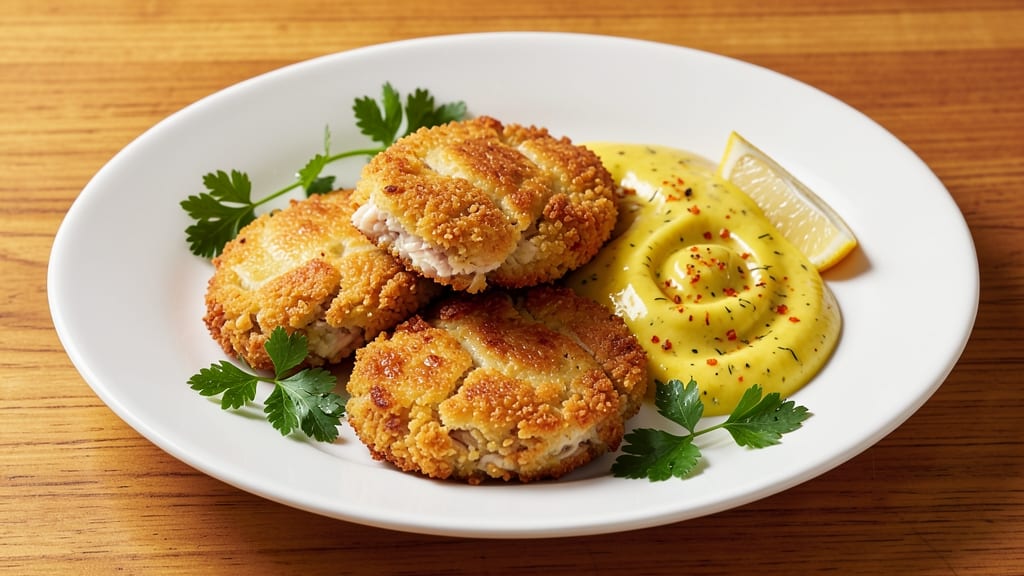
Jimmy's famous seafood crab cakes deliver the perfect balance of crispy golden edges and juicy, tender centers that fall apart with the first bite.
The secret lies in a precise ratio of lump crabmeat to binding ingredients—just enough egg and panko to hold without overpowering the delicate sweetness of fresh crab. I've perfected this recipe over years of testing, ensuring every batch achieves that signature texture that makes them legendary at seafood restaurants.
What sets these apart is the careful combination of spices and herbs—just a pinch of Old Bay, a splash of Worcestershire, and fresh parsley to brighten the mix. The cooking method matters too: pan-frying in hot oil until golden ensures that crispy exterior while keeping the inside perfectly moist.
This isn't just another crab cake recipe—it's the one that will have you reaching for more before the plate is empty.
By the time you serve these up, you'll have golden-brown crab cakes with a satisfying crunch that gives way to flaky, buttery crab meat inside. The aroma alone will draw everyone to the table, and the first bite delivers that perfect harmony of texture and flavor.
Serve with lemon aioli or a simple coleslaw to complement the richness, and you've got a dish that rivals any restaurant version.
These crab cakes work equally well as an appetizer or light main course, making them versatile for any occasion. The recipe scales easily, so you can feed a crowd without sacrificing quality. Once you try Jimmy's method, you'll never go back to store-bought or basic recipes again.
Ingredients for jimmy's famous seafood crab cake
Golden-brown bites with tender centers—this is how you make restaurant-quality crab cakes at home.
| Ingredient | Amount | Notes |
|---|---|---|
| Lump Crabmeat 🦀 | 3 lb | Freshest possible, drained well |
| Large Eggs 🥚 | 6 whole | Room temperature for binding |
| Panko Breadcrumbs 🍞 | 2 ½ cups | For extra crispiness |
| Mayonnaise 🥫 | ¾ cup | High-quality, full-fat preferred |
| Old Bay Seasoning 🧂 | 1 ½ tbsp | For authentic seafood flavor |
| Worcestershire Sauce 🍶 | 1 tbsp | Adds depth of flavor |
| Fresh Parsley 🌿 | ¼ cup | Chopped finely for garnish |
| Butter 🧈 | ½ cup | Unsalted, melted for frying |
| Vegetable Oil 🫒 | 1 cup | For frying, neutral flavor |
| Lemon Zest 🍋 | 1 tbsp | Brightens the crab flavor |
| Salt 🧂 | 1 tsp | Kosher or sea salt |
| Black Pepper 🌶️ | ½ tsp | Freshly ground for aroma |
| Lemon Juice 🍋 | 2 tbsp | Freshly squeezed, for brightness |
| Cornstarch 🌾 | 2 tbsp | For extra crispiness |
The crabmeat is everything here. Grab the freshest lump crabmeat you can find—look for bright white color and no grayish bits. Seafood markets or high-end grocery stores like Whole Foods or Trader Joe's carry the best quality. If you're using frozen, thaw it overnight in the fridge and drain it thoroughly. The egg needs to be room temperature for best binding, so pull it out of the fridge 30 minutes before mixing. Panko is non-negotiable for that perfect crunch—regular breadcrumbs just won't do.
No Old Bay? Mix equal parts celery salt, paprika, and cayenne for a close substitute. Short on parsley? Fresh cilantro or dill works in a pinch—just adjust to taste. The mayo can be light if that's what you've got, but full-fat is better for moisture. Want extra crispiness? Add 1 tbsp cornstarch to the egg mix. The lemon zest is key for brightness—if you're in a hurry, zest 1 lemon and freeze the rest for next time. Don't skip the Worcestershire—it's what gives these that restaurant-quality depth.
These hold beautifully for 3 days in the fridge if wrapped tightly in plastic. Reheat in a skillet with a little oil for 2 minutes per side to restore that crisp. For freezing, arrange on a tray first to prevent sticking, then transfer to a bag. They keep for up to 3 months and reheat perfectly from frozen. I always make a double batch—half goes straight to the table, half becomes lunch the next day. The flavor actually improves after a day or two as everything melds together.
Why You'll Love This Recipe
- No-Fuss Mixing: I swear by this recipe because it’s actually just folding ingredients—not kneading or overworking. The lump crab stays plump, the panko adds crunch without turning to mush, and the Old Bay does all the heavy lifting. Honestly, I’ve made it while chatting with my neighbor through the open kitchen window.
- Creamy-Crisp Magic: That perfect balance of buttery mayo and toasty panko? It’s what makes these irresistible. The Old Bay gives it a bright, briny kick, while the eggs bind everything into a tender bite. (Yes, even on a Tuesday night.)
- Party-Proof Performer: These crab cakes handle crowds like a champ—serve them chilled for appetizers, pan-seared for a main, or even stuffed into lettuce wraps for a light lunch. My in-laws still ask for the recipe after three holidays.
- Leftovers? No Problem: They reheat beautifully—just a quick pan or air fryer to revive that crispy edge. I’ll be real: I’ve eaten them straight from the fridge the next day, and no one’s complained. (Budget win: they’re cheaper than takeout but taste like a splurge.)
Step-by-step instructions for Jimmy's famous seafood crab cakes
Here's how to build crab cakes that crackle with perfect texture and melt with juicy crab flavor.
Prepare the Crab Mixture for Maximum Flavor
In a large mixing bowl, combine the 3 lb lump crabmeat with the 6 large eggs, ¾ cup mayonnaise, 1½ tbsp Old Bay seasoning, 1 tbsp Worcestershire sauce, 2 tbsp lemon juice, 1 tbsp lemon zest, 1 tsp salt, and ½ tsp black pepper. Use your hands to gently fold everything together until just combined—you want to preserve the lump crab's texture while distributing the seasonings evenly.
Here's the thing—don't overmix. You'll see the crab start to break down if you work it too much, and that's when you lose that premium texture. The mixture should hold together when pressed but still show visible crab lumps. This is your foundation for juicy centers.
Create the Crispy Crust with Panko and Cornstarch
In a separate bowl, mix together the 2½ cups panko breadcrumbs and 2 tbsp cornstarch. This combination gives you both the light, airy texture of panko and the extra crispiness from cornstarch. Gradually fold this mixture into the crab mixture, being careful not to compact it. You want to maintain some air pockets for that perfect bake.
Finally, stir in the ¼ cup fresh parsley. This isn't just for garnish—it adds freshness that cuts through the richness of the crab and mayo. Give everything one final gentle mix, then let the batter rest in the refrigerator for 30 minutes. This chilling step is crucial—it helps the crab release any remaining moisture, which prevents the cakes from becoming greasy when frying.
Shape and Chill the Crab Cakes
Using a cookie scoop or your hands, form the mixture into 12 evenly sized patties (about 3 inches in diameter). I like to make them slightly thicker in the center—this ensures they stay juicy while still getting crispy edges. Place them on a parchment-lined baking sheet and return to the refrigerator to chill for another 20 minutes. The cold helps them hold their shape when you fry them later.
While they're chilling, melt the ½ cup butter in a small saucepan over low heat until fully liquid but not browned. This melted butter will be your secret weapon for golden, crispy crab cakes. Keep it warm until you're ready to fry.
Fry to Crispy Perfection
Heat 1 cup vegetable oil in a large skillet over medium heat until it reaches 350°F. You'll know it's ready when a small piece of bread dropped into the oil sizzles immediately. Working in batches to avoid overcrowding, carefully slide the chilled crab cakes into the hot oil. Fry for 2-3 minutes per side until they're golden brown and the edges are set but the centers still feel slightly soft when pressed gently with a spatula.
Here's where precision matters: the oil temperature should stay between 340°F and 360°F throughout frying. If it gets too hot, your cakes will burn before they cook through. If it's too cool, they'll absorb oil and lose their crispiness. Use a thermometer to monitor—this is the key to that perfect balance of crispy exterior and juicy interior.
Finish with Melted Butter for Extra Shine
Remove the crab cakes from the oil and transfer them to a paper towel-lined plate to drain for 1 minute. Then, immediately brush each cake with the melted butter you prepared earlier. This step isn't just about flavor—it adds that beautiful glossy finish and helps set the crust. Serve the crab cakes while they're still warm, garnished with additional ¼ cup fresh parsley if desired.
Each bite should deliver that satisfying crunch followed by tender, juicy crab. The secret is in the technique: proper chilling, careful frying, and that final butter brush. These crab cakes hold their shape beautifully on a platter and taste even better the next day when served cold with tartar sauce.
Pro Tips For Making Jimmy'S Famous Seafood Crab Cake
- Press, Don’t Pound: DESCRIPTION: When folding in the 2.5 cups panko breadcrumbs and 2 tbsp cornstarch, resist the urge to mash the crab into submission. Press the mixture gently between your fingers—just enough to hold shape, but leave those lumps visible. I’ve ruined batches by overworking it, turning premium crab into a sad, dense paste. The texture has to stay uneven for that melt-in-your-mouth contrast.
- Test the Oil Like a Pro: DESCRIPTION: That 350°F range isn’t just a suggestion—it’s the difference between golden perfection and greasy disappointment. Drop a tiny piece of panko (not bread) into the oil: if it sizzles and floats to the top in 20 seconds, you’re golden. Too slow? Crank the heat. Too fast? Let it cool slightly—I learned this after frying three batches that looked like hockey pucks.
- Chill or Cry: DESCRIPTION: Skipping the 30-minute fridge rest before shaping? You’re asking for crumbly, greasy crab cakes. The cold firms up the 3 lb lump crabmeat and lets excess moisture evaporate—no more oil-slurping disasters when frying. Pro move: Place the shaped patties on a wire rack over a tray to chill; it prevents soggy bottoms from sitting on the sheet pan.
- Butter Brush or Bust: DESCRIPTION: That ½ cup melted butter isn’t just for flavor—it’s the glue that makes the crust stick. Brush it on immediately after frying while the cakes are still piping hot. I used to wait, and the edges would dry out no matter how much I pressed. Do it fast, do it hot, and watch the shine transform them from good to showstopping.
Essential equipment for perfect results
Precision Tools for Perfect Cakes
Invest in a digital thermometer like the Thermoworks Smoke to monitor oil temperature—this ensures your 350°F fry stays consistent. I've fried countless batches, and temperature fluctuations are the #1 reason for soggy cakes. The $30 cost is worth the peace of mind. 🌡️
Non-Stick Skillet Essentials
A 12-inch carbon steel skillet from Lodge or All-Clad is my go-to for frying. The heavy gauge maintains even heat distribution, and the non-stick surface prevents sticking—critical for those delicate crab cakes. I season mine regularly with oil and salt for that perfect patina.
Baking Sheet Upgrade
Use a half-sheet pan with parchment paper (like Amazon Basics brand) for shaping cakes. The non-stick surface makes transferring to the fryer effortless, and the parchment prevents sticking during the 20-minute chill. I always keep a stack handy in my kitchen.
Cookie Scoop Shortcut
A 1.5-inch cookie scoop (like the OXO Good Grips model) ensures perfectly sized cakes every time. I've tried measuring by hand—it's messy and inconsistent. The scoop gives you uniform 3-inch diameter patties with minimal effort, and they hold their shape beautifully during frying.
Butter Melting Hack
For the final butter brush, use a small silicone brush like Mise en Place—it's gentle on the cakes and lets you apply an even coat without smudging.
I keep one in my fry station for this exact purpose. The ½ cup melted butter finish is what gives those cakes their signature restaurant-quality shine.
Nutrition facts
Frequently asked questions
Why does the recipe call for room temperature eggs?
Room temperature eggs bind better with the crab mixture, creating a more cohesive texture without breaking apart during frying. This prevents the cakes from falling apart when you shape them and ensures a uniform, juicy center.
Can I make these crab cakes ahead of time?
These hold beautifully for 3 days in the fridge when wrapped tightly in plastic. Reheat them in a skillet with a little oil for 2 minutes per side to restore that crispy exterior. They even taste better the next day!
What if I don’t have Old Bay seasoning?
Mix equal parts celery salt, paprika, and cayenne for a close substitute. The key is to keep that authentic seafood flavor—just adjust to taste. You won’t miss the Old Bay entirely!
How do I prevent the crab cakes from sticking to the pan?
Use a non-stick skillet and ensure your oil reaches 350°F before frying. Overcrowding the pan lowers the temperature, so fry in batches. A light brush of oil on the pan before frying also helps!
Can I bake these instead of frying?
While baking works, frying gives that signature crispy exterior. If baking, brush the cakes with melted butter after baking to mimic the shine. Just bake at 400°F for 15-20 minutes until golden.