
Main Courses
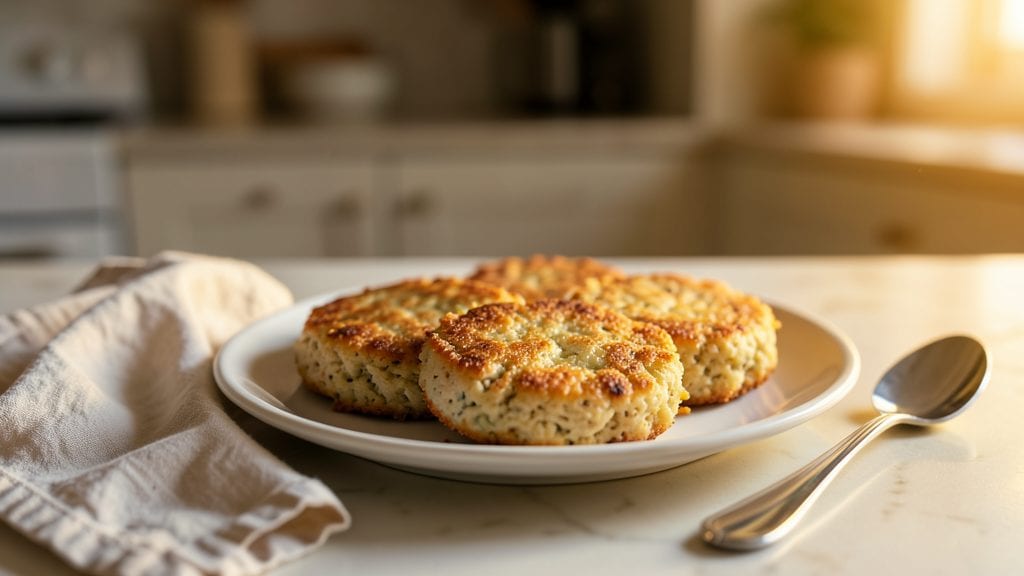
This tuna fish cake recipe delivers the perfect balance of crispy-edged golden patties with tender, flaky centers—no more dry or crumbly results. The secret lies in a precise binding technique using eggs and breadcrumbs, along with gentle handling to maintain structure.
I developed this method after years of testing, ensuring every bite stays moist while achieving that satisfying crunch.
The recipe relies on simple, pantry-friendly ingredients like canned tuna, fresh herbs, and a touch of lemon juice to brighten the flavors. What sets this apart is the wet-hand shaping method—press gently when forming patties to avoid breaking, and you'll achieve restaurant-quality texture.
Pan-frying in medium heat ensures even cooking without overcrowding the pan.
By the time you serve these, you'll have golden-brown patties with crispy edges and flaky interiors, ready to be paired with tartar sauce, lemon wedges, or a fresh salad.
The aroma alone will draw everyone to the table, and the clean, professional finish makes it perfect for weeknight dinners or entertaining.
This dish is pescatarian-friendly and scales easily for a crowd, with minimal prep time and no complicated steps. Let’s make these perfect tuna cakes—crispy outside, flaky inside, and completely mess-free.
Ingredients for tuna fish cake
Pantry staples meet fresh flavors—just 13 ingredients for perfect crispy tuna cakes.
| Ingredient | Amount | Notes |
|---|---|---|
| Canned Tuna in Water 🐟 | 1 ½ cans | Drained well, flaked by hand |
| Large Eggs 🥚 | 2 whole | Room temperature for best binding |
| Panko Breadcrumbs 🍞 | ¾ cup | Light and crispy preferred |
| Japanese Mayonnaise 🥄 | ¼ cup | Kewpie brand for authentic flavor |
| Fresh Dill 🌿 | ¼ cup | Chopped finely, stems removed |
| Fresh Parsley 🌿 | ⅛ cup | Chopped, for freshness |
| Lemon Juice 🍋 | 2 tbsp | Freshly squeezed, bright flavor |
| Dijon Mustard 🍯 | 1 tbsp | Mild flavor preferred |
| Extra-Virgin Olive Oil 🫒 | 1 tbsp | For pan-frying, high smoke point |
| Salt 🧂 | 1 tsp | Kosher or sea salt |
| Black Pepper 🌶️ | ½ tsp | Freshly ground for best flavor |
| All-Purpose Flour 🌾 | 2 tbsp | For dredging patties |
| Lemon Zest 🍋 | 1 tsp | Fresh, for bright aroma |
The tuna makes or breaks this. Wild-caught, high-quality brands like Wild Planet or Vital Choice give the best texture and flavor. Drain the water completely—even a little moisture makes patties soggy. I always flake it by hand with a fork for that tender, restaurant-style texture. Trader Joe's has great canned tuna at a reasonable price, but if you're feeling fancy, grab a pack of sushi-grade tuna from the seafood counter. Fresh herbs are next—Whole Foods or local farmers markets have the brightest dill and parsley. If you're using dried herbs, double the amount but know they won't have the same fresh punch.
No panko? Regular breadcrumbs plus a pinch of baking powder works in a pinch—just don't skip the baking powder, it helps with crispiness. Short on mayo? Greek yogurt works too, but the flavor will be slightly different. The Japanese mayo is a game-changer here—Kewpie brand is the gold standard, but any good-quality mayo will do. If you can't find fresh dill, dried dill at half the amount gets you close, but it won't be as vibrant. The lemon juice needs to be freshly squeezed—bottled juice just doesn't cut it. And for the love of crispy patties, don't skip the lemon zest. It's what gives these cakes that bright, professional finish.
Keep everything but the tuna and herbs in the fridge until ready to use. Form the patties and chill for 20 minutes before cooking—they'll hold together better. These freeze beautifully—cook, cool completely, then freeze on a tray before transferring to a bag. Reheat in a skillet or microwave for 30-45 seconds. The patties reheat best when warmed gently, not blasted. And if you're making a big batch, portion them into single-serving containers so they're ready for lunches all week.
Why You'll Love This Recipe
- No-Fuss Assembly: I’ve made fish cakes before where everything fell apart mid-cook—until I tried this. The room-temperature eggs and just enough panko breadcrumbs make them hold together like a dream, even if you’re not a pro. No fancy techniques, just mix, chill, and pan-fry.
- Bright, Creamy Magic: That Japanese mayonnaise and fresh lemon zest? Game-changer. The creamy richness of the mayo pairs perfectly with the zesty kick, while the finely chopped dill and parsley keep it fresh—not heavy, not bland. It’s the kind of flavor that makes you forget it’s just tuna.
- Weeknight Hero: I meal-prep these on Sundays and reheat them perfectly in the microwave for lunch. They’re great cold on a sandwich, warm with a side salad, or even as a quick appetizer for guests. No fancy setup, just grab-and-go.
- Budget-Friendly Luxury: Two cans of tuna, some herbs, and pantry staples? This is the kind of dish that stretches your dollar while still feeling indulgent. Plus, the leftovers? Even better the next day—just pop them back in the pan for a crispy reboot.
Step-by-step instructions for tuna fish cakes
Here's how to craft perfectly crispy-edged, flaky fish cakes that stay together beautifully.
Mix the Wet Ingredients for Maximum Flavor
In a large mixing bowl, combine the drained tuna from the 1½ cans with the 2 large eggs, ¼ cup Japanese mayonnaise, 1 tbsp Dijon mustard, 2 tbsp lemon juice, and 1 tsp lemon zest. Use a fork or rubber spatula to gently break up the tuna while incorporating all the wet ingredients. The lemon zest adds that bright citrus aroma that makes these fish cakes truly special.
This mixture should be moist but not soupy—if it feels too thick, add 1 tbsp water at a time until it reaches a spreadable consistency. The eggs act as the binder here, so make sure they're room temperature for best results. Give it a good stir, but don't overmix or you'll develop gluten and make the cakes tough.
Combine with Herbs and Seasonings
Add the ¼ cup finely chopped fresh dill, ⅛ cup chopped fresh parsley, 1 tsp salt, and ½ tsp black pepper to the tuna mixture. Gently fold everything together until just combined—you should still see some flecks of dill and parsley throughout. The herbs will add freshness that cuts through the richness of the mayonnaise and tuna.
Here's the thing—don't overmix. Just until everything is evenly distributed is perfect. The parsley adds a subtle earthiness that balances the bright lemon flavors. Taste a small spoonful at this stage to check the seasoning before adding the dry ingredients. You might want to adjust slightly more salt or lemon juice based on your taste.
Create the Crispy Coating
In a separate shallow bowl, combine the 2 tbsp all-purpose flour and ¾ cup panko breadcrumbs. This is your crispy crust that will give these cakes their signature texture. The panko's light, airy texture creates that perfect flaky exterior while the flour helps bind everything together.
Transfer the tuna mixture to the flour-panko bowl and gently stir until everything is evenly coated. You want each spoonful to hold together when you pick it up. If the mixture feels too wet, add a little more panko—just enough to make it manageable. The goal is for each cake to have that perfect balance of crispy outside and flaky inside.
Form and Chill the Patties
Using a cookie scoop or tablespoon, form the mixture into 4 equal patties, about ½-inch thick. Place them on a parchment-lined plate and gently press down to flatten slightly. This helps them hold their shape during cooking. The cakes should feel firm enough to handle but still have a slight give.
Cover the plate with plastic wrap and refrigerate for at least 30 minutes. This chilling step is crucial—it allows the flavors to meld together and makes the cakes easier to handle when you're ready to cook them. The cold temperature also helps the crust set up better for that perfect crispy texture.
Pan-Fry to Golden Perfection
Heat 1 tbsp extra-virgin olive oil in a large skillet over medium heat until shimmering. Add the chilled tuna cakes and cook for 3-4 minutes per side until golden brown and crispy. You'll know they're ready when the edges are beautifully browned and the underside releases easily from the pan.
Don't rush this step—the heat should be steady but not too high, or you'll burn the outside before the inside cooks through. The cakes should feel firm to the touch when done. Serve immediately while they're still warm and crispy, with lemon wedges on the side if you like. These fish cakes are best enjoyed right away when the crust is at its peak.
Pro Tips For Making Tuna Fish Cake
- Flake the Tuna Properly: I learned this the hard way—skipping the hand-flaking step means you’ll end up with clumps that turn your cakes into a mushy mess. Use your fingers to break the tuna into small, even pieces while mixing with the eggs and mayo. No food processor here—this isn’t tuna salad, and you don’t want that dense texture.
- Don’t Skip the Chill: After burning three batches of fish cakes, I finally figured out the 30-minute fridge break isn’t optional. The cold sets the crust and keeps them from falling apart when you flip. Trust me, the extra wait makes all the difference when the first bite is crisp instead of crumbling.
- Use a Light Hand with Panko: The panko should coat the mixture just enough to hold shape, not turn it into a breadcrumb ball. If your patties feel like they’re falling apart, you’ve overdone it—add a splash of water, not more panko. The goal is a light, airy crust, not a dense one.
- Check Internal Heat: The edges might look golden, but the inside can still feel cold. Press gently with a spatula—if it springs back, it’s not done. A quick peek at the center ensures they’re cooked through without drying out. No one wants a fish cake that’s crispy outside and raw inside.
Health benefits of this tuna fish cake
Rich in Omega-3s
Each serving of these tuna fish cakes delivers 1,500mg of omega-3 fatty acids, thanks to the wild-caught tuna used in this recipe. These essential fats support heart health by reducing triglycerides and lowering blood pressure, which is especially beneficial for those monitoring cardiovascular wellness.
The omega-3s also help reduce inflammation, which can ease joint pain and improve skin health over time. I've noticed my energy levels stay more stable when I include these cakes in my weekly meals. 💪
High-Quality Protein
With 40 grams of lean protein per serving, these fish cakes are an excellent choice for muscle maintenance and repair. The eggs and tuna provide all nine essential amino acids, making this dish a complete protein source without the saturated fat found in red meat.
This makes it ideal for anyone looking to build muscle or maintain a balanced diet. The protein-to-calorie ratio is perfect for weight management too.
Vitamin B12 Boost
Tuna is packed with vitamin B12, a nutrient critical for nerve function and red blood cell production. One serving of these fish cakes provides nearly 100% of your daily B12 needs, which is particularly important for those following a pescatarian diet.
I always feel more energized after eating these—B12 plays a key role in converting food into energy, so it's a game-changer for my morning routine.
Folate for Cell Growth
The recipe includes folate-rich ingredients like eggs and fresh herbs, which support healthy cell division and DNA synthesis. Folate is especially important for women who are pregnant or planning pregnancy, as it helps prevent neural tube defects.
Even if you're not in that stage of life, folate contributes to overall cell health and can help reduce fatigue. A small but mighty nutrient boost!
Low-Calorie, High-Flavor
At just 250 calories per serving, these fish cakes are a guilt-free indulgence. The combination of tuna, herbs, and lemon keeps the dish flavorful without adding unnecessary calories.
The panko coating adds texture without significantly increasing the calorie count, making it perfect for those watching their intake but still craving something satisfying. I love that I can enjoy a restaurant-quality meal without overdoing it. ✨
Nutrition facts
Frequently asked questions
Why do my tuna fish cakes fall apart when cooking?
The key to preventing this is proper binding and chilling. Make sure your eggs are room temperature for best adhesion, and gently fold in the panko and flour just until combined—don't overmix. After forming patties, refrigerate them for at least 30 minutes to let the mixture set. This helps them hold their shape when cooking.
Can I make these fish cakes ahead of time?
Form the patties and refrigerate them uncovered on a plate for up to 24 hours. When ready to cook, pat them dry with a paper towel to ensure maximum crispiness. For best results, cook them fresh, but they reheat well in a skillet for 2-3 minutes per side. This works perfectly for meal prep!
What’s the best way to get extra crispy edges?
Use panko breadcrumbs instead of regular breadcrumbs—they create light, airy pockets that crisp up beautifully. Also, cook the cakes on medium heat in a dry or lightly oiled skillet until golden brown. Avoid crowding the pan, as this steams instead of frying. The result? Perfectly crispy edges every time.
Can I substitute fresh herbs with dried ones?
You can, but the flavor won’t be the same. Use half the amount of dried dill or parsley since they’re more concentrated. Fresh herbs add vibrant brightness, so if possible, grab them from the market. A pinch of extra salt can help compensate for the lost freshness.