
Main Courses
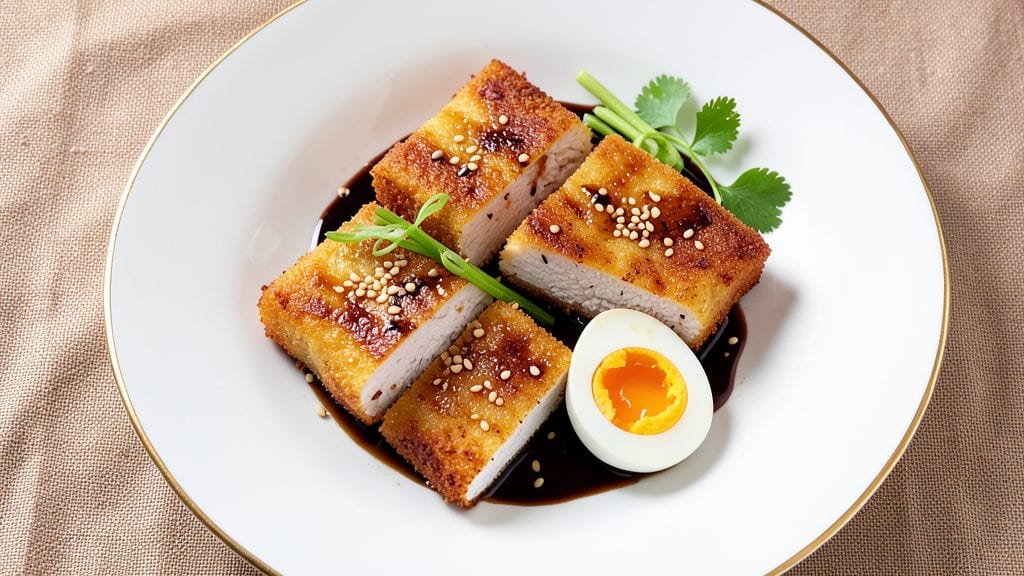
This crispy-fried fish cake banchan delivers the perfect harmony of texture and flavor that makes Korean side dishes unforgettable. The secret lies in properly soaking and shaping the fish cake before achieving that signature golden crust through careful frying.
I developed this recipe after years of testing different techniques to balance crispiness with tender centers—something that's easier said than done. The spicy dipping sauce transforms these bites into a complete experience that pairs beautifully with rice and grilled meats.
The foundation of authentic fish cake banchan begins with quality ingredients: fresh surimi-based fish cake, traditional seasonings like soy sauce and sesame oil, and proper shaping techniques. What sets this recipe apart is the two-step cooking process—first boiling to set the texture, then frying until perfectly golden.
This method ensures every bite stays tender inside while developing that satisfying crunch on the outside. The spicy dipping sauce adds layers of depth that elevate these simple ingredients into something extraordinary.
By the time you're done, you'll have crispy-fried fish cake banchan that's restaurant-quality at home—golden edges, tender centers, and a sauce that's perfectly balanced between sweet, spicy, and umami. The aroma alone will have everyone at the table asking for seconds.
This dish is especially impressive for dinner parties or when you want to serve authentic Korean flavors without the complexity of a full meal.
Perfect for pescatarian diets and meal prep, these crispy bites keep well in the fridge for up to 3 days. Serve warm or at room temperature for the best texture.
The recipe scales easily, so you can make a large batch for gatherings or enjoy them as a light snack throughout the week. Let's get started on creating your own banchan masterpiece.
Ingredients for fish cake banchan
Authentic Korean flavors delivered through crispy fried bites—simple ingredients, restaurant-quality results.
| Ingredient | Amount | Notes |
|---|---|---|
| Surimi Fish Cake (Kamaboko) 🐟 | 1 ½ lb | Fresh, high-quality surimi preferred |
| Large Eggs 🥚 | 2 whole | Room temperature for binding |
| All-Purpose Flour 🌾 | 1 cup | For breading, unbleached preferred |
| Vegetable Oil 🫒 | 2 cups | For frying, neutral flavor |
| Soy Sauce 🧂 | 0.3 cup | Low-sodium for better control |
| Sesame Oil 🌿 | 1 tbsp | Toasted for authentic flavor |
| Gochujang (Korean Red Pepper Paste) 🔥 | 2 tbsp | High-quality fermented paste |
| Honey 🍯 | 1 tbsp | For sweet-spicy balance |
| Rice Vinegar 🍶 | 1 tbsp | Mild acidity preferred |
| Sesame Seeds 🌰 | 1 tbsp | Toasted for garnish |
| Garlic Cloves 🧄 | 3 cloves | Minced for sauce depth |
| Ginger Root 🌿 | 1 tbsp | Freshly grated for zing |
| Cornstarch 🌾 | ¼ cup | For extra crispiness |
| Salt 🧂 | ½ tsp | Fine sea salt preferred |
| Black Pepper 🌶️ | ¼ tsp | Freshly ground for aroma |
The fish cake is everything here—surimi-based kamaboko gives that authentic texture. Look for fresh, firm pieces at Korean markets or the refrigerated section of Asian grocery stores. I always grab Hmart or Korean Mart brands when possible—they keep it better than generic supermarket options. The secret is to soak slices in beaten egg for 10 minutes before breading, which locks in moisture while creating that perfect crisp. Don't skip this step—it's what separates good from great.
No surimi fish cake? High-quality imitation crab sticks work in a pinch, though texture won't be identical. For the sauce, substitute gochujang with sriracha plus 1 tbsp honey if you can't find it—it'll be less complex but still delicious. Cornstarch is your friend for extra crunch—mix it with flour for the breading. Want to stretch this further? Add 1 cup shredded cabbage to the fish cake mixture before shaping—it'll absorb the sauce beautifully. The sesame seeds? Toast them in a dry pan for maximum flavor—don't skip this!
These crispy bites keep beautifully for 3-4 days in an airtight container, reheating perfectly in a 350°F oven for 10 minutes. The sauce? Makes about 1 cup and freezes well for up to 2 months—just thaw overnight in the fridge. I always make double the sauce because it disappears fast. For serving, arrange on a platter with sesame seeds sprinkled on top—it looks restaurant-worthy and tastes even better. The frying oil can be reused once or twice if you strain it well between uses.
Why You'll Love This Recipe
- No-Fuss Crunch: Honestly, the only prep work here is slicing the fish cake—no chopping mountains of veggies or marinating for hours. Just cut those kamaboko slices, pat them dry, and dip. The cornstarch in the flour mix does all the heavy lifting for that perfect crunch, so you’re not stuck overcomplicating things.
- Sweet-Spicy Magic: That sauce? Chef’s kiss. The gochujang and honey balance out so well, it’s addictive—like a little spicy hug for your taste buds. And the garlic and ginger in there? They wake up the fish cake’s mild flavor, turning it from basic to ridiculously good in minutes.
- Leftovers? No Problem: I make this on Sundays and it’s still my go-to lunch the next day. Just pop them in the oven at 350°F for 10 minutes, and they’re crispy as ever. Plus, it freezes like a dream—just thaw overnight and reheat. My kids even ask for seconds, and they’re not picky eaters.
- Budget-Friendly Crowd-Pleaser: You’re getting a whole pan of crispy, golden bites for less than $10 if you’re smart about ingredients. The surimi is cheap, the eggs are pantry staples, and the sauce uses pantry favorites like soy sauce and gochujang. It’s the kind of dish that disappears fast—perfect for game days, potlucks, or when you’ve got a crowd and need something easy but impressive.
Step-by-step instructions for crispy-fried fish cake banchan
Mastering this technique transforms ordinary fish cake into irresistible, golden-brown banchan with a perfect crunch.
Prepare the Fish Cake Breading Mixture
In a large mixing bowl, combine the 1 cup all-purpose flour, ¼ cup cornstarch, ½ tsp salt, and ¼ tsp black pepper. Whisk vigorously until the cornstarch is fully dispersed and no lumps remain. This dry blend creates the crispy exterior we're after—cornstarch is the secret weapon for that satisfying crunch.
In a separate bowl, crack the 2 large eggs and whisk them until the yolks and whites are completely blended and frothy. This egg wash ensures the breading adheres perfectly to the fish cake. Here's the thing—room temperature eggs bind better, so if yours are straight from the fridge, let them sit at room temperature for 10 minutes before using.
Create the Spicy Dipping Sauce
In a small saucepan, combine the 0.3 cup soy sauce, 2 tbsp gochujang (Korean red pepper paste), 1 tbsp honey, 1 tbsp rice vinegar, and 1 tbsp sesame oil. Place over medium heat and stir constantly for 3-4 minutes until the mixture begins to bubble gently and thicken slightly. The gochujang will darken and release its deep, fermented aroma—this is when you'll know it's ready.
Remove from heat and stir in the 3 cloves minced garlic and 1 tbsp freshly grated ginger root. Let the mixture steep for 5 minutes to allow the garlic and ginger to infuse their flavors. The sauce should be smooth with a vibrant red hue from the gochujang. Taste and adjust seasoning if needed—you might want to add a pinch more salt or a touch of honey for balance. This sauce is the perfect complement to our crispy fish cake.
Cut and Bread the Fish Cake
Using a sharp chef's knife, carefully cut the 1½ lb surimi fish cake (kamaboko) into 1-inch thick slices. For even cooking, make sure each piece is uniform in thickness. Pat each slice dry with paper towels to remove any surface moisture—this prevents the breading from becoming soggy during frying.
Working with one piece at a time, dip each fish cake slice into the egg wash, allowing any excess to drip off. Then press the slice into the flour mixture, coating both sides completely. I like to press firmly to ensure an even layer of breading that will create that perfect golden crust. Place the breaded pieces on a wire rack set over a baking sheet to keep them separate and prevent sticking.
Fry to Crispy Perfection
Heat 2 cups vegetable oil in a deep skillet or Dutch oven to 350°F. Use a thermometer to monitor the temperature—this is critical for achieving that perfect crisp without burning. Once the oil reaches temperature, carefully add the breaded fish cake slices in a single layer. They should float immediately—if they sink, the oil isn't hot enough, and you'll need to wait a few more minutes for it to reach the proper temperature.
Fry for 2-3 minutes per side until golden brown and crispy. You'll see the edges start to crisp first—that's your signal to flip. Use a slotted spatula to turn them carefully. The fish cake is done when it's uniformly golden with no white showing through the breading. Transfer the fried pieces to a paper towel-lined plate to drain excess oil.
Garnish and Serve Immediately
While the fish cake is still hot and crispy, sprinkle each piece generously with 1 tbsp toasted sesame seeds. The seeds add a delightful nutty crunch and visual appeal that makes these banchan irresistible. Serve immediately with the spicy dipping sauce on the side for dipping.
Each bite should deliver that perfect combination of crispy exterior and tender interior, balanced by the sweet-spicy kick of the sauce. The contrast of textures and flavors makes this banchan an absolute crowd-pleaser. Real talk—these disappear faster than you can say "second helping," so be prepared to make extra!
Pro Tips For Making Fish Cake Banchan
- Preheat Oil Properly: I learned this the hard way—skipping the thermometer and guessing 350°F. The oil needs to be actually hot enough to sizzle immediately when the fish cake hits it, or you’ll end up with greasy, pale, half-cooked slices. A cheap thermometer is worth every penny here.
- Dry the Fish Cake: That extra moisture on the kamaboko is the silent enemy of crispy breading. Pat each slice thoroughly with paper towels—don’t rush it. Wet breading = soggy fish cake, and nobody wants that.
- Press the Breading: Dipping isn’t enough—press each slice firmly into the flour-cornstarch mix so the coating sticks like glue. I used to slap it on, and the breading would flake off mid-fry. A little elbow grease here saves you from sad, uneven bites.
- Toast Sesame Seeds First: Skip the in-pan toasting—toss the sesame seeds in a dry skillet over medium heat for 30 seconds until they’re golden and fragrant. They’ll add way more flavor to your garnish, and you won’t burn them while frying the fish cake. Trust me, it’s worth the extra minute.
Common mistakes when making this dish
Skipping the Egg Soak
One of my biggest mistakes early on was rushing the egg soak step. I'd pat the fish cake dry and immediately dip it into the egg wash, thinking it would still stick to the flour. The result? Soggy breading that fell apart during frying.
The secret is letting each slice soak in the egg wash for 5-10 seconds on each side—just enough to coat evenly without over-saturating. This creates that perfect adhesion for crispy breading. Trust me, this extra step makes all the difference! 💡
Overcrowding the Fryer
I learned the hard way that frying fish cake in batches is non-negotiable. When I tried to fry all the slices at once, the oil temperature dropped dramatically, leading to greasy rather than crispy results. The rule is one layer only—no stacking!
Use a slotted spoon to carefully add slices as they're ready. A deep skillet with 350°F oil should handle 4-5 pieces at a time comfortably. This maintains proper temperature control for that golden crust. 🔥
Underseasoning the Sauce
My first batch of sauce was so mild I thought I'd made a mistake. I'd follow the recipe exactly but still taste a lack of depth. The fix? Always taste as you go! After adding the garlic and ginger, I now let the sauce steep for 10 minutes before tasting.
If it needs more punch, add ½ tsp extra gochujang or a pinch of salt. The sweet-spicy balance is everything, and you can't taste that until it's fully infused. I've since made this adjustment every time. 🍯
Inconsistent Slice Thickness
When I first sliced the fish cake, I aimed for 1-inch thickness but ended up with some pieces much thicker than others. This meant some fried faster and became dry while others stayed undercooked.
Invest in a sharp chef's knife and use a ruler to check thickness—¼-inch variations make a noticeable difference. Pro tip: Cut slices while the fish cake is still cold for cleaner cuts. This consistency ensures even cooking throughout. 🌟
Skipping the Cornstarch
I tried making the breading with just flour once, thinking cornstarch was optional. The result? A breading that didn't crisp properly and absorbed too much oil. The 0.25 cup cornstarch in the mix is what creates that magical crunch.
Mix it well with the flour to avoid clumps, and don't skip it—this is what separates good from great fried fish cake. I now always double-check my measurements for this crucial ingredient. 💫
Nutrition facts
Frequently asked questions
Why does the recipe call for room-temperature eggs?
Room-temperature eggs create a smoother, more even coating on your fish cake slices. Cold eggs can lead to uneven adhesion in the breading, causing some pieces to fall apart during frying. Let your 2 whole eggs sit at room temperature for 10 minutes before using for that perfect crispy exterior. Trust me, this small step makes a big difference!
Can I use a different type of fish cake?
While surimi fish cake (kamaboko) is ideal, imitation crab sticks work in a pinch. However, the texture won't be identical—surimi provides that authentic, delicate bite. If you're using crab sticks, pat them extra dry to prevent soggy breading. The 1-inch thick slices should still hold up well!
How do I maintain crispiness after frying?
Serve these immediately with the spicy sauce for maximum crunch! If you need to store them, let them cool completely before placing in an airtight container. Reheat at 350°F for 10 minutes to restore that perfect crisp. Avoid microwaving—it makes them greasy.
What if my oil temperature drops while frying?
If the oil isn't 350°F when you add the fish cake, it won't crisp properly. Use a thermometer and adjust heat as needed. Fry in small batches—4-5 pieces at a time—to maintain the right temperature. If oil cools too much, let it heat back up before adding more pieces. Patience here pays off!
Can I make the sauce ahead of time?
The sauce tastes even better after resting for 1 hour at room temperature. Store it in an airtight container in the fridge for up to 2 months. Just thaw overnight before using. The flavors deepen over time, so it's worth making extra!