
Desserts
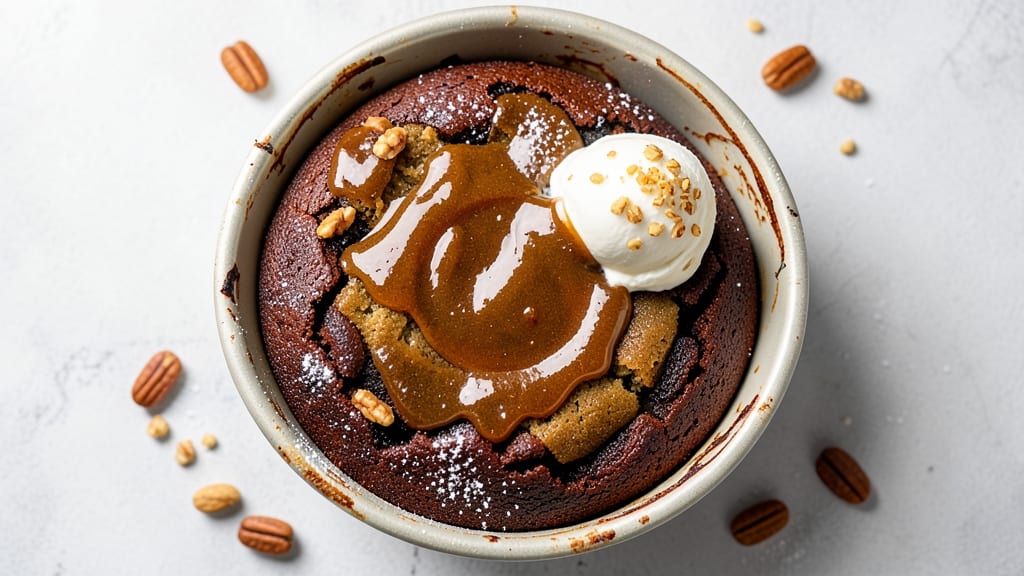
This Sticky Toffee Pudding Cake inspired by Gordon Ramsay delivers the perfect balance of warm spiced cake and rich toffee sauce that'll have everyone asking for seconds.
The secret lies in layering moist, cinnamon-infused cake with a gooey caramelized toffee sauce that soaks into every bite—just like the British pub classic, but elevated. I first mastered this recipe during a particularly chilly Portland winter, when the aroma alone transformed my kitchen into a cozy dessert haven.
The cake itself is a foolproof blend of simple ingredients—flour, sugar, eggs, and a generous pinch of cinnamon—that creates a tender crumb with just the right amount of chew.
The toffee sauce, meanwhile, requires patience: simmering butter, brown sugar, and cream until it thickens into a glossy, sticky glaze that clings to the cake like liquid gold. Ramsay’s technique focuses on achieving that perfectly caramelized texture without burning, which is where most home cooks stumble.
What makes this recipe truly special is the way the flavors come together. The warm spices in the cake—cinnamon and nutmeg—complement the deep, buttery sweetness of the toffee sauce, creating a dessert that’s both comforting and sophisticated.
Serving it warm, straight from the oven, ensures the sauce stays gooey and the cake retains its moistness. Trust me, the first bite will have you reaching for another slice before the plate is even empty.
For those who love a little extra texture, you can fold chopped walnuts into the cake batter or drizzle additional caramel sauce over the top before serving. This recipe scales beautifully, so whether you're feeding a crowd or treating yourself to a solo indulgence, it delivers every time.
Let’s get baking—your taste buds will thank you.
Ingredients for sticky toffee pudding cake gordon ramsay
Simple ingredients transform into Ramsay’s legendary sticky toffee pudding cake magic.
| Ingredient | Amount | Notes |
|---|---|---|
| All-Purpose Flour 🌾 | 2 ½ cups | Sifted for light texture |
| Granulated Sugar 🍚 | 1 ½ cups | Divided for cake and sauce |
| Large Eggs 🥚 | 3 whole | Room temperature preferred |
| Unsalted Butter 🧈 | ¾ lb | Full-fat for richness |
| Brown Sugar Packed 🍬 | 1 cup | Light and dark blend |
| Whole Milk 🥛 | ¾ cup | Full-fat for creaminess |
| Vanilla Extract 🌸 | 2 tsp | Pure for flavor depth |
| Ground Cinnamon 🌿 | 1 ½ tsp | Warm spice for cake |
| Ground Nutmeg 🌿 | ½ tsp | Peppery depth for cake |
| Baking Powder 💨 | 1 tbsp | For proper rise |
| Salt 🧂 | 1 tsp | Fine grain preferred |
| Chopped Walnuts 🥜 | ½ cup | Optional texture boost |
| Heavy Whipping Cream 🥛 | 1 cup | Full-fat for sauce |
| Butter 🧈 | ¼ lb | For sauce caramelization |
The butter matters most here—unsalted is non-negotiable for sauce control. Costco’s bulk butter gives the best value, but any high-quality block works. For flour, sifting it first removes lumps and keeps the cake tender. I always measure my brown sugar by packing it tightly into the cup—no air gaps or you’ll end up with a cake that’s too dry. The walnuts? Toast them lightly before folding in for extra crunch—just 5 minutes in the oven at 350°F until fragrant.
No vanilla extract? Vanilla sugar or a splash of almond extract gets you close, though the flavor won’t be as rich. Short on brown sugar? Substitute half with molasses for a deeper molasses-like taste. The milk can be whole or 2%—don’t use skim or the sauce won’t be as creamy. For the sauce, if you’re in a pinch, use store-bought toffee bits mixed with a little cream, but homemade is worth the effort. The cinnamon and nutmeg? Freshly ground spices make all the difference—store-bought can taste dull.
This cake tastes even better the next day as the flavors meld. Store leftovers in an airtight container for up to 3 days, or freeze portions for up to 3 months. For the sauce, keep it refrigerated in a sealed jar—it’ll thicken slightly, so stir before using. If you’re making this for a crowd, double the recipe and bake in two 9x13-inch pans. The key is patience—don’t rush the caramelization or the sauce will burn. Ramsay’s trick is to let it simmer uncovered until it reaches the perfect golden color.
Why You'll Love This Recipe
- Here’s what sold me: this works for everything. A last-minute dinner guest? Done. A lazy Sunday? Even better. The cake keeps well for days, and the sauce freezes like a dream—so you’re always ready to impress without stress.
- I’ll be real: this costs less than half of what a fancy café charges for their version. Flour, sugar, butter—pantry staples that stretch far. Plus, leftovers? They disappear faster than I can say “second slice,” so you’re basically making happy memories on a budget.
Step-by-step instructions for sticky toffee pudding cake
Here's how to create a rich, spiced cake with that signature gooey toffee sauce—just like Gordon Ramsay's version.
Prepare the Cake Batter
Preheat your oven to 350°F and grease a 9-inch round cake pan with ¼ lb butter, then line the bottom with parchment paper. In a large mixing bowl, whisk together the 2½ cups all-purpose flour, 1 tbsp baking powder, 1½ tsp ground cinnamon, ½ tsp ground nutmeg, and 1 tsp salt. This dry mix ensures a light, fluffy texture without dense pockets.
In a separate bowl, cream together the ¾ lb unsalted butter and 1½ cups granulated sugar until light and fluffy—about 3-4 minutes with an electric mixer. The mixture should nearly double in volume and turn pale. Here's the thing—this creaming process is what creates that tender, moist cake we're after.
Add the 3 large eggs, one at a time, mixing well after each addition. Then stir in the ¾ cup whole milk and 2 tsp vanilla extract until fully combined. Gradually fold in the dry ingredients until just mixed, being careful not to overmix. Finally, gently fold in the ½ cup chopped walnuts for that delightful crunch.
Bake the Cake to Perfection
Pour the batter into your prepared cake pan and smooth the top. Bake for 35-40 minutes or until a toothpick inserted into the center comes out clean. The cake should be golden brown on top with slightly domed edges—this tells me it's perfectly done.
I know it seems weird to bake it until a toothpick comes out clean, but trust me, this ensures the cake is fully cooked without drying out. If you pull it out too soon, the center will be undercooked and gummy. If it browns too quickly, tent the pan with foil to prevent over-browning.
Once baked, let the cake cool in the pan for 10 minutes, then transfer it to a wire rack to cool completely. This resting period is crucial—it allows the cake to set properly so it doesn't crumble when you add the sauce later.
Make the Gooey Toffee Sauce
While the cake cools, make the toffee sauce in the same pan you baked the cake in—those browned bits add incredible flavor. Melt the ¾ lb unsalted butter over medium heat, then add 1 cup brown sugar packed and stir until dissolved. Here's where it gets fun—pour in the 1 cup heavy whipping cream all at once and bring to a gentle simmer.
Simmer for 5-7 minutes, stirring occasionally, until the sauce thickens enough to coat the back of a spoon. You're looking for a glossy, syrupy consistency—this is what makes the sauce stick to the cake perfectly. If it thickens too quickly, add a splash of milk to loosen it.
Remove the sauce from heat and stir in 1½ cups granulated sugar until fully dissolved. The sauce should be rich, caramel-colored, and ready to soak into the cake. Real talk: this is the moment that makes the whole dish worth it.
Assemble and Serve
Once the cake is completely cool, poke holes all over the top with a skewer—this creates little channels for the sauce to soak in beautifully. Pour the warm toffee sauce evenly over the cake, letting it absorb for 10-15 minutes. The cake will become moist and tender as it soaks up the sauce.
To serve, slice the cake into wedges and drizzle generously with any remaining sauce. The combination of warm, spiced cake and that rich, gooey toffee sauce is pure comfort food magic. Serve with a scoop of vanilla ice cream for the ultimate indulgence.
Pro Tips For Making Sticky Toffee Pudding Cake Gordon Ramsay
- Cream Butter Properly: The 3-4 minutes of creaming the ¾ lb unsalted butter with 1.5 cups granulated sugar isn’t just busywork—it’s what makes this cake tender. Use a stand mixer and scrape the bowl every 30 seconds so the butter stays light and fluffy, not greasy. I learned this the hard way when my cake turned out dense because I rushed it.
- Sift That Flour: Skipping the sift on the 2.5 cups all-purpose flour means pockets of air and uneven texture. Use a fine-mesh sieve and tap the bowl gently to break up any clumps. The cake will rise more evenly, and the crumb will be lighter—trust me, it’s worth the extra 30 seconds.
- Don’t Rush the Cooling: Letting the cake cool in the pan for 10 minutes before transferring to a rack isn’t just a suggestion—it’s non-negotiable. If you pull it out too soon, the sauce will turn the edges soggy instead of soaking in evenly. Give it time, even if you’re eager to eat it.
- Simmer the Sauce Slowly: When you bring the 1 cup heavy whipping cream to a simmer after adding it to the brown sugar and butter, keep it gentle. A rolling boil will scorch the sauce faster than you can stir. Medium-low heat and constant stirring are your friends here—this is how you get that glossy, caramelized perfection.
Common mistakes when making this recipe
Overmixing the Batter
This is where I see most home bakers go wrong—the moment they grab that mixer and go full throttle. Overmixing the cake batter turns it tough and dense instead of light and tender. I’ve seen it happen even to experienced cooks when they’re eager to get the job done.
The key is to mix just until the dry ingredients are incorporated—no more. Use a spatula to gently fold the flour mixture into the wet ingredients until it looks like a shaggy cookie dough. Trust me, that extra effort now prevents a dry cake later.
Skipping the Resting Period
The cake needs that 10-minute rest in the pan after baking, but so many people skip it. I’ve caught myself doing this too when I’m impatient to get to the sauce.
Letting the cake cool in the pan allows the structure to set properly, so it doesn’t crumble when you add the toffee sauce. If you skip this step, the cake will fall apart like a soggy pancake when you poke holes for the sauce. Patience really is a virtue here.
Burning the Toffee Sauce
The sauce is where most people lose their cool—literally. Watching that butter and sugar mixture bubble away can be nerve-wracking, but you’ve got to stay calm. If you let it simmer too long, it’ll turn from golden and glossy to burnt and bitter.
I recommend keeping a close eye after those first 5 minutes and stirring frequently. Once it reaches that perfect thick consistency, remove it from heat immediately—no more than 7 minutes total. The sauce should coat the back of a spoon like liquid gold, not look like it’s on fire.
Underbaking the Cake
Pulling the cake out too early is a common mistake that leads to a gummy center. I’ve learned this the hard way—once I took the cake out after 25 minutes thinking it was done, only to find it still raw inside. The toothpick test is your best friend here.
It should come out clean, not with wet batter clinging to it. If you’re unsure, err on the side of overbaking—just tent the pan with foil if it’s browning too quickly. A slightly browned top is worth a perfectly cooked center.
Ignoring the Packed Sugar
Brown sugar is tricky—it clumps, and if you don’t pack it tightly into your measuring cup, you’ll end up with a cake that’s too dry. I’ve had to bail out of recipes before because I forgot to compact the sugar properly.
For the sauce, pack that 1 cup brown sugar tightly into the measuring cup and press it down firmly. This ensures you get the right moisture balance in your toffee sauce. No shortcuts here—your dessert depends on it!
Nutrition facts
Frequently asked questions
Why does the cake need to cool in the pan for 10 minutes?
Letting the cake cool in the pan for 10 minutes helps it set properly, preventing it from crumbling when you add the toffee sauce. This resting period allows the structure to firm up so it holds together beautifully as the sauce soaks in. Skipping this step can turn your cake into a soggy mess!
How do I prevent the toffee sauce from burning?
Watch the sauce closely after 5 minutes of simmering—it burns quickly! Stir frequently and remove it from heat as soon as it thickens enough to coat the back of a spoon. Never let it boil vigorously. If it starts browning too fast, reduce the heat slightly. Patience here makes all the difference!
Can I use a different pan size for the cake?
Yes, but adjust the baking time. If using a 9x13-inch pan, bake for 30-35 minutes instead of 35-40 minutes for a round pan. Always check for doneness with a toothpick—it should come out clean. Larger pans may require tenting with foil if browning too quickly.
What if my cake is too dense?
Overmixing the batter is the usual culprit! Mix just until the dry ingredients are incorporated—no need to beat it like a snowstorm. Also, ensure your butter and sugar are creamed until light and fluffy for 3-4 minutes. If your cake is already baked, try slicing it thinner to balance the texture with the toffee sauce.
Can I make the toffee sauce ahead of time?
Make the sauce up to a day ahead and store it in an airtight container in the fridge. When ready to use, reheat gently on the stove until it reaches a syrupy consistency. The flavors actually improve overnight as they meld together. This is a great way to prep ahead for a special dessert!