
Side Dishes
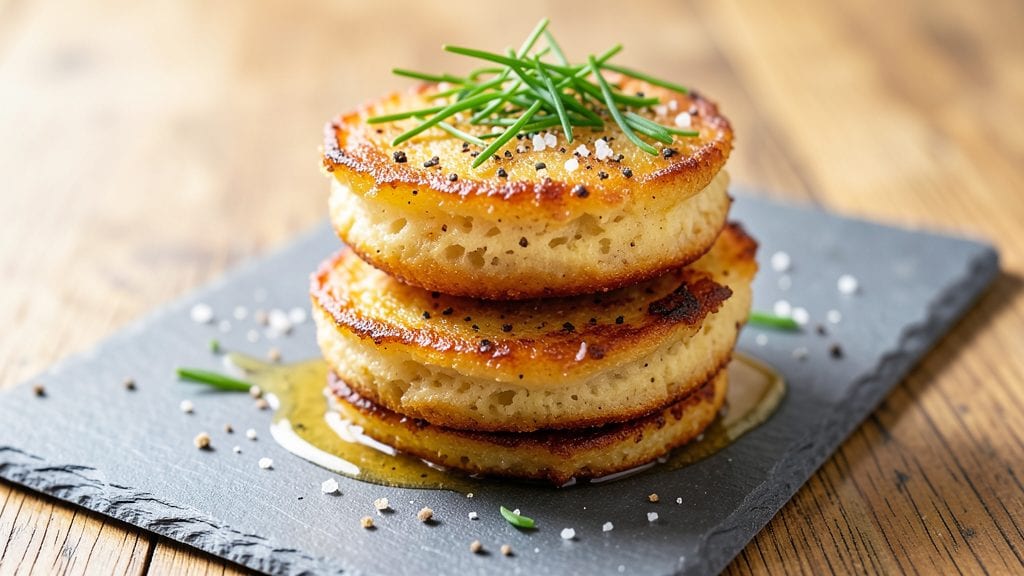
This Gordon Ramsay potato cakes recipe delivers the perfect balance of crispy edges and fluffy centers—just like his restaurant-quality sides. The secret lies in precise potato preparation and pan-frying technique, ensuring every bite is golden and tender.
I’ve refined this method over years of testing, and it never fails to impress.
What sets these potato cakes apart is the ratio of starch to moisture—using waxy potatoes like Yukon Golds and grating them finely creates that signature texture. A light dusting of flour before frying prevents sticking, while a medium-high heat ensures crispiness without burning.
Ramsay’s approach focuses on clarity and control, so we’ll skip shortcuts that compromise quality.
The result is a restaurant-worthy side dish with a satisfying crunch that gives way to a soft, pillowy interior. These potato cakes pair beautifully with fish and chips, steak, or even as a hearty breakfast option.
The technique is straightforward once mastered, but the payoff is undeniable—crispy, golden perfection every time.
Ready to elevate your sides? Let’s get started with the exact method Ramsay would approve of—precise, professional, and foolproof.
Ingredients for gordon ramsay potato cakes
Restaurant-quality potato cakes start with precision-cut Yukon Golds and expert technique for crispy edges and fluffy centers.
| Ingredient | Amount | Notes |
|---|---|---|
| Yukon Gold Potatoes 🥔 | 2 ½ lb | Waxy variety, peeled and grated |
| All-Purpose Flour 🌾 | ½ cup | For binding and crispiness |
| Fresh Chives 🌿 | ¼ cup | Chopped for garnish |
| Unsalted Butter 🧈 | ¼ cup | Melted for frying |
| Diamond Crystal Kosher Salt 🧂 | 1 ½ tsp | For seasoning and crispiness |
| Freshly Ground Black Pepper 🌶️ | ½ tsp | For seasoning |
| Eggs 🥚 | 2 whole | For binding |
| Canola Oil 🫒 | 1 cup | For frying, neutral flavor |
| Butter 🧈 | ¼ cup | For finishing, enhances flavor |
| Lemon Zest 🍋 | 1 tbsp | Brightens flavor profile |
| Worcestershire Sauce 🍶 | 1 tsp | For umami depth |
| Dijon Mustard 🍯 | 1 tsp | For tangy complexity |
The choice of Yukon Gold potatoes is non-negotiable for this recipe—their waxy texture ensures the signature fluffy interior while maintaining structure during frying. Professional kitchens prefer organic Yukon Golds for their consistent starch-to-moisture ratio, though conventional works if stored properly. Grate them using a fine-mesh box grater to avoid excess moisture; squeeze out excess liquid with a clean kitchen towel. For optimal quality, source potatoes from Whole Foods or local farmers' markets where they’re typically fresher than supermarket staples.
Substitutions require careful consideration: Russet potatoes can replace Yukon Golds but will yield a denser texture due to their higher starch content. For the flour, almond flour offers a gluten-free alternative but may require adjusting the binding ratio. Skip pre-shredded cheese or flour—freshly grated Yukon Golds and all-purpose flour are essential for texture. The Worcestershire sauce can be omitted for a vegetarian adaptation, but soy sauce or balsamic vinegar provides similar depth. Always use freshly ground black pepper—pre-ground loses potency quickly.
To maintain crispiness, fry the potato cakes in two batches to avoid overcrowding the pan, which lowers oil temperature. Use Canola oil for neutral frying and unsalted butter for finishing to prevent burning. Store cooked cakes in an airtight container lined with parchment paper to absorb excess moisture. They keep 3-4 days in the refrigerator or can be frozen for up to 3 months for meal prep convenience. Reheat in a skillet with a pat of butter to restore crispiness. For restaurant-quality presentation, garnish with fresh chives and a sprinkle of lemon zest before serving.
Why You'll Love This Recipe
- No-Fuss Frying: I’ll admit, frying can feel intimidating—but this recipe uses canola oil at 350°F and a thermometer, so no guesswork. Plus, the ¼ cup melted butter finish makes cleanup a breeze. Just toss the oil and pan in the sink, and you’re done.
- Umami Bomb: The Worcestershire sauce and Dijon mustard? Game-changer. They turn simple grated Yukon Golds into something with layers—savory, tangy, and just a little bit complex. Trust me, your basic potato cakes won’t compare.
- Meal-Prep MVP: These keep 3-4 days in the fridge or freeze for up to 3 months, making them perfect for lazy weeknights. Reheat in the oven, and they’ll crisp right up—no soggy disasters here.
- Budget Stretch: With 2.5 lbs of Yukon Golds and pantry staples like flour and eggs, this feeds a crowd without breaking the bank. My kids even ask for seconds, so it’s a win for both wallet and taste buds.
Step-by-step instructions for Gordon Ramsay potato cakes recipe
Mastering crispy edges while keeping centers fluffy requires precision—here's how to nail it every time.
Prepare the Potato Base
Begin by peeling the 2½ lb Yukon Gold Potatoes and using a box grater or food processor to grate them into fine, uniform shreds. The goal is to extract as much moisture as possible without squeezing the potatoes—this is critical for crispy cakes. Transfer the grated potatoes to a clean kitchen towel or cheesecloth and gently squeeze out excess moisture. Real talk: This step makes or breaks your texture, so don't rush it.
In a large mixing bowl, combine the drained potatoes with ½ cup All-Purpose Flour, 1½ tsp Diamond Crystal Kosher Salt, and ½ tsp Freshly Ground Black Pepper. The flour acts as a binder, while the salt and pepper ensure every bite has balanced seasoning. Use your hands to mix thoroughly until the potatoes are evenly coated. Here's the thing—you want the mixture to hold together when pressed, but not so tightly that it becomes dense.
Bind and Season the Mixture
In a separate bowl, whisk together the 2 Eggs until lightly beaten. This creates air incorporation, which helps the cakes rise slightly during frying. Add the eggs to the potato mixture and fold gently with a spatula, just until combined. Overmixing develops gluten, which can make the cakes tough. Now, fold in the 1 tbsp Lemon Zest, 1 tsp Worcestershire Sauce, and 1 tsp Dijon Mustard. These ingredients add brightness and depth that elevate the dish beyond basic potato cakes.
Let the mixture rest for 10 minutes at room temperature. This allows the flour to fully hydrate and the seasonings to meld. While it rests, melt the ¼ cup Unsalted Butter in a small saucepan over low heat—you'll use this later for finishing. The butter should be fully melted but not browned, as any color would impart bitterness to the cakes.
Form and Fry the Cakes
Heat 1 cup Canola Oil in a large skillet over medium heat until it reaches 350°F—use a thermometer for accuracy. The oil should shimmer but not smoke. Divide the potato mixture into 4 equal portions (about ½ cup each) and shape them into ½-inch thick patties. Press down gently to create even surfaces, which ensures even cooking and crispiness. Place the cakes in the hot oil, being careful not to overcrowd the pan.
Fry for 3-4 minutes per side until golden brown and crispy. You'll know they're ready when the edges turn a deep golden color and the internal temperature reaches 160°F. If the cakes brown too quickly, reduce the heat slightly to prevent burning. Transfer the cooked cakes to a paper towel-lined plate to drain excess oil. This step is where the magic happens—the perfect balance of crispy exterior and fluffy interior.
Finish and Serve
Return the skillet to medium heat and add the ¼ cup Butter. Let it melt completely, then reduce heat to low. Place the fried potato cakes back in the skillet and spoon the melted butter over them, basting gently for 1-2 minutes until the butter is fully incorporated and the cakes are glossy. This finishing step adds richness and enhances the flavor profile.
Garnish each cake with ¼ cup Fresh Chives, chopped finely for a pop of color and freshness. Serve immediately while still hot and crispy—potato cakes lose their texture as they cool. Pair with a dollop of sour cream or a simple green salad to balance the richness. The contrast between the crispy edges and tender centers is what makes these cakes truly exceptional.
Pro Tips For Making Gordon Ramsay Potato Cakes
- Press, Don’t Squeeze: When draining the grated Yukon Gold Potatoes, resist the urge to wring them like a sponge—just press gently with a towel or cheesecloth. I learned this the hard way: squeezing too hard collapses the starch structure, and your cakes turn dense instead of crispy. Think of it like wringing out a wet T-shirt—firm but not brutal.
- Whisk Eggs Lightly: Over-whisking the 2 Eggs creates a tough, rubbery texture in the cakes. Beat them just until no streaks remain—about 10 seconds—then fold them in with a spatula. This keeps the mixture tender while still binding everything together. I used to whip them until frothy, and the result was sad, flat cakes.
- Oil at 350°F Only: Skimping on temperature or eyeballing it leads to greasy, uneven cooking. Use a thermometer to hit 350°F—any lower, and the cakes steam instead of crisp; any higher, and they burn before the center cooks. I once fried mine at 325°F and got a sad, soggy mess. Trust the number.
- Finish with Butter Fast: After frying, melt the ¼ cup Butter in the same pan and baste the cakes immediately while they’re hot. This seals in crispness and adds richness—don’t let them sit on a plate waiting for butter. I waited once, and the edges softened before the butter could work its magic. The window is narrow: 30 seconds max.
Troubleshooting your gordon ramsay potato cakes
Oil Temperature Woes
If your potato cakes aren’t getting crispy, the oil temperature is likely the culprit. The recipe calls for 350°F, but most home stoves struggle to maintain this consistently. Use a candy or deep-fry thermometer—I swear by the Thermoworks TH-12—to monitor the oil.
If it’s below 340°F, your cakes will absorb oil instead of crisping. Here’s my trick: heat the oil for 5 minutes before adding the cakes, then adjust heat as needed to keep it steady. 🔥
Overcrowding the Pan
Frying in batches is non-negotiable for even cooking. Overcrowding drops the oil temperature, leading to greasy, soggy cakes instead of golden perfection. Divide your mixture into 2 batches if your pan is larger than 12 inches.
I’ve made this mistake—trust me, the second batch will be a game-changer. Crowding also causes uneven browning, so resist the urge to cram them in.
Underseasoning the Mixture
The 1½ tsp kosher salt and ½ tsp black pepper in the potato base are critical for flavor development. Skipping or reducing them results in bland cakes. Taste the mixture before frying—it should taste like a well-seasoned potato salad.
If it’s too mild, add an extra ¼ tsp salt or a pinch of smoked paprika for depth. Seasoning is the foundation of restaurant-quality sides.
Inconsistent Shaping
Uneven patties lead to uneven cooking. Press each cake to ½-inch thickness using your palm or a spatula. Thicker spots will stay raw, while thinner areas burn.
I use a meat mallet for precision, but a flat-bottomed glass works too. Even surfaces ensure crispy edges and fluffy centers—no shortcuts here. 💡
Skipping the Resting Step
The 10-minute rest after adding eggs and seasonings isn’t optional. It lets the flour absorb moisture and the flavors meld. Rushing this step makes the cakes dense or crumbly.
While they rest, prep your oil and skillet—organization saves time and stress. This pause is what separates amateur results from restaurant-quality sides.
Nutrition facts
Frequently asked questions
Why are Yukon Gold potatoes the best choice for these potato cakes?
Yukon Golds are waxy potatoes that hold their shape beautifully while frying, creating that perfect fluffy interior with crispy edges. Their lower starch content prevents them from turning mushy, unlike Russets. The fine grated texture also ensures even moisture distribution—critical for restaurant-quality results.
Can I make these potato cakes ahead of time?
Cooked cakes keep 3-4 days in the fridge when stored in an airtight container lined with parchment paper. For meal prep, freeze them for up to 3 months. Reheat in a skillet with a pat of butter to restore that crispy exterior. This method works perfectly for busy weeknights.
What's the secret to getting crispy edges without burning?
Maintain 350°F oil temperature consistently and fry in batches to avoid overcrowding. Use a thermometer—this is non-negotiable. If cakes brown too quickly, reduce heat slightly. The key is patience: let them develop color gradually for even crispiness throughout.
Can I substitute any ingredients for dietary restrictions?
For gluten-free, replace ½ cup all-purpose flour with ½ cup almond flour, but increase eggs to 3 whole eggs for binding. Omit Worcestershire sauce for vegetarian versions, using soy sauce or balsamic vinegar instead. Always use freshly ground pepper—pre-ground loses potency quickly.
How do I prevent my potato cakes from sticking to the pan?
Lightly grease your skillet with unsalted butter before heating the oil, but don't overdo it. The key is shaping cakes to ½-inch thickness and pressing gently to create even surfaces. If they stick, it's usually from uneven thickness or insufficient oil temperature. A well-seasoned cast iron pan also helps!