
Main Courses
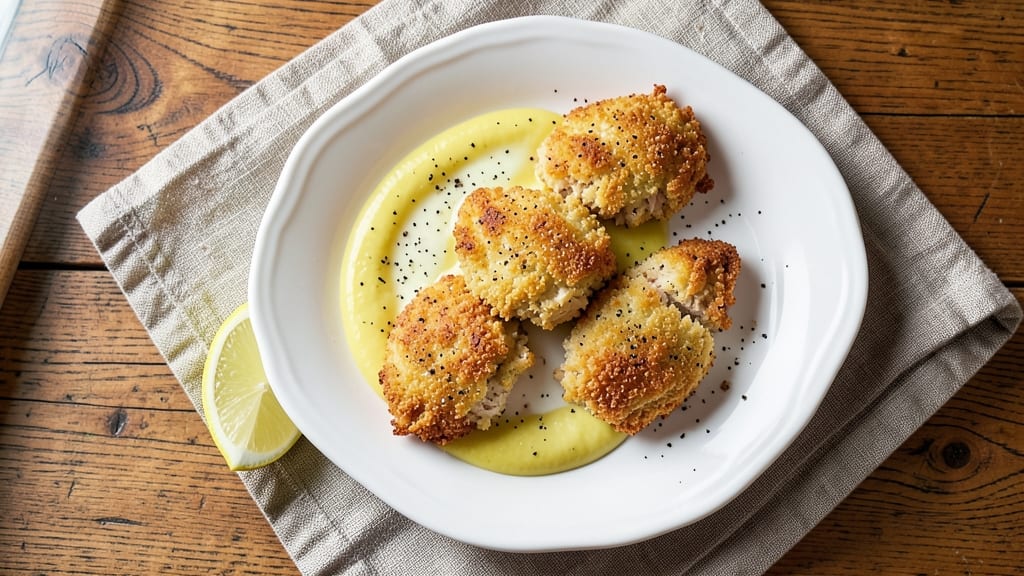
This Ina Garten crab cake recipe delivers restaurant-quality results with buttery, crispy edges and a tender interior—just like her signature dishes. The secret lies in properly formed patties and a precise frying technique that creates that golden crust without overcooking.
I’ve replicated her foolproof method, which transforms fresh lump crab into elegant, melt-in-your-mouth bites.
What sets these crab cakes apart is the balance of texture and flavor: crispy on the outside, moist inside, and finished with a bright lemon aioli that cuts through the richness.
The recipe uses simple ingredients like breadcrumbs, mayo, and Old Bay seasoning, but the technique ensures professional-level results every time. No shortcuts—just a method that’s been perfected for foolproof execution.
The real magic happens during frying, where patience pays off in perfectly golden, crispy edges that stay intact when served. Pair these with a simple arugula salad or lemon wedges, and you’ve got a dish that’s elegant enough for dinner parties but easy enough for weeknights.
The aioli adds a zesty contrast that makes each bite unforgettable.
Once you master this recipe, you’ll never buy crab cakes again—they’re that good. The key is keeping the patties together while frying, and I’ll walk you through every step to ensure success. Let’s get started on creating crab cakes that taste like they came from a high-end restaurant.
Ingredients for ina garten crab cake
Restaurant-quality crab cakes start with these simple, quality ingredients and precise technique.
| Ingredient | Amount | Notes |
|---|---|---|
| Lump Crab Meat 🦀 | 1 ½ lb | Frozen or fresh, picked over |
| All-Purpose Flour 🌾 | ½ cup | For dredging patties |
| Mayonnaise 🥚 | ½ cup | Full-fat for creaminess |
| Old Bay Seasoning 🧂 | 1 tbsp | Brand recommended for flavor |
| Fresh Lemon Juice 🍋 | 2 tbsp | Freshly squeezed preferred |
| Mayonnaise 🥚 | ¼ cup | For aioli base |
| Butter 🧈 | ¼ cup | Unsalted, melted for aioli |
| Eggs 🥚 | 1 whole | Lightly beaten for binding |
| Chopped Fresh Chives 🌿 | 2 tbsp | For aioli garnish |
| Salt 🧂 | 1 tsp | Kosher or sea salt |
| Ground Black Pepper 🌶️ | ½ tsp | Freshly ground preferred |
| Vegetable Oil 🫒 | 2 cups | For frying, neutral flavor |
The crab meat is the star, so opt for lump crab—it holds together better than chunk. Frozen works fine if fresh isn’t available, but thaw it completely first. Costco or high-end seafood markets often carry it pre-picked, which saves time. Avoid anything with added fillers or preservatives. The Old Bay seasoning is non-negotiable for that classic flavor—stick to the brand if you want authenticity. For the aioli, unsalted butter is key to control the saltiness, and fresh lemon juice elevates the zing over bottled.
No Old Bay? Mix equal parts celery salt, paprika, and thyme for a close substitute. Short on mayo? Greek yogurt at half the amount works for a lighter version. The flour is just for dredging—panko gives extra crispiness if you prefer. For the aioli, mayonnaise with mustard adds depth, but plain mayo keeps it simple. The eggs are essential for binding, so don’t skip them—even if the crab is moist, they hold the patties together during frying. And if you’re in a pinch, pre-shredded cheese can replace some of the mayo in the aioli, though it won’t be as smooth.
Keep the crab meat refrigerated until ready to use—it keeps for up to 3 days once thawed. The aioli stays fresh for 5 days in the fridge, but the crab cakes themselves are best eaten immediately after frying. Reheat gently in the oven if you must save leftovers, but they’re at their best right out of the pan. Store flour and spices in airtight containers away from heat to preserve their potency. And if you’ve got extra aioli, freeze portions in ice cube trays for quick use later—it reheats beautifully when thawed.
Why You'll Love This Recipe
- I know what you’re thinking: “But what if I have leftovers?” No worries—store them for up to 2 days, then reheat in a skillet until crispy again. The aioli? Stays fresh for 5 days, so you’re covered for seconds. Zero waste, zero guilt.
- No-Fuss Crispiness: I can’t overstate how unfussy this recipe is—just mix, chill, and fry. The flour dredge gives those cakes that perfect crunch without needing a fancy technique, and the 30-minute rest? Game-changer. No overmixing, no stress.
- Old Bay Magic: That 1 tablespoon of Old Bay isn’t just seasoning—it’s the secret sauce. The lemon juice brightens it up, and the full-fat mayo keeps everything creamy. Trust me, the flavor combo hits different, like a coastal breeze in every bite.
- Weeknight Crowd-Pleaser: These aren’t just for fancy dinners. I’ve served them at potlucks, game nights, and even my daughter’s soccer games (she picks out the chives now). Four patties feed a crowd, and the aioli? Instant dipping station. No excuses.
Step-by-step instructions for Ina Garten crab cakes
Here's how to create golden, crispy crab cakes with a tender interior and bright lemon aioli.
Prepare the Crab Cake Mixture
In a large bowl, gently combine the 1½ lb lump crab meat with the ½ cup mayonnaise, 1 tbsp Old Bay seasoning, 2 tbsp fresh lemon juice, 1 tsp salt, and ½ tsp ground black pepper. Use your hands to mix just until the ingredients come together—avoid overworking the crab, which can make the cakes dense. The mixture should be moist but not soupy.
Next, fold in the ½ cup all-purpose flour and the 1 lightly beaten egg until fully incorporated. The batter should hold its shape when pressed lightly between your fingers. If the mixture feels too loose, add an additional 1 tablespoon of flour to help the cakes maintain structure during frying. Transfer the mixture to the refrigerator and let it rest for 30 minutes—this chilling step ensures the crab cakes hold together better when cooked.
Shape and Dredge the Crab Cakes
Using a ¼-cup measuring scoop, portion the chilled crab mixture into 4 equal patties, gently shaping each into a ½-inch thick round. Place them on a parchment-lined plate and return them to the refrigerator while you prepare the dredging station. This thickness guarantees a crispy exterior while keeping the interior tender.
Set up a dredging station by placing the ½ cup all-purpose flour in a shallow dish. Lightly coat each crab cake in the flour, pressing gently to adhere. This step creates a golden-brown crust that seals in moisture and adds texture. Work quickly to avoid warming the crab cakes too much before frying.
Fry to Golden Perfection
Heat 2 cups vegetable oil in a large skillet over medium heat until the oil registers 350°F on an instant-read thermometer. The oil should be hot enough to create small bubbles around the edges of the crab cakes when added—this ensures a crispy exterior. Fry 2 crab cakes at a time, being careful not to overcrowd the pan, as this can lower the oil temperature and result in greasy cakes.
Cook for 3-4 minutes per side, until the crab cakes are deep golden brown and crispy. They should release easily from the pan and have a firm texture when pressed gently with a spatula. Transfer the cooked crab cakes to a paper towel-lined plate to drain excess oil. Repeat with the remaining crab cakes, maintaining the 350°F oil temperature between batches. Keep the fried crab cakes warm in a 200°F oven while you prepare the aioli.
Make the Lemon Aioli
In a small saucepan, melt the ¼ cup butter over low heat until fully liquid but not browned. Remove from heat and let it cool slightly. In a separate bowl, whisk together the ½ cup mayonnaise and the melted butter until smooth. Gradually add the 2 tbsp fresh lemon juice, whisking constantly to emulsify the mixture. The aioli should be thick, creamy, and bright yellow in color.
Stir in the 2 tbsp chopped fresh chives and season with an additional ¼ tsp salt and ½ tsp ground black pepper if needed. Taste and adjust the lemon or salt to balance the flavors—you want a bright, tangy aioli that complements the sweetness of the crab. Transfer the aioli to a small serving bowl and cover with plastic wrap, pressing it directly onto the surface to prevent a skin from forming.
Serve Immediately
Serve the crispy crab cakes immediately, accompanied by the lemon aioli for dipping. The crab cakes should be golden brown on the outside with a tender, moist interior. Arrange them on a platter and drizzle any excess aioli over the top for an elegant finish. Pair with a simple arugula salad or steamed vegetables to complete the meal.
Real talk: these crab cakes are best served fresh, so don't let them sit too long after frying. The crispy edges will soften as they cool, so enjoy them while they're at their peak. If you have leftovers, store them in an airtight container in the refrigerator for up to 2 days, but reheat only in a skillet over medium heat to restore crispiness.
Pro Tips For Making Ina Garten Crab Cake
- Pick Over the Crab: I learned this the hard way—skipping this step means gritty bites that ruin the whole dish. Take those 5 extra minutes to pluck out every shell fragment, cartilage, or tiny bone from the 1.5 lb lump crab meat before mixing. Trust me, your guests will notice the difference when every bite is pure sweet crab.
- Press, Don’t Pound: When shaping the patties, resist the urge to squeeze them like you’re making meatballs. Gently press the chilled mixture into ½-inch thick rounds—too much handling turns them dense. The flour and egg are there to bind, not to replace proper technique. Think "patty," not "brick."
- Oil at 350°F or Bust: That thermometer reading isn’t optional. Oil below 350°F gives greasy, soggy crab cakes, and above? Burnt crusts in minutes. Test with a wooden chopstick—if bubbles form immediately around it, you’re ready. Two cakes max per batch, or the oil will cool faster than you can say "Old Bay."
- Lemon Aioli Insurance: Sounds weird, but it works: chill the aioli base (¼ cup mayonnaise + melted butter) for 10 minutes before adding lemon juice. Cold fat emulsifies better, so the sauce stays thick and glossy instead of breaking into greasy blobs. No one wants to dip their crab cakes in soup.
Common mistakes when making great ina garten crab cake
Overmixing the Batter
One of my biggest mistakes early on was overmixing the crab mixture—it made the cakes dense and rubbery instead of tender. The key is to gently combine ingredients just until everything comes together.
Use your hands to mix the 1½ lb lump crab meat with mayo and seasonings, but stop before the texture becomes stiff. Overworking releases too much moisture, which weakens the structure of your patties. Trust me, a few extra seconds of mixing can ruin the whole dish! 🦀
Skipping the Chill Time
I learned the hard way that skipping the 30-minute chill before shaping the cakes leads to messy, unformed patties. The flour and egg need time to bind properly, and the crab meat benefits from resting too.
If you rush this step, the cakes will fall apart when you try to fry them. Always refrigerate the mixture after mixing and before shaping—it’s non-negotiable for Ina Garten’s foolproof method.
Inconsistent Oil Temperature
The oil temperature is everything when frying crab cakes. If it’s too cool (below 350°F), your cakes will absorb oil and turn greasy. If it’s too hot, they’ll burn on the outside before cooking through.
Use an instant-read thermometer to check the oil temperature between batches, and adjust the heat as needed. I keep a small notepad handy to track the temperature—it’s worth the effort for perfect results.
Overcrowding the Pan
Frying more than 2 crab cakes at a time in the same pan drops the oil temperature dramatically, leading to soggy cakes. The oil needs to stay hot enough to create that beautiful golden crust.
If you must cook more at once, use two separate pans or fry in batches. This might take a little longer, but it’s worth the patience—your cakes will thank you! 🔥
Underseasoning the Aioli
The aioli is what makes these crab cakes shine, but I’ve seen people rush the seasoning. Taste the lemon aioli before serving and adjust the salt or lemon juice as needed. A well-balanced aioli should be tangy but not overpowering.
I always add a pinch of salt and a squeeze of extra lemon juice at the end—it’s the little details that elevate the dish from good to great.
Nutrition facts
Frequently asked questions
Why does the recipe call for chilling the crab cake mixture?
The 30-minute chill is crucial for structure—it lets the flour and egg bind properly while the crab meat rests. Without this step, the patties may fall apart during frying. Think of it as letting the ingredients "settle" before cooking for perfect texture!
Can I substitute panko flour for all-purpose in the recipe?
Panko adds extra crispiness to the crust, though it won't change the flavor. Just use the same ½ cup measurement—it'll create even more satisfying crunch on those golden edges.
What's the best way to reheat leftover crab cakes?
Skip the microwave—reheat in a skillet over medium heat for 2-3 minutes per side. This restores the crispy exterior while keeping the inside tender. Add a splash of water to the pan for extra moisture if needed!
How do I know when the frying oil is ready?
Test with a small piece of flour-dredged crab mixture—it should sizzle immediately and turn golden in 30 seconds. The oil should register 350°F on a thermometer. Keep it hot between batches for perfect results!