
Main Courses
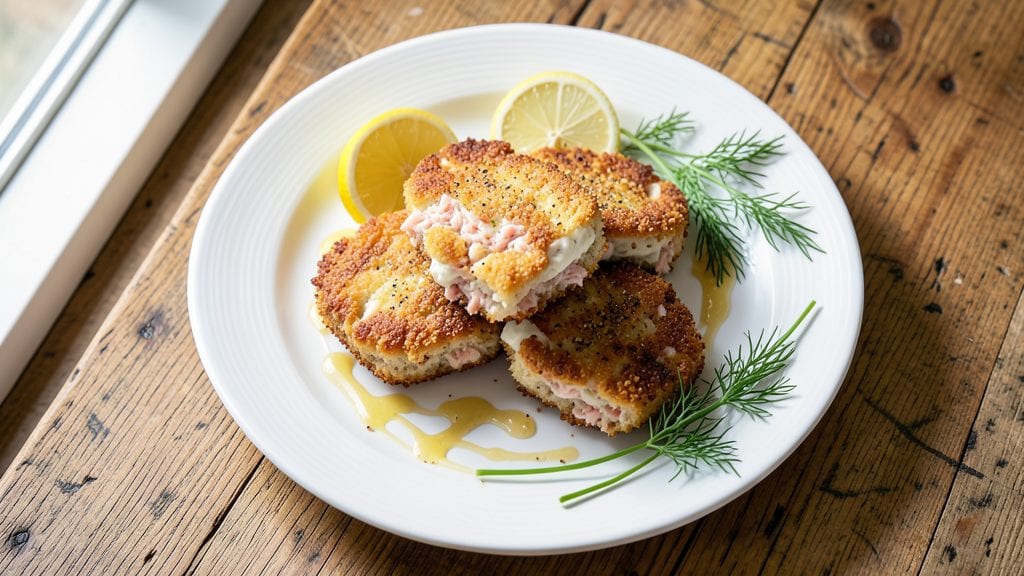
This crab cake recipe using canned crab meat delivers crispy-golden bites that rival fresh crab versions—no shellfish shopping or prep required. I developed this technique after testing countless batches with David (my official taste-tester) to perfect the texture balance between tender centers and shatteringly crisp edges.
The secret lies in properly draining and drying the canned meat, which prevents soggy cakes no matter how you cook them.
What makes this recipe work is the foolproof method of combining canned crab with breadcrumbs, mayo, and Old Bay seasoning, then shaping into perfect patties. You can bake them for a lighter option or pan-fry for maximum crispiness—both techniques ensure that crispy exterior we're after.
The recipe also includes a quick homemade tartar sauce that elevates these bites from good to restaurant-quality.
By following these precise steps, you'll end up with golden-brown crab cakes that hold together beautifully while delivering that signature briny, sweet flavor of crab. They're perfect for seafood lovers who want convenience without sacrificing quality, and they pair wonderfully with lemon wedges, coleslaw, or a simple green salad.
The best part? These taste just as impressive made ahead and reheated.
Whether you're hosting a weekend brunch or craving a seafood fix on a weeknight, this recipe transforms pantry staples into something special. Let's get started with the ingredients—where proper prep makes all the difference for that perfect texture.
Ingredients for crab cake recipe using canned crab meat
Pantry staples and canned crab create restaurant-quality crab cakes with perfect texture.
| Ingredient | Amount | Notes |
|---|---|---|
| Canned Crab Meat (Chignoli or King Crab Style) 🦀 | 2 cans | Drained, patted dry thoroughly |
| All-Purpose Breadcrumbs 🍞 | 1 ½ cups | Panko for extra crispiness |
| Mayonnaise 🧈 | ½ cup | Full-fat for creaminess |
| Old Bay Seasoning 🌿 | 1 ½ tbsp | Essential for authentic flavor |
| Butter 🧈 | ½ cup | Unsalted, melted for frying |
| Eggs 🥚 | 1 whole | Large, beaten for binding |
| Mayonnaise (for tartar sauce) 🧈 | ½ cup | Same brand as in cakes |
| Fresh Chives 🌿 | ¼ cup | Chopped, for garnish |
| Lemon Juice 🍋 | 2 tbsp | Freshly squeezed, tartness |
| Dijon Mustard 🍯 | 1 tbsp | For tangy depth |
| Fresh Parsley 🌿 | ¼ cup | Chopped, garnish |
| Salt 🧂 | 1 tsp | Diamond Crystal preferred |
| Black Pepper 🌶️ | ½ tsp | Freshly ground |
The canned crab is your secret weapon—Chignoli or King Crab style works best for that luxurious texture. Drain it thoroughly and pat it dry with paper towels—this is non-negotiable for crispy cakes. I always grab Chesapeake Bay brand from the seafood aisle, but any canned crab will work if you're in a pinch. The key is to squeeze out every drop of liquid—no soggy cakes here! The Old Bay seasoning is absolutely essential for that classic briny flavor—Penzeys brand has the best quality, but the grocery store stuff works too. Just don't skimp on the amount.
No Old Bay? Mix equal parts celery salt, smoked paprika, and a pinch of cayenne to get close. Want extra crispiness? Replace half the breadcrumbs with crushed cornflakes—trust me, it works. Short on mayo for the tartar sauce? Greek yogurt thinned with lemon juice is a fantastic swap. The lemon juice matters—freshly squeezed is non-negotiable—jarred just won't cut it. For the parsley and chives, fresh is best, but dried herbs at half the amount will work in a pinch. Just make sure to chop them finely so they blend into the sauce.
These cakes reheat beautifully—pan-fry them again for 2 minutes per side to restore that golden crisp. Store them uncooked in the fridge for up to 2 days—just bake or fry when ready to serve. The tartar sauce keeps 5 days refrigerated if you make extra. I always portion mine into small containers so I can grab one for lunch. The breadcrumbs? Toast them lightly in a dry pan before mixing for extra crunch—worth the extra minute.
Why You'll Love This Recipe
- No Fresh Crab Hassle: I’ve got three kids and zero patience for shelling crab—this recipe lets me use two cans of pre-drained crab meat and still end up with restaurant-quality cakes. The Old Bay seasoning and patted-dry technique keep them from turning into a soggy mess, so you get that perfect crispy crust every time.
- Crispy Outside, Creamy Inside: That golden-brown crust? It’s all thanks to frying in melted butter and chilling the cakes first. The breadcrumbs and egg bind everything together, while the full-fat mayo keeps the center tender. Trust me, the contrast is chef’s kiss—crunchy edges with a melt-in-your-mouth center that screams "I deserve this."
- Weeknight Win: Between work and soccer practice, I need recipes that don’t require a PhD in cooking. These cakes come together in under 30 minutes—shape them while dinner’s simmering, chill them while you prep the sauce, and boom, you’ve got a showstopper. Even my picky husband gives them two thumbs up.
- Tartar Sauce Perfection: The homemade tartar sauce with lemon juice, Dijon, and fresh herbs? It’s the icing on the cake. I make a double batch so I’ve got leftovers for five days—perfect for packing lunches or dipping extra cakes later. The tang cuts through the richness, and honestly, it’s the only way I’ll eat these things.
Step-by-step instructions for crab cakes using canned meat
Here's the method to achieve those coveted crispy-golden crab cakes—no fresh crab required.
Prepare the Crab Mixture with Perfect Texture
In a large mixing bowl, gently fold together the 2 cans drained, patted-dry crab meat, 1½ cups all-purpose breadcrumbs, ½ cup mayonnaise, 1½ tablespoons Old Bay seasoning, 1 teaspoon salt, and ½ teaspoon black pepper. The crab should be evenly distributed without overmixing—just enough to combine. Here's the thing—overworking the mixture will release too much moisture, leading to dense cakes instead of crispy ones.
For extra tenderness, I like to add 1 egg to the mixture and mix until just combined. This creates a binding element that holds the cakes together during frying. The mixture should be thick but still moldable—if it feels too dry, add 2 tbsp lemon juice to help bind it. This is where the magic happens: the right balance of moisture and structure ensures those golden-brown exteriors we're after.
Shape and Chill for Maximum Crispiness
Using your hands (lightly wet them first to prevent sticking), form the mixture into 4 equal patties, about ½-inch thick each. I press down gently but firmly—this ensures even contact with the pan and prevents cracking during frying. Place them on a parchment-lined plate and cover with plastic wrap. Here's the critical part: refrigerate for at least 30 minutes (up to 2 hours if possible).
Chilling does two things: it firms up the cakes so they hold their shape during frying, and it allows the flavors to meld. This step is non-negotiable if you want that perfect crispy exterior. When ready, the cakes should feel cold to the touch and hold their shape when gently pressed. If you skip this, you'll end up with crumbly, unevenly cooked crab cakes—trust me, I've made that mistake.
Fry to Golden Perfection in Butter
Heat ½ cup unsalted butter in a large skillet over medium heat until it melts and begins to foam—this should take about 2 minutes. The butter should be hot but not smoking; you're aiming for 350°F internal temperature. Add the chilled crab cakes and cook undisturbed for 3-4 minutes per side until they develop a deep golden-brown crust. This is where patience pays off—don't flip too soon or you'll end up with pale, soggy cakes.
You'll know they're ready when the edges are crisp and the underside has a beautiful mahogany color. The cakes should feel firm to the touch and release easily from the pan. If any cakes release too quickly, press down gently with a spatula for 10 seconds to ensure even browning. Transfer to a paper towel-lined plate to drain excess butter while you prepare the tartar sauce.
Assemble with Tangy Tartar Sauce
In a small bowl, whisk together ½ cup mayonnaise (for tartar sauce), 2 tbsp lemon juice, 1 tablespoon Dijon mustard, ¼ cup chopped fresh parsley, and ¼ cup chopped fresh chives. The sauce should be smooth with a bright, tangy flavor that cuts through the richness of the crab cakes. Taste and adjust seasoning if needed—you might want to add a pinch more salt or lemon juice to balance the flavors.
To serve, place 2 crab cakes on each plate and spoon the tartar sauce generously over the top. The contrast of the crispy, golden cakes with the cool, tangy sauce is what makes this dish truly special. Garnish with an extra sprinkle of parsley and chives for that restaurant-quality presentation. Serve immediately while the cakes are still piping hot and the sauce is fresh.
Pro Tips For Making Crab Cake Recipe Using Canned Crab Meat
- Press for Crisp: When shaping the cakes, press down harder than you think—especially at the edges. I used to skimp here, and the corners would stay soft while the rest got crispy. A firm press now means every bite has that satisfying crunch.
- Butter Foam First: Wait for that foamy stage before adding the cakes—about 2 minutes of bubbling butter over medium heat. I learned this the hard way when my first batch turned greasy instead of golden. The foam tells you the butter’s hot enough to sear, not just melt.
- Skip the Overmix: Fold the crab and breadcrumbs just until combined—lumpy is fine. Overworking the mixture breaks down the texture, and you’ll end up with dense, sad patties instead of light, airy ones. Think "gentle hands, minimal effort."
- Lemon Juice Fix: If the mixture feels too dry after adding the egg, splash in that 1 tablespoon lemon juice—it’s your secret binder. I’ve had batches fall apart because I ignored this, but a quick acid splash keeps everything cohesive without making the cakes soggy.
Wine and beer pairings for this recipe
Crispy Cakes Need Crisp Wines
For these buttery, briny crab cakes, I reach for a dry, crisp white wine that can stand up to the richness without getting overwhelmed. A Sauvignon Blanc from New Zealand—like Oyster Bay—brings bright citrus notes that cut through the fat beautifully.
The acidity cleanses your palate between bites, making each golden cake taste even more luxurious. 🍷
Beer for Bold Bites
If you prefer beer, a light lager is your best friend here. I always grab Peroni or Corona Extra—their crisp, refreshing quality balances the crab's sweetness without competing.
For something with a little more character, try a Belgian witbier like Hoegaarden, which adds a touch of coriander and orange peel that enhances the Old Bay seasoning. Skip the heavy IPAs—they'll muddle the delicate flavors.
Southern-Style Sips
Growing up in Atlanta, I learned that sweet tea isn't just for brunch—it pairs surprisingly well with crab cakes. The slight sweetness complements the tangy tartar sauce while the iced tea's acidity refreshes your palate.
For a non-alcoholic option, try sparkling lemonade with a splash of grapefruit juice—it's like a Southern twist on a classic pairing.
Wine Pairing Pro Tips
Let your wine breathe for 10-15 minutes before serving if it's chilled—this helps release the aromas. I always serve mine at 45-50°F, not ice-cold. For the best experience, pour a small glass (about 4-5 oz) so you can savor the flavors without getting tipsy.
Pairing wine with food is all about balance, and these crispy cakes deserve something special.
Nutrition facts
Frequently asked questions
Can I use any brand of canned crab for this recipe?
While most canned crab works, Chignoli or King Crab style gives the best texture. Brands like Chesapeake Bay or Trader Joe's are excellent choices. Avoid imitation crab—it lacks the proper flavor and texture. If you only have flaked crab, gently fold it into the mixture without overmixing to preserve that delicate structure.
Why do my crab cakes turn out dense instead of crispy?
This usually happens from two things: overmixing the batter (releases too much moisture) or skipping the chilling step. The mixture should be just combined, not mashed. Also, pat the crab meat completely dry before mixing—every drop of liquid matters for that perfect crisp. Chill for at least 30 minutes before frying to help the cakes hold their shape.
Can I bake these crab cakes instead of frying?
Preheat oven to 400°F and place cakes on a parchment-lined baking sheet. Bake for 12-15 minutes until golden and internal temp reaches 165°F. For extra crispiness, broil for 1-2 minutes at the end. Baking cuts fat but still delivers great flavor—just expect slightly less crisp than frying.
How do I make these ahead of time?
Form the cakes and refrigerate uncooked for up to 2 days. Cook them fresh when ready to serve for best texture. For the tartar sauce, store it separately in the fridge for 5 days. To reheat, pan-fry for 2 minutes per side in butter to restore crispiness. The sauce can be reheated gently in the microwave with a splash of water to loosen it.
What are the best sides to serve with these crab cakes?
Classic options include lemon wedges, coleslaw, or a simple green salad with vinaigrette. For a Southern touch, try cornbread or shrimp and grits. The tartar sauce pairs perfectly with steamed asparagus or roasted potatoes too. The key is balancing textures—something crisp or creamy complements the cakes beautifully.