
Desserts
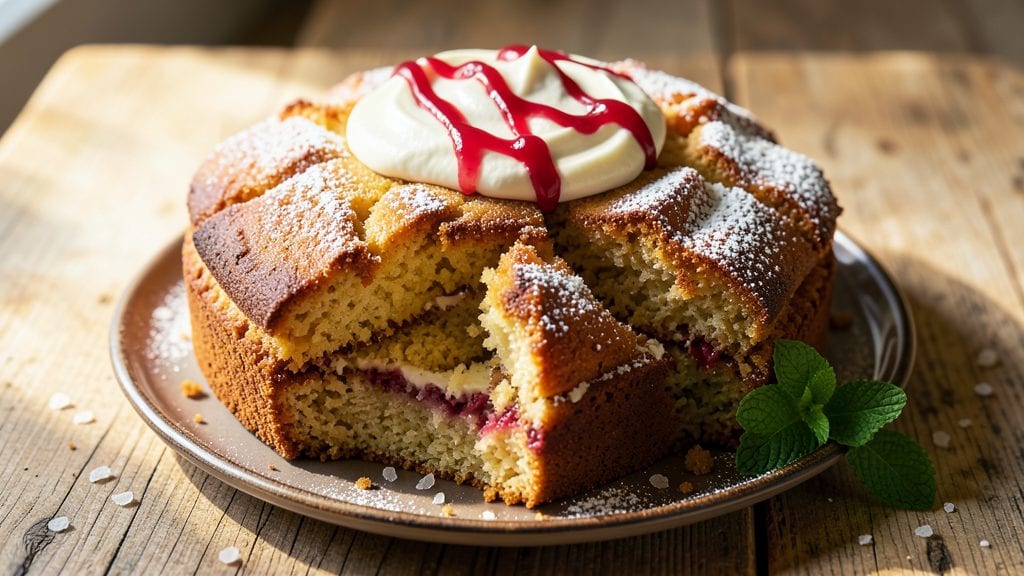
Grandma’s sour cream pound cake recipe delivers layers of ultra-moist vanilla perfection that tastes like childhood nostalgia in every slice. ✨ The secret lies in the sour cream—it keeps the cake tender and rich while balancing the sweetness, just like she always made.
I’ve perfected this version after years of baking trials, ensuring every bite stays perfectly moist without turning dense.
What makes this recipe special is the foolproof method that guarantees consistent results, even for beginners. The cake bakes up golden with a fine crumb and a subtle vanilla aroma that fills the kitchen.
The sour cream not only adds moisture but also creates that signature tender texture that separates this from ordinary pound cakes.
By the time it cools, you’ll have a cake that’s rich, moist, and irresistibly fluffy—ideal for slicing into thick layers or serving as-is with a dusting of powdered sugar.
The vanilla kiss is subtle yet unmistakable, making it perfect for celebrations or everyday treats. Here’s how to recreate Grandma’s legendary cake at home.
Once baked, this cake holds up beautifully for days, making it perfect for meal prep or gifting. Pair it with fresh berries, whipped cream, or a simple glaze for extra indulgence.
The recipe includes optional variations for those who love a little extra flavor—like adding citrus zest or a hint of almond extract. Let’s get baking!
Ingredients for grandma's sour cream pound cake
Pantry staples plus a few key ingredients for that legendary Grandma-style moisture.
| Ingredient | Amount | Notes |
|---|---|---|
| All-Purpose Flour 🌾 | 3 cups | Sifted for light texture |
| Sour Cream 🥛 | 1 cup | Full-fat for richness |
| Granulated Sugar 🍚 | 2 cups | Superfine preferred |
| Unsalted Butter 🧈 | 1 cup | Room temperature, cubed |
| Pure Vanilla Extract 🌸 | 2 tsp | Bottled or imitated |
| Large Eggs 🥚 | 4 whole | Room temperature |
| Baking Powder 🧂 | 2 tsp | Aluminum-free preferred |
| Salt 🧂 | ½ tsp | Fine sea salt |
| Milk 🥛 | ½ cup | Whole milk preferred |
| Powdered Sugar 🍚 | ¼ cup | For dusting |
| Almond Extract 🌿 | ½ tsp | Optional, for depth |
The sour cream is non-negotiable—it’s what makes this cake ultra-moist and tender. Full-fat works best (none of that low-fat nonsense), and I always grab the largest tub at Costco for baking projects. The butter should be room temperature—press it once with your finger to test. If it leaves a slight indentation, you're good. For vanilla, bottled extract has more complexity than imitation, but both work. The flour? Sift it first—this prevents dense layers and ensures that fine crumb you crave.
No sour cream? Plain Greek yogurt at half the amount gets you close, though texture won’t be identical. Short on butter? Vegetable oil at the same weight works, but the cake will lack richness. The almond extract is optional but worth it for that nostalgic depth—if you skip it, boost vanilla to 3 teaspoons. For the powdered sugar, Domino brand is my go-to because it’s fine and clump-free. If you’re using superfine sugar, you can reduce the regular granulated sugar by 1/4 cup, but I prefer the classic texture here.
This cake keeps beautifully—3-4 days at room temperature wrapped in foil, or 1 week in the fridge. For longer storage, slice it and freeze portions for up to 3 months. I like to dust the top with powdered sugar right after baking (while still warm) for that classic Grandma touch. Leftovers? Toast slices lightly to revive texture—works like magic.
Why You'll Love This Recipe
- I’ll be real: the almond extract is the secret weapon here. It’s subtle but transforms the vanilla into something nostalgic, like a warm hug in cake form. And the butter-sugar base? Creamed just right, it’s the kind of flavor that makes people ask, “What’s in it?” when they take their second slice.
- No-Fuss Richness: Between us, this recipe is that cake—no fancy techniques, just 3 cups of flour and that magic combo of sour cream and butter that makes it rich without being greasy. The sour cream doesn’t just add moisture; it keeps the crumb tender for days, so you’re not stuck with dry cake leftovers.
- Vanilla-Almond Magic: I’ll be real: the almond extract is the secret weapon here. It’s subtle but transforms the vanilla into something nostalgic, like a warm hug in cake form. And the butter-sugar base? Creamed just right, it’s the kind of flavor that makes people ask, “What’s in it?” when they take their second slice.
- Feed the Crowd: This isn’t just a solo treat—it’s the cake that disappears at potlucks, birthday parties, or even when you’re hosting “just friends.” Two 9-inch layers feed a crowd without looking like you slaved over it, and the powdered sugar glaze? Instantly makes it look festive for any occasion.
Step-by-step instructions for Grandma's sour cream pound cake
Here's how to create tender, ultra-moist layers with that classic vanilla-almond flavor.
👨🍳 Step 1: Prepare the Butter and Sugar Mixture
In a stand mixer fitted with the paddle attachment, beat the 1 cup unsalted butter (cut into cubes) and 2 cups granulated sugar on medium speed for 3-4 minutes. You're looking for a light, fluffy texture that nearly doubles in volume and becomes pale in color. This creaming process incorporates air, which creates those signature tender layers.
Here's the thing—don't rush this step. The butter should be completely smooth with no graininess remaining. If your butter isn't room temperature, you'll end up with dense cake instead of that classic pound cake texture. I like to check it by pressing a finger into the butter—it should leave a slight indent but hold its shape.
👨🍳 Step 2: Add Eggs and Extracts for Rich Flavor
Add the 4 large eggs, one at a time, mixing on low speed for 30 seconds after each addition until fully incorporated. Then add the 2 teaspoons pure vanilla extract and ½ teaspoon almond extract, mixing for another 10 seconds. The almond extract adds that subtle depth that makes this cake special—don't skip it if you want that authentic grandma flavor.
This is where the cake gets its signature richness. The extracts blend completely into the batter, so there's no need to worry about visible flecks. If your mixture looks slightly curdled after adding the eggs, that's normal—the dry ingredients will smooth everything out in the next step. Just make sure all the eggs are fully incorporated before moving forward.
👨🍳 Step 3: Combine Wet and Dry Ingredients
In a separate bowl, whisk together the 3 cups all-purpose flour, 2 teaspoons baking powder, and ½ teaspoon salt. With the mixer on low speed, gradually add this dry mixture to the wet ingredients, alternating with the ½ cup milk. Start and end with the dry ingredients, mixing just until combined—you should still see a few flour streaks. Overmixing develops gluten, which makes the cake tough instead of tender.
Then stir in the 1 cup sour cream by hand with a silicone spatula. The sour cream is what makes this cake ultra-moist—it adds fat and liquid without making the batter too wet. Here's where it gets fun: fold in any remaining flour if needed to reach the perfect consistency. The batter should be thick but pourable, like heavy pudding. If it's too thick, add 1-2 tablespoons milk to loosen it.
🍳 Step 4: Bake in Prepared Pans
Preheat your oven to 350°F. Generously grease two 9-inch round cake pans with butter and line the bottoms with parchment paper. Divide the batter evenly between the pans, spreading it smoothly to the edges. Tap the pans gently on the counter to release any air bubbles—this prevents domed tops.
Bake for 50-55 minutes until a toothpick inserted in the center comes out clean. The cake should be golden brown on top but still slightly springy to the touch. Don't overbake—this is where many cakes go wrong. The reason we bake at 350°F is that this temperature gives us that perfect balance of even cooking and tender crumb. If your oven runs hot, start checking at the 45-minute mark.
⏰ Step 5: Cool and Dust for Perfect Finish
Remove the cakes from the oven and let them cool in the pans for 15 minutes. Then invert them onto a wire rack to cool completely. This gradual cooling prevents cracking. While the cakes cool, make the powdered sugar glaze by whisking together the ¼ cup powdered sugar with 1-2 tablespoons milk until smooth. You want a thick but pourable consistency—like heavy cream.
Once the cakes are completely cool, drizzle or dust with the powdered sugar mixture. This final step adds that classic sweet finish and makes the cake look beautiful. For extra presentation, you can stack the layers with a thin layer of sour cream frosting if desired. The cake will keep well at room temperature for up to 3 days in an airtight container, though I doubt it will last that long!
Pro Tips For Making Grandma'S Sour Cream Pound Cake
- Test Butter First: Stick your finger in the cubed butter before creaming—it should dent slightly but hold shape. Cold butter fights your mixer, and melted butter turns the cake greasy. I learned this the hard way when my first batch came out like a brick (and I thought I’d ruined the recipe).
- Sift That Flour: Don’t skip sifting the 3 cups all-purpose flour—it’s the difference between a cake that’s light and airy and one that’s dense. I used to eyeball it, but now I sift it directly into the bowl with the baking powder and salt. Less flour streaks in the batter means fewer lumps, and fewer lumps mean fewer excuses to overmix.
- Avoid the Overmix: When folding in the dry ingredients, stop the second you see a few flour streaks left. Overmixing develops gluten, and gluten turns your tender pound cake into something closer to a breadstick. I know it’s tempting to “get it all,” but trust the process—your cake will thank you.
- Check Early, Bake Low: Start checking for doneness at 45 minutes, even if the recipe says 50-55. Ovens vary, and a toothpick that comes out clean but with a few moist crumbs is better than one that’s dry and crumbly. I’ve ruined more cakes than I’ll admit by leaving them in too long—just pull it when it’s almost done.
Wine and beer pairings for these flavors
Classic White Wine Pairings
This cake’s buttery richness and vanilla notes shine best with a crisp, dry white wine. I always reach for a Chardonnay from Burgundy, like the Domaine Leflaive, which has bright acidity to cut through the sweetness.
The oaked notes complement the almond extract, creating a harmonious balance. If Burgundy feels too fancy, a California Chardonnay with 12% ABV works wonderfully—just avoid overly buttery styles that compete with the cake. 🍷
Light Beer Complements
A German Hefeweizen like Paulaner Original is my go-to choice—its banana-clove aroma and light body refresh the palate between sweet bites. The effervescence cleanses the mouth, making each slice taste fresher.
For a craft beer option, try a Berliner Weisse with 20% tartness to contrast the cake’s sweetness. Avoid heavy lagers or stouts that might overpower the delicate flavors. 🍺
Fruity Rosé for Summer Vibes
When the weather warms up, a Provence rosé with 11-12% ABV adds a playful touch. Look for Domaine Tempier or Whispering Angel—their strawberry and citrus notes enhance the cake’s vanilla and almond undertones.
The light acidity keeps the sweetness in check while adding a refreshing twist. Perfect for a backyard gathering! 🌞
Dessert Wine Elevation
For a decadent touch, a Moscato d’Asti with 5-6% ABV feels like a nod to Grandma’s indulgence. Its peachy sweetness mirrors the cake’s vanilla, while the bubbles add a celebratory spark.
I like to serve it slightly chilled in small glasses alongside thick slices of cake. It’s the kind of pairing that makes dessert feel like a special occasion. ✨
Avoid Heavy Red Wines
While it might seem tempting, Pinot Noir or Zinfandel can clash with the cake’s delicate flavors. The tannins in reds often overpower the tender crumb and vanilla notes. If you prefer red, opt for a light-bodied Beaujolais with 12% ABV—its red fruit acidity provides a subtle contrast without dominating.
Trust me, your taste buds will thank you! 🍇
Nutrition facts
Frequently asked questions
Why does this cake stay so moist compared to other pound cakes?
The secret ingredient is the 1 cup full-fat sour cream! It adds fat and acidity that tenderizes the crumb while keeping it ultra-moist for days. Unlike regular pound cakes, this version never dries out because the sour cream creates a delicate balance of moisture without making the batter overly wet. The room-temperature butter also contributes to that light, airy texture by incorporating air during creaming.
Can I skip the almond extract and still get that grandma flavor?
You can, but you’ll miss the subtle depth that makes this cake feel authentic! The ½ teaspoon almond extract adds a warm, nutty complexity that complements the vanilla without overpowering it. If you skip it, boost your vanilla to 3 teaspoons instead to mimic that nostalgic taste. The extract blends completely into the batter, so there’s no risk of flavor clumps.
What if my batter is too thick after adding the sour cream?
No problem—just add 1-2 tablespoons milk at a time while stirring gently with a spatula. The batter should be thick but pourable, like heavy pudding. Overmixing develops gluten, so fold in the flour only until just combined. If you’re worried about density, remember that the sour cream and room-temperature butter are working together to create that signature tender crumb.
How do I prevent my cake from cracking when cooling?
Let the cakes cool in the pans for 15 minutes before inverting them onto a wire rack. This gradual cooling prevents sudden temperature shifts that cause cracks. Avoid opening the oven door too soon, and make sure your pans are evenly greased—this helps the cake release cleanly. If you notice cracks later, a thin layer of sour cream frosting between layers can hide them beautifully.