
Desserts
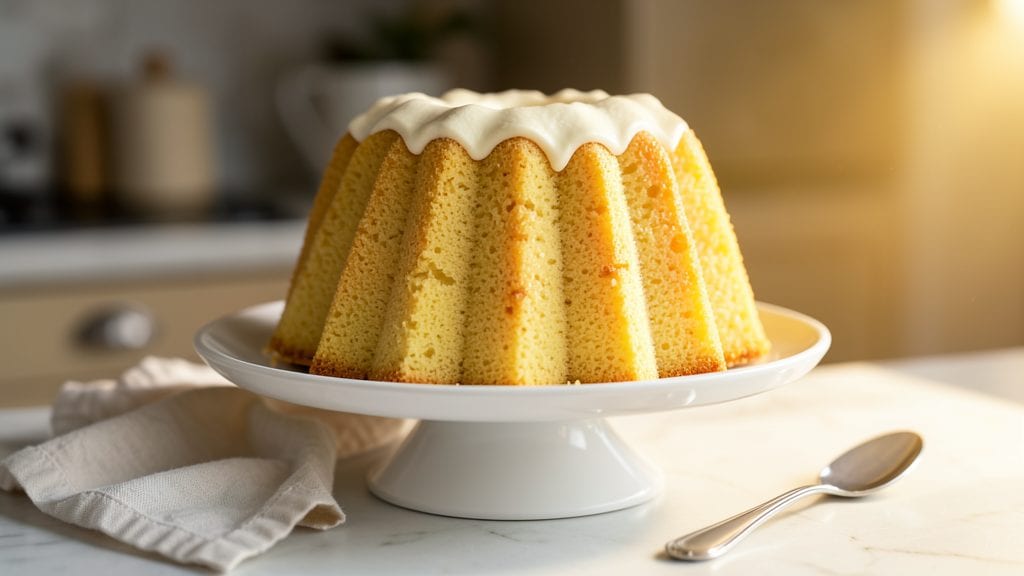
Creating a Duncan Hines-inspired lemon Bundt cake delivers that perfect balance of bright citrus and tender crumb—just like the bakery version you crave. The secret lies in a precise mix of buttery richness and zesty lemon zest, baked in a traditional Bundt pan for that signature tower shape.
I’ve perfected this recipe to ensure a moist interior with a golden, crackly top, all while keeping the prep straightforward for home bakers.
The process starts with a simple batter of flour, sugar, and eggs, where lemon juice and zest infuse every bite with that signature tang. A classic vanilla buttercream crowns the cake, adding a velvety contrast to the sharp citrus flavors.
The key to success? Greasing the Bundt pan thoroughly with butter and flour—this ensures an easy release and that iconic domed shape. Baking at 350°F guarantees a perfectly set cake without drying out the center.
What you’ll end up with is a showstopping dessert that’s light yet indulgent, with a crown of fluffy buttercream that melts in your mouth. The lemon flavor shines through without overpowering, making it ideal for brunch gatherings or as a special treat.
Serve it dusted with powdered sugar for an extra touch of elegance, or pair it with a cup of Earl Grey tea to let the citrus notes truly sing.
This recipe delivers restaurant-quality results at home, using simple ingredients and a foolproof method. Whether you’re baking for a celebration or just craving a classic, this lemon Bundt cake will become your new go-to. Let’s get started on creating that perfect citrus tower!
Ingredients for duncan hines lemon bundt cake
Buttery richness meets bright citrus. Just these simple ingredients transform into that iconic lemon Bundt tower.
| Ingredient | Amount | Notes |
|---|---|---|
| All-Purpose Flour 🌾 | 2 cups | Sifted for light texture |
| Granulated Sugar 🍚 | 1 ½ cups | White or light brown |
| Unsalted Butter 🧈 | 1 cup | Softened, full-fat preferred |
| Large Eggs 🥚 | 3 whole | Room temperature for blending |
| Fresh Lemon Zest 🍋 | 2 tbsp | From 2 medium lemons |
| Fresh Lemon Juice 🍋 | ½ cup | From 2-3 lemons, strained |
| Baking Powder 🧂 | 2 tsp | Aluminum-free preferred |
| Salt 🧂 | ½ tsp | Fine sea salt |
| Vanilla Extract 🌸 | 1 tbsp | Pure, not imitation |
| Milk 🥛 | ½ cup | Room temperature |
| Powdered Sugar 🍚 | 3 cups | For buttercream |
| Heavy Cream 🥛 | 1 cup | Cold, whipped to stiff peaks |
| Unsalted Butter 🧈 | ½ cup | Cold, cubed for buttercream |
| Vanilla Extract 🌸 | 1 tsp | For buttercream |
The butter and sugar are non-negotiable here—use full-fat butter for that classic Duncan Hines texture. I grab my butter from Kirkland Signature or Land O'Lakes for consistency, but any good brand works. For the lemons, organic is ideal—the zest has more flavor. If you can't find organic, just make sure they're fresh and firm. The milk? Whole milk adds richness, but 2% works if that's what you've got. And trust me, room temperature ingredients blend better—no one wants to deal with lumpy batter.
No fresh lemons? Bottled lemon juice works in a pinch, but add a pinch of sugar to balance the tartness. Substituting the buttercream? Cream cheese frosting is a great swap—just add powdered sugar and vanilla. For the flour, King Arthur or Bob's Red Mill brands are my go-to, but any all-purpose will do. The baking powder? Check the expiration date—old baking powder loses its lift. And if you're short on vanilla extract, vanilla bean paste adds extra depth (though it's pricier). The powdered sugar? Sift it first—clumps make for a grainy buttercream.
The batter keeps for 2 days in the fridge—just let it sit at room temp before baking. The buttercream? Makes enough for 2 cakes, so portion it out if you're not using it all. Store leftovers in an airtight container with parchment between layers. The cake itself? Best served at room temperature—let it sit for 10 minutes after baking. And if you're prepping ahead, bake the cake a day early, wrap it tightly, and bring to room temp before frosting. The flavors meld beautifully overnight.
Why You'll Love This Recipe
- No Panics Needed: Honestly, this recipe is that kind of foolproof—just sift the flour, soften the butter, and let the mixer do the heavy lifting. No fancy techniques, just room-temperature eggs and a little lemon zest magic. Even if you’ve never baked before, the instructions guide you through every step like a friend who’s already done it for you.
- Bright Citrus Bliss: The moment you pull that cake out of the oven, that lemon zest and fresh lemon juice combo hits you like a sunny afternoon. It’s not overpowering, just a bright, zesty pop that makes every bite feel like a vacation. The vanilla extract ties it all together—sweet, tangy, and just a little bit indulgent.
- Crowd-Pleasing Star: This cake isn’t just for birthdays. It’s your secret weapon for brunch, potlucks, or even a fancy dinner party (yes, even on a Tuesday night). Slice it up, and suddenly you’ve got a showstopper that everyone will ask for seconds of. And honestly? The buttercream crown makes it look like you slaved over it—when really, you just mixed and baked.
- Budget-Friendly Luxury: You already have most of these ingredients—flour, sugar, butter—so this isn’t some expensive splurge. A few lemons and some powdered sugar, and suddenly you’ve got a cake that tastes like a bakery treat. Plus, if you make it ahead, the batter keeps in the fridge for two days—perfect for when you’re too tired to bake on the spot. Win-win.
Step-by-step instructions for lemon Bundt cake
Here's how to bake a showstopping citrus cake with a velvety buttercream crown.
Whisk Dry Ingredients for Light Texture
In a medium bowl, sift together the 2 cups all-purpose flour, 2 tsp baking powder, and ½ tsp salt. This step prevents dense cake—those little air pockets make all the difference. Use a whisk to break up any lumps, then set aside. The flour should look like fine, even powder with no clumps remaining.
In a separate bowl, combine the 1½ cups granulated sugar, 2 tbsp fresh lemon zest, and 1 tbsp vanilla extract. The lemon zest will mingle with the sugar, creating bright citrus notes that'll infuse the entire cake. Give this mixture a quick stir to distribute the zest evenly throughout the sugar.
Cream Butter and Eggs for Fluffy Foundation
In a large mixing bowl, beat the 1 cup softened unsalted butter on medium speed until smooth and pale, about 2-3 minutes. This step is crucial—it incorporates air that'll help your cake rise beautifully. Scrape down the sides of the bowl with a spatula to ensure even mixing.
Add the 3 large eggs, one at a time, mixing well after each addition until fully incorporated. The mixture should thicken slightly and become lighter in color. Then, pour in the ½ cup fresh lemon juice and mix again until just combined. The lemon juice will add moisture and tanginess that balances the sweetness perfectly.
Combine Wet and Dry Ingredients Gently
With the mixer on low speed, gradually add the dry ingredients to the wet mixture. Mix just until combined—about 30 seconds—to avoid developing too much gluten, which would make the cake dense. You'll see small streaks of flour disappear as you mix.
Finally, add the ½ cup milk and mix for another 10-15 seconds until smooth. The batter should be thick but pourable. Here's the thing—don't overmix. Once the batter comes together, stop immediately. The cake will rise properly with just enough structure to hold its shape.
Prepare Bundt Pan and Bake to Golden Perfection
Preheat your oven to 350°F. Generously grease a 10-cup Bundt pan with butter or baking spray, then dust with flour, tapping out any excess. This ensures easy release later. Pour the batter into the prepared pan and smooth the top with a spatula.
Bake for 50-60 minutes, or until a toothpick inserted into the center comes out clean. The cake should spring back slightly when pressed in the center. If the top browns too quickly, tent loosely with foil after 30 minutes to prevent over-browning while the center finishes baking.
Prepare Vanilla Buttercream Crown
While the cake bakes, prepare the buttercream. In a large bowl, beat the ½ cup cold unsalted butter with an electric mixer until creamy. Gradually add the 3 cups powdered sugar, mixing on low speed until combined. Then, add the 1 cup cold heavy cream and mix until smooth.
Finally, add the 1 tsp vanilla extract and beat on high speed for 2-3 minutes until light and fluffy. The buttercream should hold its shape when spread. Once the cake cools completely, spread or pipe the buttercream over the top and sides to create that classic crown effect. The contrast of bright lemon cake with creamy vanilla buttercream is pure magic.
Pro Tips For Making Duncan Hines Lemon Bundt Cake
- Sift That Flour: I learned this the hard way—skipping the sift on the 2 cups all-purpose flour and 2 tsp baking powder leads to a dense, uneven cake. Use a fine-mesh sieve and tap the bowl gently to break up every last clump. The extra effort guarantees that light, airy crumb you’re after.
- Butter at Room Temp: The 1 cup unsalted butter needs to be truly softened—press a finger into it, and it should leave a slight indent. Too cold? Your mixer will fight you, and the cake won’t rise as high. Too soft? It’ll turn greasy. Aim for that perfect middle ground, like warm honey.
- Lemon Zest Matters: Don’t just eyeball the 2 tbsp fresh lemon zest—use a microplane and scrape only the yellow part, avoiding the bitter white pith. Too much zest? The cake tastes soapy. Too little? You’ll miss that bright, sunny flavor. Weigh it if you’re unsure, but a good rule is one medium lemon per tablespoon.
- Test for Doneness Early: After 45 minutes, stick a toothpick in the center—if it comes out with moist crumbs but no wet batter, your cake’s almost done. Pulling it out too soon guarantees a gummy middle, and no one wants to wait another 15 minutes. Better to check early and adjust than risk a soggy center.
Pro cooking tips for great duncan hines lemon bundt cake
Mastering the Buttercream Crown
The buttercream is where this cake truly shines, so don't skip the chilling step! After whipping your ½ cup cold butter and 3 cups powdered sugar, let the mixture rest for 15 minutes before adding the heavy cream.
This prevents a grainy texture and ensures a silky finish. I use a KitchenAid stand mixer with the paddle attachment for even, lump-free results. 💫
Perfecting the Bundt Pan Release
Greasing your pan is an art—don’t just slap butter and flour on there. Use a pastry brush to coat the entire 10-cup Bundt pan with melted butter, then dust generously with flour, shaking out excess.
For extra insurance, I spray the pan with Baker’s Joy non-stick baking spray before adding the batter. This prevents sticking and ensures that iconic domed shape.
Timing Your Bake Like a Pro
Bundt cakes are finicky—they brown fast but need time to set. Start checking for doneness at 45 minutes with a toothpick. If the top browns too quickly, tent it with foil after 30 minutes.
I also recommend rotating the pan halfway through baking for even browning. Overbaking is the #1 mistake here—your cake should still look slightly moist inside. 🌡️
Room-Temperature Ingredients Matter
Cold eggs or butter will make your batter clump and your cake dense. Take your 3 eggs and 1 cup butter out of the fridge 30 minutes before mixing.
The same goes for your ½ cup milk—room temperature blends smoother and incorporates air better. Trust me, this small step makes a huge difference in texture.
The Art of Mixing Dry Ingredients
Sifting your 2 cups flour and 2 tsp baking powder isn’t just about removing clumps—it’s about creating air pockets. I use a fine-mesh sieve and shake it vigorously over the bowl. This step ensures a lighter crumb and prevents a heavy cake. Don’t skip it, even if it feels tedious!
Nutrition facts
Frequently asked questions
Why does my Bundt cake stick to the pan?
Sticking happens when the pan isn’t properly greased. Always use butter or baking spray to coat the entire 10-cup Bundt pan, then dust with flour and tap out excess. For extra insurance, let the batter rest 10 minutes before baking—this helps the crust set slightly. If it still sticks, try using parchment paper on the bottom before greasing.
Can I make this cake ahead of time?
Bake the cake 1 day ahead and store it wrapped tightly at room temperature. Frost just before serving. If you need to refrigerate, let it sit at room temp for 30 minutes before frosting to prevent buttercream from melting. The flavors actually improve overnight!
What if I don’t have fresh lemons?
Use bottled lemon juice instead—just add a pinch of sugar to balance the tartness. For zest, freeze lemons (peeled) and grate directly from the freezer. The texture will be slightly different, but the flavor still works beautifully. No fresh lemons? A lemon extract in a pinch!
Why is my buttercream grainy?
Graininess comes from warm ingredients or overmixing. Always use cold butter and heavy cream and let the buttercream rest 15 minutes before adding the cream. Mix on low speed until smooth, then increase to high. If it’s too thick, add a splash of milk—just don’t overdo it!
Can I substitute whole milk for room-temperature milk?
Yes, but warm it slightly in the microwave to room temperature—cold milk can make the batter too thick. If you forget, just let the batter sit for 5 minutes before baking to even out the texture. The cake will still turn out delicious!