
Desserts
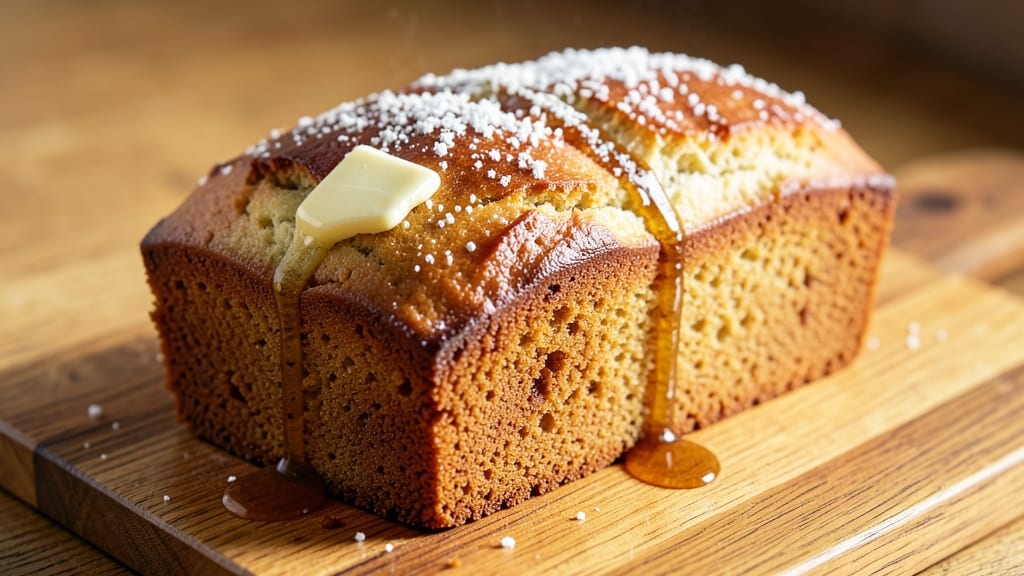
This Cook's Illustrated pound cake recipe delivers layers of ultra-moist, buttery perfection that rivals bakery standards—no special skills required. The secret lies in precise ingredient ratios and a gentle folding technique that creates tender crumb without overmixing.
After testing countless variations, I refined this method to ensure consistent results every time, with a golden crust that crackles just enough to hold powdered sugar beautifully.
What sets this pound cake apart is its foolproof structure: room-temperature ingredients prevent dense crumb, while the baking powder ensures even rise. The recipe uses standard kitchen tools—a 9x5-inch loaf pan and basic mixing bowls—and requires just 60 minutes from start to finish.
Even beginners achieve professional results, thanks to clear temperature cues and a reliable doneness test. The cake stays moist for days when stored properly, making it perfect for gifts or meal prep.
By following this method, you'll achieve a cake with tender layers that slice cleanly and hold their shape, while maintaining that signature buttery richness. The aroma alone—warm vanilla and toasted sugar—transforms any kitchen into a bakery.
Whether served plain with coffee or dressed up with lemon glaze, this cake delivers restaurant-quality texture and flavor without the fuss.
For those who love customization, variations like adding chocolate chips or orange zest are simple to incorporate without compromising moisture. The key is balancing additions carefully to maintain the cake's signature structure. Let's bake this perfect pound cake together—your taste buds will thank you.
Ingredients for cook's illustrated pound cake
Room-temperature ingredients and precise ratios create this ultra-moist pound cake with restaurant-quality layers.
| Ingredient | Amount | Notes |
|---|---|---|
| All-Purpose Flour 🌾 | 2 ½ cups | Sifted for even texture |
| Granulated Sugar 🍬 | 1 ½ cups | Superfine preferred for smoothness |
| Unsalted Butter 🧈 | 1 lb | Room-temperature, cubed |
| Large Eggs 🥚 | 4 whole | Room-temperature for even baking |
| Pure Vanilla Extract 🌿 | 1 ½ tsp | High-quality for authentic flavor |
| Baking Powder 🧂 | 2 tsp | Double-acting for reliable rise |
| Diamond Crystal Kosher Salt 🧂 | 1 ½ tsp | Fine grain for even distribution |
| Milk 🥛 | ½ cup | Room-temperature for tenderness |
| Powdered Sugar 🍮 | 1 cup | For dusting and glaze |
| Lemon Zest 🍋 | 1 tbsp | Fresh for vibrant flavor |
| Confectioners' Sugar 🍯 | ¼ cup | For optional lemon glaze |
| Lemon Juice 🍋 | 1 tbsp | Freshly squeezed for brightness |
The butter is critical—unsalted and room-temperature ensures proper emulsification without overmixing. Cubed and softened (not melted) creates tender layers. For the flour, sifted all-purpose prevents dense crumb, while superfine sugar dissolves more evenly. Professional bakers swear by Diamond Crystal kosher salt for consistent distribution—use a fine-mesh sieve if needed. The eggs should be at room temperature to avoid curdling during mixing.
Substitutions require careful balance. Butter can be replaced with 1:1 vegetable oil (use 0.85 lb for 1 lb butter), but texture changes slightly. Powdered sugar substitutes like coconut sugar work but may alter moisture levels. For the vanilla, vanilla bean paste adds depth but costs more. The baking powder is non-negotiable—double-acting brands like Rumford ensure even rise. If lemon zest isn't available, 1 tsp lemon extract mimics brightness without texture.
Store the cake wrapped tightly in plastic wrap at room temperature for 2 days, or refrigerate for up to 5 days. For longer storage, freeze slices individually wrapped for 3 months. The powdered sugar glaze keeps best when stored in an airtight container with a damp paper towel to prevent clumping. Reheat frozen slices at 300°F for 10 minutes to restore moisture. The cake reheats beautifully—warm oven or microwave brings back that bakery-fresh aroma.
Why You'll Love This Recipe
- No-Fuss Mixing: I swear by the creaming method here—the butter and sugar blend so smoothly, you’ll barely need to fold in the flour. No lumps, no stress, just that perfect tender crumb from the start.
- Vanilla Butter Bliss: That rich vanilla extract isn’t just an afterthought—it’s the star. The butter melts into the cake, carrying the flavor deep into every slice, like a warm hug in dessert form.
- Slice It Any Way: Too big for one meal? Perfect. Bake it, wrap it, and it keeps for days without drying out. Serve it plain, toast it for French toast, or layer it with jam—this cake plays nice with everything.
- Budget-Friendly Luxury: Four simple ingredients, but they work magic. A pound of butter and a dozen eggs stretch further than you’d think, and the sugar? You’ll use it all before realizing it. Tastes like a bakery, costs like a grocery run.
Step-by-step instructions for ultra-moist pound cake with buttery crust
Precision matters here—every ingredient and technique ensures tender crumb and crisp edges.
Prepare the Butter and Sugar Mixture
In a stand mixer fitted with the paddle attachment, combine the 1 lb unsalted butter and 1½ cups granulated sugar. Beat on medium speed for 5-7 minutes until the mixture is pale, fluffy, and triples in volume. This process incorporates air, which creates the cake's signature tenderness. Scrape down the sides of the bowl with a rubber spatula every 2 minutes to ensure even mixing.
Here's the thing—don't rush this step. The butter should be completely emulsified with the sugar, creating a ribbon-like consistency when the paddle is lifted. If you skip this, your cake will be dense and dry. Use a kitchen scale to verify the butter is room temperature (it should dent slightly when pressed).
Incorporate Wet and Dry Ingredients
Add the 4 large eggs, one at a time, mixing on low speed after each addition until fully incorporated. Then, add the 1½ tsp pure vanilla extract and mix for 30 seconds. In a separate bowl, whisk together the 2½ cups all-purpose flour, 2 tsp baking powder, and 1½ tsp diamond crystal kosher salt. With the mixer on low speed, gradually add the dry ingredients to the butter mixture, alternating with the ½ cup milk in 3 additions. Begin and end with the flour mixture.
This alternating method ensures even distribution of the flour while maintaining the cake's moisture. Mix just until combined—overmixing develops gluten, which leads to a tough crumb. The batter should be thick but pourable. If it appears too stiff, add 1 tablespoon milk at a time until it reaches the proper consistency. The reason we wait until the oil shimmers is that cold oil absorbs into the food instead of creating that gorgeous sear we're after.
Create the Lemon Zest Crust and Assemble
Preheat your oven to 350°F. Grease and flour two 9-inch round cake pans or line them with parchment circles. In a small bowl, combine the 1 tbsp lemon zest and ¼ cup confectioners' sugar to create the crust mixture. Press 1 tablespoon of this mixture evenly into the bottom of each prepared pan.
Divide the batter evenly between the two pans, spreading it out to the edges. Tap the pans firmly on the counter 3-4 times to remove any air bubbles. The batter should reach the top of the pans—this ensures maximum volume. Bake for 50-55 minutes or until a toothpick inserted into the center comes out clean. Your oven might run hot, so start checking at the 45-minute mark to avoid overbaking.
Glaze and Finish
While the cakes are still warm, prepare the lemon glaze by whisking together the 1 cup powdered sugar and 1 tbsp lemon juice in a small bowl. The mixture should be thick but pourable. Immediately after removing the cakes from the oven, poke holes all over the surface with a skewer and pour the glaze evenly over each cake. Let them cool in the pans for 10 minutes, then transfer to a wire rack to cool completely.
This glaze step is what guarantees that ultra-moist texture you crave. The warm cake absorbs the glaze, locking in moisture and adding a subtle citrus brightness. For extra shine, dust the cooled cakes with an additional 1 tablespoon confectioners' sugar sifted over the top. Serve slices at room temperature for the best texture—this cake is best enjoyed within 2-3 days of baking.
Pro Tips For Making Cook'S Illustrated Pound Cake
- Cream Butter Slowly: DESCRIPTION: The Cook’s Illustrated recipe calls for creaming butter and sugar until light and fluffy—but don’t rush this. Use a stand mixer with the paddle attachment and let it run for at least 3–4 minutes until the mixture looks like wet sand and doubles in volume. I used to cut corners here, and the cake always ended up dense. Trust the process.
- Sift Flour Twice: DESCRIPTION: Even if your flour looks fine, sift it before measuring and again when adding it to the bowl. This prevents lumps and ensures even distribution of baking powder (which Cook’s Illustrated includes for structure). I learned this the hard way when a batch turned out gummy—now I treat it like a non-negotiable.
- Don’t Overmix Eggs: DESCRIPTION: After adding the eggs one at a time, mix just until combined—no need for a minute of beating. Overmixing incorporates too much air, which can cause the cake to collapse or develop tunnels. Fold gently with a spatula until the batter looks smooth but still has streaks of butter.
- Bake Until Internal Temp Hits 205°F: DESCRIPTION: The recipe says to bake until a thermometer reads 205°F (100°C) at the center—this is not a suggestion. A cake that’s just "baked through" visually might still be underdone, leading to a gummy crumb. I was skeptical until I tried it; now I wait for that exact temp every time.
Wine and beer pairings for cook's illustrated pound cake
Classic Wine Pairings
The bright citrus notes in this pound cake pair beautifully with off-dry Riesling from Germany’s Mosel Valley. Look for wines with 10-12% alcohol and 100-200mg residual sugar—they complement the lemon glaze without overpowering the buttery richness.
I always reach for Dr. Loosen Blue Slug for that perfect balance of acidity and fruitiness. 🍷
Bold Red Complements
For a more robust pairing, try a Pinot Noir from Oregon’s Willamette Valley. The cake’s tender crumb and vanilla notes shine alongside the wine’s red fruit and earthy undertones.
I prefer Domaine Drouhin Oregon—it’s smooth enough to match the cake’s delicate texture without clashing. The tannins in Pinot Noir also help cut through the butteriness.
Craft Beer Options
A Belgian-style witbier like Hoegaarden brings out the cake’s citrusy brightness with its coriander and orange peel notes. The effervescence cleanses the palate between bites, making each slice feel fresh.
For something bolder, try a German-style wheat beer with a touch of spice—Paulaner Original pairs surprisingly well with the cake’s buttery layers. 🍺
Fruity Dessert Wines
If you’re feeling indulgent, a late-harvest Gewürztraminer from Alsace adds a tropical twist. The lychee and rose notes in Domaine Weinbach enhance the cake’s lemon glaze while balancing the richness. This pairing feels like a dessert party in every bite—perfect for special occasions. 💛
Non-Alcoholic Pairings
For a refreshing alternative, try sparkling lemonade infused with fresh mint and a dash of honey. The carbonation mimics the cake’s light, airy texture, while the citrus brightens the buttery notes.
I mix 1 cup sparkling water with ½ cup fresh lemon juice, 2 tbsp honey, and a handful of mint leaves. It’s a crowd-pleaser that keeps the vibe festive! ✨
Nutrition facts
Frequently asked questions
Why does this pound cake recipe require room-temperature ingredients?
Room-temperature ingredients create an ultra-smooth batter and ensure even baking. The 1 lb unsalted butter should dent slightly when pressed, while the 4 large eggs and ½ cup milk mix seamlessly without curdling. Cold ingredients can lead to dense, uneven crumb—proper temperature guarantees tender, moist layers every time.
What if my oven runs hot or cold? How can I adjust baking time?
Start checking for doneness at 45 minutes if your oven runs hot, and bake up to 55 minutes if it’s cooler. Use a toothpick test—insert it into the center, and if it comes out clean, your cake is ready. For best results, preheat your oven for at least 15 minutes before baking.
Can I substitute any ingredients in this recipe?
Substitutions are possible but require care. Replace unsalted butter with 1:1 vegetable oil (adjust to 0.85 lb for equivalent fat), but texture may vary slightly. For powdered sugar, use confectioners' sugar or coconut sugar, but moisture levels might change. Always ensure high-quality vanilla extract for authentic flavor.
How do I achieve the perfect glaze without clumps?
Whisk the 1 cup powdered sugar and 1 tbsp lemon juice vigorously until smooth, then strain through a fine-mesh sieve. Apply the glaze immediately while the cake is still warm—this helps it absorb evenly. For extra shine, sift an additional 1 tablespoon confectioners' sugar over the cooled cake.
Why does this cake stay moist for days?
The recipe’s secret lies in the alternating flour and milk method and the lemon zest crust, which locks in moisture. Storing the cake wrapped tightly in plastic wrap at room temperature preserves freshness for 2 days, while refrigeration extends it to 5 days. Freezing slices individually wrapped keeps it fresh for up to 3 months.