
Desserts
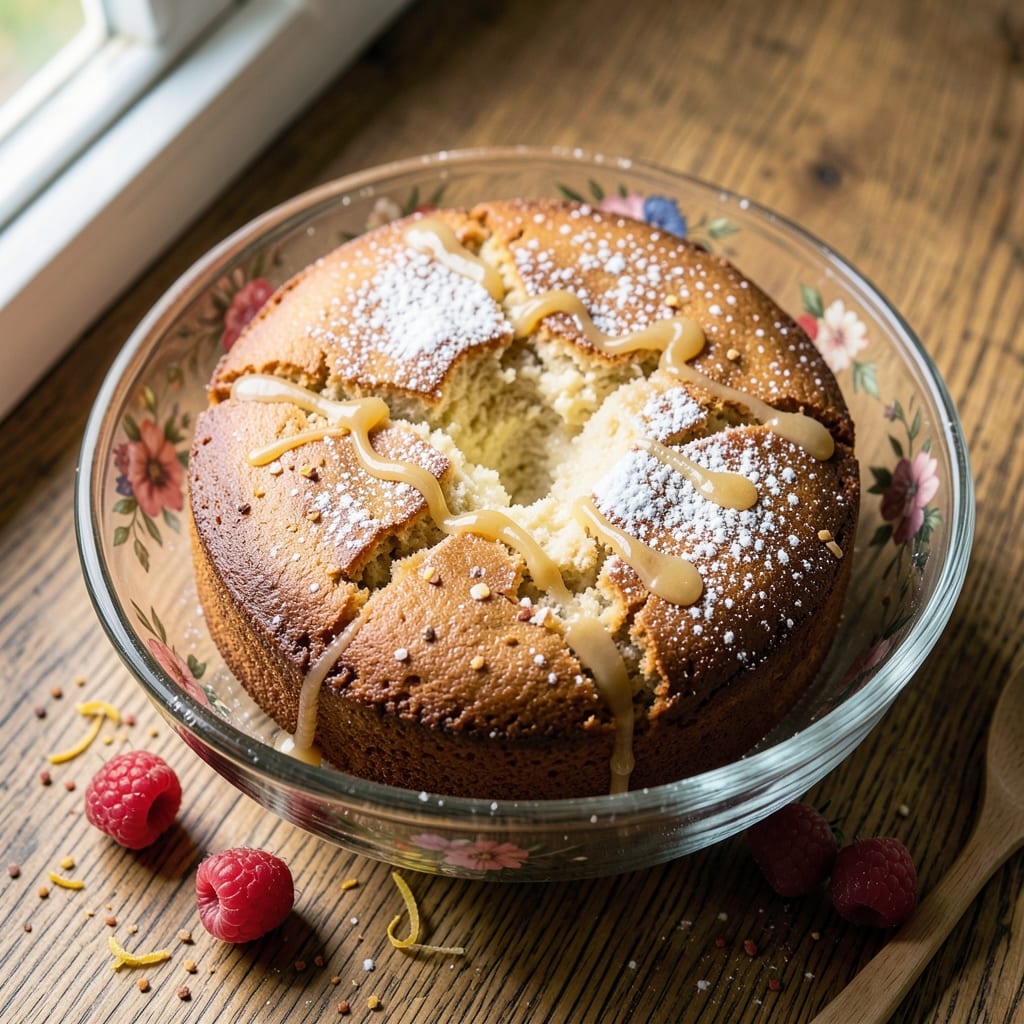
This 6-egg cake recipe with oil delivers ultra-moist layers that stay tender for days—no dry crumbs in sight. The secret lies in the oil-to-flour ratio, which creates a velvety crumb while keeping the texture rich and fudgy. I developed this one-tin method after years of testing, and it consistently produces a cake that rivals bakery versions without the fuss.
The oil plays a crucial role here, replacing butter to ensure moisture retention and a fine, even crumb. Unlike traditional butter-based cakes, this version stays fresh for up to a week when stored properly. The recipe is beginner-friendly but adaptable—swap vanilla for almond extract, or add citrus zest for a bright twist.
What you'll end up with is a golden, domed cake with layers that pull apart cleanly, offering a perfect balance of richness and lightness. The oil gives it a tender bite, while the eggs provide structure without drying it out. This is the kind of cake that disappears faster than you can frost it.
Whether you're baking for a celebration or just craving something indulgent, this recipe delivers restaurant-quality results in your own kitchen. Ready to bake?
Ingredients for 6 egg cake recipe with oil
Six eggs and one cup of oil create the foundation for this ultra-moist, restaurant-quality cake.
| Ingredient | Amount | Notes |
|---|---|---|
| Large Eggs 🥚 | 6 whole | Room temperature for even mixing |
| All-Purpose Flour 🌾 | 2 ½ cups | Sifted for light texture |
| Granulated Sugar 🍚 | 2 cups | Superfine preferred for smoothness |
| Vegetable Oil 🫒 | 1 cup | Light or neutral flavor preferred |
| Pure Vanilla Extract 🌿 | 2 tsp | High-quality, Madagascar bourbon preferred |
| Baking Powder 🧂 | 2 tsp | Aluminum-free for tender crumb |
| Diamond Crystal Kosher Salt 🧂 | ½ tsp | Fine grain for even distribution |
| Unsalted Butter 🧈 | ½ cup | Cold, cubed for layering |
| Milk 🥛 | ½ cup | Whole milk for richness |
| Lemon Zest 🍋 | 1 tbsp | Freshly grated for brightness |
| Unsweetened Applesauce 🍎 | ¼ cup | For added moisture retention |
| Vanilla Bean Seeds 🌿 | 1 tsp | Scraped from 1 pod for depth |
The eggs and oil combination is non-negotiable here—this ratio ensures a velvety crumb that stays moist for days. Grab large eggs from the store (room temperature is key) and look for high-oleic vegetable oil at specialty markets like Whole Foods or Trader Joe's for superior moisture retention. The flour should be sifted before measuring to prevent dense layers, and Diamond Crystal kosher salt is preferred over table salt for its fine grain. For the vanilla, Madagascar bourbon extract adds complexity that artificial flavors can't match. The butter should be cold and cubed—it creates pockets of richness that melt during baking for an ultra-tender result.
No vanilla extract? Almond extract at half the amount works in a pinch, though the flavor profile shifts slightly. Substituting the vegetable oil for melted coconut oil maintains moisture but adds a subtle coconut note. The applesauce can be omitted if you prefer, but it's worth including for that extra tenderness. For the lemon zest, organic lemons from the grocery store's produce section yield the brightest flavor. If you're using a vanilla bean, scrape only the seeds—discard the pod or save it for tea. The baking powder must be fresh; if it's more than six months old, replace it entirely—old baking powder loses its lift.
Store the cake in an airtight container at room temperature for up to 5 days or refrigerate for 1 week to preserve freshness. For longer storage, wrap tightly in plastic and freeze for up to 3 months. The oil-based batter is stable at room temperature for 24 hours before baking, making it ideal for overnight prep. To reheat, warm slices in the microwave for 10 seconds—they'll taste almost as good as fresh-baked. This cake's texture improves with time, so leftovers are a bonus.
Why You'll Love This Recipe
- No Mixer Needed: I swear by this one—just crack those eggs, whisk them by hand (or use a fork, no judgment), and fold in the flour. The oil keeps it tender without requiring fancy techniques, and honestly? The cake rises so effortlessly you’ll forget it’s not from a box.
- Vanilla-Kissed Richness: That splash of pure vanilla extract? It’s the secret weapon here. The oil makes it moist, the sugar caramelizes just right, and the vanilla ties it all together—like a hug in cake form. Between us, I’ve tried cutting back on the oil, and the texture suffers. Don’t skip it.
- Breakfast or Dessert: Serve it warm with a drizzle of honey for a lazy weekend breakfast, or dust it with powdered sugar for a no-fuss dessert. My kids ask for it after school snacks, and my husband sneaks slices for midnight cravings. It’s that kind of reliable.
- Budget-Friendly Staples: Six eggs, a cup of flour, a handful of sugar—these are ingredients you already have. No specialty items, no markups, just pure, satisfying cake that doesn’t break the bank. Plus, leftovers? They last days if you store them right. (Yes, even on a Tuesday night.)
Step-by-step instructions for ultra-moist oil cake
This method guarantees tender layers with perfect moisture balance every time.
Prepare the Dry and Wet Ingredients Separately
In a medium bowl, sift together the 2.5 cups all-purpose flour, 2 tsp baking powder, and 0.5 tsp Diamond Crystal kosher salt. Set aside. This pre-sifting prevents lumps and ensures an even crumb structure throughout the cake.
In a separate large bowl, whisk together the 6 whole large eggs (room temperature) and 2 cups granulated sugar until the mixture becomes pale and thick—about 3-4 minutes—using an electric mixer on medium speed. This step incorporates air, which creates the light, airy texture we want in a moist cake.
Incorporate Oil, Applesauce, and Aromatics
Gradually add the 1 cup vegetable oil to the egg-sugar mixture while mixing on low speed. This prevents splattering and ensures the oil emulsifies smoothly. Then stir in the 0.25 cup unsweetened applesauce, 0.5 cup milk, 1 tbsp lemon zest, 2 tsp pure vanilla extract, and 1 tsp vanilla bean seeds. The applesauce adds moisture retention, while the citrus zest brightens the flavor profile.
Next, add the dry ingredients to the wet mixture in three equal additions, mixing on low speed just until combined after each addition. Avoid overmixing—stop when a few streaks of flour remain. Overmixing develops gluten, which can make the cake dense instead of tender.
Fold in Cold Butter for Richness
Cut the 0.5 cup unsalted butter into small cubes and fold them gently into the batter using a spatula. The cold butter will create pockets of richness throughout the cake, contributing to its moist texture. Work quickly but carefully to avoid melting the butter prematurely.
This is the moment that matters: the butter should be evenly distributed, with no large clumps remaining. If the batter looks too thick, add 1-2 tablespoons of milk to loosen it slightly. The batter should be smooth and well-combined but not overly runny.
Bake in a Preheated Oven
Preheat your oven to 350°F and grease a 9-inch round cake pan generously with butter or baking spray, then dust lightly with flour. Pour the batter into the prepared pan and smooth the top with a spatula. Tap the pan gently on the counter a few times to remove any air bubbles trapped in the batter.
Bake for 35-40 minutes, or until a toothpick inserted into the center comes out clean. The cake should be golden brown at the edges, and the top should spring back slightly when pressed gently in the center. Real talk: your oven might run hot, so start checking at the 30-minute mark to avoid overbaking.
Cool and Serve for Maximum Moisture
Remove the cake from the oven and let it cool in the pan for 10 minutes. Then transfer it to a wire rack to cool completely. This gradual cooling process helps the cake set properly and retain its moisture. If you're in a hurry, you can serve it slightly warm, but the texture will be even better after it's fully cooled.
Slice the cake into 6 equal servings and enjoy within 2-3 days for the best texture and flavor. The oil and applesauce combination keeps this cake moist for days, making it perfect for layering with cream cheese frosting or fresh berries.
Pro Tips For Making 6 Egg Cake Recipe With Oil
- WHISK EGGS AT ROOM TEMP: I learned this the hard way—cold eggs from the fridge make for a denser, gummier cake. Let them sit in a warm water bath (or just on the counter) for 10 minutes before cracking. The batter will be smoother, and the texture lighter, especially with six eggs—trust me, it’s noticeable.
- SIFT FLOUR FIRST: This isn’t the prettiest method, but it’s the tastiest. Sifting the flour with the sugar before adding eggs and oil cuts out lumps and aerates the mix. I skip this when I’m lazy, but the cake rises higher and stays moister—worth the extra 30 seconds.
- BAKE LOW AND SLOW: Cranking the oven to 350°F (175°C) might seem safe, but for this oil-rich cake, 325°F (160°C) is the sweet spot. It bakes evenly without burning the top while keeping the crumb tender. I was skeptical until I tried it—now I never go higher.
- ADD VANILLA LAST: Sounds weird, but it works: mix the vanilla extract into the batter after everything else is combined. This keeps the flavor concentrated in the center of each bite instead of diffused throughout. (Yes, even if you’re impatient like me—just stir it in at the very end.)
Regional styles of this dish
Southern Comfort Style
In the South, this cake often gets a spiced twist with 1 tsp cinnamon and ½ tsp nutmeg folded into the batter. I like to add ½ cup chopped pecans for crunch, especially when serving with a bourbon caramel drizzle. The warmth of the spices pairs beautifully with the cake's natural richness, making it a crowd-pleaser at family gatherings. 🌶️
Italian Olive Oil Version
For an Italian-inspired take, swap the vegetable oil for 1 cup extra-virgin olive oil and add 1 tsp orange zest instead of lemon. Top with a dark chocolate ganache and toasted almonds for a sophisticated dessert. The olive oil adds a fruity depth that complements the citrus perfectly. This version feels more elegant and works well with espresso for dessert. 🍋
Caribbean Rum Cake Twist
In the Caribbean, this cake often incorporates 2 tbsp dark rum into the batter and is topped with a rum-soaked pineapple glaze. The rum enhances the vanilla notes while adding a tropical warmth. For extra flair, I sometimes fold in ½ cup shredded coconut for texture. Serve with a dollop of whipped cream and a sprinkle of cinnamon. 🏝️
Japanese Matcha Adaptation
For a Japanese-inspired version, replace ½ cup of the flour with ½ cup matcha powder and reduce the sugar to 1.5 cups. The matcha adds a vibrant green hue and an earthy depth that balances the cake's sweetness. Top with white chocolate shavings and fresh berries for a visually stunning dessert. This version is perfect for tea lovers and pairs beautifully with green tea. 🍵
German Butter-Oil Hybrid
In Germany, bakers often blend ½ cup butter with the ½ cup oil for a hybrid texture that's both rich and moist. Add 1 tsp almond extract and ½ cup chopped walnuts for a nutty, sophisticated flavor. This version is commonly served with a vanilla bean custard or a dusting of powdered sugar. The butter adds a subtle richness that elevates the cake's overall character. 🌰
Nutrition facts
Frequently asked questions
Why does this recipe use oil instead of butter?
The oil creates a moist, velvety crumb that stays tender for days without drying out. Unlike butter, oil doesn't develop a water content that can evaporate during baking, making this cake perfect for humid climates or when you want a richer texture. The 1 cup oil also helps create a fine, even crumb structure that's ideal for layering.
Can I make this cake without applesauce?
Yes, but the cake may be slightly less moist. If omitting, reduce the milk by 2 tablespoons to maintain the same moisture balance. For extra richness, add 1 tablespoon mayonnaise or 1 tablespoon yogurt to the batter. The applesauce primarily adds moisture retention and a subtle sweetness that complements the eggs and oil.
How do I prevent the cake from cracking?
Cracking usually happens from overmixing or sudden temperature changes. Mix the batter just until combined (stop when a few flour streaks remain), and avoid opening the oven door during the first 25 minutes of baking. For extra insurance, tap the pan gently on the counter after pouring the batter to release air bubbles. Let the cake cool gradually in the pan for 10 minutes before transferring.
What's the best way to store leftovers?
Wrap individual slices in plastic wrap and store in an airtight container at room temperature for up to 5 days. For longer storage, refrigerate for 1 week or freeze for 3 months. To reheat, microwave for 10-15 seconds—the oil keeps it moist even when reheated. The cake actually tastes better the next day as the flavors meld!
Can I halve this recipe for a smaller cake?
Yes, but reduce all ingredients by exactly half to maintain the proper oil-to-flour ratio. Use a 6-inch round pan and bake at 350°F for 25-30 minutes. The smaller volume means faster baking time. For best results, preheat the oven thoroughly and use a digital thermometer to check the internal temperature (205°F at the center).