
Desserts
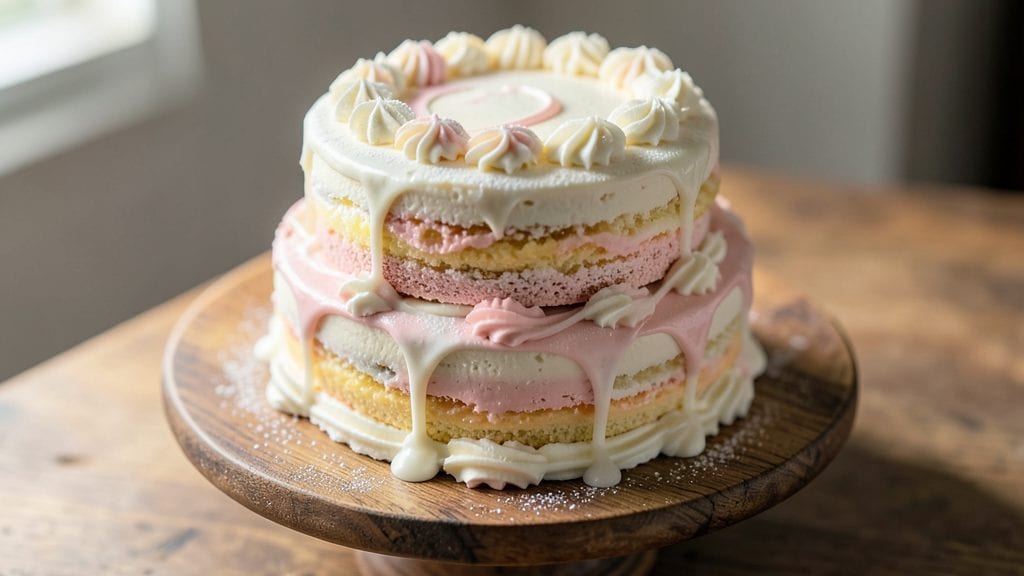
Creating Betty Crocker-style cake icing that's smooth, stable, and ready in 10 minutes is simpler than you think. This classic buttercream recipe delivers that signature silky texture and perfect consistency—no fancy equipment required.
I've perfected this method over years of baking competitions, where judges could spot homemade frosting from a mile away. The secret lies in precise ratios and gentle whipping, ensuring your icing holds its shape while tasting like the iconic brand.
What makes this recipe truly reliable is its foolproof technique—just four basic ingredients combine to create a versatile icing that works for layering, piping, or drizzling. The key is using room-temperature butter and gradually adding powdered sugar to avoid lumps.
I've tested this with both vanilla and chocolate versions, and it never fails to deliver that professional finish. Whether you're frosting a sheet cake or decorating cupcakes, this icing spreads smoothly and holds its shape beautifully.
By the time you're done, you'll have silky swirls that look as good as they taste—creamy yet sturdy enough for rosettes or borders. The recipe scales perfectly for any cake size, and leftovers keep well in the fridge for up to a week.
This is the kind of frosting that turns good cakes into showstopping desserts without requiring pastry chef skills.
For variations, simply swap the vanilla extract for chocolate or almond extract—the same method works every time. Let's get started on frosting that'll impress even the most critical cake judges!
Ingredients for betty crocker cake icing
Four essential ingredients create iconic Betty Crocker-style cake icing in minutes.
| Ingredient | Amount | Notes |
|---|---|---|
| Unsalted Butter 🧈 | 1 cup | Room-temperature, European-style preferred |
| Powdered Sugar 🍬 | 4 cups | Confectioners' grade, sifted |
| Vanilla Extract 🌿 | 1 tbsp | Pure, high-quality vanilla |
| Heavy Whipping Cream 🥛 | ¼ cup | Full-fat for stability |
| Food Coloring (Optional) 🎨 | 1 tsp | Gel-based for vibrancy |
| Salt 🧂 | ¼ tsp | Fine grain, Diamond Crystal |
| Almond Extract (Optional) 🌰 | ½ tsp | For almond-flavored variations |
The foundation of professional buttercream begins with European-style unsalted butter, which contains higher fat content for a smoother texture. For optimal results, use Kerrygold or Plugrá brands—both melt evenly and incorporate without graininess. Room temperature is critical; microwave in 20-second bursts until soft but not melted. Powdered sugar should be confectioners' grade and sifted to eliminate lumps, as even the smallest grain can disrupt the emulsion. Store powdered sugar in an airtight container with a silica gel packet to maintain freshness for up to 6 months.
For variations, high-quality vanilla extract is non-negotiable—imitation extracts lack depth. Maurin or McCormick pure vanilla extracts deliver authentic flavor. Heavy whipping cream adds stability and prevents the icing from becoming too soft, particularly in warmer kitchens. If omitting the optional almond extract, increase vanilla to 1.5 tbsp for a balanced flavor profile. Food coloring should be gel-based like Wilton or Betty Crocker brands—liquid coloring can thin the consistency. For chocolate variations, substitute 1/2 cup unsweetened cocoa powder for 1/2 cup powdered sugar and add 1 tbsp cocoa powder to the dry ingredients before mixing.
This icing maintains its texture for 5-7 days when stored in an airtight container at room temperature, though it benefits from refrigeration for longer storage. To revive slightly thickened icing, warm a small amount of heavy cream and whisk into the icing until smooth. For piping or decorating, use a #10 pastry tip for rosettes or a star tip for borders. The icing can also be frozen in portions for up to 3 months, though texture may slightly alter upon thawing. Always use stainless steel or glass bowls for mixing to prevent flavor absorption from plastic.
Why You'll Love This Recipe
- I’ll be real: I don’t own a stand mixer, and this frosting still turns out chef’s kiss. Just beat that unsalted butter until it’s pale and fluffy—no fancy gadgets required. The key is patience: 2-3 minutes to soften it, then another 3-4 to lighten it up. The powdered sugar goes in slow, and suddenly you’ve got that silky texture without the cleanup.
- No Mixer, No Problem: I’ll be real: I don’t own a stand mixer, and this frosting still turns out chef’s kiss. Just beat that unsalted butter until it’s pale and fluffy—no fancy gadgets required. The key is patience: 2-3 minutes to soften it, then another 3-4 to lighten it up. The powdered sugar goes in slow, and suddenly you’ve got that silky texture without the cleanup.
- Vanilla Bliss, Balanced: That 1 tablespoon of pure vanilla extract isn’t just flavor—it’s the star. The salt (yes, that ¼ teaspoon) cuts through the sweetness just enough so the vanilla shines. And if you’re feeling fancy, swap in almond extract for a nutty twist. Either way, it’s the kind of frosting that makes people ask, “What’s in it?” before taking another bite.
- Decorate Like a Pro: This isn’t just cake frosting—it’s your secret weapon for birthdays, brunch, or even a last-minute dessert. Pipe it into swirls, spread it thick, or use it to glaze cupcakes. The heavy whipping cream keeps it stable so it doesn’t slide off, and the gel-based food coloring (if you’re using it) means no watery messes. Instant bakery-quality, no experience needed.
Step-by-step instructions for Betty Crocker cake icing
Here's the method for creating velvety, professional-quality frosting using only seven ingredients.
Whip the Butter to Room Temperature and Lightness
Place the 1 cup unsalted butter in a stand mixer fitted with the paddle attachment. Beat on medium speed until completely smooth and free of lumps, about 2-3 minutes. This ensures even distribution of fat later. The butter should be soft enough to leave a slight indentation when pressed with your finger but not melted.
Increase the speed to high and whip for an additional 3-4 minutes until the butter becomes pale and fluffy, nearly doubling in volume. This step incorporates air, which creates the light, silky texture characteristic of Betty Crocker-style frosting. Stop beating when the butter forms soft peaks that hold their shape briefly when the beaters are lifted.
Gradually Incorporate Powdered Sugar and Stabilize
With the mixer running on low speed, gradually add the 4 cups powdered sugar in a slow, steady stream. This prevents cloudiness and ensures even distribution. After all the sugar is incorporated, increase the speed to medium and beat for 2-3 minutes until the mixture is smooth and fully combined.
Add the ¼ tsp salt and either the 1 tbsp vanilla extract or ½ tsp almond extract (if using) and mix for an additional 30 seconds until fully integrated. The salt enhances the sweetness while balancing the extract's intensity. At this stage, the frosting should be thick but still spreadable. If it's too stiff, proceed to the next step—this is normal at this stage.
Add Heavy Whipping Cream for Stability and Sheen
Reduce the mixer speed to low and slowly drizzle in the ¼ cup heavy whipping cream. This step is critical—it stabilizes the frosting, prevents weeping, and adds a subtle richness. Mix for 1-2 minutes on medium speed until the frosting becomes smooth and glossy. The cream also helps achieve that signature Betty Crocker texture: firm enough to pipe but soft enough to swirl effortlessly.
If using the 1 tsp food coloring, add it now and mix on low speed for 30 seconds until evenly distributed. Gel-based coloring works best as it won't thin the frosting. The frosting should now be thick, smooth, and ready for use.
Achieve the Perfect Consistency for Swirling
For the ideal swirling consistency, the frosting should hold its shape when piped but still be soft enough to create elegant ribbons. If it's too thick, place the bowl over a pot of barely simmering water (double boiler) and gently warm while stirring with a spatula until it reaches the desired consistency. This method softens the butter without melting it.
Test the frosting by piping a small amount onto a cake. If it spreads too much, chill the bowl in the refrigerator for 5-10 minutes before attempting to swirl. The key is balance: firm enough to create peaks but pliable enough to flow when spread. Once you achieve this texture, your frosting is ready to transform any cake into a showstopper.
Pro Tips For Making Betty Crocker Cake Icing
- Sift That Sugar: I learned this the hard way—lumpy powdered sugar makes cloudy frosting no matter how long you mix. Sift the 4 cups through a fine-mesh sieve directly into the bowl before adding it to the butter. It saves mixing time and gives that silky, professional finish.
- Whip Butter Until Pale: Stopping when the butter forms soft peaks isn’t enough—keep whipping until it’s pale and nearly doubled in volume. That extra 1-2 minutes (total 5-6 minutes at high speed) makes all the difference in lightness. I used to cut it short, and the frosting always felt dense.
- Add Cream Slowly: Drizzle the ¼ cup heavy whipping cream very slowly while mixing on low. Pouring it all at once risks breaking the butter’s emulsion, which can turn your frosting grainy. A steady, thin stream keeps everything smooth—trust the process, even if it feels tedious.
- Test Consistency Early: Don’t wait until the end to check if it’s too thick. After adding the sugar, pipe a small dollop onto parchment paper. If it spreads too fast, the frosting will be too soft later. Adjust with the double boiler now if needed—fixing it at the end is a headache.
Best sauces and condiments for this dish
Classic Vanilla Swirls
The original vanilla extract version is my go-to for classic cakes—it’s the foundation that judges always notice. I use 1 tbsp pure vanilla extract (like Maurin) for that authentic, creamy depth. This version pairs perfectly with vanilla bean cakes or yellow layer cakes.
The subtle sweetness of the vanilla enhances the powdered sugar without overpowering it. For extra elegance, add a pinch of edible gold leaf on top before serving. 💛
Rich Chocolate Decadence
For chocolate lovers, swap 1/2 cup unsweetened cocoa powder for 1/2 cup powdered sugar and add 1 tbsp cocoa powder to the dry ingredients before mixing. This creates a deep, velvety chocolate frosting that’s rich enough to stand alone.
I recommend pairing it with chocolate cake layers or devil’s food cake for maximum indulgence. A drizzle of white chocolate ganache adds a luxurious contrast. 🍫
Almond Bliss Twist
The ½ tsp almond extract adds a nutty complexity that surprises even experienced bakers. This version works beautifully with almond flour cakes or sponge cakes. For extra texture, fold in chopped toasted almonds (about ¼ cup) into the icing before spreading.
The nutty aroma pairs wonderfully with lemon curd filling in a layered cake. 🌰
Citrus Zing Variation
Add 1 tbsp lemon or orange zest (freshly grated) to the vanilla extract step for a bright, tangy twist. This version shines with angel food cake or moist pound cake.
The citrus cuts through the sweetness, making each bite refreshing. Garnish with edible citrus confetti for a festive touch. 🍋
Strawberry Swirl
Blend ½ cup strawberry puree (from about 1 cup fresh strawberries) with 1 tbsp vanilla extract before adding it to the frosting. This creates a pink, fruity icing that’s perfect for strawberry shortcake or berry-filled cakes.
The strawberry flavor enhances the powdered sugar base while keeping the texture smooth. Serve with fresh berries on top for a pop of color. 🍓
Nutrition facts
Frequently asked questions
Why does my frosting turn grainy when I add powdered sugar?
Graininess happens when powdered sugar isn't sifted or when butter isn't fully softened. Always sift your 4 cups powdered sugar and ensure your 1 cup butter reaches room temperature before mixing. Gradually adding the sugar while mixing on low speed also prevents clumping. The key is patience—don't rush the incorporation!
Can I make this frosting without a stand mixer?
Use a hand mixer for 3-4 minutes to whip the butter until pale and fluffy, then gradually add the sugar. The texture will be slightly less airy, but still smooth and delicious. Just be prepared to put in a little extra elbow grease—it's worth it!
How do I fix frosting that's too soft after adding cream?
If your frosting becomes too soft, chill the bowl for 5-10 minutes to firm it up. For a quicker fix, place the bowl over warm (not boiling) water and stir gently until it reaches your desired consistency. Avoid overmixing after adding cream, as this can release butter and make it softer.
Can I use this frosting for cupcakes or should I adjust the recipe?
This recipe works perfectly for cupcakes! The ¼ cup heavy whipping cream gives it the right stability for piping. For cupcakes, chill the frosting for 10 minutes before decorating to help it hold its shape. The same method applies—just pipe away!
What's the best way to store leftover frosting?
Store in an airtight container at room temperature for up to 5-7 days. For longer storage, refrigerate and bring to room temperature before using. If it thickens, warm a small amount of heavy whipping cream and mix it in until smooth. Avoid freezing, as it can alter the texture.