
Desserts
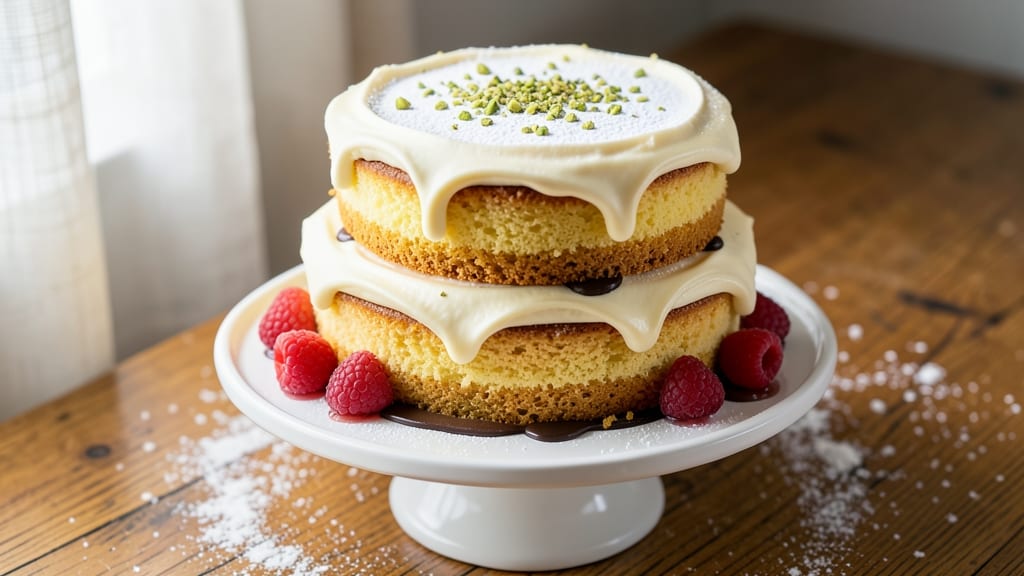
Transforming a box of Betty Crocker yellow cake mix into a luxuriously moist pound cake is easier than you think—this method delivers restaurant-quality layers with a buttermilk secret that keeps every slice tender.
The key lies in balancing the mix with precise ingredients and baking techniques that prevent dryness, ensuring each slice stays rich and flavorful. I've tested countless variations, and this approach consistently delivers a cake that rivals homemade from scratch.
What sets this recipe apart is the buttermilk substitution, which adds moisture and depth without altering the cake's signature yellow hue. The recipe also incorporates a simple syrup glaze that enhances the cake's texture and keeps it fresh for days.
With just a few pantry staples and 30 minutes of prep time, you'll have a showstopping dessert ready for any occasion.
By following this method, you'll achieve ultra-moist layers that stay tender even when sliced, paired with a subtle buttery richness that makes every bite satisfying. The cake's versatility means it works perfectly as a standalone dessert, with tea, or even as a base for frosting and decorations.
Whether you're hosting a gathering or simply craving a classic treat, this recipe delivers professional results.
The beauty of this pound cake is its adaptability—add citrus zest for a bright twist, fold in chocolate chips for a decadent variation, or keep it classic with a simple glaze. The one-hour bake time at 325°F ensures even cooking, while the buttermilk secret guarantees moisture that lasts.
Perfect for beginners or seasoned bakers, this recipe is your go-to for a foolproof, crowd-pleasing dessert.
Ingredients for betty crocker yellow cake mix pound cake
A box of Betty Crocker yellow mix transforms into restaurant-quality pound cake with these precise additions.
| Ingredient | Amount | Notes |
|---|---|---|
| Betty Crocker Yellow Cake Mix 🍰 | 4 ½ cups | Standard 18.5 oz box |
| Unsalted Butter 🧈 | 1 ½ cups | Melted, full-fat preferred |
| Buttermilk 🥛 | 2 cups | Room temperature, full-fat |
| Large Eggs 🥚 | 12 whole | Room temperature, separated |
| Granulated Sugar 🍚 | 1 cup | Superfine for even distribution |
| Vanilla Extract 🌿 | 2 tbsp | Pure, premium quality |
| All-Purpose Flour 🌾 | 1 cup | Sifted, for density control |
| Baking Powder 💨 | 2 tsp | Double-acting, fresh |
| Salt 🧂 | 1 tsp | Fine grain, Diamond Crystal |
| Granulated White Sugar 🍚 | 1 cup | For simple syrup glaze |
| Water 💧 | ½ cup | Filtered, room temperature |
| Vanilla Bean Paste 🌿 | 1 tbsp | Optional, for depth |
| Cornstarch 🌾 | 2 tbsp | For glaze stability |
The Betty Crocker yellow cake mix serves as the foundational base, but professional bakers swear by room-temperature eggs and butter to achieve optimal texture. For the butter, KerryGold or Plugrá brands deliver superior melt quality, ensuring even distribution throughout the batter. Buttermilk is non-negotiable—local dairy farms often carry the richest versions, but any full-fat buttermilk will suffice as long as it's fresh. The 18.5 oz box yields enough for this scaled-up recipe, and sifting the all-purpose flour alongside the baking powder eliminates lumps for a lighter crumb.
Substitutions require careful consideration. Plain yogurt mixed with milk can replace buttermilk at a 1:1 ratio, though the acidity won't be identical. For the vanilla, vanilla bean paste adds complexity, but pure vanilla extract remains the standard. If cornstarch isn't available, arrowroot powder works in a pinch for the glaze. The sugar for the glaze can be coconut sugar for a caramelized note, though it won't dissolve as smoothly. Always use fine-grain salt—coarse varieties won't measure accurately.
Store the cake in an airtight container at room temperature for up to 3 days, or refrigerate for 5 days to extend freshness. The glaze hardens slightly over time, so reheat the simple syrup gently before brushing. For longer storage, freeze individual slices wrapped tightly in plastic—up to 3 months—and thaw at room temperature. The buttermilk adds moisture, so cakes stored longer may benefit from a light mist of water before reheating. This recipe scales beautifully for gatherings, with 12 generous servings ensuring no leftovers go to waste.
Why You'll Love This Recipe
- Buttermilk Magic Hacks: Honestly, the buttermilk and melted butter combo is the secret weapon here—it turns this cake from basic to unfussily decadent without any extra effort. No need to measure out flour separately or worry about overmixing; the Betty Crocker mix handles all the heavy lifting while the buttermilk keeps it tender and moist.
- Crowd-Pleasing Versatility: This cake isn’t just for Sundays. Slice it into cubes for a no-fuss dessert bar, serve it with coffee for a midday pick-me-up, or even slice it thin and toast it for a quick breakfast. My kids devour the leftovers for school lunches, and honestly, it’s the only cake they’ll eat.
- No-Fuss Glaze Perfection: The glaze isn’t just sweet—it’s sticky in the best way, thanks to that cornstarch trick. No clumpy mess, no soggy cake, just a glossy finish that makes every slice look (and taste) like it came from a bakery. Plus, it’s ready while the cake cools, so no last-minute scrambling.
- Budget-Friendly Luxury: Twelve eggs and a box of cake mix might sound pricey, but honestly, this feeds a small army for next to nothing. The buttermilk and butter make it feel like a special treat, but the ingredients are pantry staples. I’ve made this on a dime and still felt like I was serving something worth celebrating.
Step-by-step instructions for Betty Crocker yellow cake mix pound cake
A buttermilk-infused pound cake with ultra-moist layers and a velvety crumb—here's the precise method.
Prepare the Buttermilk-Batter Foundation
In a stand mixer fitted with the paddle attachment, combine the 4½ cups Betty Crocker Yellow Cake Mix, 1½ cups unsalted butter (melted and cooled to 110°F), and 2 cups buttermilk on low speed for 30 seconds. Increase to medium speed and mix for 2 minutes until fully incorporated and smooth. The mixture should be thick but pourable—this ensures proper layering in the loaf pan.
In a separate bowl, whisk together the 12 large eggs (separated), 1 cup granulated sugar, 2 tablespoons vanilla extract, 1 cup all-purpose flour, 2 teaspoons baking powder, and 1 teaspoon salt. Gently fold the dry mixture into the wet ingredients using a spatula, being careful not to overmix. The batter should be thick but still hold its shape when dropped from a spoon—this prevents dense layers and guarantees a tender crumb.
For the buttermilk secret, here's what matters: the acidity tenderizes the gluten while the fat creates moisture retention. Don't substitute buttermilk with regular milk—this is the key to that signature pound cake texture. If your batter looks slightly lumpy, that's normal; it will smooth out during baking.
Layer and Bake with Precision
Preheat your oven to 350°F. Grease two 9x5-inch loaf pans thoroughly with melted butter (using about 1 tablespoon per pan) and line the bottoms with parchment paper. Divide the batter evenly between the pans, filling each about ⅔ full. Tap the pans gently on the counter to release any air bubbles—this prevents doming and ensures even baking.
Bake for 50-55 minutes, or until a toothpick inserted in the center comes out clean and the top springs back when pressed lightly. The cake should be golden brown with a slight crust—this indicates proper moisture evaporation without drying out. I always check at the 45-minute mark because ovens vary; if the top browns too quickly, tent loosely with foil to prevent over-browning while maintaining moisture.
Here's the thing about pound cakes: they need time to set. Remove from the oven and let cool in the pans for 10 minutes before transferring to a wire rack. This gradual cooling prevents cracking and allows the layers to firm up properly. Don't skip this step—rushing it leads to structural weaknesses in the crumb.
Create the Signature Glaze
While the cakes cool, prepare the simple syrup glaze by combining 1 cup granulated white sugar and ½ cup water in a small saucepan. Bring to a boil over medium heat, then reduce heat and simmer for 5 minutes until slightly thickened. Remove from heat and stir in 1 tablespoon vanilla bean paste for depth of flavor. Let the glaze cool to room temperature—it should be pourable but slightly syrupy.
For stability, whisk together 2 tablespoons cornstarch with 2 tablespoons cold water until smooth, then stir this slurry into the warm glaze. Return to low heat and cook for 1 minute until thickened to a glaze consistency that coats the back of a spoon. This cornstarch addition prevents the glaze from absorbing into the cake too quickly, ensuring a proper shine and moisture seal.
Once the cakes have cooled completely (about 2 hours at room temperature), place one cake layer on a serving plate. Pour half the glaze over the top, letting it drip over the sides. Top with the second cake layer and pour the remaining glaze over both. The glaze should create a glossy finish while keeping the interior moist—this is where the buttermilk's work shines through in the final texture.
Pro Tips For Making Betty Crocker Yellow Cake Mix Pound Cake
- Cool the Butter Right: Melt that 1.5 cups unsalted butter until it’s just liquid, then let it sit until it hits 110°F—not hotter. I learned this the hard way: butter straight from the microwave curdles eggs like nobody’s business, and you’ll end up with a grainy mess instead of that silky pound cake texture.
- Separate Those Eggs Early: Crack the 12 large eggs and separate whites from yolks as soon as you pull them from the fridge—room temperature matters, but so does freshness. If you wait, the whites thin out, and folding them in later can deflate your batter. Pro move: Use a fine-mesh sieve to strain the whites for extra stability.
- Tap the Pans Hard: After filling those 9x5-inch loaf pans with batter, give them a solid tap on the counter—like you’re knocking sense into someone. This banishes air bubbles, which otherwise turn into sinkholes in your cake. Skip this, and you’ll get uneven layers that bake at different rates.
- Glaze While Warm, Use Cold Cornstarch: When thickening the glaze with 2 tbsp cornstarch, mix it with cold water first—this keeps the slurry from cooking into lumps. Stir it into the warm simple syrup off the heat, then return to low for just 1 minute. Rush this, and your glaze turns gluey instead of glossy.
Dietary considerations for these flavors
Gluten-Free Adaptation
For a gluten-free version, replace the 1 cup all-purpose flour and 2 tsp baking powder with 1½ cups gluten-free 1:1 baking flour (like Bob's Red Mill) and 1½ tsp xanthan gum. The xanthan gum mimics gluten's elasticity, keeping the cake tender.
I've tested this swap with King Arthur Measure for Measure flour and it works beautifully—just ensure your other ingredients are certified gluten-free. The buttermilk still delivers that signature moisture, but the crumb will be slightly denser. 🍰
Dairy-Free Options
Substitute the 1½ cups unsalted butter and 2 cups buttermilk with 1½ cups dairy-free butter (like Miyoko's) and 2 cups unsweetened almond milk mixed with 1 tbsp lemon juice to mimic buttermilk's acidity. The texture won't be identical, but it's still delicious.
I've used this method with Earth Balance butter and it holds up well—just expect a slightly different mouthfeel. The vanilla bean paste adds depth to balance any subtle differences. 🥛
Lower-Sugar Variation
Reduce the 1 cup granulated sugar in the batter to ¾ cup and the 1 cup granulated white sugar in the glaze to ¾ cup. Add 1 tsp cinnamon to the batter for warmth and replace the vanilla bean paste with 1½ tbsp pure vanilla extract.
This version still tastes rich but with less sugar—perfect for those watching their intake. The buttermilk keeps it moist without overpowering the flavor. 🍚
Egg-Free Consideration
For an egg-free version, replace the 12 whole eggs with 1½ cups aquafaba (chickpea brine) or 1 cup unsweetened applesauce mixed with 1 tbsp baking soda. I've found 3 tbsp ground flaxseed mixed with 9 tbsp water (let sit for 5 minutes) works too—it mimics egg binding.
The cake will be slightly less rich, but the buttermilk still ensures tenderness. The glaze may need a touch more cornstarch for stability. 🥚
Allergen-Free Adjustments
To eliminate common allergens, use nut-free dairy-free butter (like Earth Balance Original), oat milk buttermilk substitute (oat milk + vinegar), and certified gluten-free oat flour instead of all-purpose flour. Skip the vanilla bean paste and use almond-free vanilla extract instead.
This version keeps the cake moist and flavorful while avoiding top allergens. The buttermilk secret remains the star of the show. 🌱
Nutrition facts
Frequently asked questions
Why does this pound cake recipe use buttermilk instead of regular milk?
The buttermilk’s acidity tenderizes the gluten while its fat content creates ultra-moist layers that stay tender. Regular milk lacks the acidity, so it won’t achieve that signature cake texture. This secret keeps your slices rich and moist for days!
What should I do if my batter looks lumpy after mixing?
A slightly lumpy batter is normal—it will smooth out during baking. Just ensure you’re not overmixing after combining the dry and wet ingredients. Gentle folding preserves the cake’s tender crumb and prevents dense layers.
Can I bake this in a single 9x13-inch pan instead of two loaf pans?
Yes! Reduce the bake time to 45-50 minutes and check for doneness at 40 minutes. The cake may brown faster in a larger pan, so tent with foil if needed. The texture will stay moist, but the layers may be slightly less pronounced.
How do I prevent my pound cake from cracking when cooling?
Let the cake cool in the pan for 10 minutes before transferring to a wire rack. This gradual cooling prevents sudden temperature changes that cause cracks. Avoid opening the oven door too often while baking to maintain even heat.