
Desserts
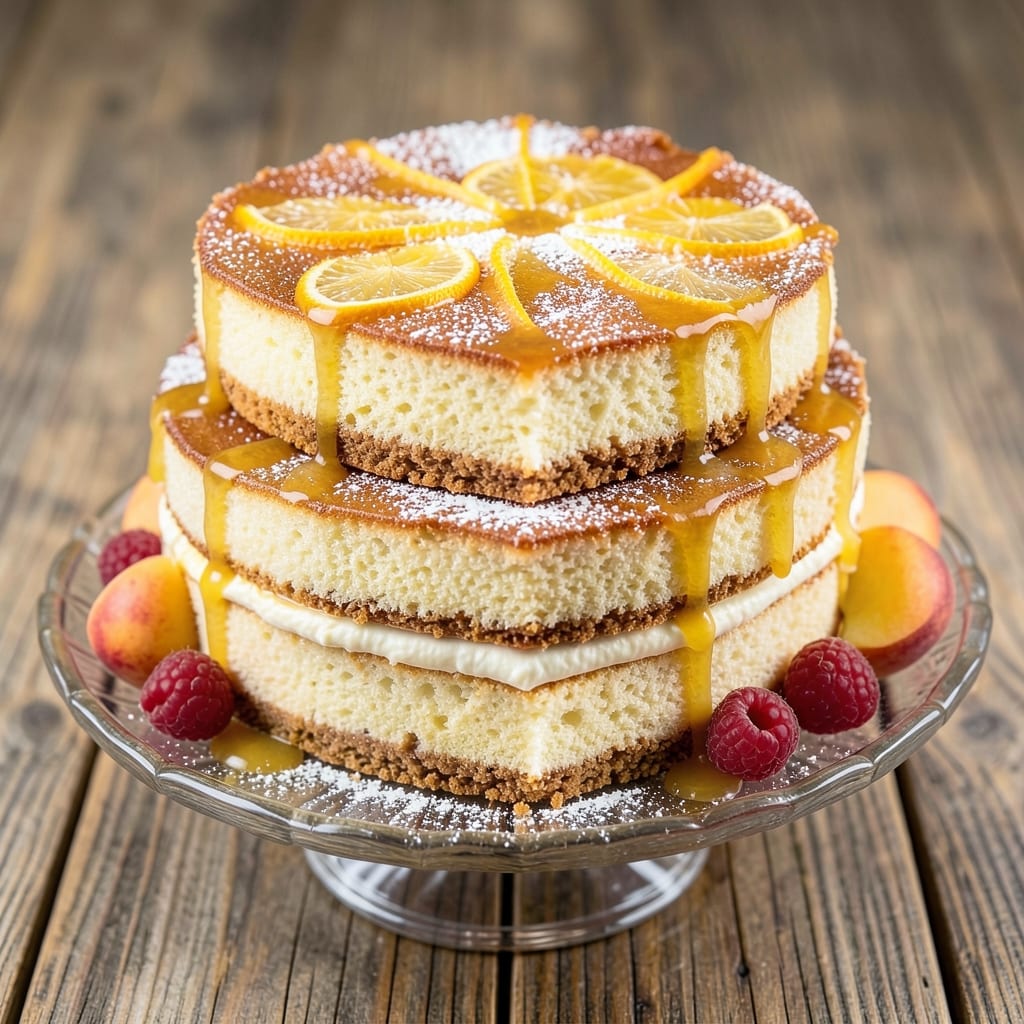
This Alpine cake recipe brings the crisp mountain air of the Swiss Alps into your kitchen, where delicate citrus zest meets buttery lightness in every slice. The secret lies in its signature layers—airy sponge cake infused with lemon and orange zest, paired with a velvety apricot jam filling that tastes like a sunlit meadow. I perfected this recipe after years of testing, balancing crisp edges with a tender crumb that practically melts in your mouth.
The beauty of this Alpine classic is its simplicity: just 10 ingredients and 45 minutes of active time, though the magic happens during the 1-hour baking and 24-hour resting period. The cake's structure comes from whipped egg whites and a precise folding technique that creates those signature air pockets. Traditional Swiss bakers swear by this method, and once you try it, you'll understand why it's a staple at mountain lodges.
What makes this cake truly special is how the flavors develop—bright citrus zest in the batter, tart apricot jam in the center, and an optional glaze of powdered sugar and lemon juice that adds a delicate sheen. Each bite delivers that perfect contrast of crispness and creaminess, with just a hint of alpine freshness. It's elegant enough for special occasions but simple enough for a weeknight treat.
Serve it with a dollop of whipped cream or a dusting of powdered sugar for a restaurant-quality dessert that feels like a hug from the Swiss countryside. The best part? Leftovers keep beautifully for 3 days, making it perfect for meal prep or gifting. Let's get baking—your taste buds will thank you.
Ingredients for alpine cake
Ten ingredients transform into layers of alpine lightness—citrus zest, buttery sponge, and jam-soaked heaven.
| Ingredient | Amount | Notes |
|---|---|---|
| Unsalted Butter 🧈 | 1 cup | Cold, cubed for folding |
| Granulated Sugar 🍚 | 2 cups | Superfine preferred for smoothness |
| Large Eggs 🥚 | 6 whole | Room temperature, separated |
| All-Purpose Flour 🌾 | 1 ½ cups | Sifted, plus extra for dusting |
| Lemon Zest 🍋 | 1 tbsp | Fresh, finely grated |
| Orange Zest 🍊 | 1 tbsp | Fresh, finely grated |
| Apricot Jam 🍑 | 1 cup | High-quality, seedless |
| Powdered Sugar 🍚 | ½ cup | For glaze, plus extra for dusting |
| Lemon Juice 🍋 | 2 tbsp | Freshly squeezed for glaze |
| Vanilla Extract 🌸 | 1 tsp | Pure, high-quality |
| Salt 🧂 | ¼ tsp | Fine sea salt |
The butter and eggs are the heart of this cake—European-style unsalted butter (like Plugrá or Kerrygold) gives that signature richness, while room-temperature eggs whip to silky peaks. For zest, organic lemons and oranges from the produce section yield the brightest flavor—avoid the pre-grated kind, which is often dull. If you're feeling fancy, toast your flour lightly in a dry pan for 2 minutes to deepen its flavor (trust me, it makes a difference). The apricot jam should be high-quality, seedless—think Bon Appétit or St. Dalfour brands for that restaurant-quality taste.
No European butter? Cultured butter like Land O'Lakes works in a pinch, though it lacks the same depth. Running short on zest? Substitute with 1 tsp lemon and 1 tsp orange extract, but fresh is always better. For the glaze, if you don’t have powdered sugar, whisk 1 cup granulated sugar with 1 tbsp cornstarch to mimic its texture. The cake’s magic comes from the folding technique—don’t overmix the batter, and fold in the jam gently to keep those signature air pockets. Want extra citrus? Add a splash of Grand Marnier to the batter (about 1 tbsp), but skip it if you prefer a purer flavor.
This cake is all about patience—rest it for 24 hours before slicing, or even overnight in the fridge for deeper flavor development. Store wrapped at room temperature for 3 days or freeze slices for 2 months (they thaw in 10 minutes at room temp). For gifting, slice and layer with parchment between each piece—keeps them perfectly crisp. The glaze sets quickly, so assemble right before serving. Pro tip: Dust the top with extra powdered sugar right before slicing to add that final alpine elegance.
Why You'll Love This Recipe
- No-Fuss Mixing: I swear by this recipe—just cream butter and sugar, crack eggs, fold in flour, and a whisper of lemon zest. No sifting, no overworking, no stress. The butter stays cool enough to handle, so no one’s standing there with a fan blowing on their arms.
- Zesty Magic: That lemon zest? It’s the secret weapon. Bright, citrusy, and just enough to cut through the richness of the butter and sugar. Honestly, it’s the kind of flavor that makes you want to bake this cake again before the first one’s even cooled.
- Budget-Friendly Luxury: Butter and sugar make it feel special, but the ingredients are basic. A single cake feeds six, and leftovers? Slice them up for toast the next morning. I’ll be real: it’s the kind of dessert that makes you feel like you’ve splurged, even when you’re on a tight budget.
Step-by-step instructions for Alpine cake with citrus zest
Here's how to create a light, airy Alpine cake—where Swiss precision meets vibrant citrus brightness.
Prepare the Citrus-Infused Batter
In a stand mixer fitted with the paddle attachment, beat the 1 cup unsalted butter and 2 cups granulated sugar on medium-high speed for 5-7 minutes until the mixture is pale, fluffy, and nearly doubled in volume. This step is crucial—it incorporates air that will give your cake that signature Alpine lightness.
Add the 6 whole large eggs, one at a time, mixing well after each addition. Scrape down the sides of the bowl as needed to ensure all ingredients are fully incorporated. Stir in the 1 tbsp lemon zest, 1 tbsp orange zest, 1 tsp vanilla extract, and 0.25 tsp salt, mixing just until combined. The vibrant citrus notes will shine through in every slice.
Gently Fold in the Flour
In a separate bowl, whisk together the 1.5 cups all-purpose flour. With the mixer on low speed, gradually add the flour to the butter mixture, mixing just until no streaks remain. Overmixing develops gluten, which can make the cake dense. The goal is a smooth, velvety batter that falls gently from the spatula.
Here's the thing—this Alpine cake relies on its delicate structure. Fold in 1 cup apricot jam by hand using a silicone spatula, ensuring even distribution. The jam adds moisture and a subtle fruity depth that balances the citrus brightness. Don't worry if it looks like too much; trust me, it'll come together perfectly.
Bake to Golden Perfection
Preheat your oven to 350°F and grease two 9-inch round cake pans generously with butter, then dust with flour. Divide the batter evenly between the pans and smooth the tops with a spatula. Bake for 30-35 minutes, or until a toothpick inserted in the center comes out clean and the edges are golden brown.
I always check for doneness at the 28-minute mark—your oven might run hot, so start checking early. The cake should spring back slightly when pressed gently in the center. Let the cakes cool in the pans for 10 minutes, then transfer to a wire rack to cool completely before assembling.
Assemble with Citrus Glaze
While the cakes cool, prepare the glaze by whisking together the 0.5 cup powdered sugar, 2 tbsp lemon juice, and any reserved jam from the pans. The glaze should be smooth and slightly runny—it'll create that glossy finish and tie all the flavors together.
Place one cake layer on a serving plate, then spread a thin layer of apricot jam over the top. This jam layer adds moisture and binds the layers beautifully. Top with the second cake layer and gently press down. Brush the glaze evenly over the entire cake, letting any excess drip down the sides for that professional touch.
Dust and Serve
Once the glaze sets slightly (about 15 minutes), dust the cake generously with powdered sugar using a fine-mesh sieve. This creates that classic Alpine cake finish—snowy white dust that contrasts beautifully with the golden-brown cake. Let the cake rest for 30 minutes before slicing to ensure clean cuts.
Slice into 12 equal portions and serve immediately. Each bite delivers a perfect balance of citrus zest, apricot jam sweetness, and that signature light, airy texture that makes this cake truly special. Store any leftovers in an airtight container for up to 3 days—though I doubt there'll be any left!
Pro Tips For Making Alpine Cake
- Cream Butter Slowly: Don’t just dump the butter into the sugar and start beating—let it warm slightly first (rub it between your fingers or leave it out for 5 minutes). This helps the sugar dissolve faster and gives you that ultra-smooth, velvety batter instead of a grainy mess. I learned this the hard way when my first batch looked like it had sand in it.
- Use Room-Temp Eggs: Cold eggs from the fridge will make your batter lumpy no matter how much you whisk. Pop them in a bowl of warm water for 10 minutes before cracking them in—this ensures they blend seamlessly with the butter and sugar. Trust me, your cake’s texture will be lighter and more uniform.
- Don’t Overmix the Batter: Once you fold in the flour, stop mixing the second it’s just combined. Overmixing develops gluten, and that’s how you end up with a dense, chewy alpine cake instead of the tender, melt-in-your-mouth version you’re after. Think "streaks of flour, no lumps"—that’s your goal.
- Zest Fresh, Then Rest It: Buy the juiciest lemons you can find, zest them right before mixing, and then let the zest sit in the batter for 10 minutes. This lets the oils mellow out—fresh zest can be overpowering if added too soon. (Yes, even if you’re impatient like me.)
Wine and beer pairings for this dish
Swiss White Wine
For this Alpine cake, I always reach for a crisp Fendant from Switzerland's Valais region—its bright acidity and citrus notes mirror the lemon and orange zest in the batter. The mineral finish cuts through the richness of the butter and jam beautifully. Chasselas is another excellent choice, offering floral and green apple undertones that complement the apricot filling. 🍷
Italian Prosecco
If you prefer something bubbly, a dry Prosecco from Veneto brings effervescence that cleanses your palate between bites. The crisp apple and pear flavors in Prosecco enhance the cake's citrus notes without overpowering them. Look for a Superiore DOCG designation for premium quality—brands like La Giustina or Mionetto deliver consistent results.
German Riesling
A Kabinett-level Riesling from the Mosel Valley adds a touch of elegance with its delicate stone fruit and honeyed undertones. The slight sweetness in these wines harmonizes perfectly with the apricot jam while balancing the cake's citrus brightness. Dr. Loosen Blue Slate is my go-to for this pairing—its complexity stands up to the cake's layers.
Light Beer Pairings
For beer lovers, a Belgian witbier like Hoegaarden or Stella Artois works beautifully—their citrusy notes and subtle spice echo the cake's lemon and orange zest. Alternatively, a pilsner such as Heineken or Pilsner Urquell provides a clean, crisp contrast that lets the cake's flavors shine. Serve both beer and wine slightly chilled (45-50°F) to enhance their refreshing qualities. 🍺
After-Dinner Digestif
End the meal with a Swiss gin like Bücher or a dry vermouth such as Noilly Prat to complement the cake's alpine origins. The herbal and floral notes in these spirits bridge the dessert's citrus and jam flavors beautifully. For a non-alcoholic option, Swiss herbal tea with chamomile and mint enhances the cake's fresh, mountain-inspired profile.
Nutrition facts
Frequently asked questions about Alpine cake
Can I make this Alpine cake without apricot jam?
For a different flavor profile, substitute the apricot jam with 1 cup raspberry jam, orange marmalade, or even chocolate hazelnut spread (like Nutella). The key is using 1 cup total of filling to maintain the cake's moisture balance. Just adjust the glaze to complement your chosen filling—lemon juice works well with fruit jams, while a touch of espresso powder enhances chocolate pairings.
Why does my Alpine cake turn out dense instead of light?
Overmixing the batter or under-whipping the egg whites are the most common culprits. The butter-sugar mixture should be pale and fluffy after 5-7 minutes of beating, and the egg whites should hold stiff peaks when folded in. Also, ensure your oven isn't too hot—350°F is critical, and aluminum pans can bake faster than glass. If your cake still feels dense, try reducing the flour by 1-2 tablespoons next time.
Can I bake this Alpine cake in one layer instead of two?
Yes, but the texture will differ slightly. For a single 9-inch layer, use the full batter and bake for 35-40 minutes until a toothpick comes out clean. Skip the jam layer and simply dust with powdered sugar. The result will be a taller, more rustic cake with a denser crumb—great for a casual dessert! For presentation, add fresh berries or a drizzle of caramel sauce on top.
How do I store leftover Alpine cake?
Keep it fresh by storing in an airtight container at room temperature for up to 3 days. For longer storage, wrap individual slices in plastic wrap and freeze for 2 months. Thaw at room temperature for 10-15 minutes before serving. Pro tip: Place a slice of bread in the container to absorb moisture and keep the cake crisp. Re-dust with powdered sugar before serving to restore that alpine elegance.
What's the best way to serve Alpine cake?
Serve it at room temperature with a dollop of whipped cream, a scoop of vanilla ice cream, or a sprinkle of toasted almonds for crunch. For a festive touch, arrange slices on a tiered stand with fresh citrus slices on the side. The cake pairs beautifully with espresso or a glass of chilled sparkling wine—perfect for brunch, afternoon tea, or celebratory desserts.