
Desserts
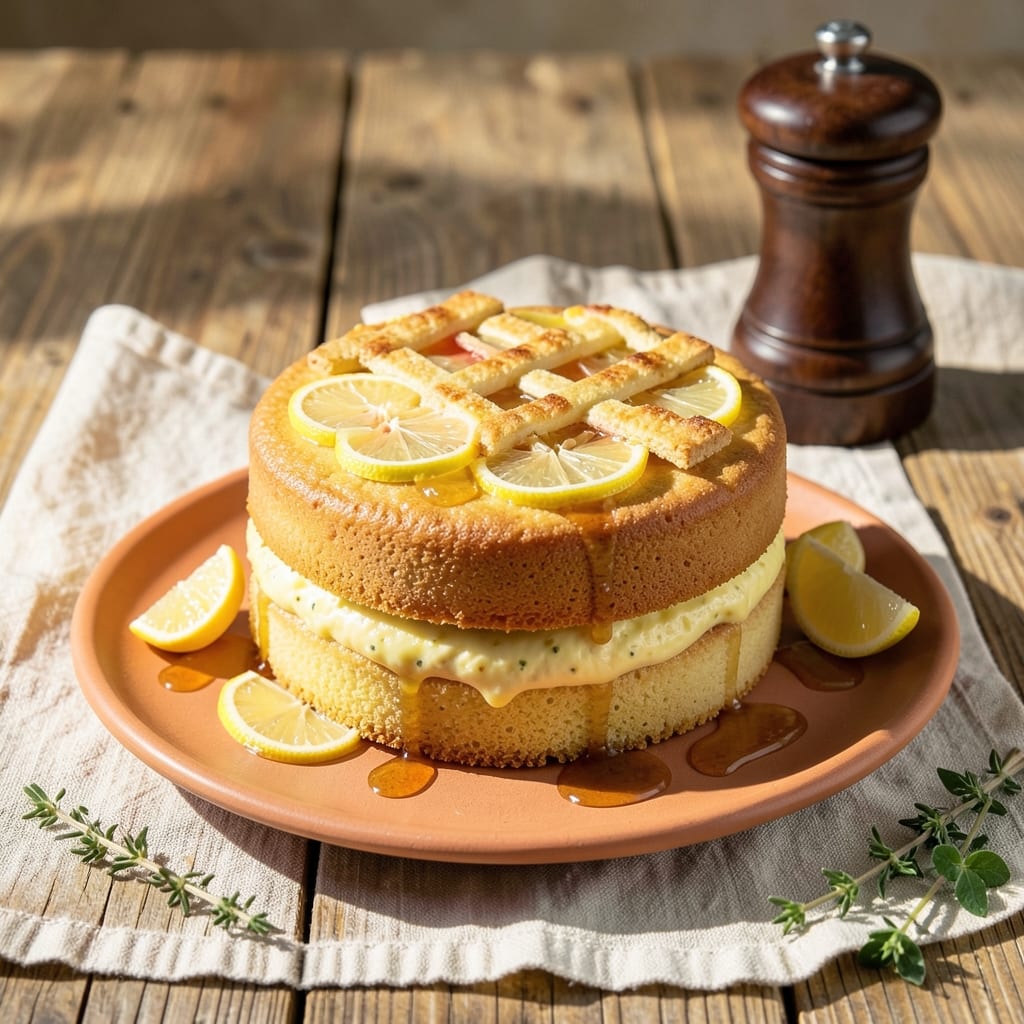
This Amalfi Coast lemon cake recipe transports you to the sun-drenched cliffs of southern Italy with every bite—bright, buttery layers infused with lemon zest and finished with a crunchy almond flour crust. The secret lies in balancing tender crumb with sharp citrus notes, a technique perfected by coastal bakers who rely on seasonal lemons for their signature tang. I've adapted this classic to deliver restaurant-quality results at home, using simple ingredients and precise baking methods that ensure a moist interior and golden edges.
The cake's magic comes from alternating layers of lemon-infused batter with a thin almond flour crust, creating texture contrast that mirrors traditional Amalfi pastries. Baked at 350°F for 35-40 minutes, it develops a subtle caramelized top while keeping the interior perfectly tender. The recipe calls for fresh lemon juice and zest—never dried or bottled substitutes—which makes all the difference in flavor intensity. For extra authenticity, I recommend finishing with a dusting of powdered sugar and a sprinkle of toasted almonds, though a light espresso glaze adds a sophisticated touch.
What you'll end up with is a cake that's equal parts elegant and approachable—bright enough to cut through rich desserts but versatile enough to pair with afternoon coffee or fresh berries. The almond crust adds a delicate crunch that contrasts beautifully with the moist lemon layers, while the citrus aroma fills your kitchen long before the cake emerges from the oven. This isn't just a lemon cake; it's a taste of the Mediterranean coast, captured in every slice.
Perfect for special occasions or weekend baking, this recipe scales easily for gatherings while remaining simple enough for weeknight treats. The key to success is patience—letting the batter rest and baking at the right temperature ensures a cake that's light, flavorful, and impossible to resist. Let's get started on creating your own piece of the Amalfi Coast.
Ingredients for amalfi coast lemon cake
Bright citrus layers and delicate almond crunch create this Amalfi-inspired dessert masterpiece.
| Ingredient | Amount | Notes |
|---|---|---|
| All-Purpose Flour 🌾 | 2 ½ cups | Sifted for light texture |
| Granulated Sugar 🍚 | 1 ½ cups | Superfine preferred for smoothness |
| Unsalted Butter 🧈 | 1 ¼ cups | Cold, cubed for creaming |
| Large Eggs 🥚 | 4 whole | Room temperature for even baking |
| Fresh Lemon Juice 🍋 | ¾ cup | From 4-5 medium lemons |
| Lemon Zest 🍋 | 2 tbsp | Finely grated, vibrant yellow |
| Baking Powder 🍞 | 2 tsp | Diamond Crystal preferred |
| Salt 🧂 | ½ tsp | Fine sea salt |
| Almond Flour 🥜 | 1 ½ cups | Finely ground for crust |
| Powdered Sugar 🍚 | ½ cup | For finishing |
| Toasted Sliced Almonds 🥜 | ¼ cup | For garnish |
| Espresso Powder ☕ | 1 tsp | Optional for depth |
The lemons determine authenticity—Amalfi Coast lemons if available, but any fresh, vibrant fruit works. Look for lemons with thick zest and minimal seeds; the juice should be tart, not sweet. Whole Foods or specialty markets often carry imported Italian lemons in peak seasons. For the almond flour, Bob's Red Mill is a reliable brand, but grind your own from raw almonds for superior texture. The butter must be cold for proper creaming—take it out of the fridge 30 minutes before starting. The espresso powder, though optional, adds a sophisticated depth that mimics traditional Amalfi pastries.
No superfine sugar? Pulse regular granulated sugar in a food processor for 30 seconds—it'll work in a pinch. Substitute almond flour with finely ground blanched almonds if needed, though texture may vary slightly. For the lemon juice, bottled lemon juice works in emergencies, but fresh is non-negotiable for authentic flavor. The baking powder must be fresh—test by mixing with water; if it doesn't bubble, replace it. Toast your almonds in a dry pan over medium heat for 3-4 minutes until fragrant, then cool completely before using. For a gluten-free version, substitute the all-purpose flour with a 1:1 gluten-free baking flour blend.
Store the cake in an airtight container at room temperature for up to 3 days, though it's best enjoyed fresh. For longer storage, wrap tightly in plastic and refrigerate for up to 5 days, bringing to room temperature before serving. The almond crust can be made 1 day ahead and stored in the fridge. The lemon-infused batter should rest for at least 30 minutes before baking to develop maximum flavor. This cake freezes beautifully—wrap individual layers with plastic wrap before placing in a freezer bag for up to 3 months. Thaw overnight in the fridge before assembling.
Why You'll Love This Recipe
- No Mixer Needed: I swear by this recipe because it’s a hand-mixed dream—just creaming butter and sugar until light, then folding in eggs and flour. No electric mixer, no fuss, and the result? A tender crumb that’s foolproof even if you’re not a baker.
- Zesty Magic: That burst of fresh lemon juice in the batter? It’s the star. The cake stays moist, the glaze is tangy-sweet, and honestly, it tastes like you slaved over it—when really, it’s just a few simple steps with ingredients you already own.
- Weekend or Weeknight: Slice it for brunch with coffee, pack it for a picnic, or serve it at a dinner party. The lemon glaze keeps it fresh for days, so it’s my go-to for birthdays, showers, or just because. (Yes, even on a Tuesday night.)
- Budget Bright Spot: Butter, eggs, flour, sugar—these are pantry staples that won’t break the bank. And because it’s rich but not overly sweet, a single cake feeds a crowd without leaving you drowning in leftovers you’ll regret. Win-win.
Step-by-step instructions for Amalfi Coast lemon cake
Mastering this recipe delivers layers of bright citrus and nutty crunch—every step ensures perfect texture and flavor.
Cream Butter and Sugar for Light Texture
In a stand mixer fitted with the paddle attachment, combine the 1.25 cups unsalted butter (cold and cubed) with the 1.5 cups granulated sugar. Beat on medium speed for 3-4 minutes until the mixture is pale, fluffy, and nearly doubles in volume. This creaming process incorporates air, which is critical for the cake's tender crumb.
I press down on the butter occasionally to ensure even distribution—this prevents pockets of unmixed sugar that could lead to dense spots. The mixture should look like light whipped cream when finished, with no visible sugar granules. If using superfine sugar, the process will be slightly quicker, but the texture will be identical.
Incorporate Eggs and Citrus for Vibrant Flavor
Add the 4 whole large eggs one at a time, mixing on low speed for 30 seconds after each addition. Scrape down the sides of the bowl to ensure all ingredients are fully incorporated. Next, add the 0.75 cup fresh lemon juice, 2 tbsp lemon zest, and 1 tsp espresso powder, mixing just until combined.
The espresso powder enhances the lemon's brightness, while the zest adds aromatic depth. I like to whisk the lemon juice and zest together first to fully extract their flavors before adding to the batter. This step should take no longer than 1 minute—overmixing develops gluten and can make the cake tough.
Combine Dry Ingredients for Perfect Rise
In a separate bowl, sift together the 2.5 cups all-purpose flour, 2 tsp baking powder, and 0.5 tsp salt. Gently fold this dry mixture into the wet ingredients using a spatula, mixing just until no streaks remain. The batter should be smooth but slightly thick—like heavy pudding.
I use a folding motion to preserve the air incorporated earlier. If the batter looks too stiff, add 1-2 tablespoons of the lemon juice to loosen it slightly. The goal is a cohesive batter that holds its shape when dropped from a spoon—this ensures proper layering when baked.
Layer and Bake for Even Cooking
Preheat your oven to 350°F and grease two 8-inch round cake pans. Divide the batter evenly between the pans, then sprinkle 0.75 cup almond flour over each layer. This creates the signature almond crust while keeping the cake moist. Bake for 25-30 minutes, or until a toothpick inserted into the center comes out clean.
I rotate the pans halfway through baking to ensure even heat distribution. The edges should be golden brown while the center remains slightly springy to the touch. Overbaking dries out the cake, so I pull it out as soon as the toothpick test passes. Let the cakes cool in the pans for 10 minutes before transferring to a wire rack.
Assemble and Finish with Almond Garnish
Once completely cooled, level the tops of the cakes if needed. Place one layer on a serving plate and spread with a thin layer of lemon glaze (made by mixing 0.5 cup powdered sugar with 2 tbsp lemon juice). Top with the second layer and dust the entire cake with the remaining 0.25 cup toasted sliced almonds for texture.
For the glaze, I whisk the powdered sugar and lemon juice until smooth, then drizzle evenly over the cake. The almonds should be toasted just until fragrant—about 3-4 minutes in a dry skillet over medium heat—to enhance their nutty flavor. Serve at room temperature for the best texture and flavor balance.
Pro Tips For Making Amalfi Coast Lemon Cake
- Whisk Butter and Sugar Longer: I used to give this mix 30 seconds—until I realized the butter needed to turn from pale yellow to almost creamy white. That extra 2-3 minutes with the paddle attachment (or by hand, if you’re old-school) guarantees a lighter, fluffier crumb. Trust me, your cake will thank you when it’s not dense. ---
- Zest Before Juicing: Skip the zest if you’re in a rush, but the lemon’s aroma is half the battle. Use a fine grater and rub the peel directly into the butter-sugar mix—just avoid the bitter white pith. I learned this the hard way after making a cake that smelled amazing but tasted flat. ---
- Don’t Overmix the Batter: Once you fold in the dry ingredients, stop as soon as they’re just combined. Overmixing develops gluten, and your cake will turn out tough instead of tender. I know, I know—it’s tempting to get it "perfect," but this is where lazy mixing pays off. ---
- Bake Until the Center Springs: The toothpick test is useful, but for this cake, pull it out when the center still has a light bounce—it’ll firm up as it cools. Overbaking dries out the lemon flavor, and that’s a crime against the Amalfi Coast vibes. I used to pull mine too soon, and the texture suffered.
Storing and reheating this recipe
Room Temperature Storage
Store your lemon cake in an airtight container at room temperature for up to 3 days, though it tastes best within the first 24 hours. The almond crust stays crisp while the lemon layers maintain their moisture. I like to wrap the cake loosely with parchment paper before sealing to prevent condensation from making the top soggy. 💫
For a second day of freshness, place a slice of bread in the container with the cake—it absorbs excess moisture and keeps the texture perfect. Avoid refrigerating unless necessary, as cold temperatures can make the cake dry out faster.
Refrigerator Preservation
If you need to store the cake for 4-5 days, refrigerate it wrapped tightly in plastic wrap followed by aluminum foil. The cold slows down staling, but the texture will be slightly denser. Let it sit at room temperature for 30-60 minutes before serving to restore the ideal mouthfeel.
I recommend refrigerating any uneaten portions rather than leaving them at room temperature beyond 3 days. The lemon flavor actually intensifies slightly in the fridge, making it perfect for a quick breakfast or dessert the next day.
Freezing for Later
This cake freezes beautifully for up to 3 months, making it ideal for meal prep. Wrap each layer individually in plastic wrap, then place them in a freezer bag with all the air squeezed out. Label with the date to track freshness.
To thaw, transfer the cake to the refrigerator overnight. For the best results, let it sit at room temperature for 1 hour before serving. The texture remains moist, though the almond crust may lose some crispness—re-toast slices briefly in the oven if needed.
Reheating Methods
For a quick texture refresh, warm slices in the microwave for 10-15 seconds on 50% power. This restores moisture without overcooking. I find this works best for individual servings rather than the whole cake.
For a more even reheat, place slices on a baking sheet and warm in a 300°F oven for 5-7 minutes. This method reactivates the almond crust's crunch while gently warming the lemon layers. Avoid high heat, as it can dry out the cake.
Nutrition facts
Frequently asked questions
Can I substitute bottled lemon juice for fresh in this recipe?
Fresh lemon juice is essential for authentic flavor, but in a pinch, you can use bottled lemon juice. For best results, choose a high-quality brand with no added preservatives. The cake will still taste bright, though the flavor won't be quite as vibrant as with freshly squeezed juice. If possible, use 1.5 times the amount of bottled juice (about 1.125 cups) since it's more concentrated.
How do I make this cake gluten-free?
Replace the all-purpose flour with a 1:1 gluten-free baking flour blend like Bob's Red Mill. You'll also need to add 1 extra teaspoon of baking powder and 1.5 teaspoons of xanthan gum to ensure proper structure. The almond flour crust remains the same, but the texture may be slightly denser. Test with a small batch first to adjust moisture levels if needed.
Why did my cake turn out dense instead of light and fluffy? Overmixing the batter or using warm butter are common culprits.
Can I bake this cake in a different pan size?
Yes, but you'll need to adjust the baking time. For an 8-inch round pan, bake for 25-30 minutes. If using a 9-inch pan, reduce the oven temperature to 325°F and bake for 30-35 minutes. The key is to ensure the center is fully cooked while avoiding overbrowning. Always use the toothpick test to check doneness.
How can I make this cake more moist?
Add 1-2 tablespoons of sour cream or Greek yogurt to the batter for extra moisture. You can also brush the layers with a simple syrup (equal parts sugar and water, heated until dissolved) before assembling. For an even richer texture, replace 1 tablespoon of the all-purpose flour with cornstarch in the dry ingredients.