
Desserts
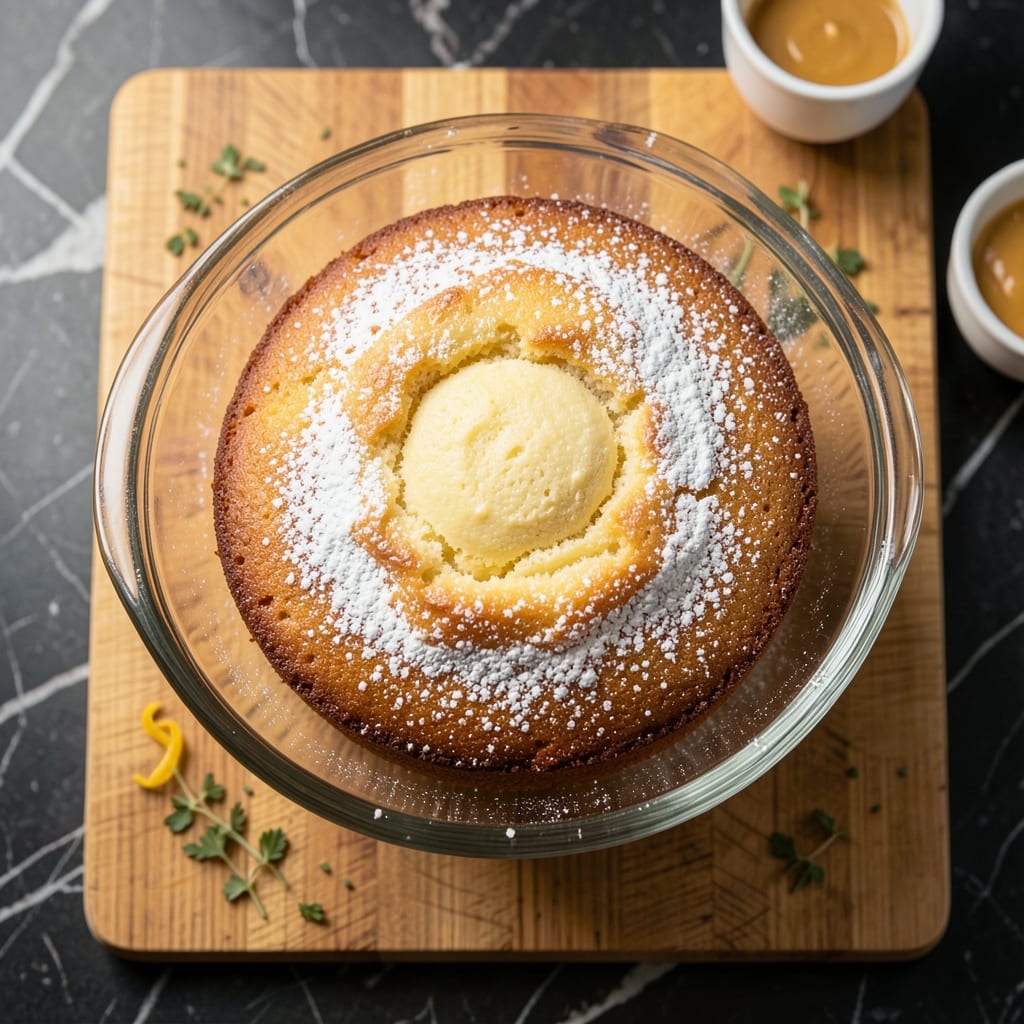
This 7-Up pound cake recipe with shortening brings back the bright, citrusy magic of childhood desserts—where every slice tastes like sunshine in cake form. The secret lies in the soda's subtle effervescence, which creates a tender crumb and that signature tangy-sweet flavor that makes this cake unforgettable. Southern bakers have perfected this technique for decades, and now you can too with just a few simple ingredients and a reliable oven.
The beauty of this recipe is its simplicity: one bowl, minimal effort, and a baking time that fits perfectly into a busy afternoon. Shortening keeps the cake moist and rich, while the 7-Up adds just enough acidity to balance the sweetness without overpowering it. The result? A cake that's light yet substantial, with a fine crumb that melts in your mouth and a citrus aroma that fills your kitchen.
What makes this recipe truly special is how versatile it is—serve it plain for a nostalgic treat, frost it with cream cheese for extra richness, or even drizzle it with a simple glaze for a festive touch. The cake's tender texture and bright flavor make it ideal for birthdays, potlucks, or just because you crave a slice of childhood joy. Once you try this, you'll never go back to store-bought again.
Ready in just one hour, this recipe delivers restaurant-quality results with minimal fuss. The key is patience during the baking process—letting the cake set properly ensures that perfect balance of moisture and structure. Whether you're baking for a crowd or treating yourself to a slice, this 7-Up pound cake is a guaranteed crowd-pleaser.
Ingredients for 7 up pound cake recipe with shortening
Twelve simple ingredients deliver that nostalgic citrus punch and tender crumb you crave.
| Ingredient | Amount | Notes |
|---|---|---|
| All-Purpose Flour 🌾 | 3 cups | Sifted for light texture |
| Granulated Sugar 🍚 | 2 cups | White or light brown |
| Vegetable Shortening 🧈 | 1 cup | Crisco or similar brand |
| 7-Up Soda 🥤 | 1 cup | Cold, not diet version |
| Large Eggs 🥚 | 4 whole | Room temperature preferred |
| Baking Powder 🍞 | 2 tsp | Diamond Crystal preferred |
| Salt 🧂 | ½ tsp | Fine sea salt |
| Vanilla Extract 🌸 | 2 tsp | Pure alcohol-free if needed |
| Unsalted Butter 🧈 | ½ cup | Melted for frosting option |
| Powdered Sugar 🍚 | 1 cup | For optional glaze |
| Lemon Zest 🍋 | 1 tbsp | Freshly grated for brightness |
The shortening is non-negotiable here—it creates that signature Southern moistness. Crisco or similar brands work best, and you'll find it in the baking aisle near the vegetable oils. The 7-Up needs to be cold straight from the fridge; room temperature soda loses its fizz and won't give that signature lift. For the flour, King Arthur or Gold Medal brands are my go-tos—they bake up lighter. Don't skip sifting the flour and baking powder; it's what gives this cake its signature fine crumb. The lemon zest should be freshly grated—bottled zest just can't compare.
No 7-Up? Sprite or lemon-lime soda works in a pinch, but the flavor won't be quite the same. Running out of shortening? Butter works at a 1:1 ratio, though the cake will be slightly denser. For the sugar, light brown adds subtle molasses notes that pair beautifully with the citrus. If you're making this ahead, wrap the cake tightly in plastic—it keeps for up to 5 days at room temperature. The vanilla extract should be pure; imitation won't have the same depth of flavor. And for the frosting? Melted butter plus powdered sugar gives that classic Southern pound cake finish.
This cake tastes even better the next day once the flavors meld. Store it covered at room temperature for up to 5 days, or freeze slices for up to 3 months—just thaw at room temperature before serving. The frosting, if you make it, keeps for 3 days in the fridge. For parties, I always bake this the day before—it gives everyone time to slice and serve without waiting. And if you're feeling fancy, add a sprinkle of citrus zest on top before baking for extra zing.
Why You'll Love This Recipe
- No Mixer Needed: Mixing this cake is ridiculously simple—just fold the 7-Up into the batter until it’s light and airy. No electric mixer, no fuss, and honestly? The soda does half the work for you.
- Citrusy Magic: That tangy 7-Up punch cuts through the sweetness like a bright summer breeze. The shortening keeps it moist, but the soda gives it this just-right lift—like a grown-up lemonade in cake form.
- Birthday Crowd-Pleaser: Slice it for a party, serve it at a brunch, or pack it for a picnic—this cake disappears fast. (Yes, even my picky husband’s gone back for seconds.)
- Budget Baking Win: Shortening and soda stretch your dollar further than butter or pricier oils. Plus, it keeps beautifully for days, so you’re not scrambling to use it up before it dries out.
Step-by-step instructions for 7-Up pound cake
This classic recipe delivers a tender, citrus-kissed pound cake with a light texture and subtle effervescence.
Prepare the Dry Ingredients
In a large mixing bowl, sift together the 3 cups All-Purpose Flour, 2 cups Granulated Sugar, 2 tsp Baking Powder, and 0.5 tsp Salt. I use a fine-mesh sieve for the flour to ensure no lumps remain and the cake turns out light and airy. Gently whisk these dry ingredients together until fully combined—this prevents dense pockets in the final cake.
In a separate small bowl, combine the 1 tbsp Lemon Zest with the dry ingredients. The zest adds that signature citrus brightness that makes this cake special. Using a microplane for the zest ensures you get fine, even strips that distribute evenly throughout the batter.
Cream the Shortening and Eggs
In the bowl of a stand mixer fitted with the paddle attachment, beat the 1 cup Vegetable Shortening on medium speed for 2 minutes until completely smooth and creamy. This step is crucial—it incorporates air into the shortening, which helps create the cake's signature tender crumb.
Add the 4 whole Large Eggs, one at a time, beating well after each addition. Scrape down the sides of the bowl as needed to ensure all ingredients are fully incorporated. The mixture should be thick and pale, nearly doubling in volume. If you're working in a warm kitchen, chill the bowl for 10 minutes before proceeding to prevent overmixing.
Combine Wet and Dry Ingredients
With the mixer running on low speed, gradually add the dry ingredients to the shortening-egg mixture. Mix just until combined—you should still see small streaks of flour. This prevents overdevelopment of gluten, which can make the cake tough. Stop mixing as soon as the batter comes together.
In a separate bowl, whisk together the 1 cup 7-Up Soda and 2 tsp Vanilla Extract. The soda adds a subtle effervescence and helps lighten the cake. Slowly pour the soda mixture into the batter while mixing on low speed. The batter will be thick but pourable—this is perfect. If it seems too thick, don't worry; the soda will help it rise beautifully in the oven.
Bake to Golden Perfection
Preheat your oven to 350°F. Grease and flour two 9-inch round cake pans or one 9x13-inch baking pan, depending on your preference. Pour the batter evenly into the prepared pan(s). For even baking, tap the pan gently on the counter to release any air bubbles.
Bake for 50-60 minutes (or 40-50 minutes for the 9x13-inch pan) until a toothpick inserted into the center comes out clean. The cake should be golden brown on top and spring back slightly when pressed gently. If the top browns too quickly, tent the pan with aluminum foil to prevent overbrowning while ensuring the center is fully cooked.
Cool and Frost (Optional)
Allow the cake to cool in the pan for 15 minutes before transferring it to a wire rack to cool completely. This gradual cooling prevents cracking. For an extra touch, melt the 0.5 cup Unsalted Butter and whisk it with 1 cup Powdered Sugar to create a simple glaze. Drizzle this over the cooled cake for a sweet, glossy finish.
The cake's texture should be tender yet sturdy, with a fine crumb and just the right amount of moisture. The citrus notes from the lemon zest and soda shine through without overpowering the classic vanilla flavor. Serve slices warm or at room temperature for the best experience.
Pro Tips For Making 7 Up Pound Cake Recipe With Shortening
- Measure Shortening Cold: Scoop that vegetable shortening straight from the fridge—no softening needed. I used to warm it up thinking it’d mix better, but cold shortening cuts into flour more evenly, giving you that classic tender crumb. (Yes, even if you’re impatient like me.)
- Mix Soda Last: Fold in the 7-Up right before baking—don’t let it sit in the batter. The bubbles activate immediately, and if you mix it too early, your cake might collapse or taste flat. Stir just until combined, like a nervous first date—gentle but firm.
- Don’t Overbake: Pull the cake out when the top springs back almost instantly, not when it’s golden brown. After burning three batches, I finally figured out: shortening cakes dry out fast. A toothpick with a few moist crumbs? Perfect. A dry one? Too late.
- Grease Pans Well: Use a paper towel to wipe down buttered pans after greasing—this guarantees no sticking. I skip this when I’m lazy, but the dish is noticeably better when I don’t. (Your future self will thank you for the 5 extra seconds.)
Troubleshooting this dish
Dense or Gummy Cake
The most common issue is overmixing the batter, which develops gluten and creates a tough texture. Mix the dry ingredients with the wet just until combined—about 20-30 seconds—and stop as soon as you see no more flour streaks. Also, ensure your 7-Up is cold straight from the fridge; room-temperature soda loses its lift and can make the cake dense. If your cake turns out gummy, it may not have baked long enough—always check with a toothpick for doneness.
Cake Sinks in Center
This usually happens when the oven temperature isn’t stable or the cake isn’t baked long enough. Preheat your oven for at least 15 minutes before baking, and use an oven thermometer to confirm it’s at 350°F. If your cake sinks, try baking it 5-10 minutes longer next time. Another trick is to place a baking sheet on the rack below the cake pan—this helps distribute heat more evenly and prevents sinking.
Dry or Crumbly Texture
Overbaking is the usual culprit here. Once the edges look golden and a toothpick comes out clean, remove the cake immediately. If your cake turns out dry, try reducing the baking time by 5 minutes and checking for doneness earlier. Also, make sure your shortening is at room temperature before creaming—cold shortening won’t incorporate air properly, leading to a denser crumb. For extra moisture, brush the cooled cake with a simple syrup made from ¼ cup water and ¼ cup sugar.
Uneven Baking
If one side of your cake bakes faster than the other, rotate the pan halfway through baking. For a 9x13-inch pan, this is especially important since heat can distribute unevenly. If you’re using round pans, ensure they’re placed in the center of the oven. Another fix is to tent the cake with aluminum foil if the top browns too quickly while the center stays undercooked. For even baking, I recommend using an oven thermometer to monitor temperature fluctuations.
Soda Flavor Too Strong
The 7-Up should add brightness, not overpower the cake. If the soda flavor dominates, reduce the amount to ½ cup next time and add 1 extra tablespoon of vanilla extract to balance it. Alternatively, replace ¼ cup of the 7-Up with lemon juice for a more subtle citrus note. Always use the cold, regular version of 7-Up—not diet or warm soda, as these can alter the flavor and texture.
Cracked Top
Rapid cooling causes cracks, especially in round pans. Let the cake cool in the pan for 15 minutes before transferring it to a wire rack. If cracks still form, try baking the cake in a 9x13-inch pan instead of round pans, as they’re less prone to cracking. For a smoother finish, brush the top of the warm cake with a thin layer of simple syrup before it cools completely—this helps seal the surface and reduces cracking.
Nutrition facts
Frequently asked questions
Can I substitute butter for the shortening in this recipe?
You can try a 1:1 substitution, but the texture will differ slightly. Shortening creates a finer, more tender crumb, while butter adds richness and may make the cake slightly denser. If using butter, chill it first and cream it thoroughly to incorporate air properly.
Why does this cake need to cool before frosting?
Cooling prevents the frosting from melting and sliding off. Wait until the cake reaches room temperature (about 1-2 hours) before adding any toppings. This ensures clean slices and a professional finish. For a quick fix, chill the cake in the fridge for 30 minutes if you're impatient!
What's the secret to making this cake extra moist?
The 7-Up and shortening combo is key! The soda adds subtle moisture, while shortening keeps the cake tender. For extra juiciness, brush the warm cake with a simple syrup made from ¼ cup sugar and ¼ cup water before serving. Store leftovers in an airtight container with a slice of bread to maintain moisture.
Can I make this cake in a bundt pan? A bundt pan works beautifully for this recipe. Grease it thoroughly and reduce baking time to 45-55 minutes since bundt cakes often bake faster. The intricate design makes it perfect for special occasions—just
How do I store this cake for maximum freshness?
Wrap the cake tightly in plastic wrap or aluminum foil and store at room temperature for up to 5 days. For longer storage, slice the cake and freeze individual portions in airtight containers for up to 3 months. Thaw overnight in the fridge before serving to preserve texture.