
Desserts
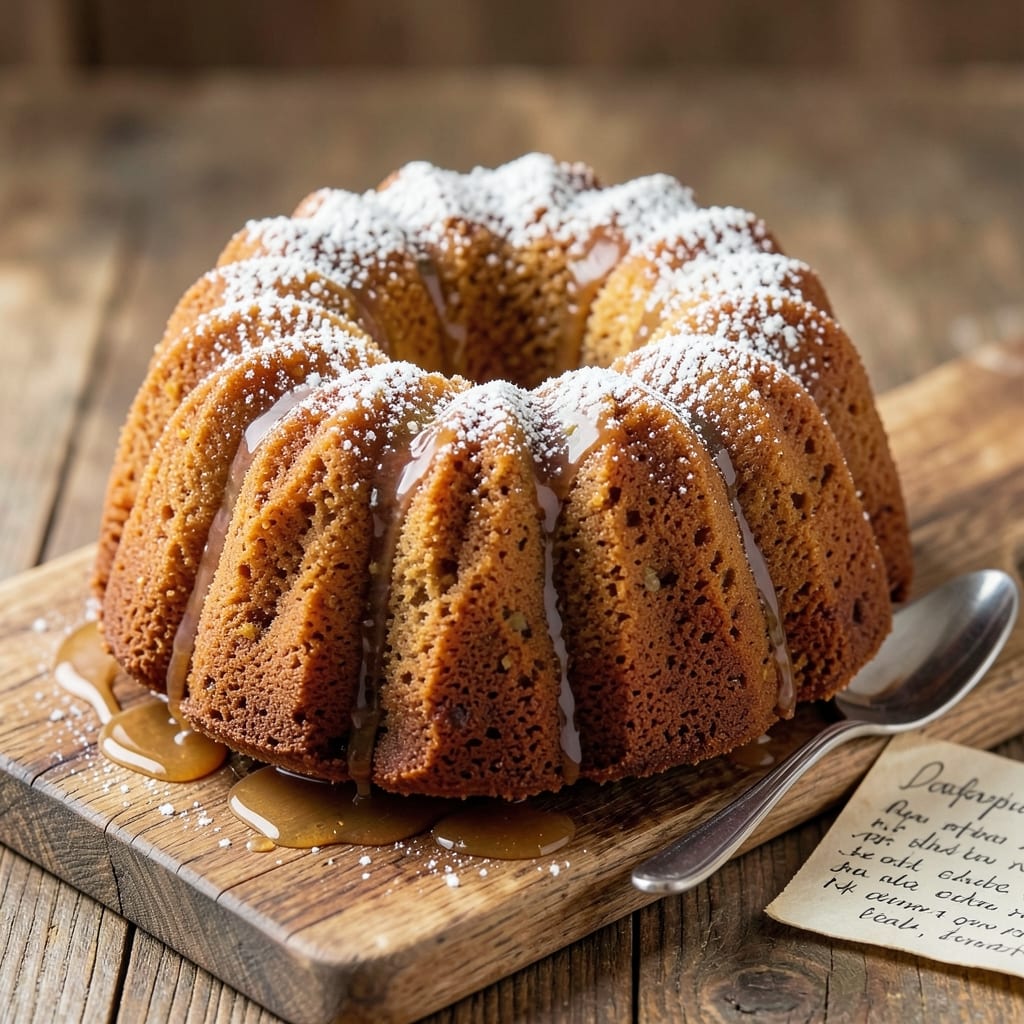
This 6-inch bundt cake recipe delivers the perfect balance of tender crumb and delicate vanilla swirls—all baked in a single tin for minimal cleanup. 💛 The secret lies in precise measurements and gentle folding of vanilla bean paste into the batter, creating those signature ribbons that make every slice a showstopper. Whether you're hosting a brunch or need a single-serving treat, this recipe delivers restaurant-quality results with just one pan.
The magic happens in the batter preparation: room-temperature ingredients blend smoothly for a light texture, while the vanilla bean paste infuses each bite with aromatic depth. Baking at the right temperature ensures even rise and golden edges, while the cooling process preserves that signature moistness. No special equipment is needed—just a standard 6-inch bundt pan and patience for the flavors to develop.
What you’ll end up with is a cake so beautifully swirled it looks like a professional bakery made it. The exterior stays tender with just a hint of crispness, while the interior remains velvety and moist—perfect for slicing into perfect wedges. This recipe serves one beautifully, but the leftovers disappear just as quickly.
Ideal for breakfast pastries, afternoon tea, or a special dessert, this bundt cake proves that impressive baking doesn’t require complicated techniques. Let’s get started on creating your perfect single-serving masterpiece.
Ingredients for 6 inch bundt cake
These carefully measured ingredients create the perfect vanilla swirls in one elegant bundt tin.
| Ingredient | Amount | Notes |
|---|---|---|
| All-Purpose Flour 🌾 | 1 ½ cups | Sifted for light texture |
| Granulated Sugar 🍚 | 1 cup | Superfine preferred for smooth batter |
| Vanilla Bean Paste 🌿 | 2 tsp | High-quality for authentic flavor |
| Unsalted Butter 🧈 | ½ cup | Room temperature, full-fat |
| Large Eggs 🥚 | 2 whole | Room temperature for even blending |
| Milk 🥛 | ½ cup | Room temperature, whole preferred |
| Baking Powder 🍞 | 1 ½ tsp | Freshly opened for lift |
| Salt 🧂 | ½ tsp | Fine sea salt preferred |
| Vanilla Extract 🌸 | 1 tsp | Pure Madagascar for depth |
| Powdered Sugar 🍚 | ½ cup | For dusting, sifted |
The vanilla bean paste is non-negotiable here—Nielsen-Massey or Madagascar vanilla from specialty stores delivers that signature aromatic punch. For the flour, King Arthur or Gold Medal brands are ideal—they sift beautifully and create that signature tender crumb. Butter must be room temperature (about 68°F) for smooth folding, so take it out of the fridge 30 minutes before baking. The eggs should be at room temperature too—cold eggs can cause the batter to curdle. If you're in a rush, place them in warm water for 5 minutes.
No vanilla bean paste? Double the vanilla extract and add 1/4 tsp almond extract for depth. Running short on powdered sugar for dusting? Superfine sugar works in a pinch, but sift it well to avoid graininess. The milk can be swapped for heavy cream or coconut milk for richness, but whole milk keeps the texture light. For a gluten-free version, substitute 1:1 gluten-free flour blend—just be sure to sift it thoroughly. The baking powder must be fresh: if it's more than 6 months old, test it by mixing with water—it should bubble vigorously.
This batter keeps beautifully in the fridge for up to 2 days—just bring it to room temperature before baking. The finished cake stores well at room temperature for 3 days, wrapped tightly in plastic. For longer storage, freeze the baked cake (without dusting) for up to 3 months. To serve, slice into wedges and dust generously with powdered sugar. The swirls look best when sliced with a serrated knife—dip it in hot water first for clean cuts. Leftovers? Reheat briefly in the microwave for 10 seconds to restore moisture.
Why You'll Love This Recipe
- No Mixer Needed: I swear by this recipe on lazy Sundays—just cream the butter and sugar by hand (or use a fork if you're in a rush). The vanilla bean paste adds that rich depth without needing a stand mixer, and honestly? The results are just as tender.
- Vanilla Bomb: That single teaspoon of vanilla bean paste makes all the difference—it’s not just a flavor, it’s an experience. The butter and sugar combo gives it a buttery richness, but the vanilla ties it all together like a warm hug. (Yes, even on a Tuesday night.)
- Portion Perfection: A 6-inch bundt cake is the ideal size—big enough to share, small enough to enjoy without leftovers (unless you’re me, who always sneaks a second slice). It’s my go-to for book club meetups or when I want dessert without committing to a whole 9x13 pan.
- Dollar Stretch: Flour, sugar, butter, eggs—these are pantry staples that don’t break the bank. I’ve made this cake for birthdays, holidays, and just-because moments, and it’s always the crowd-pleaser. Best part? The leftovers freeze beautifully for when cravings hit later.
Step-by-step instructions for vanilla bean swirl bundt cakes
Here's how to bake perfect 6-inch Bundt cakes with those dreamy vanilla swirls—every layer delicious.
👨🍳 Step 1: Whisk Dry Ingredients for Light Texture
In a medium bowl, sift together the 1.5 cups all-purpose flour, 1.5 teaspoons baking powder, and 0.5 teaspoon salt. Whisk gently until just combined—no lumps allowed. This step ensures your cake rises evenly and stays tender. I always sift the flour first because it aerates the batter and prevents dense spots. Set this mixture aside while you prepare the wet ingredients.
Here's the thing—don't overmix. You want to maintain those tiny air pockets created by the baking powder. Once mixed, give the bowl a quick shake to distribute any settled flour at the bottom. This pre-mixing makes the next steps smoother and prevents flour clumps when you combine everything.
🍳 Step 2: Cream Butter and Sugar to Fluffy Perfection
In a separate large mixing bowl, combine the 0.5 cup room-temperature unsalted butter and 1 cup granulated sugar. Using an electric mixer on medium speed, beat for 3-4 minutes until light and fluffy. You'll know it's ready when the mixture nearly doubles in volume and leaves faint ribbons when the beaters are lifted. This creaming process incorporates air, which gives your Bundt cake that signature tender crumb.
I press down on the butter mixture with a spatula during the last 30 seconds to ensure it's fully emulsified. This prevents greasy pockets in the final cake. The butter should be completely smooth with no visible lumps—this is your signal that it's ready for the next ingredients.
👨🍳 Step 3: Add Eggs and Vanilla for Rich Flavor
Add the 2 whole room-temperature large eggs one at a time, mixing on low speed after each addition until fully incorporated. Then stir in the 2 teaspoons vanilla bean paste and 1 teaspoon vanilla extract. The vanilla bean paste adds those beautiful speckles and intense flavor that makes this recipe special. Mix just until combined—overmixing here can develop gluten and make the cake tough.
Here's where it gets fun—the vanilla bean paste will leave visible speckles in your batter. Don't worry if it looks like too much; trust me, those speckles translate to bursts of flavor in every bite. After adding the vanilla, scrape down the sides of the bowl to ensure everything is evenly distributed before adding the dry ingredients.
🥘 Step 4: Combine Wet and Dry Ingredients Gently
With the mixer on low speed, gradually add the dry ingredients to the wet mixture. Mix just until combined—about 30 seconds. You should still see some flour streaks, which means you haven't overdeveloped the gluten. Then, add the 0.5 cup room-temperature milk and mix for another 15 seconds until just incorporated. The batter should be smooth with a thick, pourable consistency.
This is the moment that matters: don't overmix. The second the flour disappears completely, stop mixing. Overmixing creates a tough cake instead of the tender texture you're after. If you're unsure, give the batter a quick stir by hand with a spatula—just enough to ensure everything is evenly distributed.
⏰ Step 5: Prepare and Bake the Bundt Cake
Preheat your oven to 350°F. Generously grease a 6-inch Bundt pan with butter or baking spray, then dust with powdered sugar. Tap out any excess sugar so it doesn't interfere with the swirls. Pour half of the batter into the prepared pan, then swirl it gently with an offset spatula to create your first layer of vanilla speckles.
Add the remaining batter and create another swirl, then gently tap the pan on the counter to release any air bubbles. Bake for 45-50 minutes until a toothpick inserted in the center comes out clean. The cake should be golden brown and spring back gently when touched. Here's the key: don't open the oven door during the first 30 minutes—this helps maintain even heat and prevents the cake from sinking.
🍽️ Step 6: Cool and Dust with Powdered Sugar
Remove the cake from the oven and let it cool in the pan for 10 minutes. Then invert it onto a wire rack to cool completely. While still warm, dust the top generously with the 0.5 cup powdered sugar for that classic Bundt cake finish. The powdered sugar not only looks beautiful but also helps set the swirls and adds a subtle sweetness.
For the best results, let the cake cool completely before slicing—this ensures clean cuts and prevents crumbs. Serve warm with whipped cream or a scoop of vanilla ice cream for the ultimate vanilla bean experience. Each slice should reveal those perfect swirls of vanilla speckled batter, proving that simple ingredients can create something truly special.
Pro Tips For Making 6 Inch Bundt Cake
- MIX DRY INGREDIENTS FIRST: I learned this the hard way—adding butter and eggs to flour before sifting creates lumps that ruin the cake’s texture. Sift the flour and sugar together first, then cut in the cold butter until it’s pea-sized. This keeps the crumb light and avoids that dense, gummy mess you hate.
- USE ROOM-TEMP EGG WHITES: Cold eggs from the fridge won’t whip properly, and that means your bundt cake’s rise will be uneven. Take the whites out 10 minutes before whipping—just enough to let them warm slightly. You’ll get fluffier peaks and a cake that actually holds its shape.
- SKIP THE OVEN RACK MIDDLE: The top third of your oven is hotter, but the bottom third is where bundt cakes actually bake evenly. Place the pan on the lowest rack and tent with foil after 30 minutes to prevent over-browning. No more burnt tops or raw centers.
- GREASE WITH BUTTER THEN FLOUR: Oil alone won’t stick to a nonstick bundt pan—it’ll leak everywhere. Rub the pan with softened butter, then dust with flour, tapping out the excess. This guarantees a clean release and a cake that doesn’t stick, even if you’re impatient like me.
Common mistakes when making great 6 inch bundt cake
Overmixing the Batter
This is the #1 mistake that turns tender bundt cake into dense brick. When you mix the wet and dry ingredients together, stop as soon as the flour disappears—about 30 seconds total. Overmixing develops gluten, which creates a tough, chewy texture instead of that signature delicate crumb. I've ruined many cakes by letting the mixer run too long, so trust your instincts: the batter should still have slight flour streaks when you're done. 💫
Skipping Room-Temp Ingredients
Cold butter, eggs, or milk can cause the batter to separate or create dense pockets in your cake. Always let your butter, eggs, and milk sit at room temperature for at least 30 minutes before mixing. For butter, I take it out of the fridge while I'm preheating the oven. Room-temperature ingredients blend smoothly and create that light, airy texture we all love. Cold ingredients can also cause the cake to sink in the center.
Poor Pan Preparation
Failing to properly grease and dust your bundt pan is a fast track to a stuck cake. Use butter or baking spray to coat the pan thoroughly, then dust generously with powdered sugar. Tap out any excess sugar so it doesn't interfere with the swirls. I like to use a pastry brush for the butter and then shake the pan to distribute the sugar evenly. A well-prepared pan ensures clean release and those perfect swirl patterns that make bundt cakes so special.
Opening the Oven Too Soon
Resist the urge to check on your cake during the first 30 minutes of baking. Every time you open the oven door, you lose heat and create air currents that can cause the cake to sink or develop a dome in the center. The cake should bake for 45-50 minutes at 350°F with minimal interference. I set a timer and only open the oven when I'm absolutely sure the time is up—patience pays off with a perfectly risen cake.
Underbaking or Overbaking
Bundt cakes need to bake until a toothpick inserted in the center comes out clean, but don't let them overbake either. Overbaking dries out the cake and makes it crumbly. I pull mine out when the edges are golden brown and the center springs back gently when touched. The cake will continue cooking slightly as it cools, so it's better to err on the side of slightly underdone. For a 6-inch pan, 45-50 minutes is typically perfect—your oven may vary, so keep an eye on it after 40 minutes.
Improper Cooling Technique
Letting your bundt cake cool too quickly in the pan can cause it to collapse or develop a soggy bottom. Always let it cool in the pan for 10 minutes before inverting onto a wire rack. This gradual cooling helps set the structure. Then, let it cool completely before slicing—about 1-2 hours. I've seen many cakes crack or develop a gummy texture when sliced too soon. The powdered sugar dusting should happen while the cake is still warm but firm enough to hold its shape. 💛
Nutrition facts
Frequently asked questions
Can I make this recipe without vanilla bean paste?
Yes! Replace the 2 teaspoons vanilla bean paste with 2 teaspoons vanilla extract plus ¼ teaspoon almond extract for depth. For visual swirls, fold in ½ teaspoon vanilla sugar or finely grated vanilla bean seeds. The flavor won't be identical, but you'll still get beautiful speckles and rich vanilla aroma.
How do I get the cake to release cleanly from the pan?
Grease the pan thoroughly with butter or baking spray, then dust generously with powdered sugar (tap out excess). For extra insurance, use a pastry brush to apply a thin layer of melted butter after dusting. Let the cake cool in the pan for 10 minutes before inverting—this helps the structure set before release. A well-prepared pan makes all the difference!
Can I bake this in a different-sized bundt pan?
This recipe is specifically designed for a 6-inch pan to create single-serving portions. For a 10-inch pan, increase baking time by 10-15 minutes (check at 55 minutes) and use 1.5x the batter. The swirl technique works best in smaller pans—larger pans may require adjusting the swirl pattern to fit the shape. Always reduce oven temperature by 25°F for bigger pans to prevent over-browning.
Why did my cake sink in the middle?
This usually happens from opening the oven too early or underbaking. Keep the door closed for the first 30 minutes of baking at 350°F, and bake until a toothpick comes out clean (45-50 minutes for 6-inch). If your oven runs hot, reduce temperature to 325°F. Also check that your leavening agents (baking powder) are fresh—old powder loses lift.
How should I store leftovers?
Wrap the cooled cake tightly in plastic wrap or store in an airtight container at room temperature for 3 days. For longer storage, freeze slices (without dusting) for up to 3 months. To serve, let frozen slices thaw at room temperature for 15-20 minutes or reheat briefly in the microwave (10 seconds) to restore moisture. The swirls look best when dusted with powdered sugar just before serving!