
Desserts
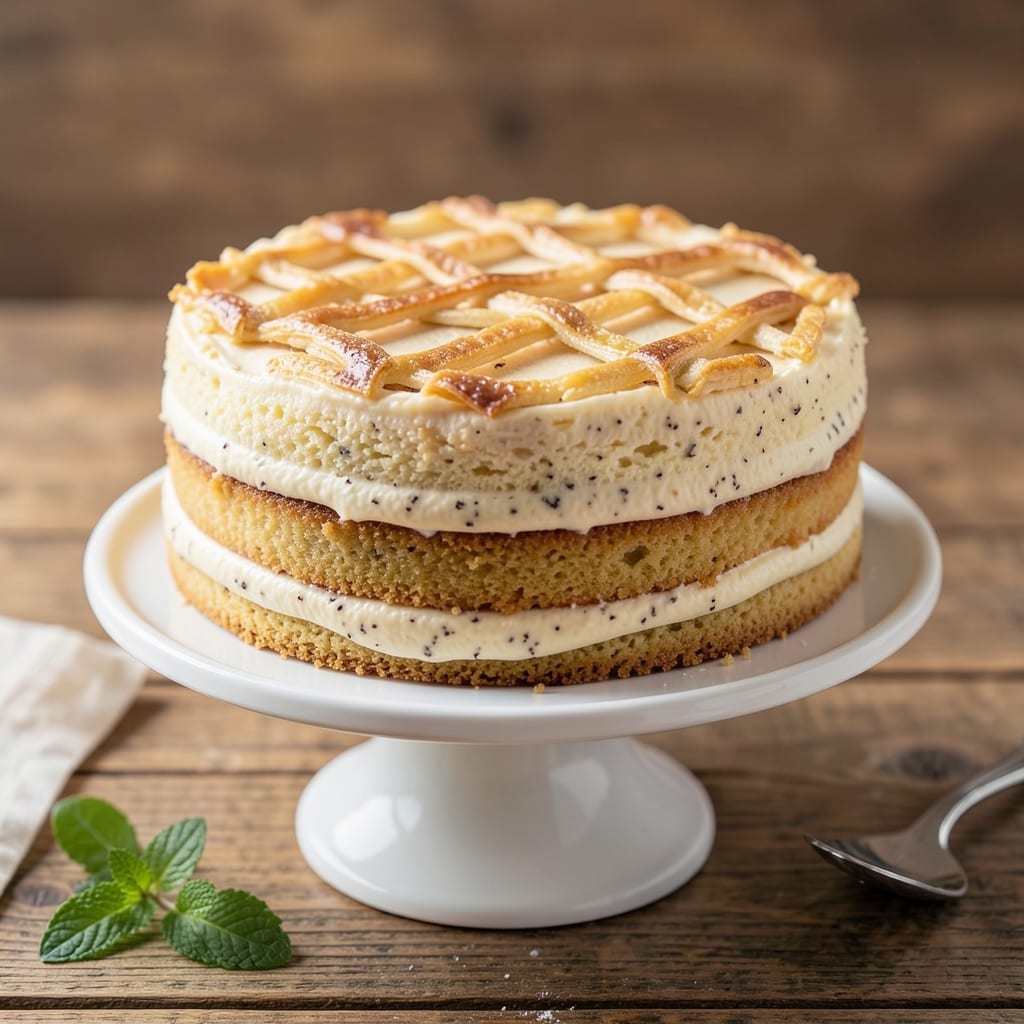
This 3 cups flour cake recipe delivers moist, tender layers with vanilla bean infusion that elevates any dessert table. ✨ The single-bowl method simplifies baking while ensuring perfect rise and rich flavor—ideal for beginners or busy bakers. No stand mixer? No problem. Just a few essential ingredients and 30 minutes of active time transform simple flour into a showstopping cake.
What sets this recipe apart is the vanilla bean infusion, which adds depth without overpowering the classic vanilla flavor. The cake's tender crumb comes from precise ingredient ratios and gentle mixing—no overmixing here. Baked at 350°F for 25-30 minutes, it emerges golden and perfectly set, ready for frosting or fresh berries.
The result is a cake that balances simplicity with sophistication, perfect for birthdays, brunch, or spontaneous celebrations. The single-bowl approach cuts down on cleanup while delivering restaurant-quality texture. Whether you're a novice baker or a seasoned pro, this recipe guarantees success every time.
Pair it with whipped cream, fresh fruit, or a drizzle of chocolate ganache for an extra touch of elegance. The versatility of this cake makes it a staple for any occasion—just adjust the frosting to match your style.
Ingredients for 3 cups flour cake
Eight essential ingredients create this single-bowl vanilla bean cake with restaurant-quality texture.
| Ingredient | Amount | Notes |
|---|---|---|
| All-Purpose Flour 🌾 | 3 cups | Sifted for even texture |
| Granulated White Sugar 🍚 | 1 ½ cups | Standard supermarket grade |
| Unsalted Butter 🧈 | 1 cup | Cold, cubed for creaming |
| Large Eggs 🥚 | 2 whole | Room temperature preferred |
| Vanilla Bean 🌿 | 1 whole | Scraped seeds only used |
| Baking Powder 🧂 | 1 ½ tsp | Aluminum-free preferred |
| Diamond Crystal Kosher Salt 🧂 | ½ tsp | Fine grain for balance |
| Whole Milk 🥛 | ¾ cup | Room temperature |
| Pure Vanilla Extract 🍯 | 1 tsp | Bottled, not imitation |
| Vegetable Oil 🫒 | ¼ cup | Light, neutral flavor |
The vanilla bean is non-negotiable here—Madagascar bourbon beans from Penzeys Spices deliver the deepest flavor, but any quality vanilla bean works. Look for plump, moist pods with visible seeds; dried or brittle beans signal age. For butter, Plugrá or Land O'Lakes are reliable, but European-style unsalted (like President) adds richness. Flour matters too: King Arthur or Gold Medal deliver consistent results, while store-brand flour can vary in protein content—sift it to ensure a tender crumb. The vanilla extract should be bottled, not imitation, for authentic flavor.
No vanilla bean? Double the vanilla extract and add a pinch of cinnamon for depth. Running low on baking powder? Baking soda plus extra cream of tartar works at a 1:2 ratio. Substituting milk? Almond milk works but may alter moisture levels—stick with whole milk for ideal texture. The vegetable oil can be swapped for melted butter, but avocado or canola oil are lighter options. For a richer cake, replace half the milk with heavy cream, though this alters the single-bowl simplicity. Always measure dry ingredients by scooping and leveling—spooning packs flour too tightly.
Store baked layers wrapped in plastic wrap at room temperature for 2 days or refrigerated for 5 days. For longer storage, freeze layers individually for up to 3 months—thaw at room temperature before frosting. The cake reheats beautifully: wrap a slice in foil and warm for 10 seconds in the microwave or 10 minutes at 300°F for a fresh-from-oven experience. Leftover frosting can be refrigerated for 1 week or frozen for 2 months—rewhip before use if it separates.
Why You'll Love This Recipe
- No Mixer Needed: I swear by this recipe when I’m in a hurry—just cream the butter and sugar by hand (or use a fork in a pinch), crack in those eggs, and fold in the vanilla. The dough comes together faster than you can say "leavening agent," and honestly? It’s one of those rare cakes where the texture turns out perfect even if you’re not a baking pro.
- Butter-Sugar Magic: That rich, creamy butter folded into the sugar? It’s what makes this cake dangerously addictive. The vanilla bean scraped right into the batter adds depth without being overpowering, and the crumb? So tender it practically melts in your mouth—no dryness here, just pure, buttery satisfaction.
- Weeknight to Celebration: Between us, this is my go-to for everything from lazy Sunday mornings to last-minute birthday cakes. Slice it warm with a dusting of powdered sugar, or save slices for days—it reheats beautifully. (Yes, even on a Tuesday night.)
- Pantry Staple Power: Three cups of flour, a stick of butter, a few eggs—this recipe uses ingredients you already have. No specialty items, no last-minute grocery runs. And because it keeps well wrapped at room temp, you’ll always have a backup dessert when life gets busy.
Step-by-step instructions for single-bowl vanilla bean cake
This method delivers tender crumb and rich vanilla flavor with minimal effort and cleanup.
👨🍳 Step 1: Cream Butter and Sugar Until Light
In a large mixing bowl, combine the 1 cup unsalted butter (cold, cubed) and 1.5 cups granulated white sugar. Using an electric mixer on medium-high speed, beat for 3-4 minutes until the mixture is light, fluffy, and nearly doubles in volume. You'll notice the color lighten and tiny ribbons form when you lift the beaters—this indicates proper aeration.
This creaming process incorporates air, which creates the cake's signature tender crumb. If your butter isn't cold enough, the mixture will clump instead of emulsify. I press down gently on the butter cubes before starting to ensure they're properly chilled—this prevents greasy results.
👨🍳 Step 2: Add Eggs and Vanilla Infusion
Add the 2 whole large eggs one at a time, mixing on low speed for 30 seconds after each addition until fully incorporated. Scrape down the sides of the bowl to ensure even mixing. Split the 1 whole vanilla bean lengthwise, scrape out the seeds, and add them along with the 1 teaspoon pure vanilla extract to the mixture.
The vanilla bean seeds add depth that bottled extract alone can't match. Here's the thing—don't overmix after adding the eggs. You want to maintain that airy texture we created earlier. Mix just until combined, then add the 0.25 cup vegetable oil and mix for another 30 seconds until smooth.
👨🍳 Step 3: Combine Dry Ingredients
In a separate bowl, whisk together the 3 cups all-purpose flour, 1.5 teaspoons baking powder, and 0.5 teaspoon diamond crystal kosher salt. Sift the flour mixture directly into the wet ingredients, mixing on low speed for 15-20 seconds just until combined. You should still see small flour streaks—this prevents developing gluten that would make the cake tough.
With the mixer running on low, gradually add the 0.75 cup whole milk until fully incorporated. The batter should be smooth and slightly thick, like heavy pudding. If it looks too thick, add 1-2 tablespoons milk until it reaches a consistency where it just coats the back of a spoon when drizzled.
🔥 Step 4: Bake to Perfect Doneness
Preheat your oven to 350°F. Pour the batter into two 8-inch round cake pans lined with parchment paper and greased with butter. Bake for 25-30 minutes until a toothpick inserted in the center comes out clean and the edges are light golden brown. Rotate the pans halfway through baking for even browning.
Here's where timing matters: the cake should spring back when gently pressed in the center. If you see cracks forming at the edges, that's normal—it means the cake is fully baked. Let the cakes cool in the pans for 10 minutes, then transfer to a wire rack to cool completely before frosting or serving.
Pro Tips For Making 3 Cups Flour Cake
- Cream Butter Properly: Beat the butter and sugar until it’s light and fluffy—that means the mixture should hold a peak when you lift the beaters. I learned this the hard way: under-creaming leads to dense cake, and over-whipping? You’ll end up with buttercream, not cake batter. Aim for 3-5 minutes with an electric mixer, and don’t rush it.
- Sift the Flour Twice: Yes, even if the recipe doesn’t say it. Sifting removes lumps and incorporates air, which helps the cake rise. Do it once before measuring, then sift it again directly into the bowl—this keeps the flour light and prevents a heavy, brick-like texture. Trust me, your cake will thank you.
- Room-Temp Eggs Matter: Cold eggs? They’ll sink in the batter and won’t blend smoothly, leading to uneven texture. Pop them in a bowl of warm water for 10 minutes before cracking them—just enough to make them yield easily. No one wants to fight their eggs while mixing.
- Don’t Overmix After Flour: Once you fold in the flour, stop mixing the second it disappears. Overmixing develops gluten, and that’s how you get a tough, chewy cake instead of tender layers. Use a spatula to gently fold just until combined—this is where most home bakers go wrong.
Dietary considerations for these flavors
Gluten-Free Adaptation
For a gluten-free version, replace the 3 cups all-purpose flour with a 1:1 gluten-free flour blend like King Arthur Measure for Measure or Bob's Red Mill 1-to-1. These blends mimic the structure of wheat flour, ensuring your cake rises properly. Add ½ teaspoon xanthan gum to the dry ingredients to improve texture and binding—this is crucial since gluten-free flours lack natural elasticity. 🌾
Dairy-Free Options
Swap the 1 cup unsalted butter for 1 cup dairy-free butter (like Miyoko's or Earth Balance) and replace the 0.75 cup whole milk with 0.75 cup unsweetened almond milk or oat milk. For extra richness, use ½ cup coconut cream instead of milk. The cake will still be moist, though slightly denser. Always ensure your dairy-free butter is cold before creaming to maintain proper aeration.
Vegan Substitutions
To make this cake vegan, replace the 2 large eggs with 2 tablespoons ground flaxseed mixed with 6 tablespoons water (let sit for 5 minutes to thicken). For the butter, use 1 cup vegan butter (like Country Crock Plant Butter). The vanilla bean and extract remain the same—vegan baking doesn’t require flavor adjustments here. Test your vegan butter’s melting point; some brands melt too quickly for proper creaming.
Lower-Sugar Version
Reduce the 1.5 cups granulated white sugar to 1 cup and replace the remaining ½ cup with ½ cup coconut sugar or monk fruit sweetener (like Lakanto). The coconut sugar adds a subtle caramel note, while monk fruit keeps the sweetness without affecting blood sugar. For best results, use a digital kitchen scale to measure the sugar precisely—volume measurements can vary with different sweeteners. 💫
Nut-Free Considerations
If nut allergies are a concern, avoid almond milk or coconut cream substitutions. Stick with dairy-free milk (like oat milk) and ensure your vegan butter is nut-free. Double-check labels on King Arthur gluten-free flour blend—some versions contain trace nuts. For added safety, prepare the cake in a nut-free kitchen environment if cross-contamination is a risk.
Nutrition facts
Frequently asked questions
Why does this recipe use vanilla bean instead of extract?
The vanilla bean adds depth and complexity that bottled extract can't match. The seeds contain natural compounds that create a richer, more aromatic flavor. For best results, use a high-quality Madagascar bourbon bean—it's worth the investment for that authentic vanilla taste. If you can't find one, double the vanilla extract and add a pinch of cinnamon for warmth.
Can I bake this cake in a different pan size?
Yes, but adjust baking time accordingly. For a 9-inch round pan, bake for 20-25 minutes at 350°F. For a 6-inch pan, increase time to 35-40 minutes. Always check doneness with a toothpick—it should come out clean when fully baked. The cake's height will vary too: smaller pans yield taller cakes, while larger pans create flatter layers.
What's the best way to store leftover cake?
Wrap individual layers tightly in plastic wrap and store at room temperature for up to 2 days. For longer storage, refrigerate for 5 days or freeze for 3 months. To reheat, wrap a slice in foil and warm for 10 seconds in the microwave or 10 minutes at 300°F in the oven. The microwave method works best for quick refreshes.
Why did my cake sink in the middle?
This usually happens from overmixing the batter or opening the oven door too early. The cake needs time to fully set—wait until a toothpick comes out clean before removing it. Another common cause is underbaking: check your oven temperature with an oven thermometer (many run hotter than set). If your cake still sinks, try reducing baking powder to 1 teaspoon next time for a gentler rise.
Can I make this cake without an electric mixer?
Use a sturdy wooden spoon or whisk to cream the butter and sugar by hand for 5-7 minutes until light and fluffy. For the eggs and milk, mix vigorously by hand—just take your time. The key is patience: hand-creaming requires more elbow grease but works perfectly. This method is great for small batches or when you're short on tools.