
Desserts
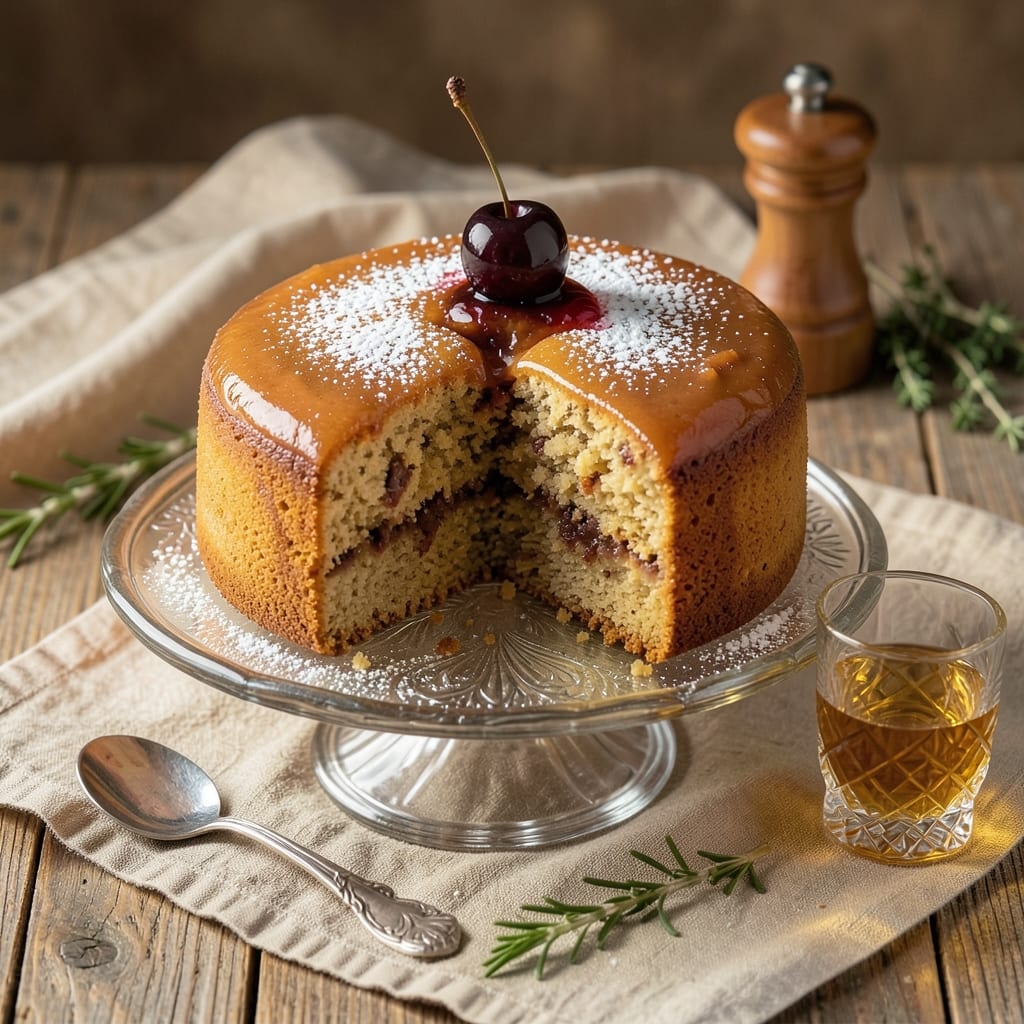
This 1970 Bacardi rum cake recipe brings back the golden era of tropical desserts with its signature boozy moistness and caramelized top. 💛 The 1970s were all about bold flavors and indulgent treats, and this cake—with its rum-soaked layers, creamy filling, and rich glaze—was a staple at dinner parties and beachside gatherings. The secret lies in balancing the alcohol's potency with just enough sweetness to create a dessert that's both sophisticated and approachable.
What makes this recipe special is its foolproof technique for achieving that signature texture: a tender, moist sponge cake infused with Bacardi rum, layered with a velvety cream filling, and topped with a caramelized glaze that adds depth and a touch of nostalgia. Unlike modern rum cakes that often rely on shortcuts, this version stays true to the 1970s tradition while incorporating a few modern twists for easier execution—like using a simple syrup to enhance the rum's flavor without overpowering the cake.
The result is a dessert that’s rich yet balanced, with the rum’s warmth cutting through the sweetness and the caramelized top adding a satisfying crunch. The cake stays moist for days, making it perfect for celebrations or as a decadent treat to enjoy with a cup of coffee. Whether you're recreating a vintage classic or introducing a new generation to the charm of 1970s baking, this recipe delivers.
For those looking to adapt, substitutions like gluten-free flour or coconut oil can keep the spirit of the original while accommodating dietary needs. The key is maintaining the rum's essence—it’s what makes this cake truly unforgettable. Let’s get baking!
Ingredients for 1970 bacardi rum cake
Eighteen ingredients for a nostalgic dessert that balances rum's boldness with delicate caramel perfection.
| Ingredient | Amount | Notes |
|---|---|---|
| All-Purpose Flour 🌾 | 2 ½ cups | Sifted for light texture |
| Granulated Sugar 🍚 | 2 cups | White or light brown |
| Baking Powder 🧂 | 2 tsp | Aluminum-free for best rise |
| Bacardi Rum (White) 🍹 | ¾ cup | 151 proof preferred |
| Unsalted Butter 🧈 | 1 cup | Room temperature, cubed |
| Large Eggs 🥚 | 4 whole | Room temperature |
| Vanilla Extract 🌿 | 2 tsp | Pure Madagascar preferred |
| Salt 🧂 | ½ tsp | Fine sea salt |
| Heavy Cream 🥛 | 1 ½ cups | Cold for filling |
| Powdered Sugar 🍚 | 1 ½ cups | For glaze |
| Dark Brown Sugar 🍚 | ¼ cup | Packed, for caramel |
| Corn Syrup 🍯 | 2 tbsp | For caramel glaze |
| Pecans (Optional) 🌰 | ½ cup | Chopped, toasted |
The Bacardi rum is non-negotiable for authenticity—151 proof delivers the richest flavor without overpowering. Trader Joe's and World Market carry it affordably, though specialty liquor stores offer vintage bottles with deeper character. For the caramel glaze, dark brown sugar from Domino or Florida Crystals ensures a robust molasses flavor. The powdered sugar should be sifted before measuring to avoid clumps in the glaze. If you can't find 151-proof rum, 80-proof works but reduce the amount by half to avoid excess moisture in the cake.
No rum on hand? Dark rum or even vanilla extract at double the amount mimics the warmth, though the boozy depth will differ. Substitute coconut oil for butter if needed—it yields a tender crumb but lacks richness. For a lighter texture, gluten-free 1:1 flour blend works well, though the cake may crumble slightly more. The pecans can be omitted entirely or swapped for walnuts if preferred; toast them in a dry pan for 3-4 minutes to enhance their flavor. If your brown sugar has hardened, grate it for a finer texture in the caramel mixture.
Store the cake in an airtight container at room temperature for up to 3 days, though it's best enjoyed within 48 hours for peak moisture. For longer storage, wrap tightly in plastic and refrigerate for up to 1 week, though the texture may dry out slightly. The glaze hardens at room temperature, so reheat slices briefly in the microwave if it appears too firm. This cake freezes beautifully—portion and wrap individual slices before freezing for up to 3 months. Thaw at room temperature before serving.
Why You'll Love This Recipe
- Pantry-Friendly Magic: I swear by this recipe because it uses stuff I always have—flour, sugar, butter—plus a splash of Bacardi to turn it into something special. No fancy ingredients, no last-minute grocery runs, just pure nostalgia in every bite.
- Moist & Boozy Perfection: That rum soaks in just right, giving it a tender crumb and a subtle, warm kick without tasting like a shot. Honestly, the first time I cut into it, I nearly burned my tongue from excitement.
- Party or Pajamas: Slice it for a dinner party (it’s fancy enough) or grab a fork at midnight when you’re craving something sweet. Between us, I’ve eaten it straight from the pan on lazy Sundays—no judgment here.
- Budget Stretch: The ingredients cost pennies, but the flavor feels luxurious. A whole cake feeds six, and leftovers? They’re the reason I make it twice a month. (Yes, even on a Tuesday night.)
Step-by-step instructions for 1970 Bacardi rum cake
Here's how to achieve that legendary moist crumb and caramelized top—every layer perfected.
👨🍳 Step 1: Prepare the Cake Batter with Rum Infusion
Preheat your oven to 350°F and grease a 9x13-inch baking pan generously with butter, then dust with 2.5 cups all-purpose flour (sifted). Tap out any excess flour—this prevents a dense texture. In a large mixing bowl, cream together 1 cup unsalted butter (room temperature) and 2 cups granulated sugar on medium speed until light and fluffy, about 3-4 minutes. This step is critical for aerating the batter.
Add the 4 whole large eggs one at a time, mixing well after each addition. Stir in 0.75 cup Bacardi rum (white), 2 tsp vanilla extract, and 0.5 tsp salt. Sift in the 2.5 cups all-purpose flour and 2 tsp baking powder, mixing on low speed just until combined. Overmixing develops gluten, so stop when the batter is smooth with no flour streaks. If using, fold in the 0.5 cup chopped toasted pecans now.
🔥 Step 2: Bake Until Golden and Springy
Pour the batter into the prepared pan and smooth the top with a spatula. Bake for 35-40 minutes until a toothpick inserted in the center comes out clean and the edges are deep golden brown. The cake should pull away slightly from the pan edges—this indicates proper doneness. If the top browns too quickly, tent loosely with foil after 20 minutes to prevent over-browning.
I like to check for doneness at the 30-minute mark—the cake should spring back slowly when pressed gently in the center. If it feels slightly underdone, return it to the oven for another 5 minutes. Remove from the oven and let it cool in the pan for 10 minutes before transferring to a wire rack. This resting period ensures even cooling and prevents cracking.
🥘 Step 3: Prepare the Caramel Filling
While the cake cools, make the caramel filling. In a small saucepan, combine 0.25 cup dark brown sugar (packed), 2 tbsp corn syrup, and 1.5 cups heavy cream (cold). Bring to a gentle boil over medium heat, stirring constantly to dissolve the sugar completely. Once boiling, reduce heat to low and simmer for 3-4 minutes until slightly thickened but still pourable.
Remove from heat and let cool for 5 minutes. The mixture should coat the back of a spoon but still be fluid enough to spread. If it thickens too much, whisk in 1-2 teaspoons hot water to loosen. This caramel layer is what makes the cake legendary—don't skip the cooling step or it'll curdle when combined with the cake.
🍳 Step 4: Assemble and Glaze for Moist Perfection
Once the cake has cooled completely, poke holes all over the surface with a skewer or fork, about ½ inch apart. This creates channels for the rum-soaked syrup to penetrate deeply. In a small bowl, whisk together 0.75 cup Bacardi rum (white) and 0.5 cup warm water. Slowly pour this mixture over the cake, letting it absorb completely. This step ensures maximum moisture throughout.
Spread the cooled caramel filling evenly over the top of the cake. Then, in a separate bowl, whisk together 1.5 cups powdered sugar and 2-3 tbsp Bacardi rum (white) until smooth. Drizzle this glaze over the caramel layer and let it drip down the sides for that classic rum cake presentation. The glaze should set slightly as it cools, creating a glossy finish.
⏰ Step 5: Rest and Serve for Optimal Texture
Let the assembled cake rest at room temperature for at least 1 hour before slicing. This allows the flavors to meld and the glaze to set properly. For best results, refrigerate for 2-4 hours before serving—this enhances the rum flavor and prevents the cake from becoming too warm and sticky.
Slice into 8 equal portions and serve at room temperature. Each slice should reveal a moist, tender crumb with a rich rum flavor, a luscious caramel layer, and that signature glossy glaze. The cake will keep well in the refrigerator for up to 5 days, though I find it's best enjoyed within the first 2 days for peak moisture.
Pro Tips For Making 1970 Bacardi Rum Cake
- MEASURE RUM LAST: The recipe calls for ½ cup Bacardi, but I learned this the hard way—adding it too early makes the batter thin and gummy. Mix everything except the rum first, then fold it in right before pouring. The alcohol needs to stay potent, not evaporate into the air while you’re preheating.
- USE COLD BUTTER: This isn’t a creaming recipe, but if your butter’s even slightly warm, the cake will turn dense. Scoop it straight from the fridge, cut it into chunks, and let the heat of the dry ingredients melt it gradually. Trust me, the crumb stays lighter when the butter stays cool.
- DON’T OVERMIX: I used to beat this batter like I was punishing it, but that’s how you end up with a tough, dry cake. Mix the wet and dry ingredients just until the flour disappears—about 20 seconds max. The rum’s job is to keep things tender, not fight against overworked gluten.
- CHILL THE BATTER: Pour the batter into your pan, then pop it in the fridge for 15 minutes before baking. This prevents the rum from turning the top into a sad, cracked mess. The cake will rise more evenly, and the texture stays moist instead of collapsing in the middle. (Yes, even if you’re impatient like me.)
Flavor customization for this dish
Rum Intensity Control
Adjust the rum's boldness by modifying the quantity—start with the full 0.75 cup for classic 1970s flavor, but reduce to 0.5 cup if you prefer a milder taste. For extra depth, swap 151-proof Bacardi white rum for aged dark rum (like Appleton Estate), which adds caramel and spice notes. If you're avoiding alcohol entirely, replace the rum with 2 tbsp vanilla extract + 2 tbsp dark corn syrup for a similar aromatic profile. 🍹
Sweetness Balance
Tweak the sugar ratios to suit your preference. For a richer cake, increase the dark brown sugar in the caramel filling to 0.35 cup (packed). If you love extra sweetness, add 1 tbsp powdered sugar to the cake batter. Conversely, for a more balanced flavor, reduce the granulated sugar to 1.75 cups and compensate with an additional 1 tbsp vanilla extract to enhance natural sweetness.
Caramel Variations
Experiment with the caramel layer for unique twists. Swap the corn syrup for honey (same amount) to create a floral, slightly tangy caramel. For a salted caramel effect, sprinkle ½ tsp flaky sea salt over the hot caramel mixture before spreading it on the cake. Alternatively, add 1 tsp cinnamon to the caramel for a spiced rum cake variation that’s perfect for fall gatherings.
Texture Adjustments
For a lighter, airier texture, fold ½ cup whipped egg whites into the batter just before baking. If you prefer a denser, fudgier cake, replace 0.5 cup of the all-purpose flour with 0.5 cup cake flour (or mix in 2 tbsp cornstarch). To add crunch, press crushed graham crackers or toasted coconut flakes into the caramel layer before glazing.
Flavor Layering
Infuse the rum with complementary flavors before using it in the recipe. Simmer 0.5 cup rum with 1 cinnamon stick and 2 star anise pods for 5 minutes, then strain and use in place of plain rum. For citrus notes, add zest of 1 lime to the batter alongside the vanilla extract. These infusions add complexity without altering the cake’s signature moistness. ✨
Nutrition facts
Frequently asked questions
Why does this 1970s rum cake need to rest before slicing?
The 1-hour rest at room temperature (or 2-4 hours in the fridge) is crucial for two reasons: First, it lets the rum-soaked syrup fully absorb into the cake layers, preventing a dry crumb. Second, it allows the caramel filling to set properly so it doesn't ooze out when sliced. Skipping this step often results in a cake that's either too sticky or falls apart.
Can I substitute regular rum for Bacardi in this recipe?
While you can use other white rums, Bacardi's specific flavor profile—clean, slightly sweet with a smooth finish—is what makes this cake authentic. For the closest substitute, choose a 151-proof rum like Havana Club or Flor de Caña. If using 80-proof rum, reduce the amount by half to prevent excess moisture in the batter.
How do I prevent the cake from becoming too boozy?
The rum's alcohol burns off during baking, but for a milder flavor, try these tricks: Preheat your oven to 375°F instead of 350°F to evaporate more alcohol, or reduce the rum to 0.5 cup while adding 1 extra tbsp vanilla extract to maintain sweetness. For extra insurance, bake the cake for 45 minutes instead of 35-40 minutes to let more alcohol cook off.
What's the best way to store leftovers?
Keep the cake in an airtight container at room temperature for up to 3 days, though it's best enjoyed within 48 hours for peak moisture. For longer storage (up to 5 days), refrigerate the whole cake, tightly wrapped in plastic. To revive slices, warm them in the microwave for 10-15 seconds—this melts the glaze and brings back that fresh-baked texture.
Can I make this cake in a bundt pan instead of a 9x13-inch pan?
Technically yes, but the texture will differ significantly. A bundt cake will have thinner layers and less surface area for the rum glaze, resulting in a drier crumb. For best results, stick with the 9x13-inch pan for the signature layered moistness. If you're set on bundt, reduce the batter by 15% and add an extra 2 tbsp rum to compensate for the smaller surface area.