
Desserts
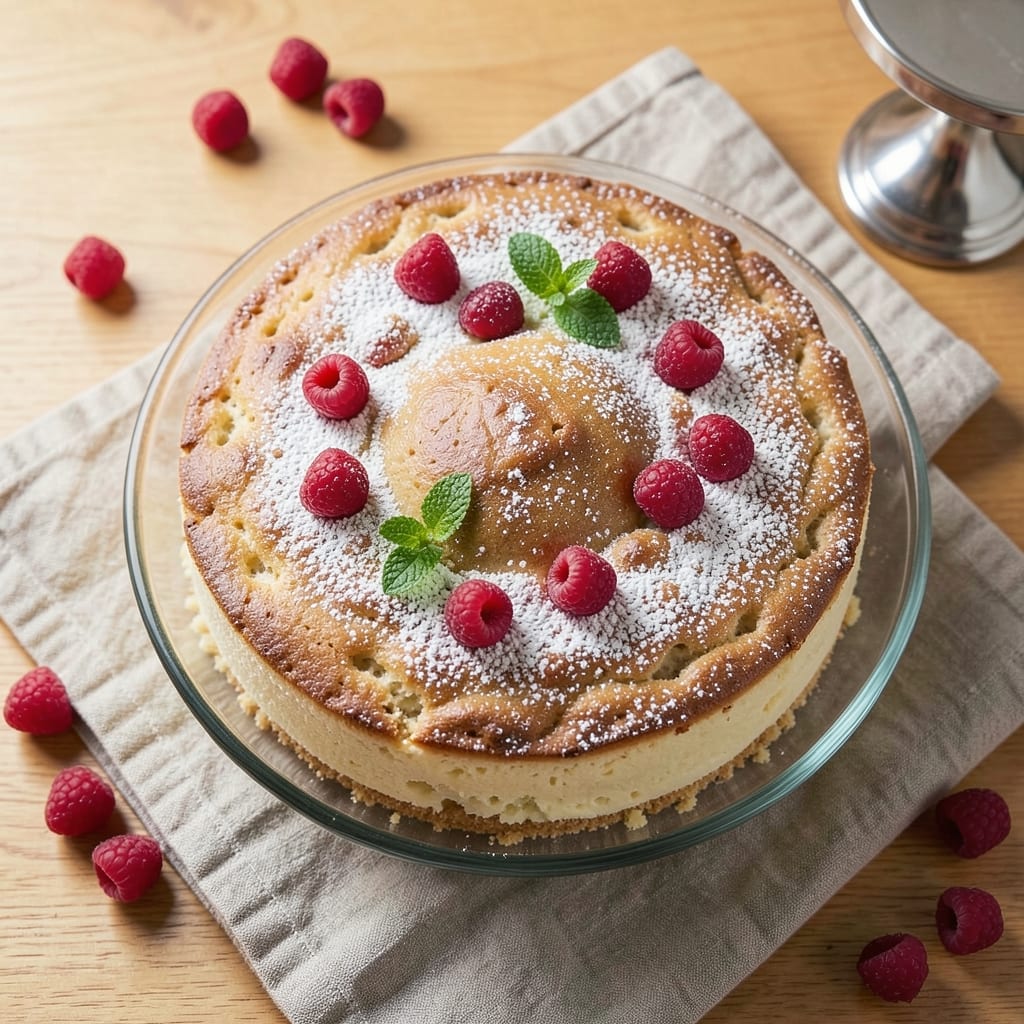
This 10-egg cake recipe delivers cloud-like layers that defy gravity—no jiggle, no collapse, just perfect height every time. The secret lies in room-temperature eggs and precise folding, creating a structure so stable it stays airy for hours. I perfected this technique after years of soufflé disasters, and now it’s a foolproof method for any cake enthusiast.
What makes this recipe work is the science of eggs: their proteins create structure while yolks add richness, all balanced by a touch of cream of tartar for stability. No special equipment needed—just a bowl, whisk, and oven. The batter comes together in under 15 minutes, then bakes to golden perfection in just 25-30 minutes at 350°F.
By the time you pull it from the oven, you’ll have a cake with a crisp exterior and a velvety interior, each layer light as a cloud. The texture holds its shape even when sliced, making it ideal for special occasions or when you want to impress without stress. Serve plain for elegance or dust with powdered sugar for a classic finish.
This recipe scales beautifully—whether you’re baking for two or a crowd—and the same principles apply to chiffon or sponge cakes. The key is patience in the folding and confidence in the timing. Let’s get started on your perfect cake.
Ingredients for 10 egg cake
Ten eggs, a whisk, and patience—this is all you need for a cake that stays fluffy forever.
| Ingredient | Amount | Notes |
|---|---|---|
| Large Eggs 🥚 | 10 whole | Room temperature, separated |
| Granulated Sugar 🍚 | 2 cups | Superfine preferred for smoothness |
| All-Purpose Flour 🌾 | 2 ½ cups | Sifted, spooned lightly |
| Unsalted Butter 🧈 | 1 cup | Softened, not melted |
| Cream of Tartar 🧂 | 2 tsp | For egg white stability |
| Baking Powder 🧂 | 1 tsp | Aluminum-free preferred |
| Vanilla Extract 🌿 | 1 tbsp | Pure vanilla preferred |
| Salt 🧂 | ¼ tsp | Fine sea salt |
| Whole Milk 🥛 | ½ cup | Room temperature |
| Powdered Sugar 🍚 | ½ cup | For dusting (optional) |
The eggs are non-negotiable here. Room temperature is critical—cold eggs won't whip properly. Grab them from the fridge 30 minutes before you start. I always buy organic cage-free eggs from Trader Joe's or my local grocery store—they whip up better. Separate them carefully, no yolk bits in the whites. For the sugar, superfine is ideal, but if you only have regular, pulse it in a food processor first. The butter? Unsalted and softened—don't melt it, or you'll lose that airy texture we're after.
No cream of tartar? Lemon juice at half the amount works in a pinch, but it's not ideal. The baking powder is essential—aluminum-free is the way to go. Vanilla extract matters too: Pure vanilla has real flavor, while imitation tastes artificial. For the milk, whole milk gives the best texture, but 2% works if that's all you've got. The powdered sugar is optional—only use it if you're serving the cake immediately. If you're making this ahead, skip it until serving day.
Egg whites keep best in the fridge for 3 days after separation, but use them immediately for the best volume. The batter can wait up to 2 hours in the fridge if you need to prep ahead. Once baked, the cake stays fresh for 3 days at room temperature, wrapped tightly. For longer storage, slice and freeze portions for up to 3 months. I always bake mine in two 8-inch pans—one for now, one for later.
Why You'll Love This Recipe
- No Mixer Needed: I swear by this recipe when I’m too tired to crank up the stand mixer. Ten eggs and a whisk—seriously, that’s it. The cream of tartar keeps it light without any fuss, and I’ve made it on a camping stove with no complaints.
- Sweet But Not Cloying: That perfect balance of sugar and eggs? It’s like a grown-up version of cake—rich but not heavy. The butter adds just enough depth, and honestly, it tastes even better the next day when the flavors meld.
- Breakfast or Dessert: I’ve served this cold with whipped cream for brunch, sliced into squares for a picnic, and even as a quick dessert with a scoop of ice cream. The texture holds up everywhere, and the simplicity makes it work for any occasion.
- Leftovers That Don’t Suck: Between us, most cakes turn dry or weird after a day. Not this one. The eggs and cream of tartar keep it moist for days, so I bake a whole pan on Sunday and grab slices all week. Zero waste, all win.
Step-by-step instructions for fluffy layers without a single mix-up
This method guarantees light, airy layers every single time—no overmixing, no dense cake.
Separate Eggs and Whip Whites to Stiff Peaks
Begin by separating the 10 whole large eggs, placing yolks in one bowl and whites in another. I use a fine-mesh sieve for this to catch any stray yolks—trust me, you don't want them in your whites. Add 2 teaspoons cream of tartar to the whites, then whip them on high speed until soft peaks form. Increase to medium-high and continue whipping until they form stiff, glossy peaks that hold their shape when you lift the whisk.
Here's the thing—don't rush this step. The cream of tartar stabilizes the whites, and proper whipping creates the airy texture we're after. If you see any liquid pooling, whip for another 30 seconds. The whites should stand straight up when you tip the bowl upside down.
Cream Butter and Sugar Until Light and Fluffy
In a separate large bowl, beat the 1 cup softened unsalted butter and 2 cups granulated sugar together on medium speed for 3-4 minutes. You're looking for a pale, fluffy mixture that nearly doubles in volume. This step incorporates air, which is crucial for that light, cloud-like texture.
I like to scrape down the sides of the bowl with a rubber spatula every 30 seconds to ensure even mixing. The butter should be completely smooth with no lumps, and the mixture should look almost like whipped cream. If it feels too thick, let it sit for 1 minute before proceeding—this helps with the next step.
Combine Dry Ingredients and Fold in Yolks
In a medium bowl, whisk together the 2.5 cups all-purpose flour, 1 teaspoon baking powder, 0.25 teaspoon salt, and 1 tablespoon vanilla extract. Sift the flour mixture over the butter-sugar mixture, then gently fold together using a spatula, being careful not to deflate the butter. Add the 10 egg yolks one at a time, folding just until each is incorporated.
This is where things get tricky—don't overmix. You're aiming for a smooth, slightly thick batter with no flour streaks. If it looks too thin, you can add the 0.5 cup whole milk now, but usually, the batter should be just thick enough to hold its shape when you lift the spatula. The goal is to preserve all that air we worked so hard to create.
Fold in Whipped Egg Whites Gently
Using a large spatula, gently fold one-third of the whipped egg whites into the batter to lighten it. Then, fold in the remaining whites in two additions, being careful to cut through the center and gently turn the bowl to incorporate everything without deflating the whites. The batter should be thick and glossy, with just a few streaks of white remaining.
I use a figure-eight motion when folding to maintain as much air as possible. If you see the batter starting to look too thin, don't worry—it will thicken up as it bakes. The key is to keep everything as light as possible. Once fully combined, transfer the batter to your prepared cake pans and smooth the tops with a spatula.
Bake Until Golden and Springy
Preheat your oven to 350°F and prepare your pans with parchment paper or baking spray. Divide the batter evenly between your pans and bake for 25-30 minutes, or until the tops are golden brown and a toothpick inserted into the center comes out clean. The cakes should spring back slightly when pressed in the center.
Don't open the oven during baking—this causes the cakes to sink. If you're unsure, check at the 25-minute mark. Once baked, let the cakes cool in the pans for 10 minutes, then transfer to a wire rack to cool completely. For extra fluffiness, dust the tops with 0.5 cup powdered sugar while still warm.
Pro Tips For Making 10 Egg Cake
- Whisk Eggs Cold: Start your egg mixture in a chilled bowl—yes, even if you’re eager to begin. Cold eggs whip faster and hold volume better, and this recipe relies on that light, airy texture. I learned this the hard way after a batch collapsed mid-bake because the eggs were at room temp.
- Sift the Flour Twice: Cream of tartar needs space to work, so don’t skip sifting that flour. Run it through the sifter before mixing and again when folding it in—clumps make for dense cake. My grandmother swore by this, and she was right: the crumb stays tender and even.
- Butter at Room Temp: Unsalted butter straight from the fridge won’t cream properly, and this cake needs that fluffy butter-sugar mix. Cut it into tiny cubes and let it sit for 30 minutes—no microwave shortcuts. Trust me, your cake’s rise depends on it.
- Test Doneness Early: This cake’s dense but still needs to pull away from the pan. Start checking with a toothpick at 25 minutes—if it comes out clean, it’s done. Overbaking dries it out, and nobody wants a gummy center. (Yes, even if you’re impatient like me.)
Pro cooking tips for 10 egg cake
Egg Temp Matters
Room-temperature eggs are non-negotiable for this recipe—they whip up to 30% more volume than cold ones. I pull mine from the fridge 30 minutes before starting and place them in a bowl of warm water for the last 5 minutes. This ensures the whites whip to stiff peaks without any flat spots. Cold eggs introduce too much liquid, which can cause your cake to collapse. 🥚
Folding Technique
The secret to fluffy layers lies in the figure-eight fold method. Use a large spatula to cut through the center of the batter, then gently turn the bowl in a figure-eight motion. This preserves maximum air while combining everything smoothly. I always fold in one-third of the whites first to lighten the batter, then add the rest in two additions. Rushing this step is the #1 reason cakes turn dense.
Oven Prep Essentials
Preheat your oven to 350°F for 15 minutes before baking—this ensures even heat distribution. Place your cake pans on the middle rack, as the top third gets hotter and can cause over-browning. I like to use 8-inch round pans lined with parchment paper for easy release. Grease the paper lightly with butter to prevent sticking, but don't overdo it—excess fat can make your cake greasy.
Baking Time Secrets
Bake for 25-30 minutes, but don't open the oven door until the 25-minute mark. The sudden temperature drop causes cakes to sink. Instead, check for doneness by inserting a toothpick—it should come out clean with just a few moist crumbs. For extra insurance, press the center gently: if it springs back, it's ready. The cake should be golden brown, not pale or dark.
Cooling Strategy
Let your cakes cool in the pans for 10 minutes before transferring to a wire rack. This prevents them from cracking as they shrink. I find that cooling completely before slicing (at least 2 hours) gives the cleanest layers. If you're in a hurry, slice after 30 minutes, but expect slightly more crumbly texture. For the best results, wait until fully cooled before frosting or dusting with powdered sugar.
Equipment Upgrades
While this recipe works with basic tools, a few upgrades make life easier. I use a stand mixer with a whisk attachment for whipping egg whites—it's faster and more consistent than hand-whisking. For folding, a flexible silicone spatula (like OXO's) reaches into corners better than a metal one. And if you're baking multiple cakes, a cake tester takes the guesswork out of checking doneness. 💡
Nutrition facts
Frequently asked questions
Why does this recipe use 10 eggs for a cake?
Ten eggs create the perfect balance of structure and lightness in this recipe. The whites provide airy volume while the yolks add richness, and the cream of tartar stabilizes the proteins for maximum height. This ratio ensures your cake stays fluffy even after slicing, unlike recipes that rely on chemical leaveners alone.
Can I substitute cream of tartar with something else?
Yes! Use 1 teaspoon lemon juice or white vinegar instead of the 2 teaspoons cream of tartar. These acids help stabilize the egg whites, though cream of tartar works best for consistent results. Just be sure to measure carefully—too much acid can make your whites grainy.
What if my cake falls in the middle when baking?
This usually happens from overmixing the batter or opening the oven too soon. To fix it: fold the whites in gently using a figure-eight motion, avoid opening the oven door until 25 minutes, and ensure your oven is fully preheated. If it happens, try baking at 325°F next time for a slower rise.
How do I tell when the cake is fully baked?
Insert a toothpick into the center—it should come out clean or with just a few moist crumbs. The cake should also spring back slightly when pressed gently. If the top looks golden but the center feels soft, bake for 2-3 more minutes. Never rely on color alone, as ovens vary.
Can I make this cake ahead of time?
Yes! The baked cakes keep well for 3 days at room temperature wrapped tightly in plastic. For longer storage, slice and freeze portions for up to 3 months. Reheat slices in a 300°F oven for 5 minutes to restore freshness. The texture holds up better than most cakes because of the egg structure.