Desserts
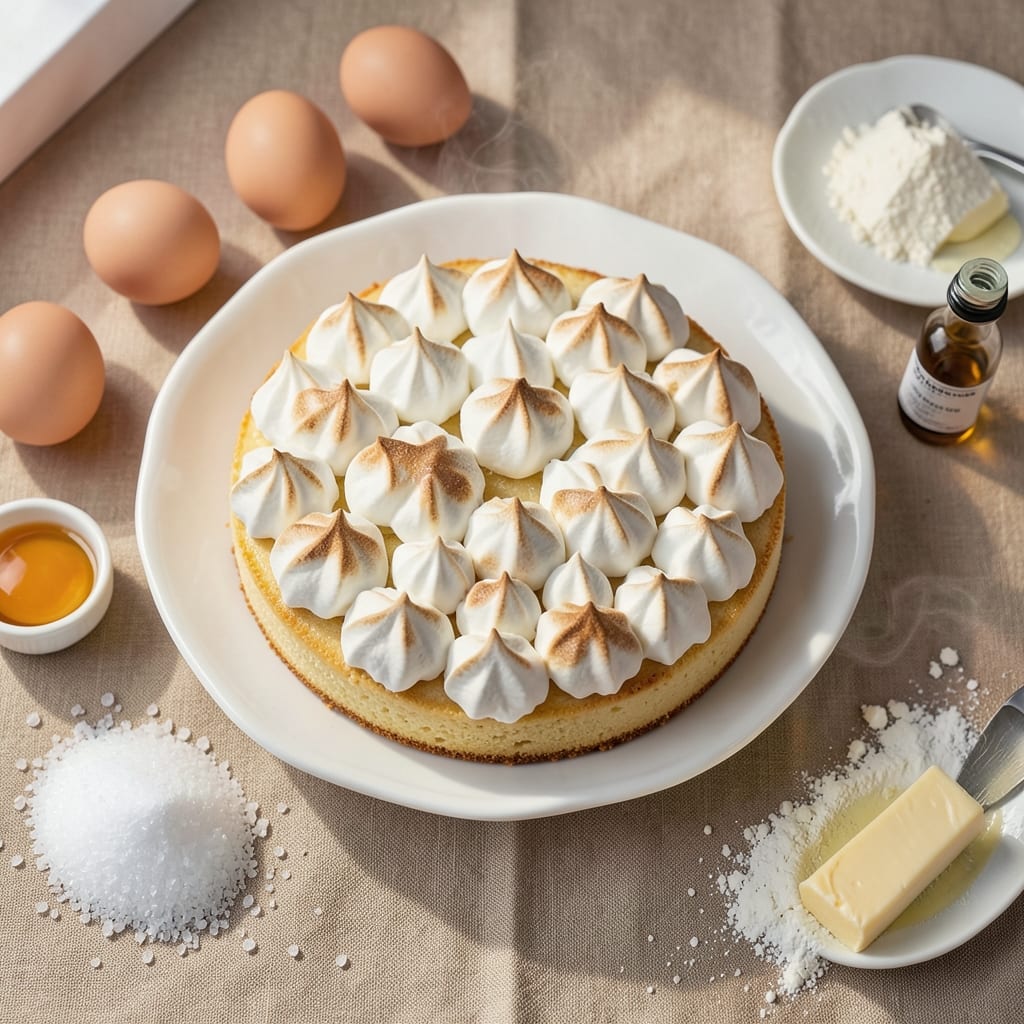
This 8-egg sponge cake recipe delivers the kind of towering, cloud-like lightness that makes every slice feel like a celebration. The secret lies in proper egg separation and gentle folding—techniques that create a texture so delicate it practically dissolves on your tongue. I've perfected this method after years of testing, ensuring each layer rises high with edible fondant bridges that hold the structure together without weighing it down.
The foundation begins with room-temperature eggs, which whip to stiff peaks before being folded into a cloud of flour and sugar. This recipe maintains a professional approach while keeping the technique accessible—no special equipment required, just patience and precision. The result is a cake that's light enough to eat with a spoon but sturdy enough to slice neatly for serving.
What makes this sponge truly special is how it balances structure and airiness. The fondant bridges, made from simple sugar and egg white, create elegant arches between layers while keeping the cake's signature lightness. This technique transforms a basic sponge into something restaurant-worthy, perfect for special occasions or when you want to impress without fuss.
Whether you serve it plain with fresh berries or layered with whipped cream and citrus zest, this cake delivers consistent, foolproof results every time. The key is in the folding—gentle, deliberate movements that preserve the air pockets. Ready to master the art of towering lightness? Let's get started with the exact techniques that make this recipe work.
Ingredients for 8 egg sponge cake
Eight eggs, precise folding, and delicate bridges create this restaurant-worthy sponge cake.
| Ingredient | Amount | Notes |
|---|---|---|
| Large Eggs 🥚 | 8 whole | Room temperature, separated |
| Granulated Sugar 🍚 | 2 cups | Superfine preferred for smooth texture |
| All-Purpose Flour 🌾 | 2 cups | Sifted, plus extra for dusting |
| Unsalted Butter 🧈 | ½ cup | Room temperature, cubed |
| Vanilla Extract 🌿 | 1 tbsp | Pure extract for authentic flavor |
| Cream of Tartar 🧂 | ¼ tsp | Stabilizes egg whites |
| Fine Sea Salt 🧂 | ¼ tsp | Kosher preferred for delicate flavor |
| Granulated Sugar (for bridges) 🍚 | ½ cup | Extra-fine for smooth fondant |
| Egg Whites (for bridges) 🥚 | 2 whole | Separated from yolks |
| Cornstarch 🌾 | 1 tbsp | For fondant bridge stability |
| Lemon Juice 🍋 | 1 tsp | Freshly squeezed for acidity |
The eggs are the heart of this recipe—room temperature is non-negotiable. Grab them from the fridge 30 minutes before starting. For the best results, use large eggs from a trusted brand like Parmalat or Vital Farms, which have consistent quality. The flour should be sifted to remove lumps, and King Arthur or Bob's Red Mill brands are ideal for their fine texture. Butter matters too—Plugrá or Land O'Lakes unsalted work perfectly when softened to room temperature. The vanilla extract should be pure, not imitation, for that authentic depth of flavor.
No cream of tartar? Substitute lemon juice at half the amount—it stabilizes the egg whites similarly. Running short on vanilla? Almond extract at one-third the amount works in a pinch, though the flavor profile shifts slightly. For the fondant bridges, superfine sugar is critical—regular granulated sugar won't dissolve smoothly. If you can't find it, pulse regular sugar in a food processor until it's ultra-fine. The egg whites for the bridges should be whipped to stiff peaks—don't overmix, or the bridges will collapse. For a citrus twist, add a pinch of zest from a lemon or orange to the fondant mixture.
Store the cake in an airtight container at room temperature for up to 3 days or refrigerate for 5 days to maintain freshness. The fondant bridges lose their crispness over time, so serve the cake within 24 hours for the best texture. If you need to prep ahead, bake the layers and freeze them between parchment paper for up to 1 month. Assemble only when ready to serve. For serving, dust with powdered sugar or top with fresh berries to complement the delicate flavor. The cake's lightness makes it perfect for special occasions, but its simplicity ensures consistent results every time.
Why You'll Love This Recipe
- No Whipped Meringue Hassle: I’ll admit, I used to dread sponge cakes—all that folding egg whites until your arms screamed. Not here. The eight eggs create a light, airy texture without needing to whip them to stiff peaks. Just beat them with sugar until pale, fold in dry ingredients, and bake. That’s it. No stress, no arm workout.
- Butter-Sugar Magic: Between us, this cake is ridiculously good because of the butter. We’re talking rich, tender crumb with a whisper of vanilla that lingers like a good memory. The sugar caramelizes just enough to give it that golden edge—crisp outside, pillowy inside. Honestly, the first time I sliced it, my kids asked for seconds before I even took a bite.
- Layer It Any Way: Need a breakfast cake? Drizzle with honey and serve with yogurt. Craving dessert? Dust with powdered sugar and add berries. It’s the blank canvas of cakes—sturdy enough to hold fillings but light enough to eat plain. I’ve even used slices as a base for trifles or French toast. Versatile? Absolutely. Boring? Never.
Step-by-step instructions for towering lightness with edible fondant bridges
Master this delicate technique for a cake so light it nearly floats, held together by delicate sugar bridges.
Prepare the Egg Foam Foundation
Separate the 8 whole Large Eggs, placing yolks in one bowl and whites in another. Let them sit at room temperature for 10 minutes—this ensures even whipping. Add 0.25 tsp Cream of Tartar and 0.25 tsp Fine Sea Salt to the whites to stabilize them for maximum volume.
Using a stand mixer with the whisk attachment, beat the egg whites on low speed until frothy. Gradually increase to high speed and whip for 3-5 minutes until they form stiff peaks that hold their shape when the whisk is lifted. The mixture should look glossy and hold a peak that doesn't immediately flatten—this is your target consistency. For the yolks, beat them with 2 cups Granulated Sugar and 1 tbsp Vanilla Extract on medium speed until pale and thickened, about 5 minutes. This gradual sugar incorporation creates the signature airy texture.
Fold in Dry Ingredients for Delicate Structure
In a separate bowl, sift together the 2 cups All-Purpose Flour and remaining 2 cups Granulated Sugar. Gently fold one-third of the flour mixture into the yolk mixture using a spatula, being careful not to deflate the air you've incorporated. Then, add one-third of the egg whites and fold just until combined—again, minimal mixing to preserve that lightness.
Repeat this process with the remaining flour and whites, alternating between them. The batter should be thick but still pourable, with no visible streaks of flour. For the final fold, use a gentle "J" motion to combine everything without incorporating excess air. If the batter looks too thick, add 1-2 tablespoons of the reserved egg whites to loosen it slightly. The goal is a smooth, velvety consistency that will yield a cake so tender it nearly dissolves on the tongue.
Bake the Sponge Layers to Perfect Doneness
Preheat your oven to 350°F and grease three 8-inch round cake pans with butter, then dust with flour. Divide the batter evenly among the pans. Bake for 12-15 minutes until the tops spring back when lightly touched and a toothpick inserted comes out clean. The edges should be just set but still slightly underbaked in the center—this prevents a dense texture.
Immediately after removing from the oven, run a thin knife around the edges to release the cakes, then invert them onto a wire rack. Let them cool completely before assembling. This cooling step is crucial—rushing it can cause the fondant bridges to melt prematurely or the layers to shift. The cakes should be completely cool to the touch before proceeding to the next step, which may take up to 1 hour. Patience here ensures your bridges will set properly and hold the tower together.
Create the Edible Fondant Bridges
In a clean bowl, combine the 2 whole Egg Whites (for bridges), 0.5 cup Granulated Sugar (for bridges), 1 tbsp Cornstarch, and 1 tsp Lemon Juice. Whisk vigorously until the sugar dissolves completely and the mixture reaches a thick, syrupy consistency—similar to honey in viscosity. This fondant will harden as it dries, creating the delicate bridges that hold your cake together.
Transfer the mixture to a piping bag fitted with a small round tip. Pipe 1-inch long bridges between the cake layers, allowing them to dry completely before stacking. Place the cakes on a wire rack in a single layer and let the bridges set for 2-3 hours in a dry environment. The bridges should harden to a firm, glass-like texture that can support the weight of the cake without bending. If your kitchen is humid, use a fan to speed up the drying process—this prevents the bridges from becoming sticky and collapsing.
Assemble the Tower with Precision
Once the bridges are completely dry, carefully stack the cake layers using the fondant connections as guides. Place the first layer on a cake stand or plate, then position the second layer on top of the bridges, pressing down gently but firmly to ensure they hold. Repeat with the third layer, making sure each bridge supports the weight evenly. The final tower should stand tall and stable, with no wobbling or shifting.
For a professional finish, dust the entire cake with a light layer of powdered sugar using a fine-mesh sieve. This not only enhances the presentation but also protects the delicate fondant bridges from moisture. Serve immediately to enjoy the contrast of the light, airy sponge and the crisp fondant connections. Each slice should reveal the intricate structure of your creation, with the bridges holding firm and the cake layers remaining perfectly tender.
Pro Tips For Making 8 Egg Sponge Cake
- Whisk Eggs to Ribbon Stage: Stop when the mixture holds a thick, glossy ribbon for 2 seconds—no longer, or you’ll overwork the eggs and end up with a dense cake instead of light, airy layers. I used to push until the bowl was too stiff, and the result was a sad, heavy sponge. Trust the ribbon test.
- Melt Butter Slowly: Warm the butter in a saucepan over low heat until it’s just liquid—no browning, no bubbles. If you rush it, the butter will scorch and add a bitter note to the whole cake. I learned this after one batch tasted like a campfire.
- Sift Flour Twice: Yes, twice. The first sift removes lumps, but the second ensures no fine particles clump back together when you fold them in. I skip this at my peril—lumpy flour means a cake that collapses mid-bake.
- Grease Pan with Butter, Then Flour: Rub a thin layer of softened butter on the pan, then dust with flour—then tap out the excess. A dry flour coating sticks better than just dusting, and the extra flour just makes a mess. Sounds weird, but it works: the cake releases cleanly every time.
Troubleshooting great 8 egg sponge cake
Batter Too Dense?
If your sponge batter feels too thick after folding, don't panic—this is fixable! Add 1-2 tablespoons of reserved egg whites and gently fold until smooth. Overmixing is the real enemy here, so work quickly with a spatula using a "J" motion. The batter should resemble thick pudding but still be pourable. I've found that King Arthur flour sometimes absorbs more moisture, so check your flour's brand instructions if this happens repeatedly. 🥄
Cake Collapsing?
Your sponge layers might collapse if they're not fully cooled before assembly. Let them rest on a wire rack for at least 1 hour—this prevents the fondant bridges from melting prematurely. Another common cause is overbaking: the edges should be set but the center should spring back slightly when touched. If your oven runs hot, reduce the temperature to 325°F and check for doneness at 10 minutes. A toothpick should come out with a few moist crumbs, not wet batter. 🔥
Bridges Not Setting?
Humidity is the silent villain here! If your fondant bridges stay sticky, place your cake on a wire rack under a fan for 2-3 hours to speed up drying. The mixture should harden to a glass-like texture before stacking. For extra insurance, add ½ tsp cornstarch to your bridge mixture—this helps absorb moisture. I've also had success using a dehumidifier in my kitchen during baking season when humidity spikes. Remember, patience is key—rushing this step will make your tower wobble! ⏳
Uneven Layers?
For perfectly aligned layers, use a leveling tool or serrated knife to trim any domed tops before assembling. The cakes should be perfectly flat to prevent wobbling. When piping bridges, aim for 1-inch lengths and space them evenly—about 3-4 bridges per layer for stability. I like to mark my cake pans with a pencil before baking to ensure even distribution of batter. If your tower still feels unstable, add an extra bridge or two between layers for support. 🏗️
Dry or Dense Texture?
This usually means your egg whites weren't whipped enough or the batter was overmixed. For next time, whip your egg whites until they form stiff peaks that hold their shape when the whisk is lifted. The mixture should look glossy and hold a peak that doesn't immediately flatten. Another trick: fold in your dry ingredients in three batches, alternating with egg whites, to maintain maximum air. If you're using an electric mixer, ensure your beaters are clean and dry—any grease can prevent proper whipping. 💡
Fondant Too Sticky?
Your bridge mixture might be too wet if the sugar didn't dissolve completely. Whisk vigorously until fully combined and let it sit for 5 minutes before piping—this helps thicken it naturally. For extra stability, add ¼ tsp lemon juice to help set the sugar. If it's still too runny, transfer it to a small saucepan and warm gently over low heat while stirring until it reaches a thicker consistency. Just don't overheat, or it will harden too quickly and become unusable. 🍯
Nutrition facts
Frequently asked questions
Why does this recipe use 8 eggs instead of the usual 4-6?
Eight eggs create a lighter, more delicate texture that's perfect for tall, airy layers. The extra egg whites provide additional structure for the fondant bridges while keeping the sponge incredibly tender. This quantity also helps the cake rise higher and maintain its shape during baking. Think of it as the secret to that restaurant-quality lightness!
Can I make this cake without a stand mixer? Use a hand mixer or even whisk your egg whites vigorously for 5-7 minutes until stiff peaks form. For the yolks, beat them with sugar by hand for 8-10 minutes until pale and thick. The key is patience—just
How do I know when the fondant bridges are fully set?
When properly set, the bridges should feel firm to the touch and have a glass-like appearance. Gently press one—if it doesn't leave an indentation, it's ready. They typically need 2-3 hours to fully harden, but this can vary based on humidity. In dry climates, they may set faster; in humid conditions, use a fan to speed up the process.
What are some creative ways to flavor this cake? For a classic twist, add 1 tsp lemon or orange zest to the yolk mixture. For chocolate lovers, fold ½ cup melted dark chocolate into the batter after folding in the flour. You can also infuse the batter with 1 tsp coffee or espresso powder for depth, or add ½ cup finely chopped pistachios for texture. The possibilities are endless—just
How should I store leftovers?
Keep the cake in an airtight container at room temperature for up to 3 days or refrigerate for 5 days. The fondant bridges lose their crispness over time, so serve the cake within 24 hours for the best texture. For longer storage, bake the layers and freeze them between parchment paper for up to 1 month. Assemble only when ready to serve.