
Desserts
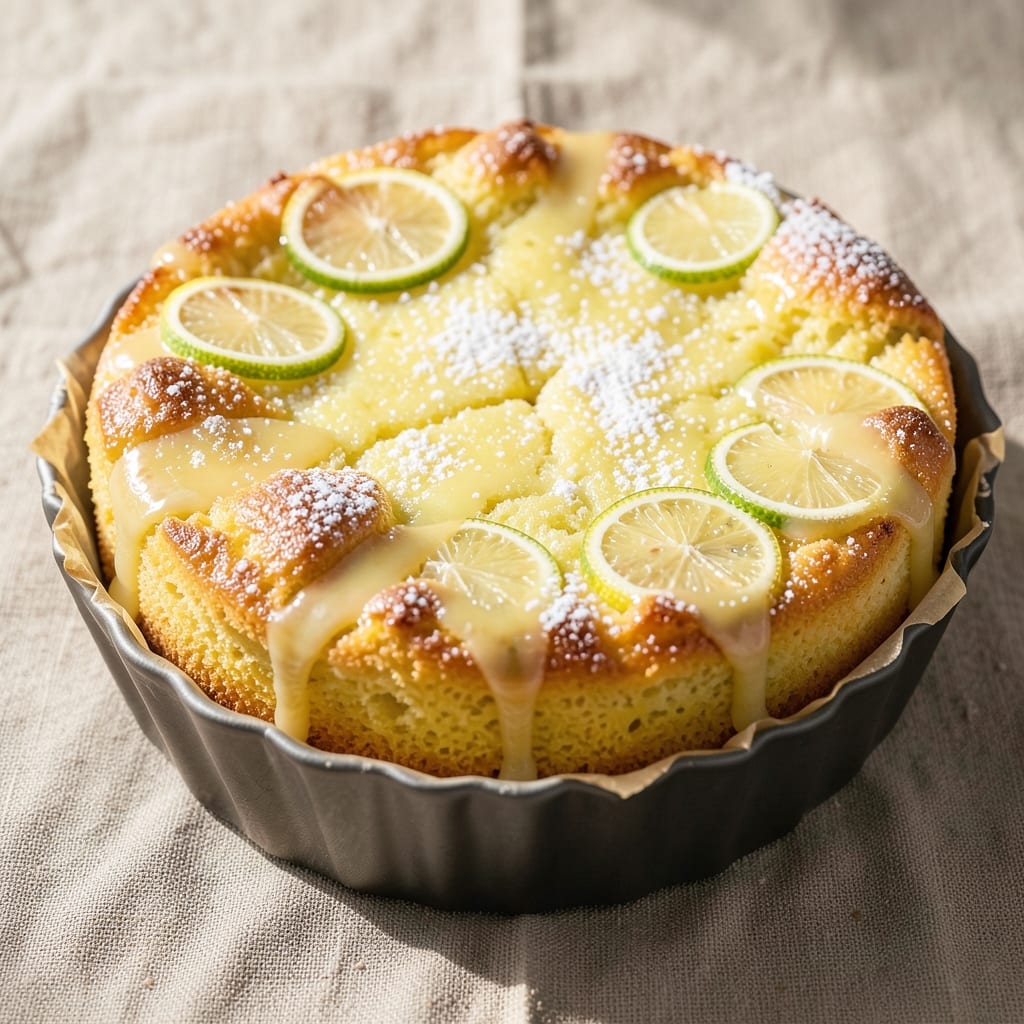
This one-layer lemon cake recipe delivers the perfect balance of bright citrus and buttery richness in a single, foolproof tin. The secret lies in a simple yet precise technique that ensures moist crumb and vibrant lemon flavor without overcomplicating the process. After years of testing variations, I've perfected a method that yields tender layers and a golden crust every time—no fancy equipment required.
The foundation of this cake begins with a basic sponge cake batter enriched with butter and eggs, where the real magic happens through proper layering. Lemon juice and zest infuse each bite with zesty tang, while a touch of baking powder creates just the right lift. Baking at 350°F for about 25-30 minutes ensures even cooking, and the result is a cake that's perfectly set but still tender.
What sets this recipe apart is its simplicity—just a handful of ingredients come together to create a dessert that's both elegant and approachable. The cake's moist texture comes from a precise balance of wet and dry ingredients, while the lemon flavor shines without overpowering the delicate butter notes. Once baked, a light glaze or dusting of powdered sugar adds the perfect finishing touch.
Whether you're serving this as a standalone dessert or pairing it with fresh berries and whipped cream, this one-layer lemon cake is designed to impress with minimal effort. The recipe scales easily for gatherings, and leftovers keep well for up to three days, making it a versatile choice for any occasion.
Ingredients for 1 layer lemon cake
Buttery richness meets vibrant citrus in this foolproof one-layer lemon cake.
| Ingredient | Amount | Notes |
|---|---|---|
| All-Purpose Flour 🌾 | 2 cups | Sifted for even texture |
| Granulated Sugar 🍚 | 1 ½ cups | White granulated preferred |
| Unsalted Butter 🧈 | 1 cup | Cold, cubed for even melting |
| Large Eggs 🥚 | 2 whole | Room temperature for blending |
| Fresh Lemon Juice 🍋 | ½ cup | From 2-3 lemons, freshly squeezed |
| Lemon Zest 🍋 | 2 tbsp | Fine, from organic lemons |
| Baking Powder 🧂 | 2 tsp | Diamond Crystal preferred |
| Salt 🧂 | ½ tsp | Fine sea salt preferred |
| Vanilla Extract 🌸 | 1 tsp | Pure, high-quality vanilla |
| Powdered Sugar 🍚 | ½ cup | For glaze, sifted smooth |
| Heavy Cream 🥛 | ¼ cup | Cold, for glaze consistency |
The butter matters most here. European-style unsalted butter (like Plugrá or Land O'Lakes European Style) gives that signature tender crumb—don't skimp on quality. For flour, King Arthur or Gold Medal brands work best, but any all-purpose will do. Sifting both the flour and baking powder eliminates lumps, which is critical for that light texture. I always measure my flour by scooping and leveling—no packing it down. The lemons? Organic Meyer lemons from the grocery store's produce section give the best balance of sweetness and tartness, but regular lemons work too if that's what you've got.
No fresh lemon juice? Bottled lemon juice works in a pinch, but it lacks the depth of fresh. For zest, a microplane is your best friend—avoid pre-grated zest, which is often dried and dull. Short on butter? Coconut oil in equal amounts keeps things vegan-friendly, though the flavor will differ slightly. The vanilla extract should be pure—imitation extracts (like those in the baking aisle) won't provide the same depth. If you're making this ahead, the batter can sit overnight in the fridge, which actually enhances the lemon flavor. Just let it come to room temperature before baking for even results.
This cake keeps beautifully for 3 days wrapped in plastic at room temperature or 1 week in the fridge. For longer storage, slice and freeze portions for up to 3 months. The glaze sets quickly, so assemble the cake right before serving. If you're feeling fancy, add a dusting of turbinado sugar on top for a decorative crunch. Leftovers? Warm slices in the microwave for 10-15 seconds to restore moisture—no one will guess it's not freshly baked.
Why You'll Love This Recipe
- One-Bowl Wonder: I swear by this recipe—just toss everything into a bowl, mix until the butter melts, then bake. No fancy steps, no extra dishes. The eggs and sugar do all the heavy lifting while you’re still scraping the last of the batter.
- Zesty Magic: That fresh lemon juice isn’t just flavor—it’s the star. The cake stays moist but never cloying, and the tang cuts through the richness of the butter like a bright summer breeze. Honestly, store-bought lemon cake kits can’t compete.
- Weeknight Hero: Slice it warm for breakfast with coffee, pack it for lunch, or serve it chilled with whipped cream. The single layer means no waiting for layers to cool, and it’s light enough to eat straight from the pan if you’re impatient (I’ve been there).
- Budget Bright Spot: Uses pantry staples—flour, sugar, butter—and the lemons? A single fruit lasts for multiple batches. Leftovers? They’re still delicious the next day, whether you reheat them or eat them cold. My wallet and taste buds thank me.
Step-by-step instructions for one-layer lemon cake
Here's the method for a perfectly moist, tangy lemon cake that stays tender without drying out.
Prepare the Dry Ingredients and Butter
Preheat your oven to 350°F and grease an 8-inch round cake pan thoroughly with butter or baking spray. Line the bottom with parchment paper for easy removal. In a medium bowl, whisk together the 2 cups all-purpose flour, 2 teaspoons baking powder, and ½ teaspoon salt until combined. Set aside.
In a separate large bowl, cut the 1 cup unsalted butter into small cubes and let it sit at room temperature for 10 minutes until slightly softened but still cool to the touch. This ensures even melting during mixing without making the batter too warm. Use a hand mixer or stand mixer fitted with the paddle attachment to cream the butter on medium speed for 2-3 minutes until light and fluffy. The butter should nearly double in volume and become pale yellow.
Mix Wet Ingredients and Combine
Add the 1.5 cups granulated sugar to the creamed butter and mix on medium speed for another 3-4 minutes until the mixture is thick, pale, and ribbony. This step incorporates air, which helps create a light texture. Scrape down the sides of the bowl with a spatula to ensure even mixing.
In a small bowl, whisk together the 2 whole large eggs, ½ cup fresh lemon juice, 2 tablespoons lemon zest, and 1 teaspoon vanilla extract until fully combined. With the mixer running on low speed, gradually add the wet ingredients to the butter-sugar mixture, mixing just until incorporated. Avoid overmixing—you should still see small streaks of flour in the batter.
Gently fold in the dry ingredients using a spatula until just combined. The batter will be thick but pourable. Here's the thing—don't overmix. You're looking for a smooth, slightly lumpy batter that holds its shape when you lift the spatula. Overmixing develops gluten, which can make the cake tough.
Bake to Golden Perfection
Pour the batter into the prepared cake pan and smooth the top with a spatula. Tap the pan gently on the counter a few times to remove any air bubbles. Bake in the preheated oven for 30-35 minutes, or until a toothpick inserted into the center comes out clean with just a few moist crumbs clinging to it. The cake should be golden brown at the edges but still slightly springy to the touch in the center.
I like to rotate the pan halfway through baking (after 15-18 minutes) to ensure even browning. If the top browns too quickly, tent the pan loosely with aluminum foil. The cake is done when it pulls away slightly from the edges of the pan and has a springy texture when pressed gently in the center.
Prepare the Lemon Glaze
While the cake bakes, prepare the glaze by whisking together the ½ cup powdered sugar and ¼ cup heavy cream in a small bowl until smooth and glossy. The glaze should be thick enough to coat the back of a spoon but still pourable. If it's too thick, add 1-2 teaspoons lemon juice to thin it out.
Once the cake is completely cooled (at least 1 hour), place it on a wire rack set over a plate to catch any drips. Pour the glaze over the top of the cake and let it drip slightly down the sides. Use a small offset spatula to spread any excess glaze back onto the top for an even finish. The glaze should set in about 10 minutes, creating a beautiful sheen that enhances the lemon flavor.
Serve and Enjoy
Slice the cake into 8 equal wedges using a sharp serrated knife. For cleaner cuts, dip the knife in hot water and wipe it dry between slices. Serve the cake at room temperature—this allows the flavors to fully develop and the texture to soften slightly from the glaze.
The finished cake should have a tender, moist crumb with bright lemon notes throughout, balanced by the sweetness of the glaze. Each bite should be juicy, not dry, with a perfect balance of citrus and buttery richness. Store any leftovers in an airtight container at room temperature for up to 3 days, or refrigerate for up to 5 days.
Pro Tips For Making 1 Layer Lemon Cake
- Cream Butter Properly: Beat the butter and sugar until it’s pale yellow and light, not just fluffy—this takes 3-5 minutes. I used to cut corners here, and the cake turned out dense. The butter needs to fully emulsify with the sugar to create that tender crumb.
- Measure Lemon Juice Precisely: Use a kitchen scale or measuring spoon for the lemon juice—1/4 cup isn’t always 1/4 cup. Fresh juice varies in acidity, and too little makes the cake bland, while too much can turn it sour. I learned this after a batch tasted like lemonade instead of cake.
- Don’t Overmix the Batter: Stop folding in the dry ingredients as soon as they’re just combined—lumps are fine, but overmixing develops gluten and turns your cake tough. I now use a spatula to gently fold, and the texture stays light and airy.
- Bake Until Springy: Check doneness with a toothpick, but also press the center—it should spring back slowly, not bounce like a trampoline. Overbaking dries out the cake, and underbaking leaves it gummy. I now pull mine out when the toothpick has moist crumbs (not wet batter) and let it cool in the pan.
Flavor customization for this dish
Citrus Variations
Swap Meyer lemons for Eureka or Lisbon lemons for a sharper tang—just reduce the juice by 1 tbsp since they're more acidic. For a sweeter twist, add 1 tbsp honey to the batter alongside the lemon juice. I've also tried orange zest (from Navel or Valencia oranges) combined with lemon juice for a hybrid citrus flavor that's surprisingly complex. 🍊
Spice Infusions
Add ½ tsp ground cardamom to the dry ingredients for a Middle Eastern-inspired twist. A pinch of fresh ginger (about ½ tsp grated) complements the lemon beautifully, especially when paired with a honey glaze. For warmth, try ¼ tsp cinnamon—it enhances the citrus without overpowering it. Just be careful not to add too much, or the lemon flavor will get lost.
Flavor Boosters
Fold in ½ cup chopped toasted almonds into the batter before baking for a delightful crunch. A splash of 1 tsp almond extract (instead of vanilla) adds depth that pairs perfectly with lemon. For a tropical vibe, stir in 2 tbsp shredded coconut with the dry ingredients. The texture contrast is amazing, and it works especially well with a coconut milk glaze instead of the standard cream version.
Glaze Alternatives
Replace the cream glaze with a white chocolate ganache for a richer finish. Melt ½ cup white chocolate chips with ¼ cup heavy cream, then drizzle over the cooled cake. A lemon curd drizzle (store-bought or homemade) adds an extra layer of citrus punch. For something lighter, try a powdered sugar and lemon juice swirl—just mix ½ cup powdered sugar with 2 tbsp lemon juice until smooth and drizzle decoratively.
Texture Twists
Add ½ cup crushed pineapple (drained well) to the batter for a moist, fruity surprise. For a marbled effect, swirl in 2 tbsp apricot jam before baking—it creates beautiful streaks that burst with flavor. A sprinkle of crushed graham crackers on top before baking adds a buttery crunch that contrasts perfectly with the soft cake. The possibilities for texture play are endless with this base recipe! 💫
Nutrition facts
Frequently asked questions
Why does my lemon cake turn out dry?
Overbaking is the #1 culprit! The cake is done when a toothpick comes out with moist crumbs (not wet batter). Also, avoid overmixing the batter—stop as soon as flour disappears. For extra moisture, brush the cooled cake with simple syrup (equal parts sugar and water, heated until dissolved).
Can I make this cake without an oven thermometer?
Test your oven's accuracy by baking a simple muffin at 350°F for 15 minutes. If it browns too fast, lower your oven temp by 25°F for this recipe. For a 9-inch pan, reduce baking time by 5 minutes—the smaller surface area cooks faster.
How do I store leftovers to keep them moist?
Wrap the cake tightly in plastic wrap and store at room temperature for up to 3 days. For longer storage, slice and freeze portions for 3 months. To revive stale slices, warm for 10-15 seconds in the microwave with a damp paper towel. The glaze helps preserve moisture better than frosting.
What's the secret to getting that perfect golden crust?
Use European-style butter (like Plugrá) and don't overcream it—stop when the mixture is pale and fluffy. For even browning, rotate the pan halfway through baking. A light spray of water on the oven rack before baking also creates steam that enhances browning.
Can I substitute butter with oil?
Yes, but texture changes! Replace butter 1:1 with melted coconut oil for a vegan option (add 1 tsp extra lemon juice to compensate for oil's neutral flavor). For olive oil, use ⅓ less (it's more potent) and reduce baking time by 5 minutes. The cake will be slightly denser but still delicious.