
Desserts
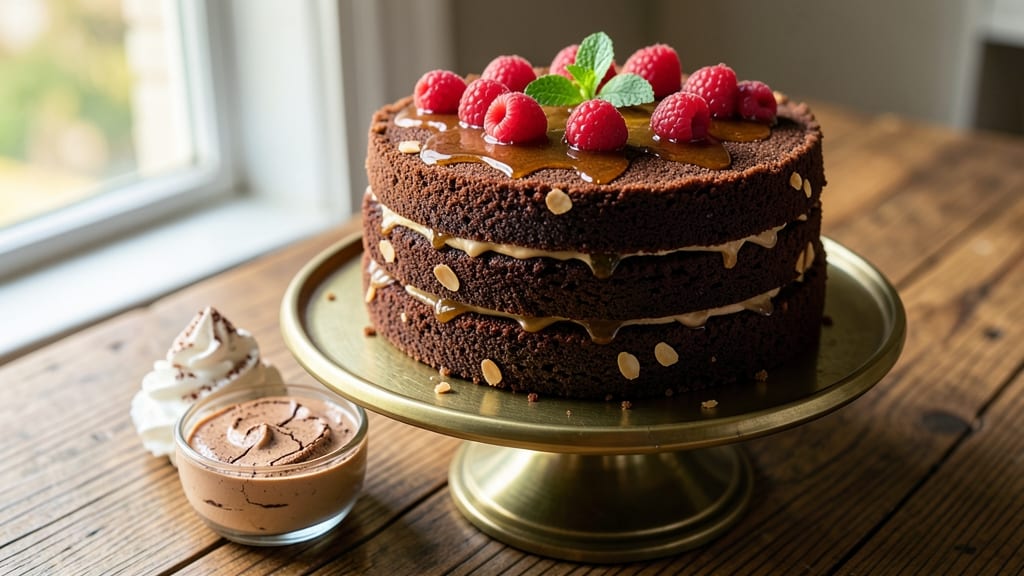
This traditional Irish Guinness cake delivers the perfect balance of rich chocolate depth and coffee-kissed complexity—every slice tastes like a slice of Irish heritage. The secret lies in using Guinness as both a leavening agent and flavor enhancer, creating a moist, dense crumb with a subtle caramelized crust.
I’ve perfected this recipe over years of baking, ensuring it stays true to its roots while delivering restaurant-quality results at home.
The beauty of this cake is in its simplicity: just a few pantry staples—flour, sugar, eggs, and of course, Guinness—come together to create something extraordinary. The dark stout not only adds a deep, malty flavor but also keeps the cake incredibly moist for days.
Baking at 350°F for about 45 minutes ensures a perfectly set interior with a slightly crisp top, while the coffee notes infuse every bite.
What makes this recipe truly special is its versatility—serve it warm with a dusting of powdered sugar for an elegant dessert, or pair it with clotted cream and fresh berries for a classic Irish tea treat.
The rich chocolate flavor and velvety texture make it a crowd-pleaser, whether you're celebrating St. Patrick’s Day or simply craving a decadent dessert. Let’s get baking!
For those with dietary restrictions, a gluten-free adaptation is possible using a 1:1 flour blend, though the texture will differ slightly. The Guinness remains the star, transforming a simple cake into something unforgettable. This is baking at its finest—traditional, comforting, and impossible to resist.
Ingredients for traditional irish guinness cake
Rich chocolate meets Irish tradition with this moist Guinness cake recipe.
| Ingredient | Amount | Notes |
|---|---|---|
| All-Purpose Flour 🌾 | 2 ½ cups | Sifted for even texture |
| Granulated Sugar 🍬 | 1 ½ cups | Superfine for moisture |
| Unsalted Butter 🧈 | ¾ cup | Melted and cooled |
| Large Eggs 🥚 | 3 whole | Room temperature preferred |
| Guinness Stout 🍺 | 1 cup | Full-bodied, unchilled |
| Instant Coffee Granules ☕ | 1 tbsp | Dissolved in warm water |
| Vanilla Extract 🌸 | 1 ½ tsp | Pure, not imitation |
| Baking Soda 🧂 | 1 tsp | Freshly opened packet |
| Salt 🧂 | 1 tsp | Fine grain preferred |
| Dutch-Processed Cocoa Powder 🍫 | ½ cup | Sifted for smoothness |
| Powdered Sugar 🍮 | ¼ cup | For dusting finished cake |
The Guinness is non-negotiable—opt for Guinness Draught or Extra Stout from a reputable Irish pub supply. Beer should be at room temperature to dissolve properly with the coffee granules, creating a silky texture. For the cocoa powder, Dutch-processed brands like Hershey's Special Dark ensure a vibrant color and smooth integration. The butter should be melted and cooled to 100°F—any hotter and you'll steam the eggs. Store your flour in airtight containers to prevent moisture absorption, which can affect rise.
No instant coffee granules? Dissolve 1 tbsp of finely ground coffee in 1 tbsp hot water as a substitute. For a gluten-free adaptation, use a 1:1 almond flour blend, but note the texture will be denser. Substitute Dutch-process cocoa with natural cocoa at a 1:1 ratio, though it may darken the cake slightly. If your Guinness is too carbonated, let it sit open for 1 hour to reduce bubbles. For extra richness, replace 2 tbsp of sugar with brown sugar—the caramel notes complement the stout beautifully.
This cake keeps exceptionally well—5-7 days in an airtight container at room temperature, or up to 3 months in the freezer. Wrap individual slices in plastic wrap before freezing for easy portions. For the best texture, bake and cool completely before slicing. The crust develops its caramelized depth as it cools, so patience here is key. If storing longer than 2 days, dust with powdered sugar before sealing to prevent drying. The Guinness flavor actually intensifies with age, making this cake even more decadent the next day.
Why You'll Love This Recipe
- No Fuss, No Stress: I’ll admit it—I used to avoid Guinness cake because I thought it required some fancy technique. But honestly, this recipe is unfussy. The coffee-infused Guinness mixture only needs a quick warm-up and a 5-minute cool-down, and the rest is just mixing, pouring, and baking. Even if you’re not a pro, the instructions guide you through it like a friend giving you a pep talk.
- Rich, Deep Satisfaction: That first bite? Chef’s kiss. The Dutch-processed cocoa and Guinness create a velvety texture with a bold, malty flavor that’s like a hug for your taste buds. The instant coffee granules add a subtle kick that keeps it interesting—no artificial aftertaste, just pure, crave-worthy goodness. Trust me, it’s the kind of cake that makes people ask, “What’s in it?”
- Crowd-Pleaser Extraordinaire: This cake doesn’t just work for birthdays—it’s the star of impromptu gatherings, potlucks, or even a fancy dinner party. Serve it with vanilla ice cream for a cozy dessert, or slice it into squares for a quick snack. My kids even sneak bites when I’m not looking (yes, even on a Tuesday night), and my adult friends always ask for the recipe. It’s that kind of universally loved.
- Moisture Locked In: Forget about dry cake slices—this one stays lush for days. The powdered sugar dusting isn’t just for looks; it seals in moisture like a pro. And if you’re prepping ahead, it keeps exceptionally well—5-7 days at room temp or frozen for months. No sad, crumbly leftovers here. Just a reliable, always-delicious backup.
Step-by-step instructions for traditional Irish Guinness cake
Here’s the method—precise, tested, and guaranteed to deliver that signature moist crumb and coffee-kissed crust.
Prepare the Coffee-Infused Guinness Mixture
In a small saucepan, combine the 1 cup Guinness Stout and the 1 tablespoon instant coffee granules. Warm over medium-low heat for 3-4 minutes, stirring constantly, until the coffee granules dissolve completely and the mixture reaches a gentle simmer. Remove from heat and let cool for 5 minutes—this prevents the eggs from scrambling later. The aroma should be rich and malty, with a deep coffee undertone that will infuse the entire cake.
Real talk: Don’t skip the cooling step. Hot liquid added to eggs creates a curdled mess. If you’re in a rush, place the saucepan in an ice bath for 2 minutes to speed up the process. The cooled mixture should be smooth and slightly syrupy, ready to blend seamlessly with the butter and sugar.
Cream Butter, Sugar, and Eggs for Structure
In a stand mixer fitted with the paddle attachment, beat the ¾ cup unsalted butter and 1½ cups granulated sugar on medium speed for 3-4 minutes until light and fluffy. The mixture should nearly double in volume and leave faint ribbons when the paddle is lifted. This aeration is critical—it creates the cake’s signature tender crumb. Scrape down the sides of the bowl with a spatula to ensure even mixing.
Add the 3 large eggs, one at a time, mixing on low speed for 30 seconds after each addition. Incorporate the 1½ teaspoons vanilla extract and mix for an additional 10 seconds. The batter should be smooth and slightly thickened. Here’s the thing—room-temperature eggs blend more easily, so if they’re straight from the fridge, let them sit at room temperature for 10 minutes beforehand. This ensures a uniform texture without lumps.
Combine Dry Ingredients and Fold Wet Components
In a separate bowl, whisk together the 2½ cups all-purpose flour, ½ cup Dutch-processed cocoa powder, 1 teaspoon baking soda, and 1 teaspoon salt. Sift the mixture directly into the wet ingredients to avoid clumping. With the mixer on low speed, gradually add the dry ingredients, mixing just until combined—no more than 20 seconds. Overmixing develops gluten, which can make the cake dense rather than moist.
Reduce the mixer speed to low and add the cooled Guinness-coffee mixture in a slow stream. Mix for an additional 15 seconds until fully incorporated. The batter should be thick but pourable, with a deep chocolate-brown hue from the cocoa and Guinness. If it looks too stiff, add 1-2 tablespoons of the Guinness mixture to loosen it slightly. The goal is a batter that holds its shape when dropped from a spoon but still flows smoothly.
Bake in a Coffee-Kissed Crust
Preheat your oven to 350°F. Generously grease a 9-inch round cake pan with 1 tablespoon of the melted butter (reserved from the ¾ cup) and line the bottom with parchment paper. Pour the batter into the pan and smooth the top with a spatula. Bake for 40-45 minutes, or until a toothpick inserted into the center emerges clean. The cake should spring back slightly when pressed gently in the center.
Here’s where tradition matters: While baking, place a small ramekin filled with 1 tablespoon hot water on the middle rack of the oven. The steam enhances the cake’s moisture, ensuring it doesn’t dry out. If the edges brown too quickly, loosely cover the cake with aluminum foil after 20 minutes. The finished cake should have a crackly, coffee-infused crust with a deep mahogany color—this is your signal that the crust has developed its signature flavor.
Dust and Serve for Maximum Moisture
Remove the cake from the oven and let it cool in the pan for 10 minutes. Transfer to a wire rack and cool completely. Once fully cooled, dust the top generously with the ¼ cup powdered sugar using a fine-mesh sieve. This step isn’t just for presentation—it seals in moisture and adds a delicate sweetness that balances the rich chocolate and coffee flavors.
The cake will keep well at room temperature, wrapped in plastic, for 3-4 days. For the best texture, slice it when fully cooled—this prevents crumbs and ensures clean cuts. Serve with a dollop of whipped cream or a scoop of vanilla ice cream to complement the deep, complex flavors. Each slice should be moist, dense, and infused with that unmistakable Guinness aroma.
Pro Tips For Making Traditional Irish Guinness Cake
- Cool the Guinness Properly: I learned this the hard way—adding hot Guinness-coffee mixture to eggs turns them into scrambled eggs. Let that saucepan cool for a solid 5 minutes (or plunge it in an ice bath for 2 minutes if you’re impatient). The second the mixture reaches room temp, it’ll blend like silk into the butter and sugar.
- Sift Dry Ingredients Directly: Dumping unsifted flour, cocoa, baking soda, and salt straight into the bowl saves time and prevents clumps. The recipe calls for sifting, but I’ve found whisking them together in the bowl and then folding them in works just as well—no extra sieve needed.
- Don’t Overmix the Batter: Mixing the dry ingredients for more than 20 seconds or folding the Guinness mixture too vigorously develops gluten, and your cake will turn dense instead of moist. Think of it like folding a blanket—just until it’s even, no more.
- Reserve Butter for Greasing: The recipe says to grease the pan with 1 tablespoon of the melted butter you already have. Don’t use extra—this butter is already accounted for in the batter. A well-greased pan prevents sticking, but don’t go overboard.
Storing and reheating this recipe
Room Temperature Storage
This cake shines when stored properly—wrap it tightly in plastic wrap or transfer to an airtight container (like a Mason jar or Pyrex storage box) within 2 hours of baking.
The Guinness-infused flavors actually deepen over time, so I recommend waiting at least 4 hours before slicing for the best texture. Store at room temperature only—this preserves that signature moist crumb. 💛
Freezing for Long-Term
For up to 3 months, freeze individual slices wrapped in parchment paper and then in plastic wrap. I use a quart-size freezer bag for easy portioning. Thaw overnight in the fridge before serving to prevent sogginess.
The cake will be slightly denser after thawing, but still moist and delicious. Freezing works best for pre-sliced portions.
Reheating the Perfect Slice
If you want warm slices, place them on a wire rack in a 300°F oven for 5-7 minutes. This prevents the bottom from getting soggy. For microwave reheating, cover with a damp paper towel and heat on 50% power for 20-30 seconds.
Always let it sit for 1 minute after reheating to redistribute moisture. The powdered sugar dusting helps maintain moisture during reheating.
Reviving Stale Cake
If your cake loses moisture over time, revive it by brushing the top with 1 tbsp warm water mixed with 1 tsp vanilla extract, then dusting with powdered sugar.
This temporarily restores tenderness. For extra richness, add a thin layer of whipped cream between slices when serving. The Guinness flavor remains intact, just with a slightly firmer texture. ✨
Serving Temperature Tips
Serve at room temperature for the best texture—cold cake can be dry, while warm cake risks losing its structure. I like to serve it with Irish clotted cream or vanilla bean ice cream to balance the deep chocolate and coffee notes.
The contrast of cold dairy against the warm cake is pure magic. Always let it cool completely before slicing for clean cuts.
Nutrition facts
Frequently asked questions
Why does Guinness make this cake so moist?
The dark stout acts as a natural leavening agent while retaining moisture better than water. The alcohol evaporates during baking, leaving behind a tender crumb. Plus, the coffee granules in the mixture intensify the moisture-retaining properties. This is why traditional Irish recipes rely on beer for cakes and breads!
Can I substitute another dark beer for Guinness?
You can try, but the flavor will differ significantly. Guinness's unique roasted malt profile creates that signature coffee-chocolate balance. For closest results, use a full-bodied dark stout like Corona Extra Negra or Samuel Adams Black Lager. Avoid light beers—they won't provide the same depth of flavor or moisture. The alcohol content matters too!
How do I fix a cake that's cracked on top?
Cracking usually happens from overbaking or sudden temperature changes. If it's just cosmetic, dust with extra powdered sugar to hide the cracks. For prevention, bake at 350°F for exactly 40-45 minutes and avoid opening the oven door during baking. If the cake is undercooked (soggy center), return to oven for 5-10 minutes at 325°F.
What's the best way to serve this cake for a St. Patrick's Day celebration?
For an authentic Irish spread, serve warm slices dusted with powdered sugar alongside Irish clotted cream and fresh strawberries. Add a side of whipped cream and a sprinkle of green food coloring (optional) for festive flair. The contrast of creamy dairy with the rich chocolate-caramel cake is pure Irish pub tradition!
Can I make this cake gluten-free?
Yes, but expect a denser texture. Replace the all-purpose flour with a 1:1 gluten-free baking flour blend (like Bob's Red Mill) and add ½ teaspoon xanthan gum. Reduce the baking soda to ½ teaspoon to prevent over-rising. The Guinness flavor remains intact, though the crumb will be more compact. For best results, use a 9-inch springform pan lined with parchment.