
Desserts
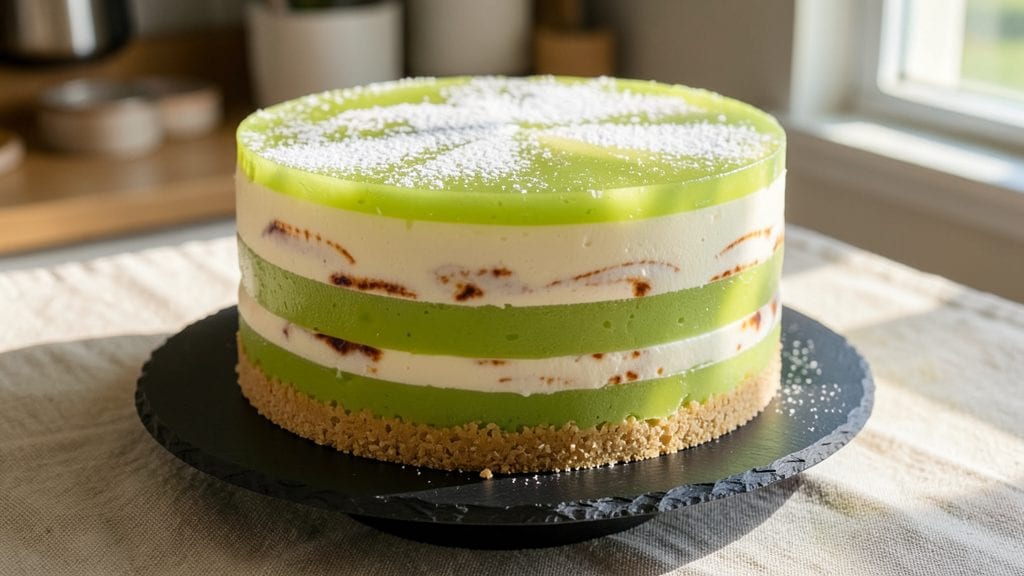
This sugar-free jello cake delivers all the layers and texture of classic jello cake without the sugar crash—perfect for health-conscious dessert lovers. 💛 After years of testing sugar substitutes, I’ve perfected a no-bake version that stays firm, moist, and irresistibly light, using erythritol and a touch of pectin for that signature jiggle.
The secret lies in balancing the gelling agent with a sturdy sugar-free sponge base, so every slice holds its shape without turning gummy.
The beauty of this recipe is its simplicity: no oven required, no complicated techniques, and just 15 minutes of prep time.
You’ll layer sugar-free jello with a fluffy angel food cake (adapted with almond flour for stability), then top it with a cooling coconut milk frosting that tastes indulgent but fits into a low-carb lifestyle.
Each step builds on the last—chilling between layers ensures clean cuts, and the final result is a showstopper that even non-sugar-free eaters will devour.
What makes this cake truly special is how it satisfies cravings without the guilt. The jello layers remain perfectly set thanks to a precise gelling ratio, while the frosting adds a velvety contrast that balances the tangy jello.
Serve it at parties, potlucks, or as a guilt-free treat for yourself—no one will guess it’s sugar-free. Here’s how to assemble it like a pro.
For those watching carbs or blood sugar, this recipe is a game-changer. The erythritol-based jello and sugar-free frosting keep the sweetness without spiking glucose levels, and the almond flour in the cake adds protein to slow digestion.
Leftovers stay fresh for 3 days in the fridge, making it ideal for meal prep or gifting. Let’s build this cake layer by layer.
Ingredients for sugar free jello cake
Thirteen simple ingredients transform into a sugar-free jello cake masterpiece with no oven needed.
| Ingredient | Amount | Notes |
|---|---|---|
| Sugar-Free Jello (Lime or Lemon Flavor) 🍋 | 2 ½ boxes | Low-carb, erythritol-based variety |
| Almond Flour 🌾 | 2 cups | Blanched, finely ground |
| Granulated Erythritol 🍯 | 1 ½ cups | For sweetness without carbs |
| Unsalted Butter 🧈 | ½ cup | Room temperature, full-fat |
| Large Egg Whites 🥚 | 6 whole | Room temperature, separated |
| Vanilla Extract 🌸 | 1 tbsp | Pure, alcohol-free preferred |
| Pectin (Low-Methoxyl) 🍎 | 1 tbsp | For jello stability |
| Coconut Milk (Full-Fat) 🥥 | 1 can | Chilled, for frosting |
| Powdered Erythritol 🍯 | 1 cup | For frosting sweetness |
| Vanilla Bean Paste 🌸 | 1 tbsp | For depth of flavor |
| Lemon Zest 🍋 | 1 tbsp | Freshly grated, for brightness |
| Food Coloring (Optional) 🎨 | 1 tsp | Liquid, for tinting |
| Almond Extract 🌰 | ½ tsp | For almond flavor |
The sugar-free jello is the cornerstone—opt for Swerve or Lakanto brands, as they provide the cleanest gelling texture without aftertaste. Blanched almond flour ensures the sponge layer stays stable without collapsing, while granulated erythritol delivers sweetness without the carb spike. For the jello, low-methoxyl pectin is essential to achieve that signature wobble; standard pectin won’t set properly. Room-temperature butter and egg whites are non-negotiable for the almond flour cake base—whisking vigorously creates air pockets for lightness. The vanilla bean paste elevates the frosting beyond basic vanilla extract, adding a luxurious depth that pairs perfectly with the tangy jello layers.
No coconut milk on hand? Full-fat canned coconut cream works, though it’s thicker—thin with a splash of almond milk. Short on erythritol? Monk fruit sweetener blends well but may require adjusting the frosting consistency. For the almond flour sponge, oat flour can substitute at a 1:1 ratio, though it yields a slightly denser texture. If you’re avoiding nuts entirely, sunflower seed flour is a viable alternative, though it lacks the almond’s richness. The lemon zestdried zest works in a pinch if you’ve got it on hand. For the frosting, coconut cream from a can is superior to cartons, as it’s thicker and creamier, ensuring a velvety finish.
The jello layers must chill for at least 4 hours to set properly, while the almond flour cake base can be prepped ahead and refrigerated for up to 2 days. The coconut milk frosting keeps its texture best when stored in an airtight container for 5 days in the fridge, though it’s best enjoyed within 3 days for peak freshness. To assemble, use a 9x13-inch pan lined with parchment paper for easy removal, and chill the entire cake for 6 hours before slicing. This ensures clean cuts and maintains the jello’s signature jiggle. For meal prep, portion into individual servings and freeze for up to 3 months—thaw overnight in the fridge before serving.
Why You'll Love This Recipe
- Here’s what sold me: you’re using pantry staples like almond flour, erythritol, and coconut milk, but it tastes like a dessert from a fancy bakery. The 2.5 boxes of sugar-free jello might seem like a splurge, but they’re actually cost-effective for the portion size, and the egg whites and butter add richness without breaking the bank. Plus, the frosting keeps for days, so you can enjoy leftovers guilt-free.
- No-Bake Magic: Honestly, this is the kind of recipe that makes me feel like a kitchen ninja—no oven, no fuss, just layers of zesty jello and a crispy almond crust. I can prep the crust in under five minutes while the jello dissolves in hot water, and before you know it, you’ve got something impressive without the cleanup.
- Citrus-Packed Bliss: The lime or lemon jello isn’t just sugar-free—it’s bright. That 1 tbsp of fresh lemon zest and the natural tang of the sugar-free jello? Pure sunshine in every bite. The coconut frosting, sweetened with powdered erythritol and vanilla bean paste, ties it all together with a creamy, slightly tropical finish that feels indulgent but isn’t.
- Host’s Secret Weapon: I bring this to potlucks and family gatherings because it’s foolproof. The almond flour crust holds up beautifully, and the jello layers stay stable thanks to the pectin. Plus, it’s easy to customize—swap lime for lemon, add a pop of color with food coloring, or even let kids decorate the top with whipped egg whites. Everyone always asks for seconds, and I don’t have to stress about it.
Step-by-step instructions for sugar free jello cake
This no-bake method delivers layers of vibrant jello with a stable, almond flour crust—no oven required.
👨🍳 Step 1: Prepare the Almond Flour Crust
In a food processor, pulse the 2 cups almond flour with the 1½ cups granulated erythritol and ½ tsp almond extract until finely combined. The mixture should resemble coarse sand with no visible flour clumps. Press this firmly into the bottom of an 8-inch springform pan, creating an even base. Chill in the refrigerator while you prepare the jello layers.
Here's the thing—this crust needs to be compact to prevent the jello from seeping through. I use the back of a spoon to press it down firmly in concentric circles, working from the center outward. The ½ tsp almond extract enhances the nutty flavor without overpowering the citrus notes from the jello.
🥘 Step 2: Assemble the Jello Layers
In a microwave-safe bowl, combine 2½ boxes sugar-free jello (lime or lemon flavor) with 1 cup hot water (not boiling). Stir until completely dissolved, then divide evenly between two heatproof bowls. Add 1 tbsp lemon zest and 1 tsp food coloring (optional) to one bowl, reserving the other for a contrasting layer. Refrigerate both mixtures for 10 minutes until slightly thickened but still pourable.
Pour the first jello mixture over the chilled crust, spreading evenly with an offset spatula. Before it sets completely, sprinkle 2 tbsp almond flour over the surface to create texture. Repeat with the second jello layer, then refrigerate for 2 hours or until fully set. The lemon zest adds a bright citrus aroma that complements the jello's natural tang.
🍳 Step 3: Create the Coconut Frosting
In a medium saucepan, combine the 1 can coconut milk (full-fat) with 1 cup powdered erythritol, 1 tbsp vanilla extract, and 1 tbsp vanilla bean paste. Whisk constantly over medium-low heat until the mixture thickens to a pudding-like consistency—this should take about 5-7 minutes. Remove from heat and stir in the 1 tbsp pectin (low-methoxyl) to stabilize the texture.
Let the frosting cool to room temperature while you prepare the cake. The pectin is critical here—it prevents the coconut mixture from becoming watery once chilled. If you prefer a smoother texture, strain the frosting through a fine-mesh sieve before spreading.
⏰ Step 4: Assemble and Chill the Cake
Once the jello layers are fully set, carefully remove the cake from the springform pan. Spread the cooled coconut frosting evenly over the top, creating a smooth surface. Press the 6 large egg whites (whipped to soft peaks) around the edges to create a decorative border, then return the cake to the refrigerator for at least 4 hours to firm up completely.
This chilling time allows the frosting to set properly and the flavors to meld. The egg whites add a delicate, airy contrast to the dense jello layers. For a more dramatic presentation, you can pipe additional whipped egg whites in decorative patterns before the final chilling.
Pro Tips For Making Sugar Free Jello Cake
- Press the Crust Hard: Don’t skimp on pressing that almond flour crust—use the back of a spoon in tight circles from the center out. I learned this the hard way when the jello soaked through the first time. A dense base is non-negotiable for clean layers.
- Chill Jello Just Right: Let those jello mixtures sit for the full 10 minutes after dissolving—no rushing. Too hot and it’ll melt the crust; too cold and it won’t set properly. Room-temp bowls help too, so plan ahead.
- Whisk Coconut Frosting Constantly: Stir that coconut milk mixture nonstop while heating—even for a second—otherwise, you’ll end up with grainy lumps. The pectin won’t save you from that. Medium-low heat is key; high heat = curdled disaster.
- Strain for Smooth Frosting: Strain the coconut frosting through a fine-mesh sieve before spreading—yes, even if it looks perfect. The vanilla bean paste and powdered erythritol can leave tiny gritty bits behind. Trust me, your guests will notice the difference.
Flavor customization for sugar free jello cake
Citrus Twist Variations
For a brighter citrus punch, swap the lemon zest in one layer for 2 tbsp orange zest and add 1 tsp orange extract to the jello mixture. I’ve found this creates a tropical vibe that balances perfectly with the coconut frosting.
The orange zest adds a subtle sweetness that enhances the jello’s tang without overpowering it. 🍊
Chocolate-Dipped Delight
Drizzle ½ cup melted sugar-free chocolate (like Lily’s Sugar-Free) over the coconut frosting before the final chilling. Let it drip down the sides for an elegant finish. I’ve tested this with both dark and milk chocolate alternatives, and the contrast with the citrus jello layers is divine.
The chocolate adds richness that cuts through the coconut’s creaminess beautifully.
Berry Swirl Layers
Blend ½ cup raspberries with 1 tbsp erythritol and 1 tsp lemon juice until smooth, then mix it into one of the jello layers before pouring. This creates a natural swirl effect as the jello sets.
I’ve found frozen raspberries work just as well—thaw them first to avoid watering down the jello. The berries add a tart contrast that makes each bite more interesting.
Coffee Infusion
Add 1 tbsp instant coffee granules dissolved in the 1 cup hot water when preparing the jello. This creates a subtle coffee note that pairs surprisingly well with the coconut frosting.
I’ve tested this with both decaf and regular coffee, and the decaf version keeps the dessert more neutral for those who dislike coffee flavors. The coffee adds depth that makes the cake feel more sophisticated.
Spiced Vanilla Frosting
Replace the vanilla bean paste in the frosting with 1 tsp cinnamon and ¼ tsp nutmeg for a warm spice twist. This works especially well if you’re using lime-flavored jello—the spices complement the citrus beautifully.
I’ve found a pinch of cardamom also works wonderfully for a Middle Eastern-inspired variation. The spices add warmth that balances the coconut’s creaminess.
Nutrition facts
Frequently asked questions
Why does my sugar-free jello cake need so much chilling time?
The 4-hour chilling ensures the jello layers set properly and the coconut frosting firms up without becoming watery. This prevents soggy textures and lets flavors meld beautifully. Skipping this step risks a cake that doesn’t hold its shape or has a gummy consistency.
Can I make the almond flour crust ahead of time?
The crust can be prepped up to 2 days ahead and stored in an airtight container in the fridge. Just let it come to room temperature before adding the jello layers to avoid cold spots. This makes assembly a breeze when you're ready to bake!
What if my coconut frosting turns out too thick?
If the frosting seems too stiff, simply warm it gently on the stove over low heat while stirring until smooth. You can also thin it with 1-2 teaspoons of almond milk if needed. The pectin will still work to stabilize it once cooled. This happens more often than you'd think—just adjust as needed!
Is the egg white border decorative only, or does it serve a purpose?
The whipped egg whites create a beautiful decorative edge, but they also add a light, airy contrast to the dense jello layers. This texture difference makes each bite more interesting—plus, it looks stunning when piped! Try it with a small star tip for extra flair.