
Main Courses
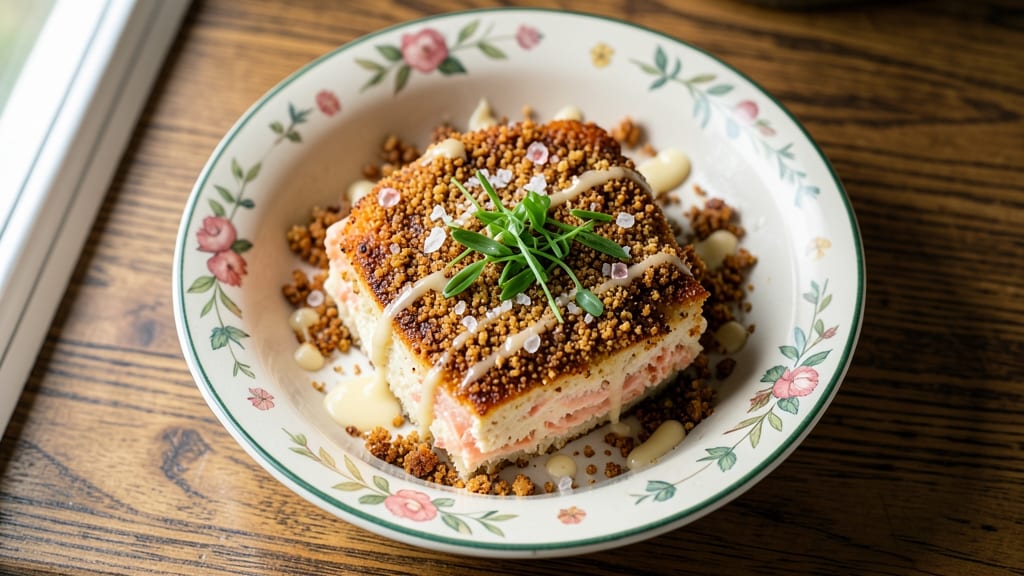
This Southern salmon cake recipe delivers the perfect balance of crispy golden crust and moist, flaky layers that make every bite worth savoring. After years of perfecting this Southern classic, I’ve developed a foolproof method that transforms simple salmon fillets into a restaurant-worthy centerpiece—without the fuss of complicated techniques.
The secret lies in a precise breading ratio and baking method that ensures consistent results every time.
What sets this recipe apart is the buttermilk and cornmeal batter, a classic Southern touch that creates that signature crunch while keeping the inside tender. Unlike traditional fish cakes, this version uses fresh salmon fillets cut into uniform pieces, ensuring each bite has the same satisfying texture.
The baking process is simple but critical—high heat for a crispy exterior, followed by a gentle finish to maintain moisture.
By the time it emerges from the oven, you’ll have a golden, crispy salmon cake with a moist interior that flakes effortlessly. The aroma alone will have everyone at the table anticipating the first bite, and the flavor—savory, slightly sweet, and perfectly seasoned—will make this a new family favorite.
Serve it with tangy tartar sauce or bright lemon wedges for the ultimate Southern dining experience.
This recipe is designed for foolproof results, whether you’re hosting a dinner party or simply treating yourself to a special weeknight meal. The method scales easily, so you can adjust the size based on your needs without sacrificing texture or flavor.
Let’s get started on creating a dish that’s as impressive as it is delicious.
Ingredients for southern salmon cake
Simple ingredients create Southern perfection with crispy crust and moist center.
| Ingredient | Amount | Notes |
|---|---|---|
| Salmon Fillets 🐟 | 2 lb | Fresh, skin-on or skinless |
| All-Purpose Flour 🌾 | 1 ½ cups | For crispy coating |
| Cornmeal 🌽 | ½ cup | Fine ground for texture |
| Buttermilk 🥛 | 1 ½ cups | Full-fat for richness |
| Eggs 🥚 | 2 whole | Large, room temperature |
| Old Bay Seasoning 🧂 | 1 tbsp | Classic Southern flavor |
| Salt 🧂 | 1 tsp | Fine grain preferred |
| Black Pepper 🌶️ | ½ tsp | Freshly ground |
| Olive Oil 🫒 | ¼ cup | For greasing pan |
| Lemon Wedges 🍋 | 4 whole | For serving |
| Tartar Sauce 🥗 | ½ cup | Store-bought or homemade |
| Panko Breadcrumbs 🍞 | ½ cup | For extra crunch |
The salmon matters most—skin-on fillets hold shape better, but skinless works fine too. Look for fresh, bright-colored salmon at Trader Joe's or your local seafood counter. If frozen, thaw overnight in the fridge. The buttermilk should be full-fat—none of that low-fat nonsense. For the Old Bay, Penzeys has the best blend, but the grocery store stuff works. Just check the expiration date—spices lose potency fast.
No buttermilk? Milk plus 1 tbsp vinegar works in a pinch. Want extra crunch? Swap half the flour for Panko. Short on tartar sauce? Mix mayo, relish, and lemon juice yourself. The cornmeal is key for that Southern texture—fine-ground only. Coarse won’t blend right. And if your eggs are cold, crack them into a bowl first to warm them up—makes the batter smoother.
Keep the salmon in the fridge until ready to use—1-2 days max. Store the batter in an airtight container for up to 24 hours if you bread ahead. The salmon cakes reheat beautifully in the oven at 300°F for 10 minutes, crisping up again. Freeze portions for 3 months—just thaw overnight. I always make extras because leftovers taste even better the next day. Serve with tartar sauce or a squeeze of lemon—simple but perfect.
Why You'll Love This Recipe
- One-Pan Wonder: I swear by this recipe when I’m too tired to wash dishes—just mix, press, and bake. The cornmeal crust browns perfectly without sticking, so cleanup is basically nonexistent.
- Crispy-Creamy Magic: That buttermilk batter soaks into the salmon just right, while the cornmeal gives it a golden, almost cracker-like crust. Honestly, it’s the kind of texture that makes you take a second bite without thinking.
- Lunchbox Hero: Between us, this is my go-to for school lunches or office snacks. Slice it up, wrap in foil, and it stays fresh for days—no sad, soggy sandwiches here.
- Budget-Friendly Luxe: Fresh salmon can feel fancy, but this recipe stretches fillets into a whole meal. I’ll often double the batch, freeze half, and pull it out later when I’m craving something special without the restaurant price tag.
Step-by-step instructions for Southern salmon cake
Here's how to build a golden crust and juicy interior that'll have everyone asking for seconds.
Prepare the Crispy Coating
In a large bowl, whisk together the 1½ cups all-purpose flour, ½ cup cornmeal, 1 tablespoon Old Bay seasoning, 1 teaspoon salt, and ½ teaspoon black pepper. This dry mix is your secret weapon for that perfect Southern crunch. The cornmeal adds texture while the Old Bay gives that classic coastal flavor we all love.
In a separate bowl, beat the 2 eggs until just combined, then whisk in the 1½ cups buttermilk until smooth. The buttermilk brings richness that keeps the cake moist while the eggs help bind everything together. Don't worry if it looks a little thin - we'll thicken it up in the next step.
Coat and Chill the Salmon
Pat the 2 lb salmon fillets completely dry with paper towels - this is non-negotiable for crispy skin. Working quickly, dip each fillet into the egg mixture, letting any excess drip off, then press it firmly into the flour mixture, coating both sides completely. The double-dredge technique ensures maximum crunch while keeping the inside tender.
Place the coated fillets on a wire rack set over a baking sheet and refrigerate for at least 30 minutes. This chilling step is crucial - it helps the coating adhere better and prevents the salmon from overcooking when it hits the hot pan. I like to flip them halfway through to ensure even coating.
Create the Perfect Pan
Preheat your oven to 400°F. Lightly grease a 9x13-inch baking dish with ¼ cup olive oil, then sprinkle the bottom with ½ cup panko breadcrumbs. This creates a crispy base that'll support your salmon cake while adding extra crunch. The panko should cover the bottom completely - no bare spots allowed.
Arrange the chilled salmon fillets in the prepared dish, pressing down gently to help them maintain contact with the panko base. The fillets should fit snugly but not overlap - you want them to touch each other slightly for that classic cake texture. This arrangement ensures they cook evenly and develop that signature domed shape.
Bake to Golden Perfection
Bake the salmon cake for 15-18 minutes until the top is golden brown and the internal temperature reaches 145°F when measured at the thickest part. The edges should look crispy while the center remains just slightly underdone - salmon continues cooking as it rests. Don't overbake or you'll end up with dry fish instead of moist, flaky bites.
For that restaurant-quality finish, broil for 1-2 minutes at the very end, watching closely to avoid burning. The broil creates a beautiful caramelized crust while keeping the inside perfectly tender. Let the cake rest for 5 minutes before serving - this allows the juices to redistribute throughout the fish.
Serve with Classic Accompaniments
Slice the salmon cake into squares and serve immediately with 4 lemon wedges on the side for squeezing over each bite. The bright acidity cuts through the richness of the salmon and balances all those savory flavors. For extra indulgence, dollop each serving with ½ cup tartar sauce - the creamy, tangy contrast is pure Southern comfort.
This dish delivers on all the promises - a crispy, golden top that shatters with each bite while the interior remains wonderfully moist and flaky. The combination of textures and flavors makes it a showstopper for any meal, whether you're serving it as a main course or part of a seafood spread.
Pro Tips For Making Southern Salmon Cake
- Chill the Coating: That 30-minute fridge break isn’t optional—it’s what makes the coating stick like glue instead of flaking off like regret. I learned this the hard way when my first batch looked like a sad, crumbly mess. Flip the fillets halfway through to guarantee even crispiness.
- Press the Panko Base: Don’t just sprinkle the ½ cup panko on the bottom—press it down firmly with your fingers. This creates a sturdy, crispy foundation that holds the salmon cake together instead of letting it sink into a soggy mess. (Yes, even if it looks weird.)
- Broil Like a Pro: When you broil those last 1-2 minutes, watch the pan like a hawk—it burns faster than you think. The goal is caramelization, not charred disaster. If the top starts to darken too quickly, yank it out and let the residual heat finish the job.
- Use Full-Fat Buttermilk: Skimping on the 1½ cups full-fat buttermilk saves calories but kills flavor and moisture. The fat keeps the cake tender, and the tang cuts through the richness of the salmon. Trust me, your taste buds will notice the difference.
Make-ahead tips for this southern salmon cake
Prep Ahead Without Stress
I’ve found that prepping the batter and breading the salmon a day ahead makes the whole process effortless. After mixing the 1½ cups all-purpose flour, ½ cup cornmeal, and seasonings, store the dry mix in an airtight container for up to 3 days.
For the wet batter, whisk the 2 eggs and 1½ cups buttermilk together and refrigerate it in a sealed container—it’ll keep perfectly for 24 hours. This way, you only need to coat and chill the salmon right before baking. 💡
Bread the Salmon Early
If you’re short on time, bread the salmon fillets ahead of time and refrigerate them for up to 6 hours. Place the coated fillets on a wire rack over a baking sheet, cover loosely with plastic wrap, and refrigerate.
This ensures the coating stays crispy and the salmon stays moist. Just pop them into the oven when you’re ready to bake—no last-minute rush! The chilling step is still crucial, so don’t skip it. ✨
Freeze for Future Meals
This recipe freezes beautifully for up to 3 months—just assemble the salmon cake as directed, then freeze it uncovered on a baking sheet for 1 hour to set. Transfer it to a freezer bag, squeeze out the air, and freeze.
When ready to cook, thaw overnight in the fridge, then bake as usual. The texture stays amazing, and it’s perfect for busy weeks. ❄️
Reheat Like a Pro
Reheating is simple: place the leftover salmon cake in a 300°F oven for 10 minutes to crisp up the edges. If it feels dry, add a splash of water or broth to the pan before reheating.
For stovetop reheating, use a nonstick skillet over medium-low heat for 5-7 minutes, flipping once. Always check the internal temperature—it should reach 145°F again. 🔥
Double the Batch
If you’re hosting, double the recipe and bake two 9x13-inch pans at once. The extra effort pays off because the salmon cake reheats beautifully and tastes even better the next day. I always make two batches—one for dinner and one for leftovers. It’s a game-changer for meal prep! 💛
Garnish Ahead of Time
For a stress-free serving experience, prep your garnishes ahead. Slice the 4 lemon wedges and store them in a small container with a damp paper towel to keep them fresh.
Portion the ½ cup tartar sauce into small dishes and refrigerate. This way, you can focus on plating and enjoying the moment with your guests. 🍋
Nutrition facts
Frequently asked questions
Why does the recipe call for chilling the salmon after coating?
Chilling the coated salmon for at least 30 minutes helps the breading adhere perfectly and prevents the cake from overcooking in the oven. This step is key for achieving that crispy exterior while keeping the inside moist and tender. Skipping it can lead to a soggy or unevenly cooked result.
Can I use frozen salmon for this recipe?
Yes, but thaw it completely in the fridge overnight before using. Frozen salmon works fine, but ensure it’s fully defrosted to avoid uneven cooking. Pat it dry thoroughly after thawing—this is critical for that perfect crispy crust.
What if my salmon cake isn’t golden brown after baking?
If the top isn’t golden, broil it for 1-2 minutes at the end to caramelize the crust. Alternatively, increase the oven temperature to 425°F for the last 5 minutes of baking. The key is watching closely to avoid burning.
How do I reheat leftovers without drying out the salmon?
Reheat in a 300°F oven for 10 minutes to restore crispiness. For stovetop, use a nonstick skillet over medium-low heat for 5-7 minutes, adding a splash of water or broth to the pan to prevent drying. Always check the internal temperature reaches 145°F again.
Can I make this recipe ahead of time?
Assemble the salmon cake and refrigerate it for up to 24 hours before baking. You can also bread the salmon ahead and refrigerate it for 6 hours. For freezing, bake it first, then store in an airtight container for up to 3 months. Thaw overnight before reheating.