
Desserts
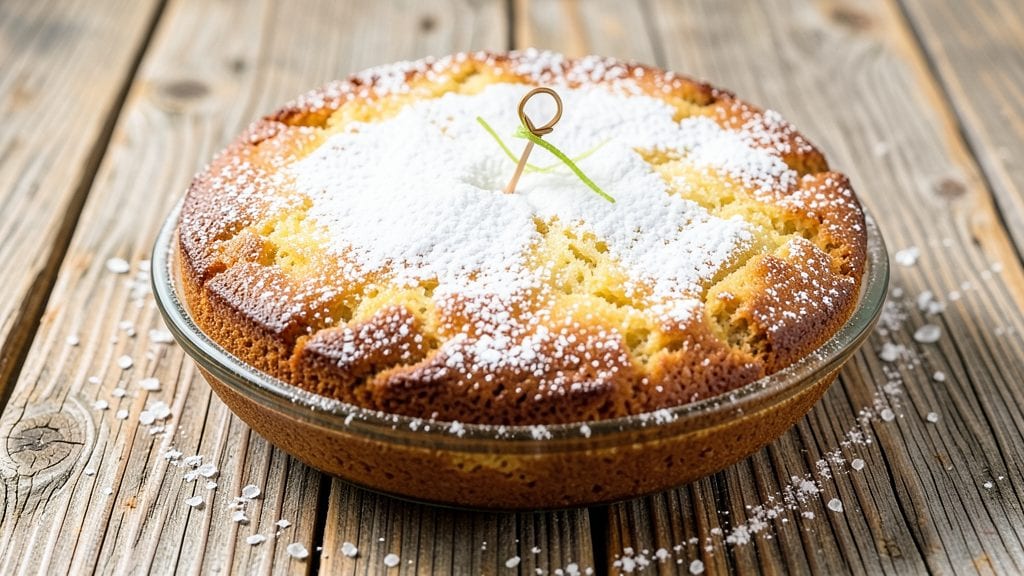
Southern old-fashioned pound cake recipe delivers the kind of tender, buttery layers that have been a Southern staple for generations. The secret lies in precise measurements and a gentle hand—no mixer required—just the way grandmothers used to make it. This cake stays moist for days, with a delicate vanilla-kissed flavor that feels like a hug in every bite.
What makes this recipe special is its balance of tradition and simplicity. You’ll need just six basic ingredients—no fancy shortcuts—yet the result is a cake with a fine crumb and just the right amount of sweetness.
The butter is creamed thoroughly with sugar, ensuring those signature tender layers, while a touch of vanilla extract adds depth without overpowering.
Once baked to a golden perfection, the cake develops a subtle caramelized crust while remaining moist inside. Let it cool slowly in the pan for the best texture—this is where patience pays off.
Serve it warm with a dusting of powdered sugar or a pat of whipped cream, or enjoy it at room temperature with a cup of sweet tea.
This recipe scales beautifully for gatherings, and the leftovers keep well for up to five days. Whether you’re baking for a family dinner or a special occasion, this old-fashioned pound cake is a timeless choice that never disappoints.
Ingredients for southern old fashioned pound cake
Seven simple ingredients. One timeless Southern tradition. The secret to tender layers lies in the butter.
| Ingredient | Amount | Notes |
|---|---|---|
| Unsalted Butter 🧈 | 1 cup | Cold, cubed for creaming |
| Granulated Sugar 🍚 | 2 cups | White, not brown |
| All-Purpose Flour 🌾 | 2 cups | Sifted, spooned lightly |
| Pure Vanilla Extract 🌸 | 1 tbsp | High-quality, not imitation |
| Large Eggs 🥚 | 4 whole | Room temperature |
| Baking Powder 🧂 | 1 tsp | Diamond Crystal preferred |
| Salt 🧂 | ½ tsp | Fine sea salt |
The butter is non-negotiable here—European-style unsalted like Plugrá or Land O'Lakes gives the best flavor. Grab it cold from the fridge and cut it into cubes (no melting!). The sugar should be fine granulated, not powdered—it won't dissolve properly. For the flour, King Arthur or Bob's Red Mill are reliable choices, but any good all-purpose will work. Sift it lightly before measuring to avoid dense layers. The baking powder matters too—Diamond Crystal is the standard in Southern baking, but if you only have double-acting, use it. Just measure carefully: 1 tsp is all you need.
No vanilla extract? Vanilla bean paste works in a pinch, but the flavor won't be as pure. For the eggs, room temperature is key—they'll cream better with the butter. Short on butter? Vegetable shortening at half the amount keeps the cake tender, but the flavor won't be the same. The salt is easy—just make sure it's fine sea salt, not kosher. If you're using kosher, cut the amount to 1/4 tsp. For a deeper vanilla flavor, split the 1 tbsp between 1 tbsp extract and 1 tsp vanilla sugar—it's a pro trick.
This cake keeps beautifully—5 days at room temperature wrapped in foil, or 1 week in the fridge. For longer storage, slice and freeze portions for up to 3 months. Reheat slices in the oven at 300°F for 5 minutes to restore moisture. The best part? It tastes even better the next day as the flavors meld. Store leftovers in an airtight container with a slice of bread to keep it soft.
Why You'll Love This Recipe
- No-Panic Mixing: The secret? Room temperature eggs and cold cubed butter that you just whip with sugar for 3-4 minutes. No fancy techniques, just a mixer and a spatula—honestly, even my neighbor’s first attempt turned out spot-on.
- Vanilla Infusion Guaranteed: That 1 tablespoon of high-quality vanilla extract isn’t just sprinkled in—it’s folded into the batter with the eggs, so every bite carries that rich, warm aroma. No imitation stuff here; this is the kind of vanilla that makes people pause and say, “Damn, where’d you get this?”
- Crowd-Pleaser for Any Occasion: Slice it for brunch with coffee, serve it at potlucks (it’s my secret weapon), or cut it into squares for a quick dessert. The cake’s moist, tender layers hold up to toppings—fresh berries, a drizzle of honey, or even a dusting of powdered sugar—so it’s always your go-to for guests.
Step-by-step instructions for Southern old fashioned pound cake
Here's the method that delivers moist, tender layers with perfect vanilla infusion every time.
Cream the Butter and Sugar to Lighten the Mixture
In a stand mixer fitted with the paddle attachment, beat the 1 cup unsalted butter (cold, cubed) and 2 cups granulated sugar on medium speed for 3-4 minutes. You're looking for a pale, fluffy texture that nearly doubles in volume. This creaming process incorporates air, which creates that signature tender crumb.
Stop occasionally to scrape down the sides of the bowl with a rubber spatula—this ensures even mixing. The butter should be fully incorporated with no visible lumps, and the mixture should look light and airy. This step is critical for achieving the cake's signature moistness and fine crumb structure.
Add Eggs and Vanilla for Rich Flavor
Add the 4 large eggs (room temperature) one at a time, mixing on low speed for 30 seconds after each addition. This gradual incorporation prevents the eggs from scrambling. After all eggs are added, mix in the 1 tablespoon pure vanilla extract until fully combined.
The vanilla should be distributed evenly throughout the batter—you'll see no streaks remaining. Room temperature eggs blend more smoothly and create a lighter texture than cold eggs. Here's the thing—this is where the cake's signature vanilla flavor develops, so don't skip this step or rush it.
Combine Dry Ingredients for Perfect Texture
In a separate bowl, whisk together the 2 cups all-purpose flour, 1 teaspoon baking powder, and ½ teaspoon salt. Sift the flour mixture directly into the wet ingredients while the mixer runs on low speed. Mix just until combined—you should still see small flour streaks. Overmixing develops gluten and can make the cake dense.
This is the moment that matters: the dry ingredients should be incorporated gently to maintain that tender crumb. The baking powder will create lift, while the salt enhances all the flavors. Mix for no more than 30 seconds after all dry ingredients are added to preserve the cake's delicate texture.
Bake in Prepared Pans for Even Cooking
Preheat your oven to 350°F. Grease two 8-inch round cake pans with butter or line them with parchment paper. Divide the batter evenly between the pans and smooth the tops. Bake for 30-35 minutes, until a toothpick inserted in the center comes out clean and the edges are golden brown.
Your oven might run hot, so start checking at the 25-minute mark. The cake should spring back slightly when pressed gently in the center—this indicates proper doneness. Don't overbake; the cake will continue cooking slightly as it cools. This baking time ensures tender layers with that classic pound cake texture.
Pro Tips For Making Southern Old Fashioned Pound Cake
- Cube the Butter: DESCRIPTION:
- Sift the Flour: DESCRIPTION:
- Check at 25 Minutes: DESCRIPTION:
- Room-Temp Eggs Matter: DESCRIPTION:
Common mistakes when making your southern old fashioned pound cake
Skipping the Creaming Step
One of the biggest mistakes is rushing the creaming process—this is where the cake's signature tenderness begins. If you skip creaming the 1 cup cold butter and 2 cups sugar for just 3-4 minutes, you'll end up with a dense, heavy cake instead of light layers.
I've seen home bakers stop too soon because the bowl gets messy, but that's exactly when you need to keep going. The air incorporated here is what makes the difference! 💡
Overmixing the Batter
Once you add the dry ingredients, resist the urge to mix longer than 30 seconds after everything is combined. Overmixing activates the gluten in the 2 cups flour, turning your tender cake into a tough, chewy brick.
I've caught myself overmixing when the batter looks "done," but that's when you should stop. Just mix until the flour streaks disappear—no more! This is a common slip-up, especially with stand mixers.
Ignoring Room-Temp Eggs
Cold eggs are a recipe for disaster in this cake—they won't blend smoothly with the butter and sugar, creating lumps that ruin the texture. Always take the 4 large eggs out of the fridge 30 minutes before baking.
I keep them in a bowl of warm water for 10 minutes if I'm in a hurry. Cold eggs can also cause the cake to sink in the middle, which no one wants. Trust me, this small step makes a world of difference!
Underbaking the Cake
Pulling the cake out of the oven too early is a rookie mistake that leads to a gummy center and dry edges. Use a toothpick to test for doneness at 25 minutes—it should come out clean.
If you're unsure, err on the side of slightly underbaking and let it finish cooking off heat. I once pulled my cake out at 30 minutes thinking it was done, only to find it still needed 5 more minutes. Patience here ensures even, moist layers throughout.
Not Letting It Cool Properly
Resisting the urge to slice into your cake immediately is crucial. Let it cool in the pan for 10 minutes, then transfer to a wire rack. Skipping this step causes the cake to collapse or develop a soggy bottom.
I've learned this the hard way—once, I sliced into my cake after just 5 minutes and watched it crumble like a pancake. Give it time to set before you even think about cutting!
Nutrition facts
Frequently asked questions
Why does this recipe call for cold butter?
The cold butter creates those signature tender layers by incorporating air during creaming. When you beat 1 cup cold, cubed butter with sugar for 3-4 minutes, it lightens the batter without melting. Warm butter would turn the batter greasy and dense instead of fluffy. This Southern tradition ensures a cake that stays moist for days!
Can I use a hand mixer instead of a stand mixer?
While a stand mixer makes the creaming process easier, a hand mixer works perfectly for this recipe. Just be prepared to do 3-4 minutes of elbow grease to achieve that light, pale texture. The key is patience—don't rush the butter and sugar until it's nearly doubled in volume. Your arm will thank you later!
What’s the best way to test if the cake is done?
Use a toothpick at the 25-minute mark—it should come out clean with no wet batter clinging. If it has a few moist crumbs, wait another 5 minutes. The cake should also spring back slightly when gently pressed in the center. Overbaking turns it dry, so trust the toothpick test over color alone. This ensures perfect moist layers every time!
How do I store leftovers to keep them fresh?
Wrap cooled cake tightly in foil and store at room temperature for up to 5 days. For longer freshness, refrigerate for 1 week. To revive frozen slices, reheat at 300°F for 5 minutes until warm. The cake actually tastes better the next day as flavors meld—just keep it sealed in an airtight container. This Southern classic keeps its magic!