
Desserts
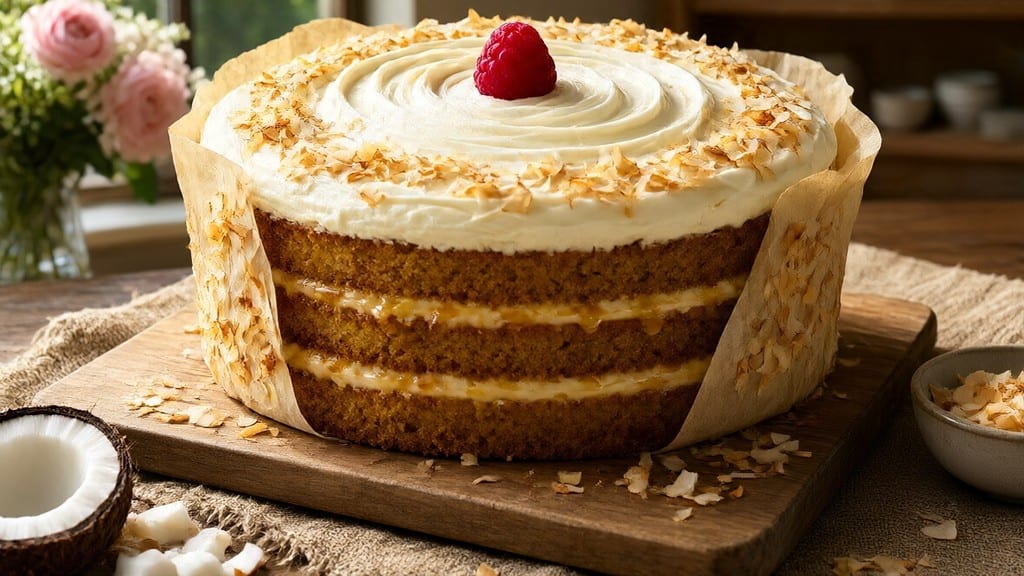
This ultra-moist coconut cake from Sally's Baking Addiction delivers layers of tender vanilla cake infused with real coconut flavor, topped with a toasted coconut crunch that makes every bite irresistible. The secret lies in precise ingredient ratios and a simple technique that ensures no dry crumbs—just rich, velvety texture throughout.
I've baked this recipe countless times for celebrations, and it never fails to impress, even from skeptics who claim they "don't like coconut."
The cake itself is made with basic pantry staples—flour, sugar, eggs, and coconut milk—but the magic happens in the method: folding in toasted coconut flakes into the batter while still warm, which creates pockets of crunch without compromising moisture.
Baking at the right temperature ensures even rise and golden edges, while the cooling process is just as critical for clean layers. This isn't your average coconut cake; it's a showstopper that tastes like a tropical vacation in every forkful.
What sets this recipe apart is the balance—moist enough to melt in your mouth yet sturdy enough to hold up to generous frosting or coconut shavings. The toasted coconut topping adds texture contrast and a subtle caramelized sweetness that elevates the entire dessert.
Whether you're serving it at a birthday party or simply treating yourself, this cake delivers restaurant-quality results with minimal fuss. The best part? It keeps well for days, so you can enjoy leftovers without worry.
For presentation, I recommend dusting the layers with powdered sugar or drizzling melted coconut oil for extra shine before assembling. The frosting—whether buttercream or cream cheese—becomes part of the experience, binding the cake's rich flavors with a smooth, creamy finish.
Let's get started on creating this tropical masterpiece that's sure to become your new signature dessert.
Ingredients for sally's baking addiction coconut cake
Basic pantry staples plus tropical touches. The secret to ultra-moist layers lies in precise measurements and warm coconut magic.
| Ingredient | Amount | Notes |
|---|---|---|
| All-Purpose Flour 🌾 | 3 ½ cups | Sifted for light texture |
| Granulated Sugar 🍚 | 2 ½ cups | White or light brown |
| Unsalted Butter 🧈 | 1 ½ cups | Room temperature, full-fat |
| Large Eggs 🥚 | 4 whole | Room temperature preferred |
| Coconut Milk 🥥 | 1.3 cups | Full-fat, canned for richness |
| Vanilla Extract 🌸 | 2 tsp | Pure, high-quality preferred |
| Baking Powder 🧂 | 2 tsp | Aluminum-free recommended |
| Salt 🧂 | ½ tsp | Fine sea salt preferred |
| Unsweetened Shredded Coconut 🥥 | 2 cups | Freshly toasted for crunch |
| Powdered Sugar 🍚 | 1 ½ cups | For dusting layers |
| Coconut Oil 🫒 | ½ cup | Melted for drizzling |
| Buttercream Frosting 🧈 | 2 cups | Optional for assembly |
The coconut milk is non-negotiable here—full-fat canned gives that rich, creamy texture. Thai Kitchen or Goya brands work perfectly, but avoid the light versions. For the unsweetened shredded coconut, grab the unsweetened kind from the baking aisle, not the sweetened flakes meant for cereal. Toast it in a dry pan until golden—about 5 minutes—then fold it into the warm batter. That's what creates those irresistible pockets of crunch. The butter should be room temperature, but not melted—press it into the flour to create a crumbly texture before adding liquids. I always use Land O'Lakes or Plugrá for reliability.
No canned coconut milk? Substitute with coconut cream (the thick part from a can of coconut milk) plus a splash of water to make up the volume. The vanilla extract can be imitation if you're in a pinch, but Nielsen-Massey or McCormick pure vanilla makes all the difference. Running short on powdered sugar? Sift granulated sugar in a blender for a quick substitute. The buttercream frosting is optional, but if you skip it, that melted coconut oil drizzle adds a gorgeous sheen. For a gluten-free version, swap the all-purpose flour for a 1:1 gluten-free baking flour like Bob's Red Mill. Just be sure to measure carefully—GF flours can be trickier.
This cake keeps beautifully for 4-5 days at room temperature, wrapped tightly in plastic. For longer storage, freeze the layers (without frosting) for up to 3 months. I like to portion the frosting separately so it doesn't get soggy. The toasted coconut topping stays crisp for about 3 days if stored in an airtight container. Pro tip: Brush the warm layers with a little coconut milk before assembling—it adds extra moisture and helps the frosting adhere. Leftovers? They're even better the next day when the flavors meld together.
Why You'll Love This Recipe
- No Panic Needed: I’ll admit it—I once burned a cake because I panicked about greasing the pans. But this recipe’s got me covered with that coconut oil crust trick. Just melt half a cup, coat the pans, and toss in some parchment circles for good measure. No more cake sticking like a stubborn ex. The crust itself? Toasted shredded coconut mixed with sugar—it’s a five-minute job that makes the whole process feel effortless.
- Coconut Bliss Unlocked: The way this cake balances tender crumb with that crispy coconut crust? Chef’s kiss. The full-fat coconut milk in the batter keeps it moist for days, while the toasted shredded coconut on the bottom adds a crunch that’s dangerously addictive. And the powdered sugar dusting? It’s not just decoration—it gives that classic coconut cake sheen that makes people ask, “What’s in it?”
- Weeknight Hero: Between work, errands, and pretending to remember birthdays, I don’t have time for complicated desserts. This cake? Three layers, but it’s all about the shortcuts. The batter comes together in minutes, and the crust toasts in your skillet while you prep the pans. By the time you’re frosting, dinner’s already on the table. Plus, it’s the kind of dessert that disappears in one sitting—no leftovers to stress over.
- Budget-Friendly Luxury: I love when a recipe feels indulgent but doesn’t break the bank. This cake uses pantry staples like all-purpose flour and granulated sugar, but the coconut milk and shredded coconut elevate it to something special. And here’s the kicker: the buttercream frosting is optional. If you’re feeling fancy, add it; if you’re in a pinch, skip it and still have a showstopper. It’s the kind of recipe that makes you feel like a pro without spending a fortune.
Step-by-step instructions for sally's baking addiction coconut cake
Here's how to create layers that stay moist for days and a crunchy coconut topping that'll make everyone ask for seconds.
Prepare the Coconut Crust for the Pan
Preheat your oven to 350°F and grease three 8-inch round cake pans with the ½ cup melted coconut oil. This creates a non-stick barrier that prevents sticking and helps with even baking. I like to use parchment circles cut to fit the bottom of each pan for extra insurance against tearing.
In a bowl, mix together the 2 cups unsweetened shredded coconut, 2½ cups granulated sugar, and 1 tablespoon melted coconut oil. Toast this mixture in a dry skillet over medium heat for 3-4 minutes until golden brown and fragrant. Spread an even layer across the bottom of each prepared pan, pressing down gently with a spoon. This forms the perfect crunchy base that'll keep your cake moist for days.
Cream Butter and Sugar for the Cake Batter
In a stand mixer fitted with the paddle attachment, beat the 1½ cups unsalted butter (at room temperature) and 2½ cups granulated sugar on medium speed for 3-4 minutes until light and fluffy. You'll see the mixture nearly double in volume and become pale. This step is crucial—it incorporates air that creates that signature tender crumb. If your butter is too cold, let it sit at room temperature for 20-30 minutes before starting.
Add the 4 large eggs, one at a time, mixing well after each addition. Then stir in the 1.3 cups coconut milk and 2 teaspoons vanilla extract until just combined. The batter should be thick but pourable. Here's the thing—don't overmix after adding the eggs or you'll develop gluten and end up with a tough cake instead of that lovely tender texture we're after.
Combine Dry Ingredients and Fold Gently
In a separate bowl, whisk together the 3½ cups all-purpose flour, 2 teaspoons baking powder, and ½ teaspoon salt. Sift this mixture directly into the wet ingredients and use a spatula to gently fold everything together just until combined. You should still see some flour streaks—this ensures we don't overdevelop the gluten. The coconut milk in this batter makes it particularly tender, so be extra gentle when folding.
Divide the batter evenly among your three prepared pans. Tap each pan gently on the counter to release any air bubbles, then smooth the tops with a spatula. The crust layers should be visible through the batter. Bake in the preheated oven for 25-30 minutes, or until a toothpick inserted into the center comes out clean. Rotate the pans halfway through baking for even browning.
Cool and Assemble the Cake Layers
Remove the cakes from the oven and let them cool in the pans for 10 minutes. Then transfer to a wire rack to cool completely. Here's where the magic happens—while the cakes are still slightly warm, use a long serrated knife to level the tops if needed. Dust each layer generously with 1½ cups powdered sugar (about ½ cup per layer) to create that signature coconut cake sheen.
For assembly, place the first layer on a cake stand or plate. Spread 1 cup buttercream frosting evenly over the top, then repeat with the remaining two layers. The frosting should be thick enough to hold the layers together but not so much that it oozes out the sides. Chill the assembled cake in the refrigerator for 30 minutes before adding the final decorative frosting to make it easier to work with.
Decorate and Serve for Maximum Moisture
Once the cake has chilled, spread the remaining 1 cup buttercream frosting evenly over the top and sides of the cake. Use a spatula to create smooth sides, then pipe decorative swirls or simply spread the frosting evenly for a classic look. The buttercream acts as a moisture barrier that keeps your cake fresh for days. Store any leftovers in an airtight container in the refrigerator for up to 5 days—though I doubt you'll have any left that long!
Slice and serve immediately for the most tender texture. The combination of the moist cake layers, crunchy coconut crust, and rich buttercream creates a texture contrast that's pure baking bliss. Each bite delivers that perfect balance of tender crumb, sweet coconut flavor, and creamy frosting that makes this cake irresistible.
Pro Tips For Making Sally'S Baking Addiction Coconut Cake
- Toast Coconut Crust Right: That dry skillet trick isn’t just for show—watch the coconut closely after 2 minutes. It’s done when it smells like a tropical vacation, not when it starts to smoke. Over-toasting burns fast, and you’ll taste it in every bite.
- Whisk Eggs One at a Time: I learned this the hard way—dumping all four eggs at once makes the batter curdle like a science experiment gone wrong. Let each egg blend fully before adding the next, or you’ll end up with a cake that’s more like a dense brick.
- Level Cakes While Warm: That 10-minute rest in the pan is non-negotiable—it lets the layers set enough to slice cleanly. Use a serrated knife and go slow; forcing it while still hot guarantees crumbs instead of perfect layers.
- Dust Layers Before Frosting: The powdered sugar isn’t just decoration—it seals in moisture and gives that glossy finish. Brush it on before adding frosting, or it’ll just sink into the buttercream like a sad, dry afterthought. (Yes, even if you’re impatient like me.)
Troubleshooting perfect results
Cake Too Dense?
If your cake comes out denser than expected, it’s likely due to overmixing or cold ingredients. I’ve found that underbeating the butter and sugar (just until pale) and ensuring the eggs are room temperature makes all the difference.
Also, don’t overmix the batter after adding the flour—just fold until combined. Overmixing develops gluten, which makes the cake tough. 💡
Layers Not Holding Together
When layers collapse during assembly, it’s often because the frosting wasn’t chilled enough before spreading. Always let the assembled cake rest in the refrigerator for at least 30 minutes before adding decorative frosting.
This gives the buttercream time to firm up and hold the layers properly. A thick buttercream (not runny) is key too.
Coconut Crust Too Soft
The toasted coconut crust should be crispy, but if it’s soft, you likely didn’t toast it long enough. Toast the 2 cups shredded coconut in a dry skillet for 5-6 minutes until golden brown—don’t rush it!
Pressing it firmly into the pan also helps create a sturdy base. If it’s still soft after baking, spread a thin layer of melted coconut oil over the crust before adding batter.
Cake Sticking to Pans
Even with greased pans, cakes can stick if the crust isn’t properly prepared. I always use parchment circles cut to fit the bottom of the pans for extra insurance. If your cake still sticks, try brushing the pans with melted butter after greasing and before adding the coconut crust.
Let the cake cool in the pan for 10 minutes before attempting to remove it—this helps release it more easily.
Frosting Separating
If your buttercream separates, it’s usually because the ingredients weren’t fully emulsified. Whip the coconut milk into the butter until it’s smooth and pale before adding the powdered sugar. If the frosting is too thin, chill it for 15-20 minutes before spreading.
For extra stability, add 1-2 tablespoons of powdered sugar at a time until it reaches the right consistency.
Cake Drying Out
To prevent dryness, brush the warm cake layers with a little coconut milk before assembling. This adds moisture and helps the frosting adhere better. Also, store the cake in an airtight container at room temperature for up to 4-5 days.
If it starts to dry out, wrap it loosely in plastic wrap to trap moisture. Avoid refrigerating the assembled cake—it can make the frosting too soft. ✨
Nutrition facts
Frequently asked questions
Why does this coconut cake stay moist for so long?
The secret lies in the 1.3 cups full-fat coconut milk and ½ cup powdered sugar dusted on warm layers. The coconut milk keeps the crumb tender, while the sugar creates a moisture barrier that locks in freshness for 4-5 days. The toasted coconut crust also adds texture without drying out the layers.
Can I skip the buttercream frosting?
The cake tastes delicious on its own, but if you want extra richness, drizzle ½ cup melted coconut oil over the layers before assembling. This adds shine and moisture without altering the flavor. The powdered sugar dusting still gives that signature coconut cake look.
What if my cake layers collapse during assembly?
Chill your assembled cake for at least 30 minutes before adding decorative frosting. Use a thick buttercream (about ⅔ cup total) to hold layers together—don't skip this step! If frosting is too soft, return it to the fridge for 10-15 minutes before spreading.
How do I make the coconut crust extra crispy?
Toast the 2 cups shredded coconut in a dry skillet for 5-6 minutes until golden brown—don't rush! Mix it with ½ cup granulated sugar and 1 tbsp melted coconut oil before pressing into pans. Let the crust cool completely before adding batter to prevent sogginess. Press firmly with a spoon for maximum crunch.
Can I use a different type of flour?
For gluten-free versions, swap the 3.5 cups all-purpose flour for a 1:1 gluten-free baking flour like Bob's Red Mill. Measure carefully—GF flours absorb liquids differently. The cake will be slightly denser but still moist. For almond flour, reduce to 2 cups and add ½ cup extra coconut milk to maintain texture.