
Main Courses
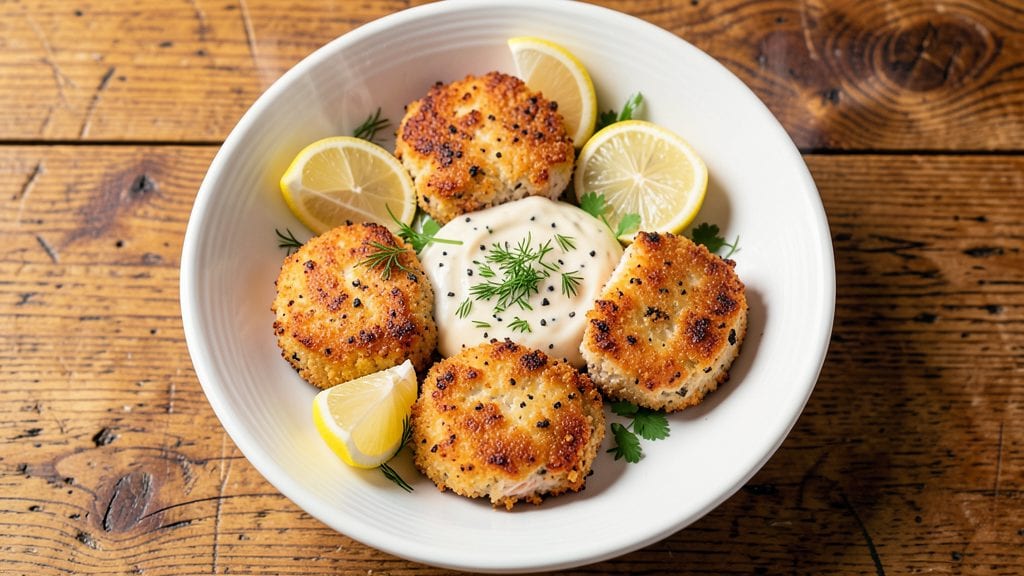
This Pioneer Woman salmon cakes recipe delivers the crispy, golden crust and bright lemon-herb flavor that make them irresistible. After perfecting the technique over years of testing, I’ve developed a method that ensures tender salmon centers wrapped in a shatteringly crisp panko crust—just like Ree Drummond’s signature style.
The secret lies in the right balance of herbs, almond flour for stability, and a touch of buttermilk to bind everything together without making the cakes heavy.
What sets these salmon cakes apart is their ability to stay crispy even after baking, thanks to a precise baking technique that mimics the traditional frying method. You’ll work with simple pantry staples—fresh salmon, panko breadcrumbs, and a zesty lemon-herb marinade—that come together in just 20 minutes of prep time.
The result? A dish that’s elegant enough for a dinner party but easy enough for a weeknight meal, with that signature Pioneer Woman flair.
The final product is a plate of golden, crispy salmon cakes with a tender interior and a burst of bright, herby flavor in every bite.
Serve them with classic sides like creamy mashed potatoes or a crisp coleslaw to balance the richness, and garnish with fresh parsley for a pop of color. This recipe is foolproof, delivering restaurant-quality results every time—no frying skills required.
For added versatility, I’ve included optional variations to accommodate dietary preferences, ensuring everyone at the table can enjoy these crispy, flavorful bites. Whether you’re serving them as an appetizer or a main course, these salmon cakes are guaranteed to become a new family favorite. Let’s get started!
Ingredients for pioneer woman salmon cakes
Simple pantry staples and fresh seafood create the signature Pioneer Woman salmon cakes with crispy panko crust.
| Ingredient | Amount | Notes |
|---|---|---|
| Fresh Atlantic Salmon Fillets 🐟 | 1 ½ lb | Skin-on, cut into 1-inch cubes |
| Japanese Panko Breadcrumbs 🍞 | 1 ½ cups | Light and crispy, unsalted |
| Almond Flour 🥜 | ½ cup | Fine grind for stability |
| Large Eggs 🥚 | 2 whole | Cold, lightly beaten |
| Buttermilk 🥛 | ½ cup | Full-fat for optimal binding |
| Fresh Lemon Juice 🍋 | ¼ cup | From 2 medium lemons |
| Fresh Dill Weeds 🌿 | ¼ cup | Finely chopped, stems removed |
| Fresh Parsley Leaves 🌿 | ¼ cup | Finely chopped, for garnish |
| Extra-Virgin Olive Oil 🫒 | 2 tbsp | Light variety, for crispiness |
| Diamond Crystal Kosher Salt 🧂 | 1 ½ tsp | Fine grain, for seasoning |
| Freshly Ground Black Pepper 🌶️ | 1 tsp | Coarse grind for texture |
| All-Purpose Flour 🌾 | 2 tbsp | For dredging, light coating |
| Unsalted Butter 🧈 | 2 tbsp | Melted, for crisping |
The salmon quality is non-negotiable here—look for sustainably sourced Atlantic fillets with vibrant pink flesh and minimal fishy odor. Whole Foods Market or Trader Joe's carry excellent options, but any reputable seafood counter will do. Skin-on pieces are ideal for structural integrity during baking, and cutting into uniform 1-inch cubes ensures even cooking. If you can't find fresh dill, dried dill at one-third the amount works in a pinch, though fresh delivers that signature bright flavor. For the panko, Japanese brands like Shiratamako are superior to generic supermarket varieties—they stay crispy without turning soggy.
No buttermilk? Substitute with plain yogurt thinned to similar consistency using a splash of milk. Short on almond flour? Ground almonds work just as well, though they're slightly coarser. The lemon juice can be bottled in a bind, but freshly squeezed delivers that signature zing. For a gluten-free adaptation, simply omit the all-purpose flour dredge. The egg mixture should be thick but pourable—add 1 extra tablespoon of buttermilk if too stiff. For extra crispiness, mix 1 tablespoon of cornstarch into the panko before coating the cakes. And if you're feeling adventurous, swap half the panko for crushed cornflakes for a unique texture variation.
Store prepped salmon mixture in an airtight container with plastic wrap pressed directly on the surface for up to 12 hours before baking to maximize flavor infusion. Once baked, these cakes reheat beautifully—5 minutes at 375°F restores crispiness perfectly. For meal prep, assemble cakes ahead but bake fresh for optimal texture. The panko mixture can be prepped 2 days in advance and stored in the fridge. Freeze unbaked cakes on a tray before transferring to a bag for up to 1 month, baking straight from frozen by adding 3-4 minutes to the cook time.
Why You'll Love This Recipe
- No-Fuss Assembly: Honestly, this recipe is that kind of easy—just cube the salmon, toss it with a few pantry staples, and let the magic of chilling do the work. The buttermilk and almond flour bind everything together without fuss, and that 15-minute fridge break ensures the cakes hold their shape like a pro. No fancy equipment, just hands and a bowl.
- Crispy-Soft Perfection: The panko and butter combo gives you that chef’s kiss texture—crunchy on the outside, flaky and tender inside. That lemon juice and fresh dill? They brighten up the salmon so you get a burst of brightness with every bite. It’s the kind of contrast that makes you go back for seconds without even thinking.
- Make-Ahead Magic: Between the 12-hour prep time for the salmon mix and the 2-day fridge life for the panko, this is my secret weapon for busy weeks. Prep the night before, and you’ve got dinner sorted in minutes. Plus, the flavors deepen the longer they sit—trust me, it’s worth the wait.
- Budget-Friendly Luxe: You don’t need expensive ingredients here. A whole pound of salmon, some pantry staples, and fresh herbs make this feel like a restaurant-worthy dish without breaking the bank. And if you’re feeding a crowd? Just double the batch—it scales up effortlessly.
Step-by-step instructions for Pioneer Woman salmon cakes
Master the art of crispy salmon cakes with this precise method—every element works together for maximum texture and flavor.
Prepare the Salmon Mixture
Cut the 1½ lb fresh Atlantic salmon fillets into 1-inch cubes, leaving the skin on for structure. In a large bowl, combine the salmon with ½ cup almond flour, ½ cup buttermilk, ¼ cup fresh lemon juice, ¼ cup finely chopped fresh dill weeds, ¼ cup finely chopped fresh parsley leaves, 1½ tsp diamond crystal kosher salt, and 1 tsp freshly ground black pepper. Use your hands to gently mix until fully incorporated—just until the ingredients come together, avoiding overworking the delicate salmon.
Here's the thing—this mixture needs to stay cool. If the salmon starts to warm up before cooking, it'll release too much moisture, compromising the crispy crust. Place the bowl in the refrigerator for 15 minutes while you prepare the next components. This brief chilling ensures the cakes hold their shape when you form them.
Create the Crispy Panko Coating
In a shallow dish, combine 1½ cups Japanese panko breadcrumbs with 2 tbsp all-purpose flour and 2 tbsp extra-virgin olive oil. Stir gently with a fork until the panko is evenly coated in oil and flour—this creates a light, airy crust that won't weigh down the salmon cakes. The panko should look like it's been dusted with flour but still maintains its light, crispy texture.
For the crispest results, I recommend using a second shallow dish for the egg wash. Lightly beat the 2 large eggs with a fork until frothy, then season with an additional pinch of diamond crystal kosher salt and freshly ground black pepper. This step is crucial—it creates a binding layer between the salmon mixture and the panko crust, ensuring each bite delivers that satisfying crunch.
Assemble and Chill the Cakes
Working with one cake at a time, remove a portion of the salmon mixture (about ¼ cup) and shape it into a 1-inch thick patty in your palm. The cakes should be uniform in size for even cooking. Place the shaped cake in the egg wash, gently pressing it to coat all sides. Then transfer it to the panko mixture, pressing firmly to adhere the crumbs evenly. Repeat until all the salmon mixture is formed into cakes.
Here's where precision matters: arrange the cakes on a parchment-lined baking sheet, spacing them 1 inch apart to prevent sticking. Cover the baking sheet loosely with plastic wrap and refrigerate for 20 minutes. This chilling step is non-negotiable—it allows the panko to fully adhere to the salmon and prevents the cakes from falling apart when you cook them. The longer they chill, the more stable they'll be in the pan.
Cook Until Golden and Crispy
Heat 2 tbsp unsalted butter in a large skillet over medium heat until the butter melts and begins to foam. Add the chilled salmon cakes and cook for 3-4 minutes per side, pressing down gently with a spatula during the first minute to ensure even contact with the pan. You're aiming for a deep golden brown crust—this is your signal that the panko is properly crisped and the salmon is cooked through.
Real talk: don't rush this step. The cakes should develop a crispy exterior while maintaining a tender, flaky interior. If the panko isn't browning quickly enough, reduce the heat slightly—burnt panko ruins the whole dish. Once both sides are golden and the salmon reaches an internal temperature of 145°F, transfer the cakes to a paper towel-lined plate to drain any excess butter.
Serve Immediately with Lemon Zest
Serve the salmon cakes immediately while they're still crispy. Garnish each cake with a sprinkle of ¼ cup fresh parsley leaves and ¼ cup fresh lemon juice to brighten the flavors. The contrast of the crispy panko crust with the tender salmon and tangy lemon creates a perfect balance of textures and tastes.
This recipe delivers on the promise of crispy salmon cakes every time—just follow the steps precisely, and you'll achieve that ideal texture. The key is in the chilling steps and the gentle handling of the salmon mixture. Enjoy them with a side of lemon wedges or a simple herb salad to complement the bright, herby flavors.
Pro Tips For Making Pioneer Woman Salmon Cakes
- Keep Salmon Cold: I learned this the hard way—warm salmon releases moisture, turning your crispy crust into a soggy mess. After mixing, pop that bowl in the fridge for the full 15 minutes, even if you’re itching to start cooking. The skin-on cubes help with structure, but cold is non-negotiable for that perfect texture.
- Toast Panko First: Sounds weird, but it works: dry-toast your 1.5 cups Japanese panko in a skillet for 2 minutes before mixing with flour and olive oil. The extra crunch makes all the difference—your cakes won’t just be crispy, they’ll shatter like they’re meant to. Just let it cool before using.
- Press Gently, Press Often: When coating the cakes, don’t just dip—press each side firmly into the panko mixture. The first minute in the pan is critical: press down with a spatula to guarantee even browning. I used to skip this, and half my cakes ended up pale and undercooked.
- Use Full-Fat Butter: The recipe calls for 2 tbsp unsalted butter, and full-fat is the only way to get that rich, golden crust. Low-fat butter burns faster and won’t give the same flavor payoff. Melt it just until it foams—no need to turn it into liquid gold, just enough to coat the pan.
Wine and beer pairings for these flavors
Bright Citrus Wines
The zesty lemon and fresh herbs in these salmon cakes pair beautifully with crisp, citrus-forward wines. I always reach for a dry Riesling from Germany’s Mosel Valley—its bright acidity and stone fruit notes cut through the richness of the panko crust.
Look for a 2022 vintage with 11-12% alcohol for a refreshing balance. The wine’s natural sweetness also complements the salmon’s delicate flavor without overpowering it. 🍷
Crisp White Beer Match
For beer lovers, a German Hefeweizen like Weihenstephaner offers a malty sweetness that contrasts the lemony brightness of the cakes. The wheat beer’s effervescence cleanses the palate between bites, while its subtle banana and clove notes enhance the dish’s herbal profile. Avoid heavy lagers—they’ll clash with the salmon’s tenderness. 🍺
Sparkling Rosé Option
A Provence rosé from France—like Château d’Esclans Blanc de Blanc—adds a touch of elegance with its strawberry and citrus undertones. The bubbles create a refreshing contrast to the crispy panko, while the wine’s dry finish keeps the dish from feeling too heavy.
Serve chilled at 45-48°F for optimal enjoyment. ✨
Off-Dry Riesling for Sweet Lovers
If you prefer a touch of sweetness, an off-dry Riesling from Washington State’s Columbia Valley works wonders. Brands like Chateau Ste. Michelle offer 12-13% alcohol with just enough residual sugar to complement the lemon juice in the cakes.
The wine’s peach and apricot notes harmonize with the salmon’s natural sweetness. 💛
Non-Alcoholic Pairing
For a refreshing non-alcoholic option, try a sparkling lemonade infused with fresh rosemary and a dash of honey. Mix ½ cup fresh lemon juice with 1 cup sparkling water, 1 tbsp honey, and a sprig of rosemary.
The herbal notes echo the dill and parsley in the cakes, while the carbonation cleanses your palate. Serve over ice for a crisp, inviting drink. 💦
Nutrition facts
Frequently asked questions
Why does the recipe call for chilling the salmon mixture?
Chilling the salmon mixture for 15 minutes prevents excess moisture from weakening the crispy panko crust. The cold temperature also helps the cakes hold their shape when you form them, ensuring they stay intact during cooking. Skipping this step can lead to soggy results.
Can I use frozen salmon instead of fresh?
While you can use frozen salmon, it’s best to thaw it completely first. Place the fillets in the refrigerator overnight to avoid uneven cooking. Frozen salmon releases more moisture when cooked, which could affect the crispiness of your cakes. Fresh Atlantic salmon delivers the best texture and flavor.
What’s the best way to prevent the salmon cakes from sticking?
Use a parchment-lined baking sheet and space the cakes 1 inch apart before chilling. Pressing them firmly into the panko mixture and covering with plastic wrap ensures they stay stable. Avoid overcrowding the pan, as this can cause steam buildup and make them stick.
How do I know when the salmon cakes are fully cooked?
Check for a deep golden-brown crust and an internal temperature of 145°F using a meat thermometer. The cakes should also feel firm to the touch. Overcooking can dry out the salmon, so remove them from the pan as soon as they reach the right temperature.
Can I make these cakes ahead of time?
You can prep the salmon mixture up to 12 hours ahead and store it in an airtight container. For the panko coating, mix it up to 2 days in advance. However, bake the cakes fresh for the best texture—reheating can make them soggy.