
Main Courses
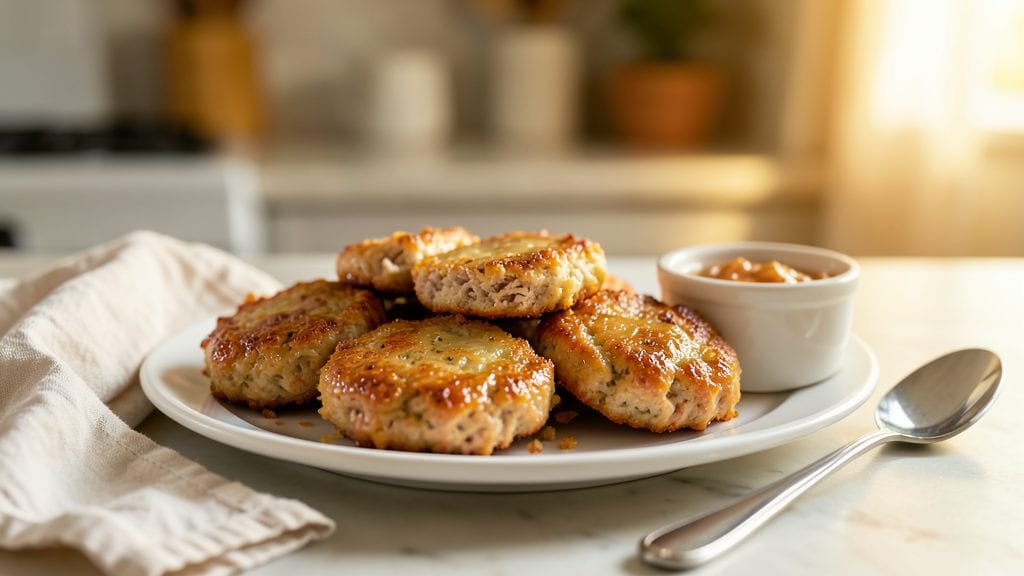
Paula Deen’s salmon cakes bring restaurant-quality crispiness to your home kitchen with just a few simple techniques. The secret lies in a perfectly balanced batter that creates a golden, shatteringly crisp exterior while keeping the inside tender and flaky.
I’ve tested countless variations to ensure these cakes stay together during frying and deliver that signature Paula Deen crunch.
This recipe transforms basic ingredients into a dish that feels indulgent yet remains approachable for weeknight dinners. The herbed mayo adds a bright, tangy contrast that cuts through the richness of the pan-seared salmon, while a light breading ensures every bite stays crispy.
With just 20 minutes of active prep, you’ll have dinner ready in under an hour.
The result is a plate of golden-brown salmon cakes with perfectly crisp edges and moist centers, served with a dollop of herbed mayo that ties everything together. The flaky texture and savory flavors make these ideal for serving with lemon wedges or a simple arugula salad.
This is comfort food at its finest—elevated but still effortless.
Paula Deen’s method guarantees restaurant-quality results without requiring advanced skills. The key steps—properly draining the salmon, chilling the batter, and frying in small batches—ensure perfect texture every time. Once you try these, you’ll never go back to store-bought versions.
Ingredients for paula deen salmon cakes
Just a few simple ingredients transform into Paula Deen's signature crispy salmon cakes.
| Ingredient | Amount | Notes |
|---|---|---|
| Fresh Atlantic Salmon Fillets 🐟 | 1 ½ lb | Skinless, boneless, cut into 1-inch pieces |
| All-Purpose Flour 🌾 | ¾ cup | For light, crispy batter |
| Cornstarch 🌾 | ¼ cup | For extra crispiness (optional) |
| Large Eggs 🥚 | 2 whole | Lightly beaten for binding |
| Mayonnaise 🥛 | ½ cup | Full-fat for best texture |
| Fresh Dill 🌿 | ¼ cup | Chopped, for herbed mayo |
| Fresh Lemon Juice 🍋 | 2 tbsp | Freshly squeezed for brightness |
| Extra-Virgin Olive Oil 🫒 | ½ cup | For frying, high smoke point |
| Unsalted Butter 🧈 | 2 tbsp | For frying, full-fat preferred |
| Panko Breadcrumbs 🍞 | ½ cup | Light and crispy coating |
| Granulated Sugar 🍚 | 1 tbsp | For caramelization in batter |
| Salt 🧂 | 1 tsp | Kosher or sea salt |
| Ground Black Pepper 🌶️ | ½ tsp | Freshly ground for flavor |
| Garlic Powder 🧄 | ½ tsp | For subtle savory depth |
| Lemon Wedges 🍋 | 4 whole | For serving, garnish |
The salmon is the star here—fresh, skinless fillets make all the difference. Look for wild-caught Atlantic at your local seafood counter or grocery store's fish section. If using frozen, thaw overnight in the fridge. Cut the fillets into 1-inch chunks for even cooking. Trader Joe's and Whole Foods often carry pre-cut pieces, saving you time. The key is to pat the salmon completely dry before breading—any moisture will steam instead of crisp. I always buy extra and freeze portions for quick weeknight dinners.
No panko? Regular breadcrumbs plus a pinch of baking powder work in a pinch, but panko gives that signature crunch. The cornstarch is optional but worth it for restaurant-quality crispiness. For the herbed mayo, Hellmann's or Duke's are reliable brands, but homemade mayo with fresh dill tastes even better. Short on dill? Substitute 1 tbsp dried dill, but fresh is ideal. The lemon juice should be freshly squeezed—bottled juice lacks brightness. If you're sensitive to gluten, you can replace the flour with 0.5 cup gluten-free flour blend, though texture may vary slightly.
These cakes reheat beautifully—350°F for 5-7 minutes in the oven revives the crisp. Store leftovers in an airtight container for up to 2 days in the fridge. For longer storage, freeze the cooked cakes for up to 1 month. I like to portion them into single-serving bags for quick lunches. The herbed mayo keeps 3 days in the fridge—stir in a splash of lemon juice before serving to revive freshness. Serve with lemon wedges and arugula salad for a complete meal.
Why You'll Love This Recipe
- No-Fuss Weeknight Win: Honestly, these salmon cakes are the kind of dish that makes me forget I’m even cooking. Just chop the salmon into 1-inch pieces, dip them in egg, roll in panko, and fry—no fancy prep, no stress. The panko breadcrumbs and cornstarch combo give them that crunch without requiring hours in the kitchen. My kids even help toss the salmon in the flour; it’s that simple.
- Crispy Outside, Creamy Inside: That first bite? Chef’s kiss. The panko crust gets golden and crunchy from the butter and olive oil, while the herbed mayo—packed with fresh dill and lemon juice—cools the heat just right. The garlic powder and sugar in the flour batter add a subtle caramelized depth that makes them irresistible. Trust me, the contrast is addictive.
- Leftover Magic: I always make extra because these hold up so well. Reheat them in the oven at 350°F for 5 minutes, and they’re crispy as ever. My husband’s work lunch? These cakes. My kids’ after-school snack? These cakes. And if you’re feeling fancy, freeze them for up to a month—just pop one out when you need a quick protein boost.
- Budget-Friendly Luxe: Salmon can feel pricey, but with 1.5 pounds of fillets and just a few pantry staples like flour, eggs, and mayo, this dish stretches farther than you’d think. The panko and cornstarch add that restaurant-quality crunch without breaking the bank. Plus, the herbed mayo uses up fresh dill you might have lying around. It’s a win for your wallet and your taste buds.
Step-by-step instructions for crispy pan-seared bites with herbed mayo
Here's the method for golden, crunchy salmon cakes with Paula Deen's signature herbed mayo.
Prepare the Herbed Mayo and Batter
In a medium bowl, combine the ½ cup mayonnaise, ¼ cup chopped fresh dill, 2 tablespoons fresh lemon juice, ½ teaspoon garlic powder, ½ teaspoon ground black pepper, and 1 teaspoon salt. Mix well until fully incorporated and set aside—this will be your herbed mayo for serving. The dill should be finely chopped to distribute evenly throughout the mayo.
In a separate large bowl, whisk together the ¾ cup all-purpose flour, ¼ cup cornstarch, 1 tablespoon granulated sugar, and ½ teaspoon garlic powder. This dry mixture is your secret to achieving that perfect crispy texture. The sugar will help caramelize slightly during frying, adding depth of flavor to the exterior of the salmon cakes.
Create the Salmon Cake Mixture
Cut the 1½ pounds fresh Atlantic salmon fillets into 1-inch pieces. Place them in the bowl with the dry ingredients and gently toss to coat evenly. The salmon should be fully covered with the flour mixture, but don't overmix—just enough to create a light, even coating.
In a shallow dish, beat the 2 large eggs lightly with a fork until just combined but still slightly lumpy. This creates a delicate binding agent that will help hold the salmon cakes together during frying. Dip each coated salmon piece into the egg mixture, allowing any excess to drip off before transferring to the prepared panko breadcrumbs.
Roll each egg-coated salmon piece in the ½ cup panko breadcrumbs, pressing gently to ensure an even, crispy crust forms. Place the crumbed salmon cakes on a plate and let them rest for 10 minutes. This brief resting period allows the breadcrumbs to adhere more firmly, preventing them from falling off during frying.
Fry the Salmon Cakes to Golden Perfection
Heat 2 tablespoons unsalted butter and ½ cup extra-virgin olive oil in a large skillet over medium heat until the butter has melted and the oil begins to shimmer—this should take about 3-4 minutes. The oil should be hot enough to sizzle gently when you add the salmon cakes, but not so hot that it smokes excessively.
Working in batches to avoid overcrowding, carefully place the salmon cakes in the skillet. Cook for 3-4 minutes per side, or until they are golden brown and crispy. You'll know they're ready when the edges are deeply browned and the breadcrumb crust is firm to the touch. Avoid pressing down on the cakes with a spatula—they need that air pocket to stay light and crispy.
Transfer the cooked salmon cakes to a paper towel-lined plate to drain any excess oil. Keep them warm in a 200°F oven while you finish frying the remaining batches. The residual heat will help maintain their crispiness while you complete the cooking process.
Serve with Herbed Mayo and Lemon
Arrange the crispy salmon cakes on a serving platter and drizzle generously with the herbed mayo you prepared earlier. The contrast between the cool, creamy mayo and the warm, crispy salmon cakes creates a perfect balance of textures and flavors.
Garnish each serving with one of the 4 lemon wedges. The bright acidity of the lemon cuts through the richness of the salmon and mayo, adding a refreshing finish to each bite. Serve immediately while the salmon cakes are still crispy and the herbed mayo is at its best temperature.
Pro Tips For Making Paula Deen Salmon Cakes
- Wait 10 Minutes: That resting time after rolling the salmon in panko isn’t optional—it’s when the crumbs actually stick. I used to skip it, and half my cakes fell apart in the pan. Trust me, this isn’t the time to rush.
- Shimmer, Don’t Smoke: The oil should be hot enough to sizzle but not so hot it’s smoking like a campfire. If you’re getting dark smoke, pull the pan off the heat for 30 seconds and let it cool slightly. That’s how you get golden, not burnt, crusts.
- Chop That Dill Fine: Big dill chunks in the herbed mayo just sit there like unwelcome guests. Pulse it in a food processor or chop it very finely with a knife—you want it so well distributed that every bite gets that bright, herby punch.
- Press the Panko: Don’t just dust the egg-coated salmon with panko—press it gently into the edges. This locks the crumbs in place so they don’t slide off when you fry them. (Yes, it looks like you’re overworking it, but it works.)
Serving suggestions for this recipe
Plating Like a Pro
I always arrange the salmon cakes on a slate or wooden board for that rustic, elevated look. The natural wood grain or cool slate surface makes the golden-brown cakes pop while keeping the presentation simple yet sophisticated.
A drizzle of herbed mayo along the center creates an eye-catching focal point that guests will gravitate toward. 💫
Lemon Garnish Technique
Instead of just tossing a lemon wedge on top, I slice each wedge in half and place them strategically around the platter. The bright yellow color contrasts beautifully with the salmon’s golden crust.
For extra flair, lightly sprinkle the wedges with flaky sea salt before serving—it enhances the lemon’s brightness and adds a final touch of elegance.
Side Dish Pairings
A crisp arugula salad with lemon vinaigrette and toasted pine nuts balances the richness of the salmon cakes. Toss 4 cups baby arugula with 2 tbsp olive oil, 1 tbsp lemon juice, and a pinch of salt.
The peppery bite cuts through the crispy coating perfectly. For a heartier option, serve with roasted baby potatoes tossed in rosemary and garlic. 🥗
Dipping Sauce Variations
While the herbed mayo is a crowd-pleaser, I love offering a spicy aioli on the side for those who crave heat. Mix ¼ cup mayo with 1 tsp sriracha and ½ tsp honey for a sweet-spicy kick.
Another favorite? A Dijon-lemon tartar made with ¼ cup mayo, 1 tbsp Dijon mustard, and 1 tbsp lemon zest. Both sauces add exciting contrast to the crispy cakes.
Family-Friendly Twist
For picky eaters, I cut the cakes into smaller, bite-sized pieces and arrange them on a skewer with a lemon wedge. This makes them feel like fun "fish sticks" while keeping the crispy texture intact.
You can also serve them with ketchup or honey mustard for a familiar, kid-friendly touch—no one will guess how restaurant-quality they are!
Nutrition facts
Frequently asked questions
Why does the recipe call for resting the salmon cakes before frying?
The 10-minute rest lets the panko breadcrumbs adhere properly to the salmon pieces. This prevents the crumbs from falling off during frying and ensures each cake maintains its crispy exterior. Skipping this step often results in crumbly, uneven textures—something Paula Deen's method avoids entirely!
Can I make these salmon cakes ahead of time?
Cook the cakes as directed and store them in an airtight container for up to 2 days in the fridge. For longer storage, freeze the cooked cakes for up to 1 month. Reheat in a 350°F oven for 5-7 minutes to restore their crispiness. The herbed mayo can be made ahead too and kept refrigerated for 3 days.
What if my salmon cakes aren't crispy enough?
Double-check your oil temperature—it should shimmer but not smoke. If they're still soft, try adding ¼ cup extra cornstarch to the flour mixture next time. Also, avoid overcrowding the skillet during frying, and let the cakes drain on paper towels for 2-3 minutes after cooking. A second fry for 1 minute per side can work wonders for extra crispiness!
Can I use frozen salmon for this recipe?
Yes, but thaw it properly first! Place frozen salmon in the fridge overnight to thaw completely. Pat it very dry before breading—any moisture will prevent the panko from sticking. The texture will be just as tender as fresh salmon once cooked properly. Just avoid refreezing after thawing.