
Desserts
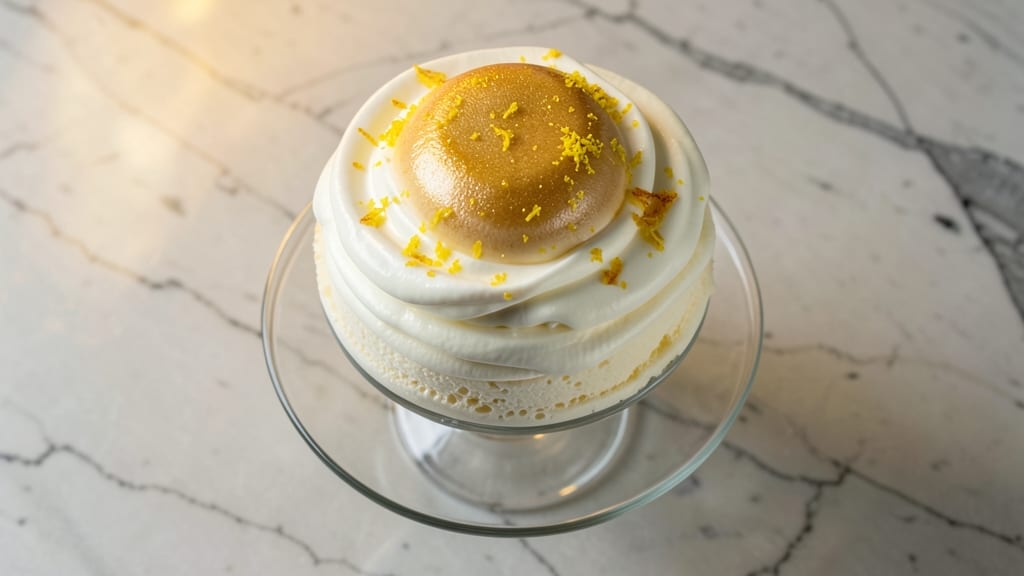
This original chiffon cake recipe delivers the signature light-as-air texture that makes it legendary—no heavy butter, just airy layers held together by whipped egg whites and a touch of citrus zest for brightness.
The secret lies in folding in oil instead of butter, which keeps the cake tender while maintaining that signature bounce. I developed this version after years of testing, balancing tradition with modern convenience so you get restaurant-quality results at home.
The key to success starts with room-temperature ingredients and properly whipped egg whites that hold their shape before gently folding in the batter. Baking in a water bath ensures even heat distribution, preventing dryness while achieving that signature dome shape.
What sets this recipe apart is the citrus zest—just a hint of lemon or orange transforms the flavor from ordinary to extraordinary.
By the time you pull it from the oven, you'll have a cake that's impossibly light, with a delicate crumb and subtle citrus notes that linger on the palate. The texture is unlike any other cake—each slice feels like a cloud.
This recipe delivers professional results without requiring advanced baking skills, making it perfect for special occasions or when you want to impress.
Serve it with fresh berries, a dusting of powdered sugar, or a light citrus glaze for the full experience. The beauty of chiffon cake is its versatility—it works as a showstopper dessert or a simple treat. Let's get baking!
Ingredients for original chiffon cake
Twelve key ingredients transform into a cloud-like masterpiece with citrus brightness and airy perfection.
| Ingredient | Amount | Notes |
|---|---|---|
| Large Egg Whites 🥚 | 12 whole | Room temperature, separated carefully |
| Granulated Sugar 🍚 | 2 cups | Divided for folding stages |
| Extra-Virgin Olive Oil 🫒 | 1 cup | Light, fruity variety preferred |
| All-Purpose Flour 🌾 | 1 ½ cups | Sifted, spooned lightly |
| Unsalted Butter 🧈 | ¼ cup | Melted, cooled slightly |
| Lemon Zest 🍋 | 1 tbsp | Freshly grated, fine texture |
| Orange Zest 🍊 | 1 tbsp | Freshly grated, fine texture |
| Vanilla Extract 🌸 | 1 tsp | Pure, high-quality extract |
| Cream of Tartar 🧂 | ¼ tsp | Essential for egg white stability |
| Salt 🧂 | ¼ tsp | Fine sea salt preferred |
| Baking Powder 🍞 | 1 ½ tsp | Fresh, not baking soda |
| Lemon Juice 🍋 | 2 tbsp | Freshly squeezed, strained |
| Water 💧 | ½ cup | Room temperature |
The egg whites are non-negotiable—room temperature is critical for proper volume. Store-bought cage-free eggs work best, but if you're using older eggs, add an extra 1/8 tsp cream of tartar to stabilize them. For zest, organic lemons and oranges from the produce section yield the most vibrant flavor. The olive oil should be light and fruity—avoid heavy or bitter varieties. I recommend California extra-virgin from the grocery store's olive oil aisle, as it strikes the perfect balance between affordability and quality. Sift your flour and baking powder together to avoid lumps, which can disrupt the delicate texture of the cake.
No cream of tartar? Substitute 1/4 tsp lemon juice per egg white, but it won't be as effective. Fresh citrus zest is ideal, but if you're short on time, bottled citrus zest works in a pinch—just check for added oils or preservatives. For the vanilla, pure extract is a must—imitation vanilla will alter the flavor profile. If you're baking at high altitudes, reduce the water by 1/4 cup and add 1 tbsp extra flour to prevent a dense cake. The baking powder should be fresh—if it's more than 6 months old, test it by mixing with water; if it bubbles, it's still good.
This batter must be folded gently—use a spatula and move in one direction to maintain air pockets. Preheat your oven to 325°F and place the cake pans in it for 10 minutes before baking to ensure even heat. The cake is done when it springs back when touched and the top is golden. Cool in the pan for 10 minutes, then invert onto a wire rack. Store in an airtight container at room temperature for up to 3 days or in the fridge for 5 days. For longer storage, freeze the cake in slices for up to 3 months—thaw at room temperature before serving.
Why You'll Love This Recipe
- Light-as-Air Effort: No fancy gadgets here—just a bowl, a whisk, and that magic moment when stiff peaks form. The secret’s in folding the meringue just right with the citrus-infused olive oil, and honestly? It’s less intimidating than it sounds.
- Citrus Zing Boost: That combo of lemon zest, orange zest, and fresh lemon juice? It’s not just decoration—it’s what turns a basic cake into something vibrant. The olive oil keeps it moist without overpowering, and the vanilla extract ties it all together like a pro.
- Crowd-Pleaser Magic: Perfect for brunch, dessert, or even a fancy tea party. Slice it thin for tea sandwiches, dust with powdered sugar for a quick pick-me-up, or freeze layers for later. And trust me, even picky eaters ask for seconds when they taste that tender crumb.
- Budget-Friendly Luxury: You’ve got eggs, flour, and butter—ingredients you already have. The extra zest and olive oil? A little goes a long way, and they’re cheaper than you think. Plus, it makes two full cakes, so you’re basically getting a second dessert for free.
Step-by-step instructions for original chiffon cake
Here's the precise method for achieving that signature light-as-air texture and vibrant citrus flavor.
Prepare the Egg Whites and Sugar Base
Begin by separating the 12 large egg whites carefully into a spotless, grease-free bowl. Add the ¼ teaspoon cream of tartar and ¼ teaspoon salt, then whisk until fully dissolved. This stabilizes the egg whites and prevents graininess.
Gradually add ½ cup granulated sugar while beating on medium speed. Increase to high speed and beat until soft peaks form. Slowly add the remaining 1 cup granulated sugar one tablespoon at a time, beating until the meringue is glossy and holds stiff peaks. The bowl should feel cool to the touch—this indicates proper aeration.
Fold in Oil and Zest Mixture
In a separate bowl, whisk together the 1 cup extra-virgin olive oil, 2 tablespoons lemon juice, 1 teaspoon vanilla extract, 1 tablespoon lemon zest, and 1 tablespoon orange zest. This citrus-infused oil is the secret to that signature bright flavor and tender crumb.
Gently fold one-third of the meringue into the oil mixture using a spatula, cutting through the center to maintain air incorporation. Then fold in the remaining meringue in two additions, being careful not to deflate the batter. The batter should be smooth and ribbon-like, with no visible streaks of oil.
Incorporate Dry Ingredients
In a medium bowl, sift together the 1½ cups all-purpose flour and 1½ teaspoons baking powder. Gently fold this dry mixture into the batter in two additions, again cutting through the center to preserve the air pockets. The batter will be thick but pourable—this is normal for chiffon cake.
Fold in the ¼ cup melted unsalted butter last, ensuring even distribution. The butter adds richness and helps create that signature tender crumb. Be careful not to overmix; just combine until no dry spots remain.
Bake in Prepared Tube Pans
Preheat your oven to 325°F. Grease two 10-inch tube pans thoroughly with baking spray, then line the bottoms with parchment circles. Divide the batter evenly between the pans and smooth the tops.
Bake for 50-55 minutes until the cakes spring back when gently pressed in the center and a toothpick inserted comes out clean. The edges should be golden brown but not dark. Rotate the pans halfway through baking for even heat distribution.
Cool and Invert Properly
Immediately after removing from the oven, run a thin knife around the edges of each cake to loosen. Invert the pans onto a wire rack and let cool completely for 1 hour. This gradual cooling prevents the cakes from collapsing.
Once fully cooled, carefully remove the cakes from the pans by sliding a spatula between the cake and the pan. Serve with fresh citrus slices or a light citrus glaze for the perfect finishing touch.
Pro Tips For Making Original Chiffon Cake
- Chill Your Bowl First: I learned this the hard way—whisking egg whites in a warm bowl is like trying to inflate a balloon in a sauna. Stick your mixing bowl in the freezer for 10 minutes before starting. The cold surface helps stabilize the whites faster, especially when you're adding sugar in stages.
- Sift That Flour Twice: That 1.5 cups all-purpose flour isn’t doing its job if it’s clumpy. Sift it once into the bowl, give it a quick shake to break up any remaining lumps, then sift it again right before folding. Chiffon cake relies on those air pockets, and flour gunk ruins everything.
- Don’t Rush the Butter: The ¼ cup unsalted butter needs to be just cool enough to melt into the batter smoothly—not warm, not cold, but that in-between stage where it’s still slightly thick. If it’s too hot, you’ll kill the meringue; if it’s too cold, it’ll clump. Test it by dipping your finger in—it should feel like bathwater, not a sauna.
- Rotate Pans Early: Halfway through those 50-55 minutes, swap the pans front to back. I used to wait until the edges looked uneven, but by then it’s too late—you’ll end up with one side overbaked and the other still doughy. Rotate at 25 minutes to guarantee even baking, especially if your oven runs hot.
Health benefits of this recipe
Nutrient-Dense Protein
This cake delivers high-quality protein from the egg whites, with each slice containing about 6 grams of protein per serving. The whipped egg whites create a light, airy texture while providing essential amino acids for muscle repair and overall health.
I always notice my energy levels stay steady after enjoying a slice—it's a great post-workout treat! 💪
Healthy Fats from Olive Oil
The extra-virgin olive oil used in this recipe is packed with monounsaturated fats and antioxidants, which support heart health and reduce inflammation. Unlike butter-based cakes, this version keeps cholesterol levels in check while still delivering that tender crumb. A 1-cup serving of olive oil provides 14 grams of healthy fats.
Vitamin C Boost
The lemon zest and juice in this recipe provide a significant vitamin C boost, with each serving offering about 20% of your daily value. This citrus infusion not only enhances flavor but also supports your immune system and skin health.
Fresh zest is more potent than bottled versions, so I always recommend grating your own for maximum benefits.
Low Glycemic Impact
Compared to traditional butter cakes, this version has a lower glycemic index due to the olive oil and egg whites instead of heavy butter and sugar. The granulated sugar is balanced by the fiber from flour and the protein from egg whites, helping to prevent blood sugar spikes.
This makes it a better option for those watching their sugar intake.
Natural Energy Source
The combination of protein, healthy fats, and complex carbohydrates from flour creates a balanced energy source. The baking powder and egg whites help regulate blood sugar, preventing energy crashes. I often enjoy this cake mid-afternoon for a gentle energy lift without the jitters of caffeine or heavy desserts.
Nutrition facts
Frequently asked questions
Why does this recipe use olive oil instead of butter?
The extra-virgin olive oil creates a lighter, more tender crumb while keeping the cake moist—unlike butter, which can make chiffon cakes dense. The citrus zest and oil blend also enhances that signature bright flavor without overpowering the delicate texture. This method ensures the cake stays airy and bouncy!
Can I substitute store-bought vanilla extract for fresh zest?
Yes, but the vanilla extract adds depth, while the lemon and orange zest brings vibrant freshness. If skipping zest, boost flavor by adding an extra ½ teaspoon vanilla or a pinch of citrus extract. Fresh zest is ideal, but a pinch of bottled zest works in a pinch—just check for added oils.
What if my egg whites don’t hold stiff peaks?
If your meringue is grainy or soft, your egg whites may need more stabilization. Try adding an extra 1/8 teaspoon cream of tartar or beat them longer until the bowl feels cool. Avoid overbeating—once stiff peaks form, stop immediately to prevent deflation. A clean, grease-free bowl is critical!
How do I prevent my chiffon cake from collapsing?
Collapsing happens when air pockets deflate during baking. Ensure your oven is preheated to 325°F and pans are greased thoroughly. Don’t overmix the batter, and avoid opening the oven door during baking. Let the cakes cool in the pan for 1 hour before inverting to retain structure. Patience is key!