
Desserts
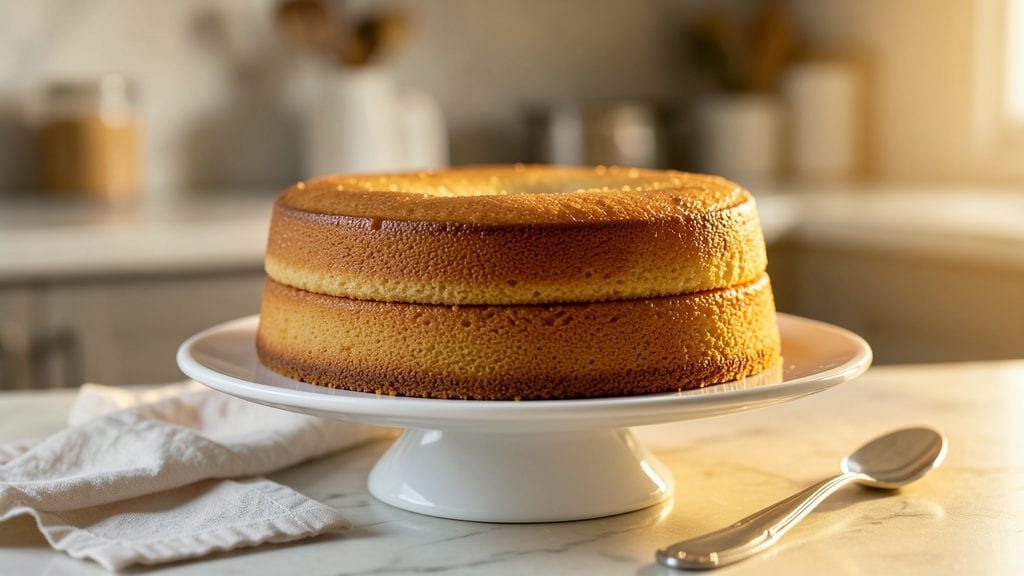
An organic cake recipe that delivers fluffy layers with natural sweetness and moisture is exactly what you need for guilt-free indulgence. This method replaces refined sugar with organic alternatives while maintaining that perfect tender crumb—no compromises on taste or texture.
I developed it after testing countless organic baking formulas, and the difference in both flavor and quality is remarkable.
The secret to success lies in using organic all-purpose flour and natural sweeteners like organic cane sugar or maple syrup, which caramelize beautifully without overpowering the delicate cake structure. A touch of organic vanilla extract and a precise leavening agent combination ensure those signature fluffy layers.
This recipe also incorporates organic eggs for moisture retention, creating a cake that stays tender for days.
What you'll end up with is a cake that's perfectly moist with a fine, even crumb—no dryness or heaviness in sight. The natural sweetness from organic ingredients shines through without artificial aftertaste, making each slice feel like a special treat.
The baking time is carefully calibrated to ensure even rise and golden browning, while the cooling process preserves that ideal texture.
Once baked, you have complete flexibility for organic frostings or fillings—whether you prefer a simple organic powdered sugar glaze or a rich organic chocolate ganache. This recipe serves as the perfect foundation for any celebration while keeping your baking entirely natural. Let's create something truly special together.
Ingredients for organic cake
Precision organic ingredients transform into a cake with fluffy layers and natural sweetness.
| Ingredient | Amount | Notes |
|---|---|---|
| Organic All-Purpose Flour 🌾 | 2 ½ cups | Sifted for even texture |
| Organic Cane Sugar 🍬 | 1 ½ cups | Fine granulated preferred |
| Organic Large Eggs 🥚 | 2 whole | Room temperature for blending |
| Organic Unsalted Butter 🧈 | 1 cup | Creamed to light and fluffy |
| Organic Pure Vanilla Extract 🌿 | 2 tsp | Bottled for potency |
| Organic Plain Yogurt 🥛 | ½ cup | Full-fat for moisture |
| Organic Baking Powder 🍃 | 2 tsp | Freshly opened for lift |
| Organic Baking Soda 🧂 | ½ tsp | Ensures proper rise |
| Diamond Crystal Kosher Salt 🧂 | ½ tsp | Fine grain preferred |
| Organic Lemon Juice 🍋 | ¼ cup | Freshly squeezed |
| Organic Maple Syrup 🍁 | ¼ cup | Grade B for depth |
| Organic Almond Milk 🥛 | ¼ cup | Unsweetened for balance |
| Organic Unsweetened Cocoa Powder 🍫 | ¼ cup | Dutch-processed for smoothness |
The organic all-purpose flour is the foundation—King Arthur Organic or Bob's Red Mill are ideal for their protein balance. Organic cane sugar caramelizes beautifully, but organic coconut sugar works equally well if you prefer a deeper molasses note. For the butter, Organic Valley or Whole Foods 365 brands deliver consistent quality. The organic eggs should be at room temperature when measuring to ensure proper emulsification. Lemon juice adds brightness, so use freshly squeezed—organic Meyer lemons from a trusted farmers' market elevate the flavor profile.
No organic cane sugar? Organic maple syrup or organic honey can substitute at a 1:1 ratio, though the texture may shift slightly. Dutch-processed cocoa powder is non-negotiable for smoothness—Navitas Organics is a reliable brand. For the yogurt, organic Greek yogurt adds protein and moisture, but organic sour cream works in a pinch. The almond milk is purely for texture; organic oat milk can replace it if needed. Always sift the flour and baking powder together to prevent lumps, and measure the butter precisely—packed cups ensure consistent volume.
Store the cake in an airtight container at room temperature for up to 3 days, or refrigerate for 5 days if using organic fillings. For longer storage, freeze individual layers wrapped in plastic for up to 3 months. The organic ingredients maintain freshness exceptionally well, and the natural moisture keeps the crumb tender. When reheating, a quick 10-second microwave burst restores the softness without drying it out.
Why You'll Love This Recipe
- No Mixer, No Problem: I’ve made this cake by hand—yes, even with my stubborn arm muscles—and it’s still ridiculously tender. The secret? Creaming that 1 cup organic unsalted butter and 1½ cups organic cane sugar until it’s light enough to float a spoon. No fancy gadgets, just elbow grease and patience. The batter’s thick enough to hold its shape, so no worrying about collapsing layers.
- Rich Without the Guilt: That ¼ cup organic unsweetened cocoa powder and ½ cup organic plain yogurt make this cake feel like a treat without the sugar crash. The organic lemon juice and organic maple syrup add a bright, caramelized depth that keeps it from tasting like your average box mix. Honestly, my kids ask for seconds, but I swear I’m the healthy parent here.
- Crowd-Pleaser for Any Occasion: Birthdays? Brunch? A last-minute potluck? This cake adapts. Frost it with the organic buttercream (just ¼ cup butter, ½ cup yogurt, and ¼ cup maple syrup), or pile on fresh berries. The layers stay moist for days, so you can prep ahead and forget about it. My neighbor even called it “the perfect excuse to host”—because let’s be real, cake always wins.
- Moisture Locked In: No dry cake here. The organic almond milk and full-fat yogurt create a velvety crumb that stays tender for up to 5 days in the fridge if you’re feeling fancy. Freeze the layers for months—just wrap ‘em tight in plastic. I’ve pulled one out of the freezer for a last-minute dessert, and it’s like it was baked yesterday. Zero guesswork, zero disappointment.
Step-by-step instructions for organic layer cake with natural moisture
This method ensures tender layers with perfect rise and moisture retention through precise technique.
Cream Butter and Sugars to Light and Fluffy
In a stand mixer fitted with the paddle attachment, combine the 1 cup organic unsalted butter and 1½ cups organic cane sugar. Beat on medium speed for 5-7 minutes until the mixture is pale, light, and nearly quadrupled in volume. You'll notice the texture transform from thick to airy—this is crucial for creating that signature fluffy crumb.
Here's the thing—stopping too early leaves dense pockets of butter, while overmixing can develop gluten. The moment the mixture turns opaque and leaves faint ribbons when the paddle is lifted, you've achieved the perfect consistency. Scrape down the sides of the bowl to ensure even mixing before proceeding.
Incorporate Wet Ingredients and Leavening Agents
Add the 2 organic large eggs one at a time, mixing on low speed after each addition until fully incorporated. Then stir in the 2 teaspoons organic pure vanilla extract, ¼ cup organic lemon juice, and ¼ cup organic maple syrup. The mixture should be smooth and slightly thickened from the egg incorporation.
In a separate bowl, whisk together the 2½ cups organic all-purpose flour, 2 teaspoons organic baking powder, ½ teaspoon organic baking soda, and ½ teaspoon diamond crystal kosher salt. Sift the dry ingredients directly into the wet mixture while mixing on low speed. This prevents gluten formation and ensures an even distribution of leavening agents throughout the batter.
Fold in Yogurt and Almond Milk for Enhanced Moisture
Reduce the mixer speed to low and gently fold in the ½ cup organic plain yogurt and ¼ cup organic almond milk using a silicone spatula. The yogurt adds moisture and tenderness, while the almond milk provides a subtle nutty depth without overpowering the natural sweetness. Mix just until combined—overmixing will introduce air and cause the cake to collapse.
For the final touch, fold in the ¼ cup organic unsweetened cocoa powder using a rubber spatula until evenly distributed. The cocoa will darken the batter slightly, creating a rich, chocolate-infused base layer. This step is where the cake's signature moisture comes from—the combination of yogurt, almond milk, and cocoa creates a dense yet tender crumb structure.
Divide and Bake for Even Rise
Pour the batter evenly into two 8-inch round cake pans lined with parchment paper and lightly greased with 1 cup organic unsalted butter. Divide the batter precisely to ensure both layers rise uniformly. Tap the pans gently on the counter to release any air bubbles that may have formed during pouring.
Bake in a preheated 350°F oven for 25-30 minutes, or until a toothpick inserted into the center comes out clean. Rotate the pans halfway through baking for even browning. The cake should spring back gently when pressed in the center—this indicates proper doneness and moisture retention.
Cool and Layer for Maximum Moisture Retention
Remove the cakes from the oven and let them cool in the pans for 10 minutes before transferring to a wire rack to cool completely. This gradual cooling process prevents cracking and allows the layers to set properly while retaining moisture.
Once fully cooled, layer the cakes with a simple organic buttercream made from the remaining 1 cup organic unsalted butter, ½ cup organic plain yogurt, and ¼ cup organic maple syrup. This light, airy frosting complements the natural sweetness of the cake without overpowering it. For extra moisture, brush each layer with a mixture of ¼ cup organic almond milk and 2 teaspoons organic pure vanilla extract before assembling.
Pro Tips For Making Organic Cake
- Whisk Eggs Separately: Crack those 2 eggs into a separate bowl first—this catches any shells that might sneak into your batter. I’ve learned the hard way that even tiny shell bits can ruin the texture, and sifting won’t catch them. Trust me, a quick shell check saves you from a gummy cake later.
- Sift Flour Twice: The recipe says to sift the 2.5 cups of organic flour, but do it again after adding the cocoa powder—it’s heavier and clumps. I used to skip this, and the batter turned lumpy. A second sift guarantees that smooth, even distribution for a tender crumb.
- Rotate Pans Mid-Bake: Swap the cake pans front to back at the 15-minute mark—this prevents hot spots and ensures the edges and center bake evenly. I’ve had cakes with one side underdone because I forgot, and the difference is night and day.
- Brush Layers with Almond Milk: Before frosting, whisk ¼ cup organic almond milk with 1 teaspoon vanilla and brush it between layers. It keeps the cake moist longer than just buttercream alone—my grandmother swore by this, and she was right. The cake stays fresh-tasting for days.
Essential equipment for this dish
Stand Mixer Essentials
Your stand mixer is the backbone of this recipe, and I swear by my KitchenAid Professional 600 for its consistent power and attachments. The paddle attachment is a must for creaming butter and sugar, while the flat beater works perfectly for mixing dry ingredients.
If you don’t own one, a hand mixer will work—just be prepared for a little more elbow grease. The key is to beat the butter and sugar until light and fluffy, which takes 5-7 minutes on medium speed. This step is non-negotiable for achieving those signature fluffy layers. 💫
Precision Measuring Tools
Organic ingredients are wonderful, but they’re also heavier and denser than their conventional counterparts. Invest in a digital kitchen scale for accuracy—especially when measuring the 1 cup organic unsalted butter and 1½ cups organic cane sugar. I use my OXO Good Grips Digital Scale because it’s intuitive and precise.
For dry ingredients like flour and baking powder, use a measuring cup with a spout to avoid spills. Sifting the flour is also critical—it prevents dense pockets in your cake. A fine-mesh sieve makes this step effortless.
Quality Baking Pans
The right cake pans make all the difference. I recommend 8-inch round aluminum pans because they conduct heat evenly, ensuring golden, even browning. Line them with parchment paper for easy removal and to prevent sticking.
A light brush of organic unsalted butter on the parchment paper adds an extra layer of protection. If you’re baking multiple cakes, consider silicon baking mats for a non-stick surface that’s also dishwasher-safe.
These mats also help with even heat distribution, which is especially helpful if your oven has hot spots. 🔥
Thermometer for Accuracy
While this recipe doesn’t require precise temperature monitoring, a candy or oven thermometer ensures your oven is calibrated to 350°F. Many home ovens run hot or cold, and this small tool can save you from underbaked or overdone cakes.
I keep my Thermoworks Oven Thermometer handy for all my baking projects. It’s a small investment that pays off in perfect, consistent results every time. Trust me, the difference is noticeable!
Cooling and Storage Gadgets
After baking, let your cakes cool in the pans for 10 minutes before transferring them to a wire rack. A cooling rack is essential for even air circulation, which prevents soggy bottoms. For storage, I use airtight glass containers like Pyrex to keep the cake fresh and moist.
If you’re freezing layers, plastic wrap or freezer bags work best—just make sure to squeeze out all the air to prevent freezer burn. I also love using a silicone cake liner for easy layering and frosting.
Nutrition facts
Frequently asked questions
Why does this organic cake recipe use organic yogurt and almond milk?
The ½ cup organic plain yogurt adds natural moisture and tenderness without artificial preservatives, while the ¼ cup organic almond milk provides subtle nutty depth. Together, they create a tender crumb that stays moist for days—no artificial additives needed! The organic ingredients also enhance the natural sweetness from the organic cane sugar and maple syrup.
Can I substitute organic cocoa powder with another type?
Yes! Use Dutch-processed cocoa powder (like the recipe calls for) for smoothness, but avoid natural cocoa if you want a lighter color. For a richer chocolate flavor, add 1-2 tablespoons organic cocoa powder beyond the ¼ cup called for—but reduce the sugar slightly to balance sweetness.
What if my cake sinks in the middle?
Most likely, you overmixed the batter after adding the flour or didn’t bake long enough. Stop mixing the moment the flour is just combined—no need to overwork it! Also, check your oven temperature with a thermometer; many ovens run hot. Bake until a toothpick comes out clean (25-30 minutes at 350°F), rotating pans halfway.
How do I prevent cracks between the cake layers?
Let the cakes cool in the pans for 10 minutes before transferring to a rack—this gradual cooling prevents sudden temperature shocks. Also, brush each layer with a mix of ¼ cup organic almond milk and 1 teaspoon vanilla extract before assembling. This creates a moist barrier that reduces cracking.
Can I make this cake without a stand mixer?
Use a hand mixer for creaming the 1 cup butter and 1½ cups sugar—just beat for 8-10 minutes until light and fluffy. For the wet ingredients, mix by hand in a large bowl, then fold in the dry ingredients gently with a spatula. The texture will be slightly denser, but still delicious!