
Desserts
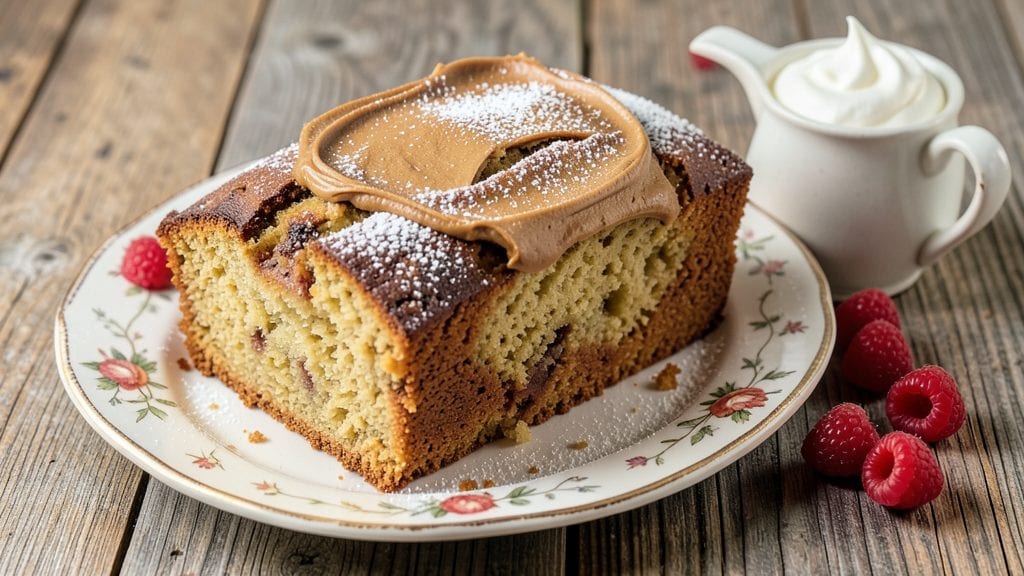
This old-fashioned sour cream pound cake recipe delivers the perfect balance of rich, tender layers and a buttery crust that separates it from modern versions. The secret lies in sour cream’s moisture-retaining properties, which create a crumb so soft it practically melts in your mouth.
After years of perfecting this classic, I’ve developed a method that ensures every slice stays moist for days—no dry crumbs here.
What sets this recipe apart is the precise technique of creaming butter and sugar until light and fluffy, then folding in sour cream and eggs for maximum tenderness.
The high-fat content from butter and sour cream creates that signature dense yet delicate texture, while a touch of vanilla adds depth without overpowering. This isn’t just a cake; it’s a showstopper that tastes like nostalgia in every bite.
By the time it emerges from the oven, you’ll have golden layers with a crisp crust and a crumb so fine it practically dissolves. The sour cream keeps it moist for up to five days, making it ideal for gifts or meal prep.
Whether you serve it plain, with a dusting of powdered sugar, or with fresh berries, this cake delivers restaurant-quality results at home.
For those who love variations, try adding lemon zest for brightness or chocolate chips for indulgence. The beauty of this recipe is its versatility—it’s classic enough for tradition but customizable enough to impress. Let’s bake this cake!
Ingredients for old fashioned sour cream pound cake
Rich butter, velvety sour cream, and tender layers—this classic cake needs just these staples.
| Ingredient | Amount | Notes |
|---|---|---|
| Unsalted Butter 🧈 | 1 cup | Cold, cubed for creaming |
| Granulated Sugar 🍚 | 2 cups | Superfine preferred for smoothness |
| Sour Cream 🥛 | 1 cup | Full-fat, room temperature |
| Large Eggs 🥚 | 4 whole | Room temperature, separated |
| All-Purpose Flour 🌾 | 3 cups | Sifted, spooned lightly |
| Baking Powder 🧂 | 2 tsp | Aluminum-free preferred |
| Salt 🧂 | ½ tsp | Fine sea salt |
| Pure Vanilla Extract 🍯 | 1 tbsp | High-quality, not imitation |
| Lemon Zest 🍋 | 1 tsp | Fresh, organic preferred |
| Powdered Sugar 🍚 | ½ cup | For dusting, sifted |
| Heavy Cream 🥛 | ½ cup | For optional glaze |
| Fresh Blueberries 🫐 | 1 cup | Optional, for variation |
The butter is non-negotiable here—European-style unsalted gives the best flavor and texture. Plugrá or Land O’Lakes work well, but avoid margarine or low-fat versions. For the sour cream, full-fat is essential—it’s what keeps this cake moist for days. If you’re using a block, let it sit at room temperature for 30 minutes before measuring. The eggs should be room temperature too; cold eggs can cause the batter to curdle. For flour, King Arthur or Gold Medal brands are reliable choices, and always sift it to avoid dense layers. The vanilla extract should be pure, not imitation—it makes a noticeable difference in the final flavor.
No superfine sugar? Pulse granulated sugar in a food processor for 30 seconds to achieve a similar texture. Running short on sour cream? Substitute with an equal amount of Greek yogurt, though the texture will be slightly denser. For the lemon zest, organic lemons have more vibrant flavor, but conventional works too—just avoid the white pith. If you’re adding blueberries, toss them in a bit of flour first to prevent sinking. The powdered sugar for dusting can be swapped for confectioners’ sugar, but avoid pre-sifted versions—they often contain anti-caking agents that affect texture. For a chocolate variation, fold in 1 cup chocolate chips with the sour cream.
This cake keeps beautifully—5 days at room temperature wrapped in plastic, or 1 week refrigerated. For longer storage, freeze slices in an airtight container for up to 3 months. To reheat, wrap slices in a damp paper towel and microwave for 10-15 seconds. The glaze of heavy cream and powdered sugar is optional but adds a professional touch—whisk it together just before serving. If you’re prepping ahead, bake the cake a day in advance; the flavors deepen as it sits. Store any leftovers in a cake carrier to maintain freshness.
Why You'll Love This Recipe
- I’ll be real: this cake isn’t the type to disappear in one sitting. But that’s okay because it keeps like a dream. Wrap it up, and it’ll stay moist for five days at room temp or even a week in the fridge. Freeze slices for months? Even better. Need a last-minute dessert? Pull one out, dust with powdered sugar, and boom—you’ve got a crowd-pleaser with zero extra effort.
- Here’s the thing: butter, sugar, and flour are pantry staples, and sour cream is cheaper than you think. This isn’t one of those recipes that requires obscure or expensive ingredients—just the basics, played right. And if you’re feeling fancy, toss in some blueberries (or skip them entirely). Either way, it’s the kind of cake that makes you feel like you’re treating yourself without breaking the bank.
Step-by-step instructions for old fashioned sour cream pound cake
Here's the method that delivers a tender crumb and rich buttery crust every time.
Cream Butter and Sugars for Maximum Moisture
In a stand mixer fitted with the paddle attachment, beat the 1 cup unsalted butter and 2 cups granulated sugar on medium speed for 3-4 minutes. You're looking for a light, fluffy texture that nearly doubles in volume and becomes pale. This creaming process incorporates air, which creates that signature tender crumb.
Here's the thing—don't rush this step. The butter should be completely smooth with no graininess remaining. If you skip this, your cake will be dense rather than light. Scrape down the sides of the bowl with a spatula to ensure even mixing.
Add Eggs and Sour Cream for Richness
Add the 4 large eggs, one at a time, mixing well after each addition until fully incorporated. Then add the 1 cup sour cream and mix until smooth. The sour cream adds moisture and helps create that fine, even crumb. You'll notice the batter become thicker and more cohesive.
Next, stir in the 1 tablespoon pure vanilla extract and 1 teaspoon lemon zest. The lemon zest adds a subtle brightness that balances the richness. Mix just until combined—overmixing develops gluten, which makes the cake tough. Scrape the bowl again to ensure all ingredients are evenly distributed.
Combine Dry Ingredients for Light Layers
In a separate bowl, whisk together the 3 cups all-purpose flour, 2 teaspoons baking powder, and ½ teaspoon salt. Sift the flour lightly into the bowl to aerate it—this prevents dense pockets in your cake. Gently fold the dry ingredients into the wet mixture using a spatula, mixing just until combined.
Stop mixing as soon as the flour disappears. Overmixing develops gluten, which makes the cake dense. The batter should be thick but pourable. If you're adding the 1 cup fresh blueberries, gently fold them in now, reserving a few for the top if desired.
Prepare the Pan and Bake for Even Cooking
Preheat your oven to 350°F. Grease a 10-inch tube pan thoroughly with softened butter, then dust with flour, tapping out the excess. Pour the batter into the prepared pan and smooth the top. For an optional glaze, whisk together the ½ cup heavy cream and ½ cup powdered sugar, then drizzle over the batter.
Bake for 50-60 minutes, or until a toothpick inserted into the center comes out clean. The cake should spring back slightly when pressed in the center. If the top browns too quickly, tent loosely with foil. The internal temperature should reach 200-210°F for perfect doneness.
Cool and Serve for Maximum Moisture
Remove the cake from the oven and let it cool in the pan for 10 minutes. Then invert it onto a wire rack to cool completely. This gradual cooling prevents cracking and ensures the cake holds its shape. The cake will pull away from the sides of the pan, making it easy to release.
Slice when completely cool for clean layers. The cake should be moist with a tender crumb and a buttery crust. Serve at room temperature with a dusting of powdered sugar or a dollop of whipped cream. The lemon zest adds a bright contrast to the rich, buttery flavors—trust me, it makes all the difference.
Pro Tips For Making Old Fashioned Sour Cream Pound Cake
- Whisk Eggs First: I used to crack eggs straight into the mixer with the butter and sugar—big mistake. Whisk the 4 whole eggs separately first, then add them one at a time to the butter-sugar mix. This keeps the yolks intact longer, preventing greasy streaks in your batter that can happen when they break too early. Trust me, your cake’s texture will thank you.
- Sift That Flour Hard: Skimping on sifting the 3 cups flour is how you end up with dense pockets in your cake. Use a fine-mesh sieve and tap it gently over the bowl to break up any lumps. I learned this the hard way—my first attempt had a brick-like center because I just dumped the flour in. Lightly spooning it in after sifting is the real secret to that cloud-like crumb.
- Tent Before It Burns: That 350°F oven is no joke, especially with a tube pan. If the top starts browning too fast before the 50-60 minutes are up, cover it loosely with foil—just don’t press it down. I’ve ruined more cakes than I’ll admit by ignoring this. The goal is even cooking, not a charred crust.
- Chill the Batter: If you’re baking this cake more than an hour after mixing, pop the batter in the fridge for 15-20 minutes first. The sour cream and eggs will hold their structure better, and the cake won’t rise too quickly in the oven. I started doing this after my first batch collapsed in the middle—now it’s foolproof.
Wine and beer pairings for this recipe
Rich Dessert Wines
A buttery, moist pound cake like this calls for wines that can stand up to its richness without getting lost. I always reach for a dry Riesling from Germany or Alsace—its 10-12% ABV and bright acidity cut through the cake’s sweetness while complementing the sour cream’s tang.
Look for Dr. Loosen Blue Slate or Trimbach Riesling Grand Cru for notes of green apple and citrus that refresh your palate between bites. 🍷
Fruity Off-Dry Options
For those who prefer a touch of sweetness, an off-dry Gewürztraminer is a perfect match. The 12-14% ABV and lychee or rose petal aromas pair beautifully with the cake’s vanilla and lemon zest.
I recommend Domaine Weinbach Gewürztraminer from Alsace—it’s aromatic enough to stand out but not overpowering. The residual sugar balances the cake’s richness without tasting cloying.
Craft Beer Pairings
If you’re serving this cake at a gathering, don’t overlook beer! A Belgian-style witbier like Leffe Blonde or Hoegaarden offers 5-6% ABV with citrus and coriander notes that cleanse the palate.
For a bolder option, try a dark amber ale with caramel and toasty flavors—New Belgium Fat Tire works well. The malty sweetness complements the cake’s buttery layers while the carbonation helps cut through the richness. 🍺
Avoid Heavy Reds
While it might seem intuitive, I’d steer clear of bold red wines like Cabernet Sauvignon or Syrah with this cake—their tannins and dark fruit flavors can clash with the delicate crumb. Even a light Pinot Noir might overpower the subtle notes of vanilla and lemon.
Instead, stick to whites or light beers that highlight the cake’s natural flavors without competing. Trust me, your guests will thank you!
Non-Alcoholic Alternatives
For a festive, alcohol-free option, try a sparkling peach nectar like Muir Glen Sparkling Peach. The 11% ABV equivalent (non-alcoholic) and peach flavor mirror the cake’s sweetness while providing a refreshing contrast.
Alternatively, a vanilla-infused sparkling water with a splash of lemon juice offers a sophisticated touch without alcohol. It’s surprising how well it pairs with the cake’s complexity! ✨
Nutrition facts
Frequently asked questions
Why does this recipe use sour cream instead of regular cream?
The 1 cup sour cream creates a richer, more tender crumb by adding moisture and fat—unlike lighter creams. It also helps the cake stay moist for days, preventing dryness. The tanginess balances the sweetness beautifully while keeping the texture velvety. This classic trick separates good pound cakes from great ones!
Can I substitute the granulated sugar for something else?
If you don’t have superfine sugar, pulse granulated sugar in a food processor for 30 seconds to mimic the texture. For a lower-sugar option, reduce the 2 cups granulated sugar by ¼ cup and add 1 extra tablespoon vanilla extract to maintain flavor depth. The cake will be slightly less sweet but still rich.
What’s the best way to avoid cracks in the cake?
Cracks happen when the cake cools too quickly. After baking, let it cool in the pan for 10 minutes, then invert it onto a wire rack to cool gradually. Avoid opening the oven door too soon, and ensure your oven is preheated properly to 350°F. If cracks appear, simply cover them with a dusting of powdered sugar before serving!
How do I know when the cake is done?
Insert a toothpick into the center—if it comes out clean or with a few moist crumbs, it’s done. The cake should also spring back slightly when gently pressed. Aim for an internal temperature of 200-210°F for perfect doneness. Overbaking makes the crumb dry, so trust the toothpick test!
Can I make this cake ahead of time?
Bake the cake a day ahead—it tastes even better as flavors meld. Store wrapped tightly at room temperature for 5 days or refrigerate for 1 week. For longer storage, freeze slices in an airtight container for up to 3 months. Reheat wrapped in a damp towel for 10-15 seconds in the microwave.