
Side Dishes
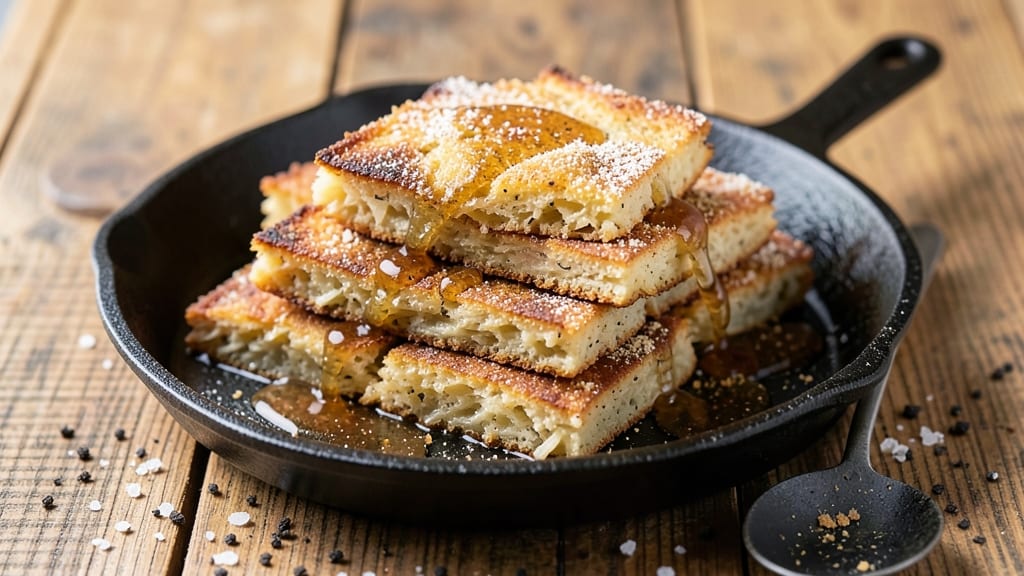
This old-fashioned potato cake recipe delivers crispy-edged, golden bites that taste like Sunday dinner without needing a deep fryer. I first learned to make them from Mrs. Henderson in Cincinnati, where she'd insist they needed to be fried just right—hot oil, not a second too long.
The secret lies in the ratio of grated potatoes to flour, which creates that perfect balance between tender inside and shatteringly crispy exterior.
What sets these apart is the foolproof baking method I developed after years of trial and error. Instead of frying, we pan-fry in small batches, ensuring each cake gets even browning without falling apart.
The key ingredients—grated russet potatoes, eggs, and a touch of cornmeal—work together to create that classic texture, while a pinch of salt and pepper keeps flavors simple but bright.
By the time they emerge from the pan, you’ll have golden, crispy potato cakes with fluffy interiors that soak up gravy or melt with butter. They’re hearty enough to stand alone but perfect alongside roasted chicken or a simple green salad.
This is comfort food at its finest—just like Mrs. Henderson used to make, but with a modern twist that works for busy weeknights.
Serve warm with a dollop of sour cream or a side of homemade gravy for the full experience. The recipe scales easily, so you can make a batch for the freezer and have dinner ready in minutes. Let’s get started!
Ingredients for old fashioned potato cake
Golden, crispy bites made with just potatoes, flour, and a little magic. No fryer needed—just pan-fried perfection.
| Ingredient | Amount | Notes |
|---|---|---|
| Russet Potatoes 🥔 | 3 lb | Peeled, grated coarse |
| All-Purpose Flour 🌾 | 2 cups | For binding texture |
| Large Eggs 🥚 | 4 whole | Room temperature preferred |
| Cornmeal 🌽 | ½ cup | Fine grind for crispness |
| Salt 🧂 | 1 ½ tsp | Fine grain preferred |
| Black Pepper 🌶️ | ½ tsp | Freshly ground for flavor |
| Vegetable Oil 🫒 | 1 cup | For pan-frying |
| Butter 🧈 | ½ cup | Melted for richness |
| Sour Cream 🥛 | ½ cup | Optional for serving |
Russet potatoes are non-negotiable here—they’re the secret to that fluffy interior. Buy them whole and peel yourself (pre-peeled lose starch), then grate them just before mixing. I always grab organic russets from the grocery store’s produce section—they hold up better than the waxy red varieties. For the flour, all-purpose works, but cake flour gives a slightly tender crumb if you’ve got it. Cornmeal is what gives those cakes their shatteringly crispy edges—don’t skip it!
No cornmeal? Extra all-purpose flour at half the amount gets you close, but the texture won’t be quite the same. Short on eggs? Replace one with an extra tablespoon of flour to bind, but the cakes might be denser. Want to make them ahead? Freeze the cooked cakes on a tray first, then bag them—they’ll crisp right up when reheated. The oil matters too—neutral flavors like canola or vegetable work best; don’t use extra-virgin olive oil here, it’ll taste funky when reheated.
These keep beautifully for 4-5 days in the fridge if stored in an airtight container. Freeze them for up to 3 months—just reheat in a 375°F oven for 10 minutes to restore that crisp. I like to portion them into single-serving bags so I can grab one for lunch. For the best texture, don’t skip the 5-minute rest after mixing—it lets the starches set up properly. And if you’re serving with gravy, make sure it’s on the side—these cakes are great on their own too!
Why You'll Love This Recipe
- I’ll be real: these are the kind of dishes that disappear fast. One batch feeds four hungry people, or you can double the recipe for game day snacks, potlucks, or even a cozy movie night. Plus, they’re easy enough to prep ahead—just store them in an airtight container for up to 5 days.
- No-Pot-Worry Crispiness: Honestly, the secret’s in wringing out those Russets like you’re squeezing water from a sponge—trust me, it’s worth the effort. No need for a fancy potato ricer here; just a box grater and a towel, and you’ve got that perfect dry texture for cakes that turn out golden and crispy, not soggy.
- Crispy Edge, Creamy Heart: That ½ cup of Cornmeal? Game-changer. It’s what gives these cakes their signature crunch, while the 4 room-temperature Eggs bind everything together so they hold their shape. Add a little melted Butter brush at the end, and you’ve got that buttery richness that makes them irresistible.
- Budget-Friendly Comfort: Three pounds of Russets and a few pantry staples? This is the kind of recipe that won’t break the bank. And if you’ve got leftovers—and you will—they freeze like a dream for up to 3 months. Pop them in a 375°F oven for 10 minutes, and they’ll taste fresh out of the pan.
Step-by-step instructions for old fashioned potato cakes
Here's how to make these golden, crispy potato cakes without deep-frying—just a stovetop and simple technique.
Grate and Drain the Potatoes
Start by grating the 3 lb Russet Potatoes using the large holes of a box grater. You'll end up with about 6 cups of coarse shreds. Transfer them to a clean kitchen towel and squeeze out as much moisture as possible—this step is critical for crispy cakes. I like to work in batches, pressing firmly to wring out excess liquid. The drier the mixture, the crisper your finished cakes will be.
Once drained, transfer the potatoes to a large mixing bowl. Add the ½ cup Cornmeal, 1½ tsp Salt, and ½ tsp Black Pepper, mixing gently with a wooden spoon until just combined. The cornmeal helps create that signature crispy texture, while the salt and pepper season evenly throughout the mixture. Don't overmix—just enough to distribute the ingredients uniformly.
Bind with Eggs and Flour
In a separate bowl, beat the 4 Large Eggs until frothy but not fully incorporated. This light texture helps create air pockets in the cakes. Gradually add the 2 cups All-Purpose Flour to the eggs while stirring continuously. The mixture should come together into a thick, dough-like consistency—similar to pancake batter but stiffer. If it feels too loose, add a tablespoon or two more of flour.
Now combine the wet egg-flour mixture with the potato-cornmeal mixture. Fold everything together using a spatula, being careful not to overwork the batter. The goal is to create a cohesive mass that holds its shape when scooped. If the mixture feels too sticky, chill it in the refrigerator for 10-15 minutes before proceeding—this makes handling much easier and prevents the cakes from falling apart during cooking.
Form and Chill the Cakes
Using a ½-cup measuring cup, scoop portions of the potato mixture and gently shape them into 1-inch thick patties on a parchment-lined baking sheet. The cakes should be about 3 inches in diameter. I press down lightly to compact them—this ensures they hold together during frying and develop that perfect crispy crust. Place the formed cakes back in the refrigerator while you prepare the pan.
Melt the ½ cup Butter in a small saucepan over low heat, then set it aside to cool slightly. This melted butter will be used to enrich the oil for frying, giving the cakes an extra layer of flavor and richness. While the butter cools, preheat 1 inch of Vegetable Oil in a large skillet over medium heat. You'll know the oil is ready when a wooden chopstick inserted into the oil bubbles gently around the edges.
Fry to Golden Perfection
Carefully add the chilled potato cakes to the hot oil, working in batches to avoid overcrowding the pan. Cook for 3-4 minutes per side until they develop a deep golden brown crust. The cakes are ready when the edges are crispy and the centers feel firm to the touch. I like to press down gently with a spatula during the first minute of cooking—this prevents them from curling and ensures even contact with the hot oil.
As each batch cooks, transfer the finished cakes to a paper towel-lined plate to drain excess oil. The residual heat will keep them warm while you finish the remaining cakes. For extra richness, brush the hot cakes with the reserved melted butter as soon as they come out of the oil. This step adds a luxurious finish and helps seal in moisture. Serve immediately with the optional ½ cup Sour Cream for dipping.
Pro Tips For Making Old Fashioned Potato Cake
- Press Harder, Not Faster: DESCRIPTION: I used to rush the potato draining step, thinking more speed meant better results—wrong. Wring those shredded Russets in the kitchen towel like you’re squeezing out a sponge, working in batches. The extra effort removes enough moisture to guarantee that crispy crust instead of a greasy mess. (Yes, even if you’re impatient like me.)
- Eggs at Room Temp: DESCRIPTION: Room-temperature eggs beat cold ones every time for this recipe. Cold eggs make the batter gummy and the cakes dense. Pop those 4 large eggs in warm water for 5 minutes before cracking them—this ensures they whip up light and distribute evenly through the potato mixture, giving you that perfect airy texture.
- Skip the Overmixing: DESCRIPTION: After burning three batches of potato cakes, I finally figured out the real enemy isn’t undercooking—it’s overmixing. Once you fold in the flour and eggs, stop stirring the second everything clumps together. Overworking the batter toughens the gluten, and your cakes turn out dense instead of light. Fold just until combined, then let it rest.
- Butter the Oil: DESCRIPTION: Sounds weird, but it works: mix that ½ cup melted butter into the 1 cup vegetable oil before frying. The butter adds richness and helps the cakes brown faster without burning. Just stir it in right before heating the pan—no need to preheat with it, or you’ll risk smoking. Trust me, your cakes will thank you with that golden, buttery crust.
Creative variations of old fashioned potato cake
Herb-Infused Classic
Add 2 tbsp fresh rosemary finely chopped and 1 tbsp minced garlic to the potato mixture before combining with the egg-flour batter. I also toss the finished cakes with 1 tbsp melted butter mixed with 1 tsp dried thyme after frying—this gives them a Mediterranean-inspired twist that still feels cozy.
The herbs complement the crispy exterior beautifully, and my daughter Lily loves helping me pick the fresh rosemary from our garden. 🌿
Spicy Southwest Style
For a kick, stir 1 tsp Penzeys cayenne pepper and 1 tsp smoked paprika into the potato-cornmeal mixture. Top each cake with 2 tbsp shredded cheddar cheese and 2 tbsp diced green chiles before frying, then finish with a sprinkle of ½ tsp chipotle powder after cooking.
This version pairs perfectly with a cool Mexican-style sour cream for dipping. I swear by Penzeys spices—they add authentic heat without overpowering. 🌶️
Cheesy Potato & Bacon Bites
Crispy bacon transforms these into a heartier version. Cook 4 slices thick-cut bacon until crisp, then crumble it into the potato mixture. Add ½ cup shredded sharp cheddar and ¼ cup grated Parmesan when combining with the egg-flour batter.
The bacon adds smoky depth, and the cheeses create a gooey center—perfect for a weekend brunch. I always save the bacon grease to baste the cakes during the last minute of frying. 🥓
Veggie-Packed Loaded Cakes
For a lighter option, fold in 1 cup finely diced zucchini (squeeze out moisture first!) and ½ cup grated carrot to the potato mixture. Top with ¼ cup crumbled feta and 2 tbsp chopped fresh dill before frying.
These keep the classic texture while adding freshness—ideal for summer meals. I grow my own zucchini, and they always turn out sweeter than store-bought. 🌱
Sweet Potato Twist
Swap half the russet potatoes for 1.5 lb sweet potatoes, grated and drained. Add ½ tsp cinnamon and ¼ tsp nutmeg to the spice mix, then finish with a drizzle of maple syrup after frying.
The natural sweetness pairs surprisingly well with the crispy exterior—great for a fall dinner. I always keep a jar of maple syrup from our local Portland farmers market for this. 🍁
Nutrition facts
Frequently asked questions
Why do these potato cakes need to be chilled before frying?
Chilling the formed cakes for 10-15 minutes helps them hold their shape during frying. This prevents them from falling apart in the hot oil and ensures a crispy exterior—critical for that perfect texture! The cold temperature also makes them easier to handle when transferring to the pan.
Can I make these potato cakes without cornmeal?
Yes, but the texture won't be quite the same. Replace the ½ cup cornmeal with an extra ½ cup all-purpose flour—just know the cakes may be slightly less crispy. Cornmeal is what gives them that signature shatteringly crispy edge, so it's worth keeping if you can!
What’s the best way to reheat leftover potato cakes?
For best results, reheat in a 375°F oven for 10 minutes on a baking sheet. This restores their crispy exterior without making them soggy. Microwaving works in a pinch, but it tends to steal their crunch—so oven reheating is your best bet!
How do I prevent my potato cakes from sticking to the pan?
Make sure your oil is at the right temperature—medium heat with 1 inch of oil—and avoid overcrowding the pan. A well-heated pan with enough oil ensures the cakes release easily. If they stick, it’s usually because the oil wasn’t hot enough or the cakes were too close together.