
Desserts
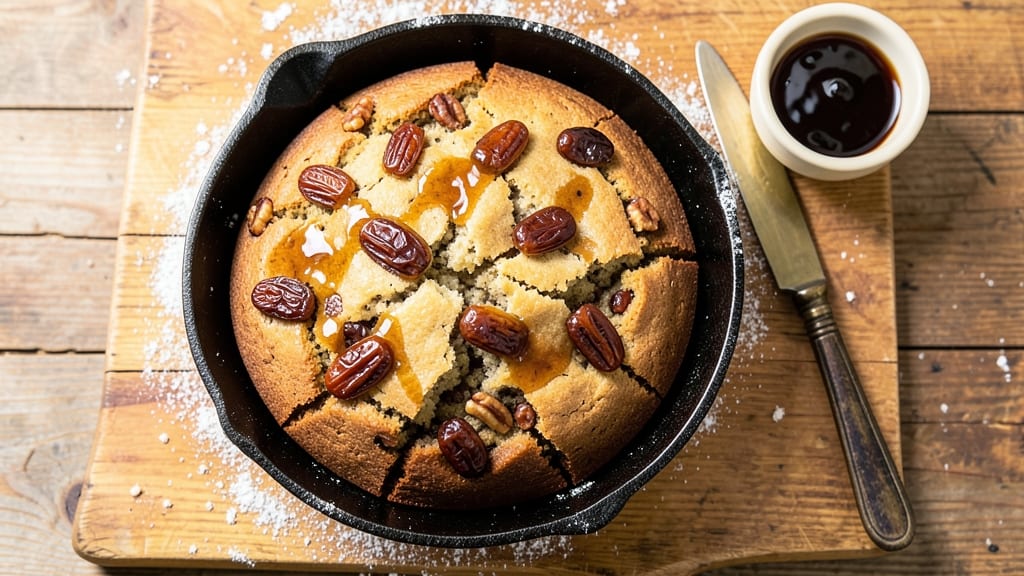
This old-fashioned date cake recipe delivers the perfect balance of moist layers and caramelized topping that makes every slice feel like a nostalgic hug.
The secret lies in soaking dates overnight to create a tender, naturally sweet base that holds up beautifully, while a simple molasses glaze adds that signature caramelized crust.
I first tried this recipe during a holiday baking challenge, and it became an instant family favorite—especially when served warm with vanilla ice cream.
The beauty of this classic dessert is its simplicity: just a handful of pantry staples and a few hours of hands-off time. Dates provide natural sweetness and moisture, while spices like cinnamon and nutmeg add warmth without overpowering the cake's rich flavor.
The molasses glaze isn't just for decoration—it creates that signature caramelized top that cracks perfectly when sliced, revealing tender layers beneath.
What you'll end up with is a cake that's moist enough to melt in your mouth but sturdy enough to slice cleanly, with a caramelized crust that adds depth and texture.
The flavor profile is complex—sweet from the dates, rich from the molasses, and aromatic from the spices—making it a dessert that feels both comforting and special. This is the kind of cake that tastes even better the next day, when the flavors have had time to meld.
Serve it as-is for a rustic presentation, or add a dollop of whipped cream for extra indulgence. The recipe scales beautifully for gatherings, and leftovers keep well for up to five days. Here's everything you need to bring this classic dessert to life—just as it's been made for generations.
Ingredients for old fashioned date cake
Just dates, flour, and spices—simple enough but packed with nostalgic flavor.
| Ingredient | Amount | Notes |
|---|---|---|
| Pitted Medjool Dates 🍈 | 1 ½ cups | Chopped, soaked overnight |
| All-Purpose Flour 🌾 | 2 ½ cups | Sifted for light texture |
| Granulated Sugar 🍬 | 1 cup | For sweetness balance |
| Unsalted Butter 🧈 | ¾ cup | Melted, cooled slightly |
| Large Eggs 🥚 | 2 whole | Room temperature preferred |
| Molasses 🍯 | ½ cup | Unsulphured for depth |
| Baking Soda 🧂 | 1 tsp | For tender crumb |
| Ground Cinnamon 🌿 | 1 ½ tsp | Ceylon preferred for aroma |
| Ground Nutmeg 🌿 | ½ tsp | Freshly grated preferred |
| Salt 🧂 | ½ tsp | Fine sea salt preferred |
| Vanilla Extract 🍃 | 1 tsp | Pure extract only |
| Lemon Juice 🍋 | 1 tbsp | Freshly squeezed |
Dates are the star here. Medjool dates work best—they're chewy and sweet, but pitted is a must to avoid gritty texture. Soak them overnight in warm water (I use a bowl with a plate on top) and drain well. Costco or bulk bins are great for dates, but check for softness—no hard pits or shriveled edges. If you can't find Medjool, deglet noor dates work in a pinch, though they're slightly less sweet. The flour matters too—sift it to avoid lumps, and don't skip the sifting even if it seems tedious. It makes all the difference in the cake's texture.
No molasses? Brown sugar syrup (equal parts sugar and water simmered) gets you close, but it lacks the deep caramelized flavor. Cinnamon and nutmeg are non-negotiable for this recipe—they're what make it feel like a true classic. Want to stretch the spices? Mexican oregano adds a nice herbal twist, though it's not traditional. The vanilla extract should be pure—no imitation stuff. And if you're worried about the lemon juice, a splash of apple cider vinegar works too, though it's not quite the same. The eggs need to be room temperature, but if you're in a rush, microwave them 30 seconds to warm them up.
This cake tastes even better the next day, so make it ahead if you can. Store it in an airtight container at room temperature for up to 5 days, or freeze slices for 3 months wrapped tightly in parchment. The glaze keeps separately in the fridge for 1 week. I always make extra—it's the perfect dessert for gatherings, and people always ask for the recipe. Portion it into individual servings before freezing to make reheating a breeze. And if you're worried about the dates drying out, brush the cake with simple syrup before serving to keep it moist.
Why You'll Love This Recipe
- I’ll be real: this recipe uses ingredients you already own. Flour, sugar, butter—check. Eggs—check. And dates? A big bag lasts forever. No fancy substitutions, no last-minute grocery runs. Plus, slices keep well wrapped at room temp, so you’re not scrambling to bake fresh every time. My go-to for lazy mornings or when I just can’t be bothered.
- No-Fuss Mixing: I swear by this recipe because it’s basically one bowl. You toss the pitted Medjool dates into the food processor with the butter and sugar—no chopping, no fuss—until it’s a sticky, caramelized paste. Then you just fold in the dry ingredients and eggs. That’s it. No standing over a hot stove for hours.
- Date Caramel Magic: Between us, this cake has a flavor depth that surprises people. The Medjool dates add this rich, buttery sweetness that’s not cloying—more like a natural caramel swirl. And when you bake it, that sugar-butter combo creates this perfect crackly top that’s crisp enough to hold ice cream (yes, I’ve tested it).
- Weeknight or Holiday: Here’s what sold me—it’s the kind of cake that works everywhere. Need a quick breakfast? Slice it up and toast it. Hosting a potluck? It’s fancy enough to bring. Even my picky uncle loves it—no one turns down a moist, naturally sweet cake that’s not too heavy. (Between us, I’ve served it at birthday parties and book club meetings.)
Step-by-step instructions for old fashioned date cake
Here's how to create layers of moist date cake with a caramelized top—simple steps for perfect results every time.
Prepare the Date Filling
Drain the soaked 1½ cups pitted Medjool dates and place them in a food processor. Pulse until you achieve a chunky paste—you want texture, not a smooth puree. This filling will keep the cake moist and add natural sweetness.
Transfer the date mixture to a mixing bowl and stir in the ½ cup molasses and 1 tbsp lemon juice. The molasses adds depth, while the lemon brightens the flavors. Set this mixture aside while you prepare the cake batter.
Mix the Cake Batter
In a large bowl, cream together the ¾ cup unsalted butter and 1 cup granulated sugar until light and fluffy—about 3-4 minutes with an electric mixer. This step incorporates air, which helps create a tender crumb. Scrape down the sides of the bowl occasionally to ensure even mixing.
Add the 2 large eggs, one at a time, mixing well after each addition. Then stir in the 1 tsp vanilla extract. The eggs bind the ingredients, while the vanilla adds warmth to the spice profile. In a separate bowl, whisk together the 2½ cups all-purpose flour, 1 tsp baking soda, 1½ tsp ground cinnamon, ½ tsp ground nutmeg, and ½ tsp salt. Sift this mixture into the wet ingredients and gently fold just until combined—overmixing develops gluten, which can make the cake tough.
Assemble and Bake the Cake
Preheat your oven to 350°F and grease two 9-inch round cake pans, then line the bottoms with parchment paper. Divide the cake batter evenly between the pans. Spread half of the date filling over each layer, then top with the remaining batter. The filling will seep into the cake as it bakes, ensuring moisture throughout.
Bake for 30-35 minutes, or until a toothpick inserted into the center comes out clean. The cake should be golden on top and spring back slightly when pressed. Rotate the pans halfway through baking for even browning.
Caramelize the Topping
While the cake bakes, prepare the caramelized topping by melting the remaining ¼ cup unsalted butter (reserved from the original amount) in a small saucepan over low heat. Stir in ¼ cup granulated sugar and ½ cup molasses, then simmer for 3-4 minutes until the mixture thickens slightly and turns a deep amber color. This step adds a rich, sticky glaze that contrasts beautifully with the moist cake layers.
Once the cake is done, let it cool in the pans for 10 minutes, then invert onto a wire rack to cool completely. Drizzle the caramelized topping evenly over the top of the cake while still warm. The heat from the cake will help the topping set into a glossy finish. Let the cake cool completely before slicing—this ensures clean, moist layers every time.
Pro Tips For Making Old Fashioned Date Cake
- Pulse Dates Coarsely: I learned this the hard way—blending the dates too smooth turns the cake into a dense brick. Aim for a chunky paste with visible texture; it keeps the crumb tender and the natural sweetness balanced. A few quick pulses, not a puree, is what matters most.
- Cool Butter Slightly: That melted butter needs to cool just enough so it doesn’t cook the flour the second you mix them. Dip the bowl in warm water for 30 seconds or let it sit 5 minutes—your future self will thank you when the cake isn’t tough.
- Rotate Pans Mid-Bake: Skipping this step means one side of your cake turns into a sad, pale afterthought. After 15 minutes, swap the pans front to back for even browning—no peeking, just trust the process.
- Simmer Glaze Low: Sounds weird, but it works: crank the heat to medium-high to start melting the butter, then drop it to low for that amber caramel. High heat burns the molasses before it thickens—burnt glaze ruins the whole cake.
Troubleshooting great old fashioned date cake
Cake Too Dense?
If your cake comes out heavier than expected, it’s likely overmixed. The moment you combine the dry ingredients with the wet, stop folding when just combined—no more than 15-20 strokes.
Overmixing develops gluten, making the cake dense. I’ve learned to trust my instincts: when the batter looks uniform but still has streaks of flour, it’s perfect. 💡
Dates Too Wet?
Excess moisture from dates can make the batter runny. Drain them thoroughly after soaking and pat dry with a clean towel before processing. If the batter still seems too wet, add 2-3 tablespoons of flour to balance it.
I always double-check the dates are dry before mixing—this is where most moisture issues start.
Topping Too Thin?
The caramelized topping should thicken into a glossy glaze, not a thin syrup. Simmer the mixture longer—up to 5 minutes—until it coats the back of a spoon.
If it’s too thin, reduce heat and let it thicken naturally. I’ve found that a low and slow approach yields the best results without burning.
Cake Not Moist?
Underbaking is the most common culprit. Pull the cake out when a toothpick has just a few moist crumbs—don’t wait for it to be completely clean. I’ve learned to trust the 30-35 minute range and rely on the spring-back test: press gently on the top—if it bounces back, it’s done.
Overbaking dries out the cake, so set a timer and watch closely. 🔥
Glaze Separating?
If your glaze separates, it’s likely because the butter wasn’t fully melted before adding sugar. Melt the butter completely over low heat until it’s clear, then whisk in sugar and molasses. Let it cool slightly before drizzling—this prevents streaking. I always whisk vigorously while heating to ensure everything blends smoothly.
Cracking Top?
A cracked top usually means the cake cooled too quickly. After baking, let it cool in the pan for 10 minutes before inverting. If cracks persist, brush the warm cake with a thin layer of simple syrup before cooling.
This seals the surface and prevents excessive cracking. I’ve found that a slightly damp cooling towel on the rack also helps retain moisture. ✨
Nutrition facts
Frequently asked questions
Why do you soak the dates overnight?
Soaking the 1.5 cups Medjool dates overnight softens them and makes them easier to blend into a chunky paste. This step ensures the cake stays moist and adds natural sweetness without making the batter too wet. The overnight soak also helps the dates absorb flavors from the molasses and lemon juice you'll mix in later.
Can I use a different type of date?
While Medjool dates are ideal, deglet noor dates work in a pinch. They’re slightly less sweet but still provide moisture. Just adjust the ½ cup molasses slightly if you prefer a sweeter cake—start with a tablespoon less and taste as you go! The texture will be similar, but Medjool dates give the best chewy bite.
What if my cake layers crack when cooling?
Cracks happen when the cake cools too quickly. After baking, let it cool in the pan for 10 minutes before inverting. For stubborn cracks, brush the warm cake with a thin layer of simple syrup before cooling—this seals the surface. A damp towel on the cooling rack also helps retain moisture.
How do I store the caramelized topping?
The topping keeps separately in the fridge for up to 1 week in an airtight container. Reheat it gently in a small saucepan over low heat, stirring until smooth. Drizzle it over the cake just before serving for that glossy finish. The heat from the cake will help it set beautifully.
Can I make this cake ahead of time?
The cake tastes even better the next day as the flavors meld. Store it in an airtight container at room temperature for up to 5 days, or freeze slices wrapped tightly in parchment for 3 months. Just let it come to room temperature before serving. This is perfect for meal prep or holiday gatherings!