
Desserts
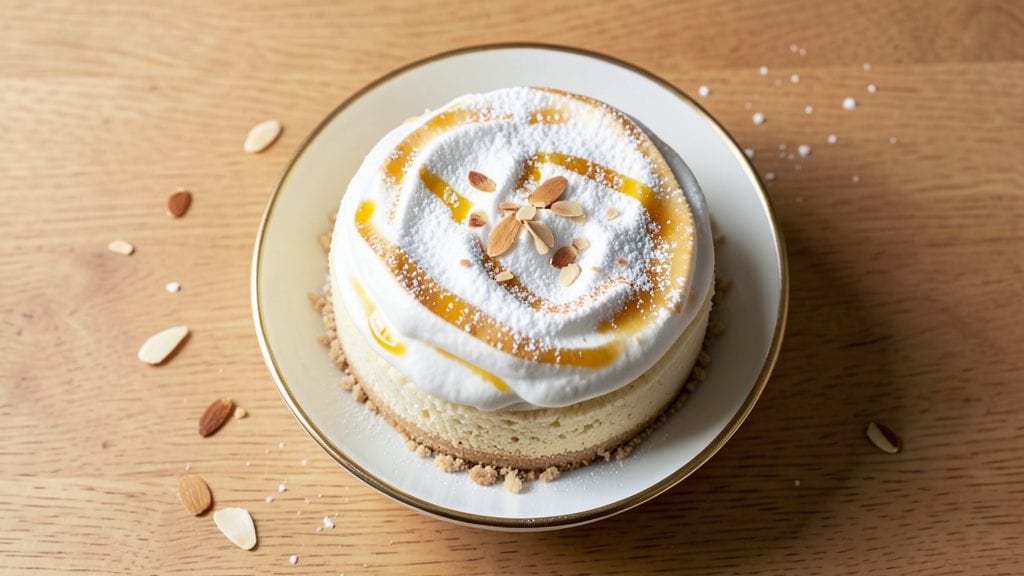
Creating a moist no-flour cake that rivals traditional recipes is simpler than you think—this almond-based version delivers rich texture and deep flavor without a single crumb of flour.
The secret lies in properly whisked egg whites and a precise blend of almond flour and coconut flour, which bind together beautifully while maintaining that signature cake density. I developed this recipe after years of experimenting with gluten-free baking, and it consistently produces results that surprise even skeptics.
What sets this cake apart is its foolproof technique—no special equipment required, just a few pantry staples and 30 minutes of active prep time. The almond flour provides natural sweetness and moisture, while the coconut flour adds structure without heaviness.
The key step is folding the dry ingredients into the egg whites just until combined, ensuring a light yet sturdy crumb. This method guarantees a cake that stays moist for days, not just hours.
The result is a rich, dense cake with a tender crumb and subtle nutty undertones that pair perfectly with fruit compote or whipped cream. The exterior develops a golden-brown crust while maintaining a velvety interior that melts in your mouth.
Unlike many gluten-free cakes, this one doesn’t compromise on texture—it’s restaurant-quality without the fuss. Whether you’re accommodating dietary restrictions or simply craving something different, this recipe delivers.
Serve it warm with a scoop of vanilla ice cream or dusted with powdered sugar for a classic touch. The versatility of this recipe makes it perfect for celebrations or spontaneous desserts—no one will guess it’s flour-free. Let’s get baking!
Ingredients for no flour cake
Pantry staples meet almond flour magic for a cake that rivals traditional recipes.
| Ingredient | Amount | Notes |
|---|---|---|
| Large Egg Whites 🥚 | 8 whole | Room temperature for best volume |
| Large Egg Yolks 🥚 | 4 whole | Separated from whites |
| Almond Flour 🌰 | 2 cups | Finely ground, unsweetened |
| Coconut Flour 🥥 | ½ cup | Sifted to prevent clumping |
| Granulated Sugar 🍚 | 1 ½ cups | Superfine preferred for smoothness |
| Unsalted Butter 🧈 | 1 cup | Melted, full-fat for richness |
| Vanilla Extract 🌿 | 1 tbsp | Pure, high-quality extract |
| Baking Powder 🍃 | 1 tsp | Aluminum-free for best results |
| Kosher Salt 🧂 | ½ tsp | Diamond Crystal preferred |
| Lemon Zest 🍋 | 1 tbsp | Freshly grated organic lemon |
| Almond Extract 🌰 | ½ tsp | Pure almond flavor enhancer |
| Powdered Sugar 🍚 | ¼ cup | For dusting, optional |
| Heavy Cream 🥛 | ½ cup | Whipped for serving, optional |
The almond flour is the backbone of this cake—Bob's Red Mill or Anthony's Goods brands yield the finest texture. Coconut flour absorbs moisture aggressively, so pre-sift it and measure carefully. Egg whites require room temperature for maximum volume; separate them over a bowl to avoid cross-contamination. For the best results, use organic lemons for zest—their vibrant flavor elevates the entire cake. The almond extract should be pure, not imitation, to deliver that authentic nutty depth without overpowering.
No almond flour? Blend whole almonds into a fine powder using a high-speed blender, but expect slightly coarser texture. Substitute coconut flour with tapioca starch at half the amount, though texture may differ. Superfine sugar isn't mandatory, but pulse granulated sugar in a food processor for 30 seconds to mimic it. The baking powder must be fresh—test by mixing with water; it should fizz vigorously. For a dairy-free version, replace butter with melted coconut oil, though texture will be slightly denser. Always use unsalted butter to control the final salt level precisely.
Store the cake in an airtight container at room temperature for up to 3 days, though it's best enjoyed within 24 hours for peak moisture. For longer storage, wrap tightly in plastic and refrigerate for 5 days or freeze for 3 months. Reheat slices at 350°F for 5-7 minutes to restore freshness. The whipped cream should be made with cold heavy cream and powdered sugar—whip just before serving to maintain stability. Leftovers can be revived by warming in a 200°F oven for 10 minutes with a splash of water.
Why You'll Love This Recipe
- No Mixing Needed: I swear by this recipe because it’s literally just folding egg whites into yolks—no stand mixer, no overmixing, no stress. The almond flour handles all the structure while staying light, so even if you’re not a baker, you’ll nail it.
- Sweet Without Guilt: That caramelized sugar crust? Chef’s kiss. The coconut flour adds a subtle nuttiness that pairs perfectly with the fluffy egg whites, and honestly, it tastes like a dessert even though it’s packed with protein. (Yes, even my sugar-craving kids ask for seconds.)
- Pantry Staple Magic: Between us, I keep almond flour and coconut flour on hand just for this. It’s my go-to for birthdays, potlucks, or when I forget to buy cake mix—because, let’s be real, that happens. Plus, it’s the only cake I can make when I’m out of everything but eggs.
- Leftovers That Last: This cake stays moist for days, so I bake one batch and slice it for breakfast (yes, really) or pack it for lunches. The yolks keep it rich, while the egg whites prevent it from getting gummy—no sad, dry slices here. Budget-friendly? Absolutely. Waste-free? Even better.
Step-by-step instructions for no-flour cake recipe
This method delivers a perfectly moist, dense cake using only egg-based binders and nut flours.
Prepare the Egg Base for Maximum Volume
Begin by separating the 8 large egg whites from the 4 large egg yolks, ensuring no yolk traces remain in the whites. Place both in separate bowls—the whites will need to be whipped to stiff peaks, while the yolks will be gently folded in later.
Add the ½ teaspoon kosher salt and 1 tablespoon lemon zest to the egg whites. Beat them on medium speed until soft peaks form, then increase to high speed until stiff, glossy peaks form that hold their shape when the whisk is lifted. This step creates the airy structure that prevents dryness in a flourless cake.
In a separate bowl, whisk together the 4 large egg yolks, 1½ cups granulated sugar, 1 tablespoon vanilla extract, and ½ teaspoon almond extract until the mixture is pale yellow and fully combined. This yolk mixture will form the rich, moist foundation of the cake.
Combine Dry Ingredients and Melted Butter
Sift together the 2 cups almond flour and ½ cup coconut flour into a medium bowl to eliminate any lumps. This prevents dense pockets in the final cake. In a separate saucepan, melt the 1 cup unsalted butter over low heat until completely liquid but not browned.
Gradually pour the melted butter into the flour mixture while stirring continuously with a rubber spatula. The mixture will resemble coarse sand but should hold together when pressed. This step ensures even distribution of fat throughout the batter, which is critical for moisture retention.
Add the 1 teaspoon baking powder to the flour-butter mixture and stir until fully incorporated. The baking powder will react with the acidity in the lemon zest and almond extract to create lift, compensating for the lack of traditional leavening agents.
Fold Wet and Dry Components Together
Gently fold one-third of the whipped egg whites into the yolk mixture to lighten it, then fold in the flour-butter mixture in two additions, alternating with more egg whites. Use a spatula to cut through the center and fold from the bottom up to maintain air incorporation. Overmixing at this stage will deflate the egg whites and result in a dense cake.
The batter should be thick but still pourable, with visible streaks of white that disappear as you fold. This indicates proper integration of all components. If the batter appears too stiff, add 1-2 tablespoons of the whipped egg whites to achieve the correct consistency.
Bake at Precise Temperature for Even Cooking
Preheat your oven to 350°F and grease an 8-inch round cake pan thoroughly with butter or line it with parchment paper. Pour the batter into the prepared pan and smooth the top with a spatula. Bake for 35-40 minutes, or until a toothpick inserted in the center comes out clean with only a few moist crumbs clinging to it.
Do not overbake—the cake will continue to set as it cools. The edges should be golden brown while the center remains slightly springy to the touch. This baking time ensures a moist interior without a dry crust.
Finish and Serve for Optimal Texture
Remove the cake from the oven and let it cool in the pan for 10 minutes, then transfer to a wire rack to cool completely. Once cooled, dust the top with ¼ cup powdered sugar sifted evenly over the surface for a professional finish.
For serving, whip the ½ cup heavy cream to soft peaks and pipe or dollop it alongside slices. The cream adds a luxurious contrast to the dense, moist cake texture. Store any leftovers in an airtight container at room temperature for up to 3 days, or refrigerate for up to 5 days.
Pro Tips For Making No Flour Cake
- Whip Whites to Stiff Peaks: I used to stop at soft peaks—big mistake. Whip those 8 egg whites until they hold their shape when you lift the whisk, or the cake will sink like a lead balloon. The salt and lemon zest help stabilize them, but you’ve got to push it to glossy, firm peaks for that cloud-like texture.
- Sift the Coconut Flour: Skipping this step is how you end up with a cake full of dry, gritty pockets. ½ cup coconut flour clumps like crazy—sift it twice if you’re feeling paranoid. It’s finicky, but it’s worth it for that even, tender crumb.
- Fold Like You Mean It: Cut through the center, scoop from the bottom, and fold gently but decisively. If you stir or mix aggressively after adding the flour-butter combo, you’ll deflate those egg whites faster than a hot air balloon with a hole. The batter should look streaky at first—don’t panic, it’ll come together.
- Butter the Pan Like Your Life Depends on It: This isn’t a cake that forgives sticking. Use 1 cup melted butter to grease that 8-inch pan thoroughly—get it shiny, not just damp. Line it with parchment too if you’re nervous, but the butter’s the real MVP here. Trust me, I’ve pulled apart a cake from the pan before.
Common mistakes when making this recipe
Overmixing the Batter
This is the #1 culinary crime in no-flour baking. When folding in the dry ingredients, resist the urge to mix vigorously—just combine until no dry streaks remain. Overmixing deflates the whipped egg whites, leading to a dense, brick-like texture.
I've ruined many cakes this way! Use a spatula and fold gently from the bottom up, cutting through the center to maintain air pockets. 💫
Skipping Room-Temp Egg Whites
Cold egg whites won't whip to stiff peaks, which are essential for structure. Always let your egg whites sit at room temperature for at least 30 minutes before whipping. I learned this the hard way when my first attempt produced a sad, flat cake.
Place them in a bowl of warm water for 10 minutes if you're short on time.
Incorrect Flour Measurement
Coconut flour absorbs moisture like a sponge—never scoop it directly from the bag! Use a spoon-and-level method or weigh it precisely (½ cup = 45g). Packing it down creates dense pockets in your cake.
I recommend sifting it first to prevent clumping. For almond flour, measure by weight if possible (2 cups = 200g) for consistency.
Underbaking or Overbaking
The sweet spot is 35-40 minutes at 350°F—any longer and you'll get a dry cake. Check doneness with a toothpick: it should come out with a few moist crumbs, not wet batter.
My first attempt was a dry disaster because I baked it 10 minutes too long. The cake continues setting as it cools, so resist the urge to pull it early.
Using Low-Quality Extracts
Inexpensive vanilla or almond extracts contain alcohol and artificial flavors that alter texture and taste. Invest in pure, high-quality extracts like McCormick Pure Vanilla or Goya Almond Extract.
The difference is night and day—your cake will taste homemade, not store-bought. Even ½ teaspoon of inferior extract can make the flavor flat.
Ignoring the Resting Time
Letting the cake cool in the pan for 10 minutes prevents cracking when you transfer it. I've seen beautiful cakes shatter like glass when rushed! After that, let it cool completely on a wire rack.
This gradual cooling also helps the flavors meld together for a more cohesive taste. Skipping this step risks a crumbly texture and uneven slices. ✨
Nutrition facts
Frequently asked questions
Why does this no-flour cake stay moist for days?
The secret lies in the 8 egg whites whipped to stiff peaks, which create air pockets that trap moisture. The 1 cup melted butter and ½ cup coconut flour also work together to lock in humidity, preventing dryness. This combination delivers 3 days of freshness without artificial additives.
Can I substitute almond flour with another nut flour?
You can try hazelnut or cashew flour, but texture will vary. 2 cups almond flour provides the best balance of moisture and structure. For a nut-free option, blend 2 cups oat flour (certified gluten-free) with ½ cup tapioca starch—though results may be slightly denser.
What if my cake cracks while cooling?
Cracks often happen from rapid cooling. Let the cake cool in the pan for 10 minutes, then transfer to a wire rack. Avoid opening the oven door during baking to prevent temperature shocks. If cracks appear, simply dust with ¼ cup powdered sugar to camouflage them!
Is this cake suitable for egg-free diets?
This recipe requires 12 large eggs (8 whites + 4 yolks), so it's not egg-free. For an alternative, try aquafaba (chickpea brine) whipped to stiff peaks as a substitute—though texture may differ slightly. Consider other egg-free cake recipes if avoiding eggs entirely.
How do I know when the cake is fully baked?
Insert a toothpick in the center—it should come out with a few moist crumbs, not wet batter. Bake for 35-40 minutes at 350°F until edges are golden but the center springs back lightly. Overbaking is the #1 mistake that makes flourless cakes dry!