
Desserts
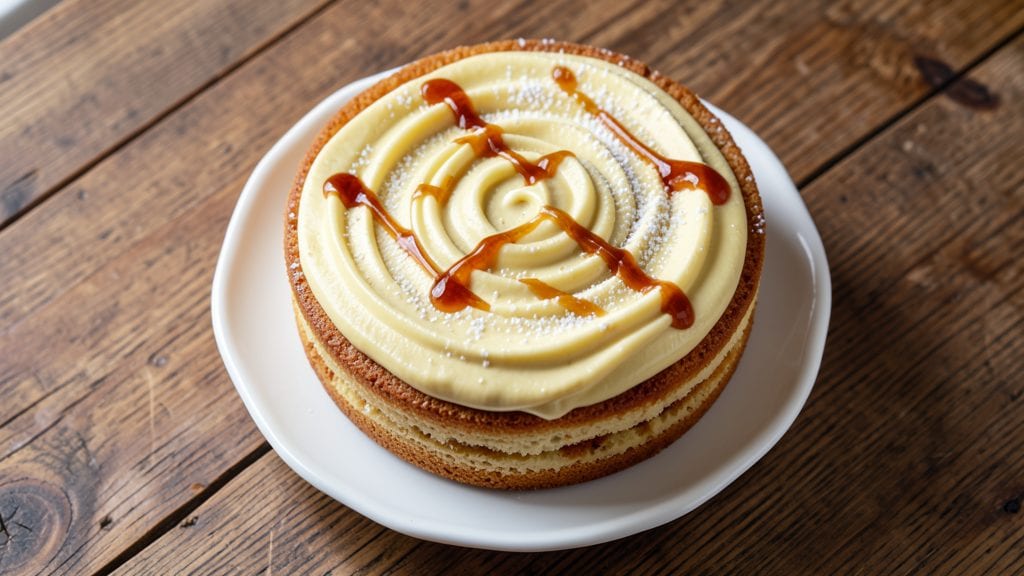
This mayonnaise cake recipe delivers layers of ultra-moist perfection with a subtle vanilla kiss that makes every slice irresistible. The secret lies in mayonnaise's ability to tenderize the crumb while keeping it rich and velvety—no dry crumbs here.
After years of perfecting this technique, I've developed a foolproof method that even novice bakers can master with confidence.
The recipe relies on a simple yet effective combination of ingredients: all-purpose flour, granulated sugar, eggs, and of course, mayonnaise—each playing a crucial role in achieving that signature texture.
Baking at 350°F for 30-35 minutes ensures even cooking, while a quick vanilla extract infusion elevates the flavor profile without overpowering the cake's natural richness. The result? A cake that stays moist for days, perfect for celebrations or spontaneous dessert cravings.
What sets this cake apart is its versatility—whether you prefer classic vanilla, decadent chocolate, or fruity variations, the base recipe adapts seamlessly. The layers are tender yet sturdy, holding up beautifully to frosting or fresh berries.
For those who love a challenge, adding a layer of cream cheese frosting or a sprinkle of crushed nuts can take it to the next level. The key is precision in mixing and baking, ensuring every bite lives up to its promise.
Once you try this mayonnaise cake, you'll understand why it's a staple in home bakeries worldwide. The technique is simple, the ingredients are accessible, and the results are consistently impressive.
Whether you're baking for a special occasion or treating yourself, this recipe delivers a cake that's as satisfying to make as it is to eat. Let's get started on creating your perfect slice.
Ingredients for mayonaise cake
The essential ingredients for ultra-moist mayonnaise cake layers, blending simplicity with professional results.
| Ingredient | Amount | Notes |
|---|---|---|
| All-Purpose Flour 🌾 | 2 ½ cups | Sifted for even texture |
| Granulated Sugar 🍚 | 2 cups | Superfine preferred for smoothness |
| Unsalted Butter 🧈 | 1 cup | Softened to room temperature |
| Large Eggs 🥚 | 4 whole | Room temperature for even mixing |
| Mayonnaise 🥫 | 1 cup | High-quality, full-fat preferred |
| Pure Vanilla Extract 🌿 | 2 tsp | Bottled for consistent flavor |
| Baking Powder 🧂 | 2 tsp | Double-acting for optimal rise |
| Salt 🧂 | ½ tsp | Fine sea salt preferred |
| Milk 🥛 | ½ cup | Room temperature for smooth batter |
| Vegetable Oil 🫒 | ¼ cup | Light, neutral flavor |
| White Vinegar 🍶 | 1 tbsp | For tenderizing the flour |
| Cake Flour 🌾 | ½ cup | Alternative for lighter crumb |
The mayonnaise is non-negotiable here—Duke's or Hellmann's deliver the best texture, as their emulsification creates that signature velvety crumb. For the flour, King Arthur or Gold Medal brands are ideal due to their protein balance, ensuring a tender yet sturdy crumb. If you prefer a lighter texture, substitute half the all-purpose flour with cake flour—this swap reduces gluten formation, resulting in a more delicate crumb. The butter should be European-style (like Plugrá) if available, as its higher fat content enhances moisture retention. Store these dry ingredients in airtight containers away from heat to preserve freshness, while the mayonnaise and butter should remain refrigerated until use.
No mayonnaise on hand? Greek yogurt or sour cream at double the amount can mimic its moisture properties, though the texture will differ slightly. Substituting the vanilla extract with vanilla bean paste (1 tsp) or even almond extract (0.5 tsp) adds depth, though the flavor profile shifts. For a nutty variation, replace 0.25 cup of the all-purpose flour with finely ground walnuts or almonds. The baking powder must be fresh—if it's over 6 months old, test it by mixing with water; if it doesn't bubble, replace it. The vegetable oil can be swapped for melted coconut oil, though it imparts a subtle coconut aroma.
This cake stays moist for 4-5 days when stored in an airtight container at room temperature, though it's best enjoyed within 2 days for peak texture. For longer storage, wrap individual layers in plastic wrap and refrigerate for up to 1 week, or freeze for 3 months. To reheat, warm slices in a 350°F oven for 5-10 minutes to restore softness. The vanilla extract can be pre-measured into a small dropper bottle for precision, and the baking powder should be sifted with the flour to prevent clumping. Portion the batter evenly to ensure uniform baking.
Why You'll Love This Recipe
- Here’s what sold me: that 1 cup of mayonnaise isn’t just a gimmick—it’s the reason this cake stays drippingly moist for days. Pair it with the softened butter and room-temperature eggs, and you’ve got a crumb so tender it practically melts on your tongue. The vanilla extract? Just enough to make it taste like a hug.
- No Mixer? No Problem: I’ll admit it—my mixer is that appliance I sometimes forget to plug in. But this cake? It’s the rare recipe that doesn’t care. The key is the mayonnaise and vegetable oil—they’re like the cake’s secret bodyguards, keeping it moist without needing a stand mixer. Just whisk gently, fold carefully, and boom: tender, fluffy layers without the fuss.
- Vanilla-Kissed Moisture Bomb: Here’s what sold me: that 1 cup of mayonnaise isn’t just a gimmick—it’s the reason this cake stays drippingly moist for days. Pair it with the softened butter and room-temperature eggs, and you’ve got a crumb so tender it practically melts on your tongue. The vanilla extract? Just enough to make it taste like a hug.
- Weeknight Hero: I’ve baked cakes that took three hours to prep. This one? I can have it on the table while my coffee’s still warm. The vinegar-milk mixture tenderizes the flour while I wait, and the baking powder ensures it rises fast—no waiting around for the oven to preheat to do all the work. Perfect for when you’re craving cake but don’t want to spend the night in the kitchen.
Step-by-step instructions for mayonnaise cake
This method delivers perfectly moist layers with a tender crumb and subtle vanilla notes every time.
Prepare the Flour Mixture for Maximum Tenderness
In a medium bowl, whisk together the 2½ cups all-purpose flour, ½ cup cake flour, 2 tsp baking powder, and ½ tsp salt. Sift the mixture through a fine-mesh sieve directly into a large mixing bowl to aerate the dry ingredients. This step creates a lighter texture by preventing dense pockets in the batter.
In a separate small bowl, combine the ½ cup milk and 1 tbsp white vinegar. Let this mixture sit for 5 minutes until it begins to curdle slightly - this reaction tenderizes the flour and creates a smoother batter. Pour this mixture into the dry ingredients and gently stir with a rubber spatula until just combined, being careful not to develop the gluten.
Cream Butter and Sugar for Proper Aeration
In the bowl of a stand mixer fitted with the paddle attachment, beat the 1 cup softened unsalted butter and 2 cups granulated sugar on medium speed for 3-4 minutes until light and fluffy. The mixture should nearly double in volume and become pale in color. This creaming process incorporates air which will create the cake's signature tender crumb.
Add the 4 large eggs, one at a time, mixing well after each addition. Scrape down the sides of the bowl as needed. The butter mixture should be thick and ribbon-like at this stage. Here's where the moisture magic begins - the butter creates a fat barrier that prevents the cake from drying out during baking.
Incorporate Mayonnaise and Vanilla for Ultra-Moist Texture
With the mixer running on low speed, gradually add the 1 cup mayonnaise to the butter mixture. The mayonnaise acts as both a tenderizer and moisture retainer in this recipe. Mix for 1-2 minutes until fully incorporated and smooth. This is the secret ingredient that makes this cake famously moist - the fat content in mayonnaise prevents moisture loss during baking.
Add the 2 tsp pure vanilla extract and mix for 30 seconds to distribute the flavor evenly. With the mixer still running on low, gradually add the ¼ cup vegetable oil in a slow, steady stream. This final addition helps create a fine crumb while maintaining the cake's moisture level. The oil also contributes to the cake's rich texture without adding significant flavor.
Combine Wet and Dry Ingredients Gently
With the mixer on low speed, gradually add about one-third of the flour mixture to the wet ingredients. Mix just until combined, then add another third and mix again. Finish by adding the remaining flour mixture and mixing on low speed for 30-45 seconds until just combined. Overmixing at this stage develops gluten which would make the cake tough rather than tender.
The batter should be thick but pourable. Here's the key quality check: when you lift the spatula, the batter should hold its shape briefly before slowly dripping back down. This consistency indicates proper hydration and structure for the moist final product we're aiming for.
Bake in Two Layers for Perfect Moisture Distribution
Preheat your oven to 350°F. Divide the batter evenly between two 8-inch round cake pans that have been lightly greased with vegetable oil and lined with parchment paper. Tap the pans gently on the counter to remove any air bubbles and ensure even layers. Bake for 25-30 minutes or until a toothpick inserted in the center comes out clean.
Here's the professional tip: rotate the pans halfway through baking time to ensure even heat distribution. The cake should spring back gently when pressed in the center and have a golden brown top. Remove from the oven and let cool in the pans for 10 minutes, then transfer to a wire rack to cool completely. This gradual cooling process helps maintain the cake's moisture rather than letting it dry out from rapid temperature changes.
Pro Tips For Making Mayonaise Cake
- Sift Dry Ingredients Directly: Skip the extra bowl—sift the flour mixture straight into your mixing bowl. I used to transfer it twice and always ended up with lumps. This one-step move keeps everything light and airy from the start, especially with that cake flour making its appearance.
- Rotate Pans Mid-Bake: Swap the cake pans front-to-back halfway through the 25-30 minutes. My oven’s top rack runs hotter, and I learned the hard way that ignoring this leads to uneven golden tops and dry spots near the heat source. A quick swap guarantees even baking every time.
- Use Full-Fat Mayo: Don’t skimp on the mayonnaise—full-fat is non-negotiable here. The fat content is what locks in moisture during baking, and I’ve tried the light versions. They work, but the cake dries out faster, especially after 2 days. Trust the recipe’s logic.
- Test Batter Consistency: Lift your spatula after mixing wet and dry ingredients—if the batter clings briefly before dripping, you’re golden. Overmixed? It’ll be tough. Under? It’ll collapse. This quick check saves you from a dense, brick-like cake (yes, I’ve made that mistake).
Best sauces and condiments for these flavors
Classic Vanilla Buttercream
Start with a timeless pairing: vanilla buttercream made with 8 oz softened butter, 4 cups powdered sugar, 2 tsp vanilla extract, and 2-3 tbsp milk or cream. Whip until smooth and spread generously between layers.
This classic combo enhances the cake's subtle vanilla notes while adding creamy richness. I always use Plugrá butter for its higher fat content, which melts beautifully at room temperature. 🥖
Lemon Curd Swirl
For a bright citrus contrast, mix 1 cup lemon curd with ½ cup whipped cream and spread between layers. The tangy-sweet flavor cuts through the cake's richness while keeping it ultra-moist. I like to swirl it in with a knife before the buttercream for a marbled effect.
Store-bought curd works fine, but homemade tastes even better with zest from 1 lemon and ¼ cup sugar.
Chocolate Ganache Drizzle
Melt 8 oz dark chocolate with ½ cup heavy cream, cool slightly, then drizzle over the cake. The deep chocolate flavor provides a luxurious contrast to the vanilla cake's delicate sweetness.
I recommend Valrhona chocolate for its smooth, intense flavor. Let the ganache set for 15 minutes before serving to prevent it from sliding off. 🍫
Berry Compote Topping
Simmer 2 cups mixed berries (strawberries, blueberries, raspberries) with 2 tbsp sugar and 1 tbsp lemon juice until thickened. Spread this fruity compote over the top layer before adding the final frosting. The berries add vibrant color and natural sweetness that complements the cake's vanilla essence perfectly.
Salted Caramel Sauce
For a decadent twist, drizzle ½ cup homemade salted caramel (made with 1 cup sugar, ½ cup heavy cream, and ¼ tsp flaky sea salt) over the cake.
The salty-sweet balance enhances the cake's subtle flavors while adding sophisticated depth. I like to drizzle it artistically over the buttercream for visual appeal.
Nutrition facts
Frequently asked questions
Why does this mayonnaise cake stay so moist?
The 1 cup mayonnaise in the recipe acts as a moisture retainer, preventing dryness during baking. The fat content in mayonnaise creates a protective barrier around the cake's crumb, while the ¼ cup vegetable oil and 1 cup softened butter further enhance tenderness. This combo ensures ultra-moist layers that stay fresh for days!
Can I skip the cake flour and use all-purpose flour instead?
Yes! The recipe includes ½ cup cake flour for a lighter texture, but you can substitute it entirely with 2¾ cups all-purpose flour. The cake will still turn out tender, though slightly denser. The key is avoiding overmixing to prevent tough gluten formation.
What if my mayonnaise isn't full-fat? Will it still work?
Try to use full-fat mayonnaise for the best results, as it provides optimal moisture retention. If using low-fat mayonnaise, add 1-2 extra tablespoons of vegetable oil to compensate for the reduced fat content. The cake may turn out slightly less moist but will still be delicious!
Why does the recipe call for vinegar in the milk mixture?
The 1 tbsp white vinegar mixed with ½ cup milk creates a tenderizing reaction when combined with the flour. This curdling process breaks down the gluten strands slightly, resulting in a softer crumb. Let it sit for 5 minutes before adding to the dry ingredients for best results.
How do I fix underbaked or overbaked cake layers?
If your layers are underbaked, return them to the oven for 5-10 minutes until a toothpick comes out clean. For overbaked layers, slice off the dry top and serve the moist center. Always rotate pans halfway through baking to ensure even cooking! Always check with a toothpick at the 25-minute mark to avoid overbaking.