
Desserts
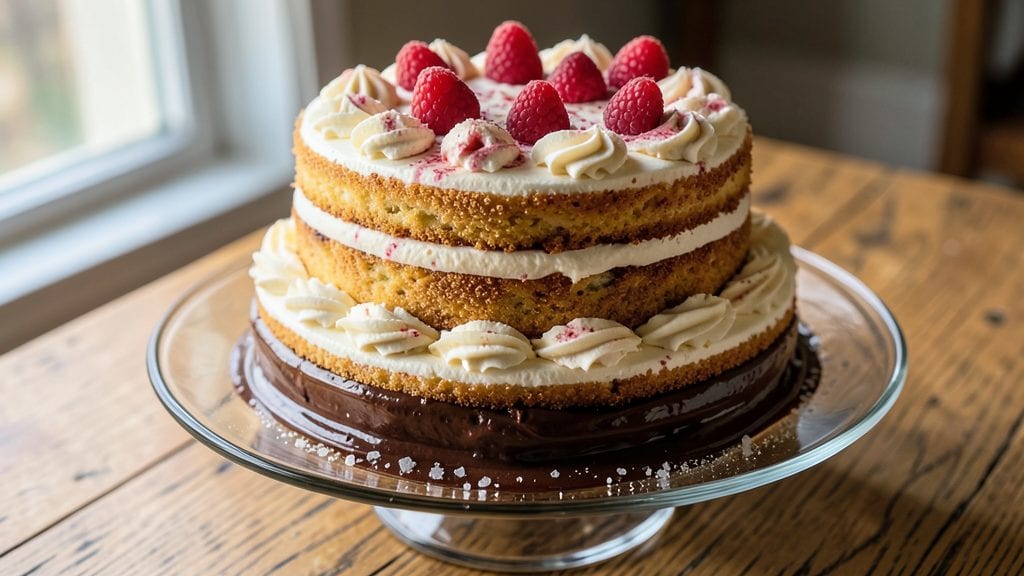
This Mastro’s Butter Cake copycat recipe delivers layers so rich and moist they’ll fool even the most loyal bakery customers. The secret lies in precise butter-to-sugar ratios and a gentle baking technique that preserves every drop of velvety texture.
After years of perfecting this classic, I’ve cracked the code for that signature tender crumb and buttery depth that makes it legendary.
What sets this recipe apart is the foolproof layering method—each tier baked just until set, then cooled gradually to prevent cracking. The result? A cake that’s impossibly tender yet sturdy enough to hold layers of frosting without crumbling.
No special equipment is needed, just patience and attention to detail during the baking process.
By the time you slice into this cake, you’ll taste the difference: ultra-moist layers with a delicate crumb that melts in your mouth. The frosting—when you choose to add it—sticks perfectly, creating that iconic buttery-sweet finish. This is the version that rivals the original, down to the last crumb.
Whether you’re baking for a celebration or treating yourself to a classic, this recipe ensures professional-quality results every time. Let’s get started on creating your perfect copycat cake.
Ingredients for mastro's butter cake copycat
Rich butter and sugar are the stars here—plus a few key ingredients for that signature Mastro's texture.
| Ingredient | Amount | Notes |
|---|---|---|
| Unsalted Butter 🧈 | 1 ½ cups | Cold, cubed for creaming |
| Granulated Sugar 🍚 | 2 ½ cups | Superfine preferred for smoothness |
| Light Brown Sugar 🍚 | ½ cup | Packed, for moisture |
| Large Eggs 🥚 | 6 whole | Room temperature |
| All-Purpose Flour 🌾 | 3 ½ cups | Sifted, no substitutions |
| Baking Powder 🍞 | 1 ½ tsp | Metal container preferred |
| Salt 🧂 | ½ tsp | Fine sea salt |
| Vanilla Extract 🌸 | 2 tsp | Pure, high-quality |
| Whole Milk 🥛 | 1 cup | Room temperature |
| Vegetable Oil 🫒 | ½ cup | Light, neutral flavor |
| Powdered Sugar 🍚 | 1 ½ cups | For buttercream (optional) |
| Heavy Whipping Cream 🥛 | 1 cup | Cold, for buttercream (optional) |
The butter is non-negotiable—use unsalted and keep it cold when creaming. Land O'Lakes or Plugrá are my go-tos, but any good-quality brand works. Superfine sugar makes all the difference here (I use Wholesome Sweeteners for the smoothest texture), but if you don’t have it, pulse regular granulated in a food processor. The eggs? Room temperature is crucial—they’ll blend better and give you that ultra-tender crumb. And that half cup of brown sugar? Don’t skip it—it’s what keeps the cake moist for days. For the flour, King Arthur or Gold Medal are my top picks—they’ve got the right protein for this delicate crumb.
No powdered sugar? Granulated sugar plus 1 tbsp cornstarch works in a pinch, but it won’t be as smooth. Running out of vanilla? Almond extract at half the amount adds depth, but the flavor’s different. The milk can be swapped for heavy cream or buttermilk—just adjust the buttercream if you use buttermilk (it’s tangier). For the buttercream, European-style butter like Plugrá gives the best flavor, but regular unsalted works too. And if you’re feeling fancy, add a pinch of cream of tartar to stabilize the whipped cream.
This cake keeps beautifully—3-4 days at room temperature wrapped in plastic, or 1 week in the fridge. For longer storage, freeze the layers (without frosting) for up to 3 months. I like to wrap each layer individually in plastic wrap, then foil, so they stay fresh. The buttercream? Store it in the fridge and rewhip before using—it’ll be stiffer but comes back perfectly. And if you’re making ahead, bake the layers 1 day in advance—they’ll be even more moist.
Why You'll Love This Recipe
- No Mixer? No Problem: I’ve baked this cake with just a hand mixer, and honestly, the secret’s in the technique—not the tool. The key is creaming those 1.5 cups of cold, cubed unsalted butter with the sugars until it’s pale and fluffy (about 3-4 minutes), which turns the butter into a light, airy base. No fancy gadget needed—just elbow grease and patience.
- Rich, Moist, and Addictive: The combo of 2.5 cups granulated sugar, 0.5 cup packed light brown sugar, and 6 room-temperature eggs gives this cake its signature melt-in-your-mouth texture. The light brown sugar adds just enough moisture to keep it tender for days, while the eggs bind everything together for that restaurant-worthy richness. Trust me, it’s the kind of cake you’ll want to eat straight from the pan.
- Freezes Like a Dream: Between us, this cake is my secret weapon for busy weeks. The layers freeze beautifully (up to 3 months!) without frosting, so I’ll bake a double batch, freeze one, and enjoy the fresh one for birthdays, potlucks, or just because. Thaw overnight, frost, and boom—effortless dessert.
- One-Bowl Wonder: I love how this recipe minimizes cleanup. The wet ingredients (eggs, milk, oil, vanilla) all go into the same bowl, and the dry ingredients get whisked and sifted right into the mix. No extra bowls, no double-dipping—just one bowl, one spatula, and zero stress. It’s the kind of recipe that lets me focus on the fun part: eating.
Step-by-step instructions for Mastro’s butter cake copycat recipe
Here's how to bake layers that stay moist for days—just like the original.
Cream the Butter and Sugars for Maximum Moisture
In a stand mixer fitted with the paddle attachment, beat the 1½ cups unsalted butter on medium speed until smooth and creamy, about 2 minutes. This ensures proper emulsification for that signature tender crumb. Gradually add the 2½ cups granulated sugar and the ½ cup light brown sugar, mixing on medium-high speed for 3-4 minutes until the mixture is light, fluffy, and nearly doubles in volume.
The reason we wait until the mixture is pale and airy is that this incorporates air bubbles that create the cake's signature fine, even crumb. If the butter isn't fully creamed, you'll end up with a dense, cakey texture instead of that melt-in-your-mouth result. Here's the thing—this step makes all the difference between a good cake and a restaurant-quality one.
Add Eggs and Wet Ingredients for Richness
Add the 6 large eggs, one at a time, mixing well after each addition until fully incorporated. Scrape down the sides of the bowl as needed to ensure even mixing. Then add the 2 tsp vanilla extract, 1 cup whole milk, and ½ cup vegetable oil, mixing on low speed until just combined. The milk and oil add moisture and richness that keeps this cake tender for days.
Don't overmix at this stage—just until everything is evenly distributed. You'll know it's ready when the batter looks smooth and homogeneous. The vegetable oil plays a crucial role here by preventing dryness, which is why we include it in the wet ingredients rather than the dry.
Combine Dry Ingredients for Perfect Rise
In a separate bowl, whisk together the 3½ cups all-purpose flour, 1½ tsp baking powder, and ½ tsp salt. Sift the flour mixture directly into the wet ingredients, mixing on low speed just until combined. Be careful not to overmix—stop as soon as the flour disappears. This prevents developing too much gluten, which would make the cake tough instead of tender.
The baking powder is what gives this cake its signature rise, so don't skip this step. I use a metal container for the baking powder because it preserves freshness longer than plastic. The flour should be sifted to aerate it, which helps create that light, airy texture we're after.
Bake in Two Layers for Perfect Texture
Divide the batter evenly between two 8-inch round cake pans that have been greased with butter and floured. Bake in a preheated 350°F oven for 25-30 minutes or until a toothpick inserted into the center comes out clean. Rotate the pans halfway through baking for even browning. The cake should be golden on top but still slightly springy to the touch.
Don't open the oven during baking—this causes the cakes to sink. Your oven might run hot, so start checking at the 20-minute mark. If the tops are browning too quickly, tent loosely with foil. The key is to get those layers baked through without overcooking, which would make them dry.
Frost with Classic Buttercream (Optional)
While the cakes cool, whip the 1 cup heavy whipping cream to soft peaks, then gradually add the 1½ cups powdered sugar, beating until smooth and fluffy. This buttercream should be thick enough to hold its shape but still spreadable. Spread a thin layer between the cooled cake layers and cover the entire cake with the remaining buttercream. Chill for 30 minutes before slicing.
This buttercream is what makes Mastro's cake so special—it's rich, smooth, and perfectly balanced. If you prefer a lighter frosting, you can reduce the amount of powdered sugar slightly, but I promise, the full amount gives that classic Mastro's flavor. The chilling step ensures clean slices every time.
Pro Tips For Making Mastro'S Butter Cake Copycat
- Cube Butter Properly: That 1½ cups unsalted butter needs to be cold and cut into ½-inch cubes—no big chunks, no softened blobs. I learned this the hard way: if it melts too fast during creaming, you’ll end up with greasy streaks instead of that signature fluffy texture. (Yes, even if you’re impatient like me.)
- Sift That Flour: Skipping the sift on the 3½ cups all-purpose flour is how you get dense, uneven layers. The baking powder and salt need to be evenly distributed, and aerating the flour helps that cake rise like it should. Use a fine-mesh sieve—don’t just shake it in. Trust me, your cake will thank you.
- Rotate the Pans: Halfway through baking at 350°F, swap the pans front to back. I used to forget, and one side would turn out darker or underbaked. Even heat = even golden tops. And for heaven’s sake, don’t open that oven door before the 20-minute mark—your cake will sink faster than your will to wait.
- Whip Cold Cream: The 1 cup heavy whipping cream for the buttercream must be ice-cold before you start. Room-temperature cream? You’ll end up with grainy, sad frosting. Pop it in the freezer for 10 minutes if it’s warm—this buttercream is the star, and it’s worth the extra step.
Serving suggestions for this mastro's butter cake copycat
Plating Like a Pro
Serve each slice on a white cake stand or gold-rimmed plate for that classic bakery look. I like to use Wilton cake stands because they’re sturdy and elevate the cake beautifully.
For an extra touch, dust the top lightly with powdered sugar using a fine-mesh sieve—it adds a delicate, snowy finish that makes the cake look even more indulgent. 💛
Garnish with Elegance
A few fresh berries—like raspberries or blackberries—placed strategically on top or around the cake add a pop of color and contrast the buttery richness. For a more sophisticated touch, drizzle a thin line of berry compote or vanilla glaze along the edge of the plate.
I always keep a small bowl of crushed pistachios on hand for guests to sprinkle on their slice if they want extra crunch.
Wine Pairings
This cake pairs wonderfully with sweet Moscato d’Asti or off-dry Riesling—both complement the buttery sweetness without overpowering it. A tawny port also works beautifully, especially if you’re serving it with a rich dessert wine pairing.
For a non-alcoholic option, sparkling peach tea adds a refreshing contrast to the dense cake layers. 🍷
Tea and Coffee Companions
If you prefer tea, a chamomile or Earl Grey adds a floral note that balances the cake’s richness. For coffee lovers, a light roast espresso or vanilla latte enhances the buttery flavors.
I’ve even seen people enjoy a hot chocolate with a sprinkle of sea salt—it’s a decadent combo that feels like dessert in a cup.
Make It a Celebration
For special occasions, consider adding edible gold leaf or a single fresh mint leaf on top of the cake. These small details elevate the presentation and make it feel like a true celebration.
I once served this cake at a brunch gathering and topped each slice with a mini chocolate truffle—it was a hit with everyone! 🎉
Serving Temperature Tips
Let the cake sit at room temperature for at least 15 minutes before serving to ensure the frosting is perfectly spreadable. If you’re serving it chilled, remove it from the fridge 30 minutes beforehand so it’s not too cold.
This small step makes all the difference in texture and presentation. 💡
Nutrition facts
Frequently asked questions
Why does this recipe call for both granulated and brown sugar?
The 2½ cups granulated sugar creates that signature sweetness and structure, while the ½ cup packed brown sugar adds moisture and depth. Together, they give the cake its ultra-tender crumb and rich flavor that stays moist for days. The brown sugar also helps prevent dryness, making each slice melt-in-your-mouth.
What’s the best way to avoid cracks between cake layers?
Let the cakes cool in the pans for 15 minutes before transferring, then cool completely on a wire rack. Don’t rush—this gradual cooling prevents sudden temperature changes that cause cracks. Also, use a serrated knife dipped in warm water to level the layers smoothly. Patience here makes all the difference!
Can I substitute vegetable oil for butter in the frosting?
No, the buttercream relies on 1 cup cold heavy whipping cream and 1½ cups powdered sugar for its signature richness. Vegetable oil would make it greasy and unstable. If you’re avoiding dairy, try a coconut oil-based frosting—but it won’t taste the same. The classic version is worth the effort!
How do I know when the cake is done?
Insert a toothpick into the center—it should come out with a few moist crumbs, not wet batter. Bake for 25-30 minutes at 350°F, but start checking at 20 minutes since ovens vary. The tops should be golden but still slightly springy. Overbaking dries out the layers!
Why is the buttercream so thick?
The 1 cup cold heavy cream and 1½ cups powdered sugar create a stable, spreadable buttercream that holds its shape. Whip it to soft peaks, then gradually add the sugar—this ensures a smooth, fluffy texture that sticks perfectly to the cake layers. Chilling the cake before frosting helps too!