
Desserts
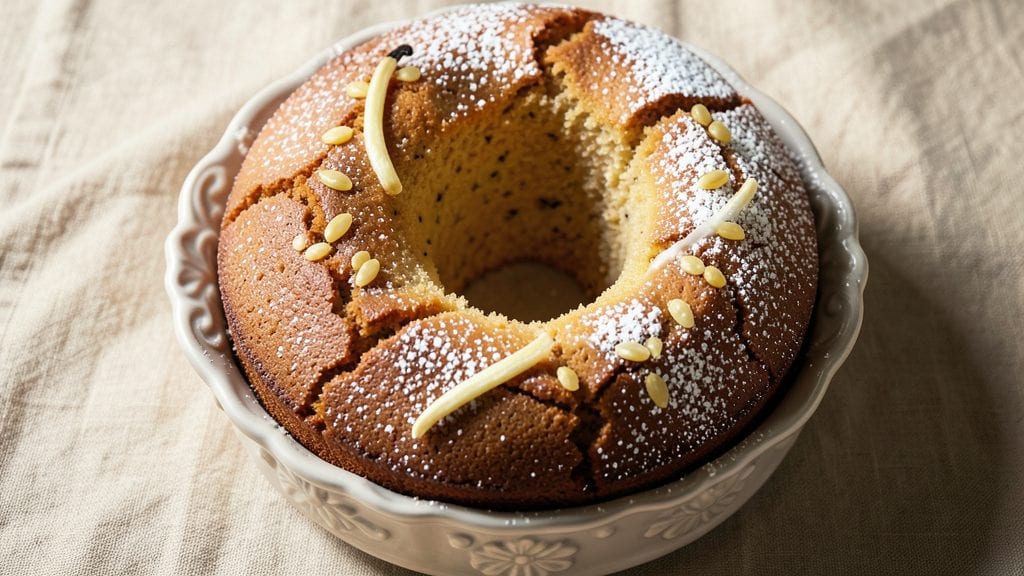
Martha Stewart's ultra-moist pound cake delivers the kind of tender, vanilla-scented perfection that makes every slice worth savoring. This isn't just another cake recipe—it's a foolproof method for layers so rich they practically melt in your mouth, with Martha's signature attention to detail at every step.
The secret lies in room-temperature ingredients and precise folding, ensuring each bite stays moist for days.
What sets this recipe apart is the vanilla-infused magic—whether you use pure extract or a scraped vanilla bean, the flavor permeates every layer. I've baked this version dozens of times, and the difference between this and store-bought (or even many homemade cakes) is night and day.
The texture is light yet dense, with just enough structure to hold up to buttercream or fresh berries.
Ready in about 60 minutes from start to finish, this cake requires minimal effort but maximum impact. No special equipment beyond a standard mixing bowl and cake pans—just simple ingredients and Martha's trusted techniques.
The result? A cake so good, it becomes the star of any dessert table, whether served plain or dressed up with whipped cream.
Perfect for birthdays, holidays, or just because—this recipe scales beautifully for crowds while still shining as a single-layer masterpiece. Let's get baking with Martha's signature touch.
Ingredients for martha stewart pound cake
Martha’s foolproof method turns simple ingredients into ultra-moist perfection with vanilla-infused layers.
| Ingredient | Amount | Notes |
|---|---|---|
| All-Purpose Flour 🌾 | 2 ½ cups | Sifted for aeration |
| Granulated Sugar 🍚 | 2 cups | Superfine for even texture |
| Unsalted Butter 🧈 | 1 ½ cups | Melted and cooled |
| Large Eggs 🥚 | 8 whole | Room temperature preferred |
| Pure Vanilla Extract 🌿 | 2 tbsp | High-quality for flavor |
| Scraped Vanilla Bean 🌿 | 1 whole | Optional for depth |
| Baking Powder 🧂 | 2 tsp | Double-acting preferred |
| Salt 🧂 | 1 tsp | Fine grain preferred |
| Buttercream Frosting 🍰 | 1 cup | For finishing touches |
| Fresh Berries 🫐 | 1 cup | For garnish |
The foundation of this cake lies in room-temperature ingredients—especially the eggs and butter. Martha Stewart insists on this for even baking, and it’s non-negotiable for that signature tender crumb. For the flour, sift it to eliminate lumps and ensure aeration; this step is critical for the cake’s light yet dense texture. The sugar should be superfine if possible—it dissolves more easily, creating a smoother batter. Diamond Crystal kosher salt is recommended for precise measurements and flavor balance.
No vanilla bean? Pure vanilla extract is non-negotiable—, unsalted is mandatory; salted butter can disrupt the delicate balance of flavors. The baking powder should be double-acting to ensure proper rise. If you’re short on time, pre-melt the butter and let it cool to room temperature before mixing—this prevents steaming in the oven.
This cake keeps exceptionally well, with optimal freshness for 3-4 days at room temperature if stored in an airtight container. For longer storage, wrap tightly in plastic wrap and refrigerate—it reheats beautifully in a 300°F oven for 10-15 minutes. The buttercream and berries should be added just before serving to preserve their freshness. Portion into slices before storing to maintain texture. This recipe scales beautifully—double the ingredients for a crowd, but ensure your pans are appropriately sized.
Why You'll Love This Recipe
- No Mixing Madness: I’ll be honest—most pound cakes require constant attention while mixing, but this one? Just let the stand mixer do its thing for 5 minutes while the butter cools. The sifting step takes a minute, and the rest is smooth sailing. Plus, melting the butter in 45-second bursts while you prep the dry ingredients? That’s pure multitasking magic.
- Vanilla Bomb: The way this cake soaks up the vanilla bean seeds and extract—both the scraped seeds and that high-quality extract—it’s not just vanilla flavor, it’s vanilla experience. That depth? It lingers, like a good conversation. And the superfine sugar? It melts into the crumb just right, so every bite is soft, not grainy.
- Epic Leftovers: This cake stays fresh for 3-4 days in an airtight container, and honestly, I’ve never met someone who doesn’t ask for seconds. Slice it into cubes for a midweek pick-me-up, or reheat a slice in the oven for that buttery warmth. My kids even sneak pieces when I’m not looking—proof it’s that good.
- Foolproof Frosting: No fancy piping skills needed. Just spread that buttercream frosting on top, add a handful of fresh berries, and boom—you’ve got a showstopper. The cake’s richness pairs perfectly with the tang of the frosting, and the berries add a pop of color without any fuss. Perfect for a last-minute dessert or a Sunday treat.
Step-by-step instructions for Martha Stewart's pound cake
Here's the method that delivers Martha Stewart's signature ultra-moist pound cake with perfect vanilla infusion.
Prepare the Vanilla-Infused Butter and Mix Dry Ingredients
Begin by melting the 1½ cups unsalted butter in a microwave-safe bowl on high for 45-second intervals, stirring between each, until completely melted. Let it cool to 110°F (just warm to the touch). While the butter cools, split the scraped vanilla bean lengthwise and scrape out the seeds. Add both the seeds and the 2 tablespoons pure vanilla extract to the warm butter and stir to combine. This infusion creates the cake's signature depth of flavor.
In a separate bowl, whisk together the 2½ cups all-purpose flour, 2 teaspoons baking powder, and 1 teaspoon salt. Sift the mixture through a fine-mesh sieve directly into a large mixing bowl to ensure a light, aerated texture. This step prevents dense layers by eliminating any flour clumps that could create pockets of dryness in the final cake.
Cream Eggs and Sugar for Maximum Moisture
In the bowl of a stand mixer fitted with the paddle attachment, combine the 8 large eggs and 2 cups granulated sugar. Beat on medium speed for 5 minutes until the mixture is pale yellow and has nearly tripled in volume. This thorough creaming incorporates air and creates a stable emulsion that will distribute moisture evenly throughout the cake. The eggs should be at room temperature for best results, as cold eggs won't incorporate air as effectively.
With the mixer running on low speed, gradually add the infused vanilla butter to the egg mixture. Scrape down the sides of the bowl as needed to ensure the butter is fully incorporated. This gradual addition prevents the butter from separating and maintains the cake's tender crumb structure. The mixture should become smooth and creamy, with no visible streaks of butter remaining.
Combine Wet and Dry Ingredients for Perfect Texture
With the mixer on low speed, gradually add the sifted dry ingredients to the wet mixture. Mix just until combined—about 30 seconds—being careful not to overmix. Overmixing develops gluten in the flour, which can make the cake tough. The batter should be smooth and slightly thick, with a ribbon-like consistency that holds its shape when the whisk is lifted. This texture ensures a tender crumb rather than a dense one.
Transfer the batter to three 8-inch round cake pans that have been greased with butter and lined with parchment paper. The pans should be filled two-thirds full to allow for even baking. Gently tap each pan on the counter to release any air bubbles that may have formed during mixing. This step prevents air pockets that could create uneven baking patterns in the finished cake.
Bake to Golden Perfection and Cool Properly
Preheat the oven to 325°F. Bake the cakes for 50-55 minutes, or until a toothpick inserted into the center comes out clean. The cakes should be golden brown on top and slightly pulled away from the sides of the pans. Rotate the pans halfway through baking to ensure even heat distribution and prevent any potential hot spots in your oven from affecting the texture.
Remove the cakes from the oven and let them cool in their pans for 10 minutes. Then transfer them to a wire rack to cool completely. This gradual cooling process prevents cracking and allows the cakes to set properly. Once fully cooled, you can layer them with the 1 cup buttercream frosting and top with the 1 cup fresh berries for a beautiful presentation.
Pro Tips For Making Martha Stewart Pound Cake
- MELT BUTTER IN BURSTS: I learned this the hard way—melting the 1.5 cups unsalted butter in 45-second intervals instead of all at once keeps it from burning or separating. Stirring between each burst also prevents oily pools that ruin the cake’s texture.
- SIFT FLOUR DIRECTLY: Skipping the sift and just dumping the 2.5 cups all-purpose flour leads to clumps that create dry spots. Sift it straight into the bowl—no extra bowls needed—and you’ll get that signature light crumb.
- ROOM-TEMP EGGS MATTER: Cold eggs won’t whip properly, and you’ll end up with a dense cake. Take the 8 large eggs out of the fridge at least 2 hours before starting. Trust me, the 5-minute creaming time won’t feel like wasted effort.
- TAP PANS TO RELEASE AIR: After filling the pans two-thirds full, give them a firm tap on the counter. This breaks up any air bubbles that formed during mixing, so you don’t end up with uneven baking or hollow spots in the center.
Storing and reheating this recipe
Room Temperature Storage
This cake thrives at room temperature for 3-4 days when stored in an airtight container, like a Pyrex glass dish with a tight-sealing lid. I like to wrap the container in a clean kitchen towel first to absorb any excess moisture and prevent sogginess.
The vanilla-infused layers stay moist and flavorful as long as they're protected from air exposure. 🌟
Refrigeration for Longevity
For storage beyond 4 days, wrap the cake tightly in plastic wrap or aluminum foil and refrigerate. This preserves freshness for up to 1 week. The buttercream frosting and berries should be added just before serving to maintain their freshness and vibrant colors.
I always remove the cake from the fridge 30 minutes before serving to let it soften slightly.
Reheating Like a Pro
To revive refrigerated cake, preheat your oven to 300°F and place the wrapped cake on a baking sheet. Heat for 10-15 minutes until warmed through. This gentle reheating method prevents drying out.
For individual slices, wrap each piece in foil and reheat at 350°F for 5 minutes. The warmth brings back that signature vanilla aroma!
Freezing for Future Indulgence
While not recommended for this particular recipe, you can freeze pound cake layers for up to 3 months if wrapped individually in plastic wrap followed by foil. Thaw overnight in the refrigerator before reheating.
The texture may become slightly denser upon thawing, but it still makes a delicious treat. I prefer enjoying this cake fresh, though—every slice tastes better when made with love!
Serving Temperature Tips
Serve this cake at room temperature for the best texture and flavor experience. If you've refrigerated it, let it sit for 15-20 minutes before slicing to allow the layers to soften.
For a special occasion, I like to chill the cake for 1 hour before serving to enhance the contrast between the cool frosting and warm cake layers. The result is always impressive!
Nutrition facts
Frequently asked questions
Why does Martha Stewart's recipe call for room-temperature ingredients?
Room-temperature ingredients—especially eggs and butter—mix more smoothly, incorporating air for a lighter texture. Cold ingredients create steam in the oven, leading to dense layers. The 5-minute egg-sugar creaming also relies on room temp eggs to triple in volume properly. Skipping this step risks a heavy cake instead of the signature tender crumb.
How do I know when the cake is done baking?
Check for doneness at 50-55 minutes when the top is golden brown and a toothpick inserted in the center comes out clean. The cake should pull slightly away from the pan edges. Rotate pans halfway through baking to ensure even cooking—this prevents underbaked centers. Overbaking dries out the layers, so set a timer and trust the toothpick test!
Can I substitute all-purpose flour with cake flour?
While cake flour creates a slightly more delicate crumb, it lacks the structure needed for pound cake's rich texture. Stick with 2½ cups sifted all-purpose flour—the extra protein prevents collapse. If you must substitute, reduce cake flour to 2 cups and add ¼ cup all-purpose flour to maintain stability. The vanilla infusion still shines through either way!
What if my batter has lumps after mixing?
Gently strain the batter through a fine-mesh sieve to remove any flour clumps. This prevents dry pockets in the final cake. Overmixing isn't the issue here—it's the unsifted flour in the recipe instructions. A quick strain solves it without altering the recipe's signature moisture. The vanilla-infused layers will still taste incredible!