
Desserts
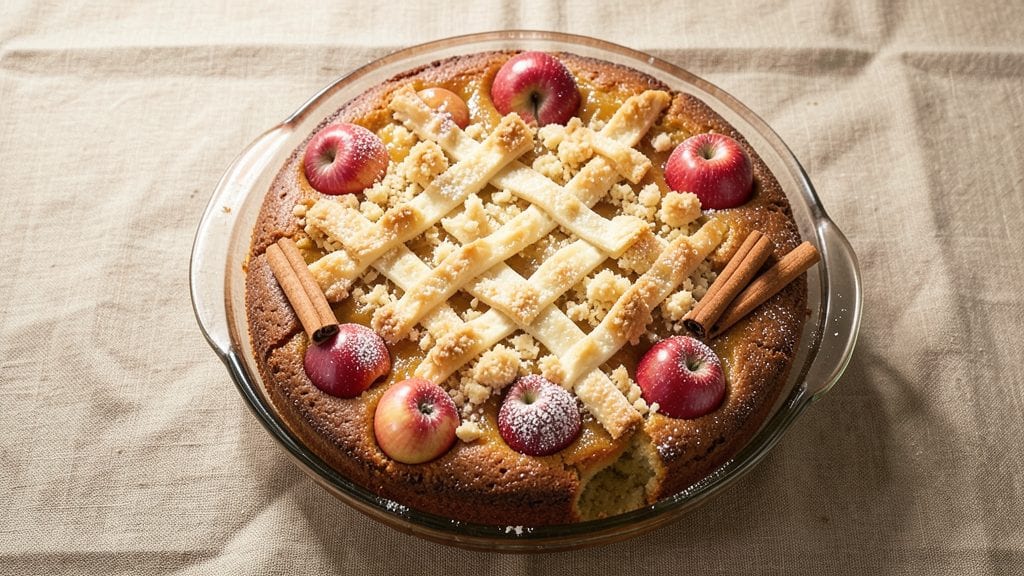
Martha Stewart's applesauce cake recipe delivers the perfect balance of moist, tender crumb and warm spice notes that make every slice irresistible. The secret lies in applesauce replacing some of the fat, creating a lighter texture while keeping the cake rich and flavorful. I've baked this version countless times—it never disappoints, whether for a holiday gathering or a simple weekend treat.
What sets this recipe apart is the careful blend of cinnamon, nutmeg, and allspice that infuses each layer with comforting warmth. The applesauce not only tenderizes the cake but also adds natural sweetness, reducing the need for excessive sugar.
With just 30 minutes of active prep and 50 minutes in the oven, you'll have a golden, fragrant cake that's perfect for slicing or serving whole.
The result is layers of moist, cake-like texture with a subtle apple flavor that shines through. The spice notes deepen as it cools, making each bite feel like a hug from the kitchen.
This recipe proves that classic desserts don't require complicated techniques—just the right ingredients and a little patience.
Serve with vanilla ice cream or whipped cream for an extra touch of indulgence. The cake keeps well at room temperature for 3 days or can be frozen for up to 3 months. Let's get baking!
Ingredients for martha stewart applesauce cake
Pantry staples meet Martha Stewart's signature spice blend for a cake that's moist, fragrant, and effortlessly elegant.
| Ingredient | Amount | Notes |
|---|---|---|
| Unsalted Butter 🧈 | 1 cup | Cold, cubed for cutting into fat |
| Granulated Sugar 🍚 | 1 ½ cups | Light brown preferred for depth |
| Unsweetened Applesauce 🍎 | 1 cup | Unseasoned, unsweetened variety |
| Large Eggs 🥚 | 2 whole | Room temperature for even mixing |
| All-Purpose Flour 🌾 | 2 ½ cups | Sifted for lightest texture |
| Baking Powder 🍞 | 2 tsp | Aluminum-free for stability |
| Ground Cinnamon 🌿 | 2 tsp | Freshly ground for warmth |
| Ground Nutmeg 🌿 | ½ tsp | Freshly grated preferred |
| Ground Allspice 🌶️ | ½ tsp | Warm, aromatic spice |
| Salt 🧂 | ½ tsp | Fine sea salt preferred |
| Vanilla Extract 🌸 | 1 tbsp | Pure, high-quality extract |
| Milk 🥛 | ½ cup | Whole milk for richness |
The butter and applesauce create that signature tender crumb. European-style unsalted butter from Plugrá or Land O'Lakes works best—avoid salted as it alters the balance. For applesauce, Mott's unsweetened is my go-to, but any natural brand without added sugar or spices keeps the flavor pure. The spices are non-negotiable: McCormick's ground cinnamon and Penzeys' nutmeg deliver the most authentic warmth. If you're using pre-ground spices, toast them in a dry pan for 30 seconds first to deepen their aroma—trust me, it makes a difference.
No vanilla extract? Seeds from a vanilla bean steeped in warm milk for 15 minutes work beautifully, though pure extract is far more convenient. Running short on milk? Evaporated milk or buttermilk both add richness, though buttermilk will slightly alter the texture. For the flour, King Arthur or Bob's Red Mill brands are ideal—they're consistently high-quality and sift beautifully. If you don't have a sifter, whisk the flour with the baking powder and spices in a bowl first to aerate it. The sugar can be swapped for turbinado or coconut sugar, though granulated ensures the most reliable rise and moisture balance.
This cake keeps remarkably well—3 days at room temperature in an airtight container, or up to 3 months frozen. For freezing, wrap individual slices in plastic wrap before placing them in a freezer bag. The texture actually improves after the first day as the flavors meld. To serve, dust with a light layer of powdered sugar or top with whipped cream. The cake reheats beautifully in a 350°F oven for 5-10 minutes if you prefer it warm, though I find it's perfect at room temperature.
Why You'll Love This Recipe
- No-Fuss Moisture Magic: The secret’s in the room-temperature eggs and cold butter—no melting required. Just cube that butter, beat it with sugar until it’s light as air, then fold in the applesauce. The spices (cinnamon, nutmeg, allspice) do the rest, keeping it moist for days without drying out.
- Spice-Infused Comfort: Between the light brown sugar for depth and the unsweetened applesauce for natural sweetness, this cake hits that perfect balance—warm, cozy, and just sweet enough. The vanilla extract ties it all together, making every bite feel like a hug.
- Weeknight Hero: Forget decorating cakes on Saturday mornings. This one bakes in 25-30 minutes and layers with a thin applesauce glaze while you wait. Serve it with tea for a quick dessert, or slice it for breakfast—it’s that versatile.
- Leftover Legend: Three days at room temperature? More like three days in the fridge before it’s gone. Freeze it for months, and when you pull it out, it’s still tender, not dry. Budget-friendly too—applesauce and whole milk stretch every dollar while keeping it rich.
Step-by-step instructions for Martha Stewart's applesauce cake
Follow this classic method for tender, moist layers with warm spice notes that keep well.
Prepare the Dry and Wet Ingredients Separately
In a medium bowl, whisk together the 2½ cups all-purpose flour, 2 tsp baking powder, 2 tsp ground cinnamon, ½ tsp ground nutmeg, ½ tsp ground allspice, and ½ tsp salt. Sift the mixture once to aerate the flour and ensure even distribution of the spices. This step prevents dense pockets in the cake and promotes a light, tender crumb.
In a separate large bowl, combine the 1 cup unsalted butter (cold, cubed) and 1½ cups granulated sugar. Beat on medium speed with an electric mixer until the mixture is light and fluffy, about 3-4 minutes. The butter should look pale and nearly double in volume. This creaming process incorporates air, which creates the cake's signature tenderness and moisture.
Incorporate Applesauce, Eggs, and Vanilla
Add the 1 cup unsweetened applesauce, 2 large eggs (room temperature), and 1 tbsp vanilla extract to the butter-sugar mixture. Beat on medium speed for 2-3 minutes until fully combined and smooth. The applesauce adds natural moisture and subtle sweetness while keeping the cake dense yet tender. Here's where it gets critical: scrape down the sides of the bowl with a rubber spatula to ensure all ingredients are fully incorporated.
Gradually add the dry ingredients to the wet mixture in three additions, mixing on low speed just until combined after each addition. Avoid overmixing—stop as soon as the flour disappears. Overworking the batter develops gluten, which leads to a tough, chewy texture instead of the delicate crumb we want. The batter should be thick but pourable.
Fold in Milk for Perfect Texture
Pour in the ½ cup milk and mix on low speed until just combined. The milk adds richness and helps create a moist, velvety crumb. Here's the thing—don't overthink this step. The batter will look slightly shaggy, but that's normal. The key is to maintain a smooth, lump-free consistency without overmixing.
Divide the batter evenly between two 9-inch round cake pans (greased and floured). Tap the pans gently on the counter to release any air bubbles. Bake at 350°F for 25-30 minutes, or until a toothpick inserted into the center comes out clean. The cake should spring back slightly when pressed in the center—this ensures it's fully cooked but still moist.
Cool and Layer for Maximum Moisture
Remove the cakes from the oven and let them cool in the pans for 10 minutes. Then transfer them to a wire rack to cool completely. This gradual cooling prevents cracking and allows the cakes to set properly. Real talk: if you slice into them too soon, they'll crumble. Patience here ensures those perfect, moist layers.
Once fully cooled, place one cake layer on a serving plate. Spread a thin layer of 1 cup unsweetened applesauce over the top, then add the second layer. The applesauce acts as a natural glaze, keeping the cake moist and adding subtle fruit flavor between the layers. Dust the top with a light layer of powdered sugar if desired, but the warm spices should shine on their own.
Pro Tips For Making Martha Stewart Applesauce Cake
- Cube Butter Properly: Skip the soft butter—cold, cubed butter (1 cup) creates flakier layers and prevents greasy messes. I used to melt it by accident, and the cake turned dense. Cut it into even ½-inch cubes and let them sit in the fridge for 10 minutes before measuring.
- Sift Dry Ingredients Once: That one sift of flour, baking powder, and spices (2½ cups total) makes a real difference—it aerates the batter and prevents dense pockets. I learned this the hard way after a lumpy, uneven cake. Use a fine-mesh sieve and tap the bowl lightly to settle any stubborn clumps.
- Stop Mixing When Flour Disappears: Overmixing after adding the dry ingredients turns this tender cake into a chewy brick. Mix just until combined—about 10-15 seconds per addition—then stop. The batter should look thick and slightly shaggy, not smooth. Trust the process; your future self will thank you.
- Tap Pans Before Baking: A quick tap on the counter (2-3 firm raps) releases trapped air bubbles in the batter before it hits the oven. I skipped this once and ended up with a slightly domed, uneven cake. Works like a charm for perfectly flat layers every time.
Troubleshooting your martha stewart applesauce cake
Batter Too Thick?
If your batter looks denser than expected after adding milk, it’s likely because your flour wasn’t properly sifted or you overmixed the dry ingredients. Whisk the flour with the spices again to aerate it before adding.
If the batter still resists, add 1-2 tbsp warm water instead of milk—it’s less likely to curdle. Stir gently until smooth but don’t overwork it. 💡
Cake Sinking in Middle
This happens when the cake isn’t baked long enough or the oven temperature fluctuates. Use an oven thermometer to confirm your 350°F setting is accurate. Bake until a toothpick comes out clean—no exceptions.
If your oven runs hot, reduce the temperature by 25°F for the last 10 minutes to prevent overbrowning.
Dry or Dense Texture
A dry cake often means you overmixed the batter or skipped the applesauce. The applesauce is non-negotiable—it’s what keeps this cake moist. If your batter looks dry, add 1-2 tbsp more applesauce and mix just until combined.
Also, ensure your eggs are room temperature—they incorporate more smoothly and add moisture. 🥚
Uneven Spice Distribution
Clumpy spices? You likely didn’t sift the dry ingredients properly. Always sift the flour with the spices before mixing. For extra warmth, toast your spices in a dry pan for 30 seconds before sifting—it deepens their flavor.
If clumps persist, strain the dry mix through a fine-mesh sieve before adding to the wet ingredients.
Cake Sticking to Pans
If your cakes refuse to release, your pans weren’t greased or floured enough. Double-check that you’ve coated the pans with butter and dusted them generously with flour. For extra insurance, use parchment paper liners.
If the cake still sticks, run a thin knife around the edges before attempting to lift—never force it! Let the cakes cool in the pans for 10 minutes before transferring.
Overly Sweet or Bland
Too sweet? You might have used light brown sugar instead of granulated or added extra sugar by mistake. Stick to 1.5 cups granulated sugar unless you’re experimenting with variations. For blandness, check your vanilla extract—it’s easy to underuse.
Always measure 1 tbsp pure extract for the best flavor. Taste the batter before baking to adjust sweetness if needed. 🍚
Nutrition facts
Frequently asked questions
Why does Martha Stewart's applesauce cake recipe use applesauce instead of oil?
The 1 cup unsweetened applesauce replaces some of the fat while keeping the cake moist and tender. It adds natural sweetness and prevents dryness, creating a lighter texture than oil would. The applesauce also enhances the warm spice notes without overpowering them.
How can I prevent my cake from cracking when it cools?
Let the cakes cool in the pans for 10 minutes after baking, then transfer to a wire rack. Avoid slicing too soon—wait until fully cooled to prevent crumbling. This gradual cooling ensures even moisture distribution and prevents cracks. Patience is key for perfect layers!
Can I make this recipe without a mixer?
Yes! For the butter-sugar mixture, use a sturdy spoon to cream the 1 cup cold butter and 1.5 cups sugar for 5 minutes until light and fluffy. For the rest, whisk vigorously by hand. The applesauce and milk help maintain moisture, so the texture will still be tender—just expect slightly more elbow grease!
What’s the best way to store leftovers?
Store in an airtight container at room temperature for up to 3 days or freeze for 3 months. For freezing, wrap individual slices tightly—this preserves moisture and makes reheating a breeze. The cake actually tastes better after a day or two, as flavors meld beautifully.