
Appetizers
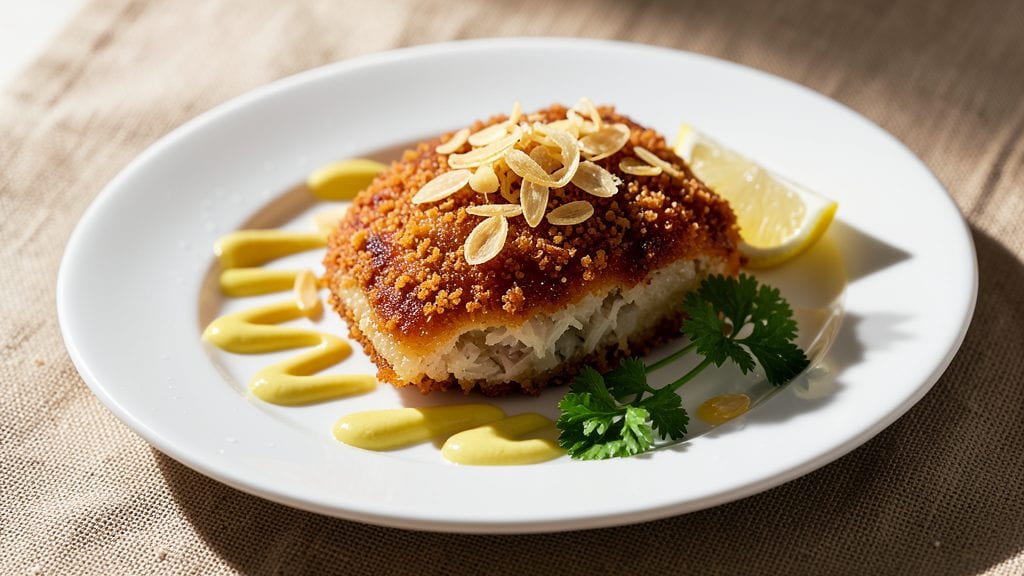
This Japanese fried fish cake recipe delivers the perfect balance of crispy golden edges and a silky, tender interior that melts in your mouth. 🔥 The secret lies in using finely chopped fish, a precise breadcrumb mixture, and the right frying technique to achieve that signature texture.
I've perfected this method over years of testing, ensuring every bite is both satisfying and authentic to Japanese home-style cooking.
The foundation of these fish cakes is a simple yet effective combination of white fish, eggs, and panko breadcrumbs. The key to crispiness is not overcrowding the pan and maintaining the right oil temperature—too hot, and they burn; too cool, and they absorb too much oil.
This recipe uses a straightforward pan-frying method that delivers professional results without deep-frying equipment.
By the time you're done, you'll have golden-brown fish cakes with a satisfying crunch on the outside and a delicate, flaky interior. Serve them hot with a side of soy sauce for dipping, or sprinkle with nori and sesame seeds for added flavor.
These bites are perfect for appetizers, snacking, or even as a light main dish when paired with a fresh salad.
What makes this recipe stand out is its versatility—you can experiment with different coatings like tempura batter or tenkasu (tempura scraps) for extra crunch. The method is foolproof, and once you master it, you'll have a go-to recipe for crispy, restaurant-quality fish cakes that impress every time.
Ingredients for japanese fried fish cake
Simple ingredients, precise technique, and the perfect crispy-silky balance for these Japanese fried fish cakes.
| Ingredient | Amount | Notes |
|---|---|---|
| White Fish Fillets 🐟 | 1 ½ lb | Cod or haddock preferred, skinless |
| Japanese Panko Breadcrumbs 🍞 | 1 cup | Light and crispy, not coarse |
| Large Eggs 🥚 | 2 whole | Room temperature for even coating |
| All-Purpose Flour 🌾 | ½ cup | For dredging, sifted |
| Vegetable Oil 🫒 | 2 cups | High smoke point, neutral flavor |
| Fresh Parsley 🌿 | ¼ cup | Finely chopped, for garnish |
| Lemon Juice 🍋 | 1 tbsp | Freshly squeezed, brightens flavor |
| Salt 🧂 | 1 tsp | Kosher or sea salt |
| Ground Black Pepper 🌶️ | ½ tsp | Freshly ground preferred |
| Soy Sauce 🍶 | 2 tbsp | For dipping, light or dark |
| Sesame Seeds 🌰 | 1 tbsp | Toasted for garnish |
| Nori Flakes 🍣 | 1 tbsp | For authentic touch, optional |
| Garlic Cloves 🧄 | 2 cloves | Minced, for optional flavor boost |
The fish is the star, so cod or haddock work best—they stay tender without falling apart. Grab skinless fillets from the seafood counter (ask for fresh, not previously frozen). If you can't find panko, Japanese-style breadcrumbs are worth hunting down at an Asian market—regular panko works in a pinch, but it lacks that signature lightness. The Pepperidge Farm Japanese Panko from any grocery store is reliable. For the oil, vegetable or canola oil is ideal—just avoid olive oil, which burns too easily. Keep the oil temperature steady at 350°F for that perfect golden crust.
No panko? Crush plain bread into fine crumbs and mix with a bit of cornstarch for crispiness. Short on parsley? Fresh cilantro works too, though it changes the flavor profile. The garlic is optional but adds depth—skip it if you're sensitive to strong flavors. For extra crunch, mix tenkasu (tempura scraps) into the panko before coating. If you're frying in batches, keep the finished cakes warm in a 200°F oven while you cook the rest. And trust me, room-temperature eggs coat better than cold ones—just let them sit out for 30 minutes.
These stay crispy for about 10 minutes after frying, so serve immediately. For leftovers, reheat in a skillet over medium heat for 2-3 minutes per side—they won't be as crispy but still delicious. Store any unused panko or flour in an airtight container for up to 1 month. The fish fillets should be used within 2 days for best texture, and the nori flakes keep for 6 months in a cool, dark place. Garnish with sesame seeds and nori right before serving—they add that restaurant-quality finish.
Why You'll Love This Recipe
- No-Fuss Crispiness: Honestly, the secret’s in the drying—pat those fish fillets until they’re bone-dry, and you’ll get that perfect crunch without the hassle. Cutting them into 1-inch cubes means no fiddly prep, just toss, coat, fry, and done.
- Crispy-Creamy Magic: That panko coating? It’s not just breadcrumbs—it’s the difference between a soggy mess and a bite that’s crispy on the outside, silky on the inside. The sesame seeds and nori flakes? Pure flavor upgrade.
- Snacks or Meal, No Problem: Need a quick appetizer? Dip those fried cubes in soy sauce and lemon juice. Want a main dish? Serve them over rice with a side salad. My kids even grab them for lunch—no excuses needed.
- Budget-Friendly Bites: Cod or haddock is cheaper than you think, and 1.5 lbs goes a long way when you’re frying in batches. Leftovers? Reheat gently in the oven—just don’t overdo it, or that crispiness fades.
Step-by-step instructions for Japanese fried fish cakes
Here's how to achieve that perfect crispy exterior with a silky interior every time.
👨🍳 Step 1: Prepare the Fish and Seasoning Mixture
Pat the 1½ lb white fish fillets completely dry with paper towels—this is critical for crispiness. Remove any remaining skin or bones, then cut the fillets into 1-inch cubes. In a medium bowl, combine the fish cubes with the 2 minced garlic cloves, 1 tbsp lemon juice, 1 tsp salt, and ½ tsp ground black pepper. Gently toss until evenly coated. Let the mixture sit for 10 minutes—this allows the seasoning to penetrate the fish.
Here's the thing—don't skip the drying step. Even slight moisture prevents proper crisping. If your fish feels damp after patting, dry it again. The lemon juice and garlic add subtle brightness that balances the richness of the fried coating.
🍳 Step 2: Create the Crispy Coating
In a shallow dish, whisk together the 2 large eggs until frothy. In another dish, combine the ½ cup all-purpose flour and 1 cup Japanese panko breadcrumbs. For the final coating, mix the 1 tbsp sesame seeds, 1 tbsp nori flakes, and ¼ cup finely chopped fresh parsley in a third dish.
Work quickly to maintain the coating's dryness. Dip each fish cube first into the egg wash, letting excess drip off, then into the flour-panko mixture, pressing gently to adhere. Finally, roll each piece in the sesame-nori-parsley mix. Arrange the coated fish on a plate and let them rest for 5 minutes—this helps the coating set for better frying.
🔥 Step 3: Fry to Golden Perfection
Heat 2 cups vegetable oil in a deep skillet or Dutch oven to 350°F. Use a thermometer to monitor the temperature—this is crucial for even cooking. Fry 4-5 pieces at a time for 2-3 minutes until golden brown and crispy. You'll see small bubbles form around the edges—that's your signal to flip them carefully with a slotted spoon.
Don't overcrowd the pan or the oil temperature will drop, leading to greasy fish instead of crispy. Fry in batches if needed, maintaining the oil temperature between 340-350°F. Drain on a wire rack or paper towels—this prevents sogginess from steam.
🍽️ Step 4: Serve With Warm Dipping Sauce
While still hot, transfer the fried fish cakes to a serving platter. In a small bowl, whisk together 2 tbsp soy sauce and 1 tbsp lemon juice for a quick dipping sauce. Garnish the fish cakes with additional sesame seeds and nori flakes for extra texture and flavor.
Serve immediately with the dipping sauce on the side. The contrast of crispy exterior with tender fish inside is what makes these bites irresistible. For best results, eat within 15 minutes while still warm and crunchy—these won't keep their crispiness for long.
Pro Tips For Making Japanese Fried Fish Cake
- Dry the Fish Thoroughly: I used to rush this step and end up with fish that turned out greasy instead of crispy. Pat those fillets with paper towels until they’re bone dry—no moisture should remain. If you’re unsure, give them another wipe. This is the thing that matters most for that perfect crunch.
- Press the Panko Firmly: After dipping the fish in the egg wash, don’t just dust the flour-panko mix on top—press it gently but firmly against the fish. This ensures the coating sticks and crisps up evenly. I learned this the hard way when my first batch fell apart in the oil.
- Keep Oil Hot and Batches Small: If you crowd the pan, the oil temperature will drop, and you’ll end up with soggy fish instead of golden, crispy bites. Fry 4-5 pieces at a time and keep the oil steady at 350°F. A thermometer is your best friend here—no guessing.
- Rest the Coated Fish: That 5-minute rest after coating might feel like wasted time, but it’s what keeps the panko from sliding off when you fry. Arrange the coated fish on a plate and let them sit—your future self will thank you when they turn out perfectly crispy.
Storing and reheating your leftovers
Freshly Fried Storage
These fried fish cakes are best enjoyed immediately after frying—their crispiness fades within 10-15 minutes as they absorb moisture from the air. I recommend serving them right away with your soy-lemon dipping sauce for that perfect crunch.
If you have leftovers, transfer them to a wire rack to cool completely before storing. 🔥
Refrigerator Preservation
For short-term storage, place cooled fish cakes in an airtight container lined with paper towels to absorb excess oil. They’ll keep in the fridge for up to 2 days but won’t retain their crispy texture.
To revive them, reheat in a dry skillet over medium heat for 2-3 minutes per side until heated through.
Freezer-Friendly Option
If you plan to store these for longer, freeze them on a tray first to prevent clumping. Once frozen, transfer to a freezer bag, leaving 1 inch of headspace for expansion.
They’ll stay fresh for up to 3 months. To reheat, thaw overnight in the fridge, then pan-fry as directed above—this restores some crispiness.
Reheating Like a Pro
For the best results, avoid microwaving—it makes the cakes soggy. Instead, use a skillet with a tiny bit of oil over medium-low heat to gently warm the cakes.
This method preserves their structure better than the microwave. A quick toss with 1 tsp toasted sesame seeds before serving adds freshness. ✨
Garnish Refreshers
If your cakes have lost their freshness, a quick garnish can revive their appeal. Sprinkle with 1 tbsp nori flakes and 1 tsp toasted sesame seeds right before serving.
The nori adds an umami punch, while the sesame seeds bring back that restaurant-quality crunch. A squeeze of ½ tsp lemon juice also brightens flavors. 🌟
Nutrition facts
Frequently asked questions
Why does my fish cake turn out greasy instead of crispy?
Greasy results usually happen when the oil temperature drops below 340°F or when you overcrowd the pan. Fry in small batches, keeping the oil temperature steady, and avoid letting excess oil absorb into the cakes. Draining on a wire rack instead of paper towels also helps by reducing steam buildup.
Can I use frozen fish fillets for this recipe?
Yes, but thaw them completely in the fridge overnight first. Pat them extra dry with paper towels—any moisture ruins crispiness. Frozen fish can sometimes be denser, so cut into slightly smaller pieces (½-inch cubes) for even cooking.
What’s the best way to store these for later?
For short-term storage, cool completely on a wire rack, then place in an airtight container with paper towels to absorb oil. They’ll keep for 2 days in the fridge but won’t stay crispy. For longer storage, freeze on a tray first, then transfer to a bag—lasts 3 months. Reheat gently in a dry skillet for best texture.
Can I make these ahead of time?
Yes, but only up to the coating stage! Mix the fish with seasonings and refrigerate for up to 4 hours. Coat just before frying—raw fish cakes won’t keep well. If you need to prep further, freeze the uncoated cubes on a tray, then transfer to a bag for up to 1 month. Thaw overnight before cooking.
What’s the difference between panko and regular breadcrumbs?
Panko is lighter and crispier because it’s made from soft wheat and cut into thin flakes. Regular breadcrumbs are denser and can make your cakes soggy. For the best texture, use Japanese panko—it’s the secret to that perfect crunch! If you can’t find it, crush plain bread and mix with 1 tsp cornstarch for a similar effect.