
Desserts
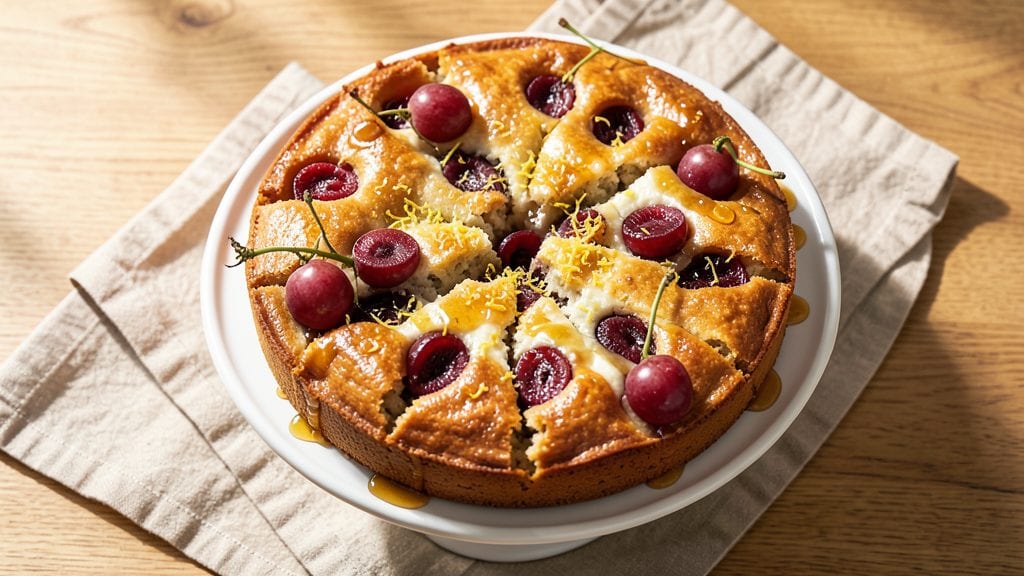
This grape cake recipe delivers layers of moist, tender crumb studded with plump, juicy grapes that taste like summer in every bite. The secret lies in balancing sweetness and acidity—fresh grapes provide natural moisture while a touch of lemon zest brightens the rich, buttery cake.
I developed this recipe after years of experimenting with fruit cakes, and it’s finally the one that stays tender for days, not dry by morning.
The beauty of this cake is its simplicity: just a few pantry staples and 30 minutes of prep time before baking at 350°F.
The grapes are folded into the batter at the last moment to preserve their juiciness, and a light dusting of powdered sugar adds just the right finish. Whether you use red or green grapes, the result is a cake that’s restaurant-quality without the fuss.
By the time it emerges from the oven, you’ll have a cake with a golden crust and velvety layers that hold together beautifully. The grapes remain intact, offering bursts of sweetness with every forkful, while the buttery crumb keeps it irresistibly moist.
Serve it warm with vanilla ice cream or let it cool for a more elegant presentation—either way, it’s a showstopper.
For variations, swap regular flour for almond flour to make it gluten-free, or add a splash of bourbon to the batter for depth. The recipe is naturally vegetarian, and with a few simple swaps, it can easily be adapted for vegan baking. Let’s get started—this cake is worth every minute.
Ingredients for grape cake
A handful of pantry staples and fresh grapes create this restaurant-quality grape cake.
| Ingredient | Amount | Notes |
|---|---|---|
| All-Purpose Flour 🌾 | 3 cups | Sifted for light texture |
| Granulated Sugar 🍬 | 1 ½ cups | Superfine for even moisture |
| Unsalted Butter 🧈 | ¾ cup | Melted and cooled slightly |
| Large Eggs 🥚 | 4 whole | Room temperature preferred |
| Fresh Grapes 🍇 | 2 cups | Seeds removed, red or green |
| Lemon Zest 🍋 | 1 tbsp | From 1 medium lemon |
| Lemon Juice 🍋 | 1 tbsp | Freshly squeezed |
| Baking Powder 🧂 | 2 tsp | Aluminum-free preferred |
| Salt 🧂 | 1 tsp | Fine grain preferred |
| Vanilla Extract 🌿 | 1 tbsp | Pure, not imitation |
| Powdered Sugar 🍬 | ½ cup | For dusting, sifted |
The grapes are the star—use seedless red or green varieties for juiciness without chewing. Frozen grapes work in a pinch, just thaw and drain well. For the best texture, remove seeds by hand or use a grape press. The butter should be melted but not hot—microwave 40 seconds to just melt—to avoid cooking the eggs. Professional bakers swear by sifting the flour for a lighter crumb, but it’s optional if you’re short on time.
No seedless grapes? Pitted cherries or blueberries add sweetness, though texture differs. Want to skip the lemon? Orange zest and juice work well, but add half a teaspoon more baking powder to compensate. The vanilla extract is non-negotiable—pure vanilla adds depth; imitation tastes flat. For a gluten-free version, substitute almond flour at a 1:1 ratio, but reduce liquid by 2 tablespoons to maintain moisture. The powdered sugar for dusting can be confectioners’ sugar from a box, but freshly sifted tastes better.
This cake keeps beautifully for 3 days at room temperature, wrapped tightly in foil. For longer storage, freeze slices for up to 3 months—thaw at room temperature and dust with powdered sugar before serving. The butter and eggs should be at room temperature before mixing to ensure even incorporation. If your kitchen is humid, bake in a lower oven (325°F) for 5-10 minutes longer to prevent a soggy bottom. The cake tastes even better the next day as flavors meld.
Why You'll Love This Recipe
- Grapes Handle the Mess: No need to peel or chop anything—just remove seeds from the fresh grapes, and they’re ready to fold right into the batter. The lemon zest and juice brighten up the sweetness so you don’t even miss any prep work.
- Bright, Balanced Sweetness: The lemon zest and juice cut through the grapes’ natural sugar, making each bite feel fresh instead of cloying. That vanilla extract? It ties everything together like a warm hug for your taste buds.
- Weeknight Magic: Two cake pans, 30 minutes in the oven, and you’ve got dessert that feels like a special occasion. Serve it with vanilla ice cream or a dollop of whipped cream, and suddenly it’s a showstopper without the fuss.
- Leftovers? No Problem: This cake stays moist for days—just wrap it tightly in foil, and it’s ready to pull out for coffee in the morning or a quick afternoon pick-me-up. Freeze slices for up to three months, and you’ve got a backup plan for lazy Sundays.
Step-by-step instructions for grape cake recipe
Here’s how to create tender layers with juicy grapes that stay plump throughout.
Prepare the Grapes and Wet Ingredients
Remove seeds from the 2 cups fresh grapes and pat them dry with paper towels. This prevents excess moisture that can make the cake dense. In a mixing bowl, combine the 4 large eggs with the 1½ cups granulated sugar and whisk until pale and slightly thickened—this ensures a light, airy texture.
Add the ¾ cup unsalted butter (cooled slightly after melting) and mix until fully incorporated. Stir in the 1 tbsp lemon zest, 1 tbsp lemon juice, and 1 tbsp vanilla extract. The lemon brightens the flavor and balances the grapes’ natural sweetness. Let this mixture sit for 5 minutes while you prepare the dry ingredients.
Mix and Fold the Batter
In a separate bowl, sift together the 3 cups all-purpose flour, 2 tsp baking powder, and 1 tsp salt. Gently fold this dry mixture into the wet ingredients using a spatula, mixing just until combined. Avoid overmixing—this keeps the cake tender. Fold in the prepared grapes, ensuring they’re evenly distributed throughout the batter.
The grapes should be fully coated but still visible, promising bursts of juicy flavor in every bite. If the batter seems too thick, add 1-2 tablespoons of water to loosen it slightly. This step is critical for maintaining moisture in the final cake.
Bake in Layers for Maximum Juiciness
Preheat your oven to 350°F. Grease two 8-inch round cake pans and line the bottoms with parchment paper. Divide the batter evenly between the pans, spreading it into the corners to create an even layer. Bake for 25-30 minutes, or until a toothpick inserted into the center comes out clean.
Here’s the trick for extra moisture: As soon as the cakes are done, invert them onto a wire rack to cool for 10 minutes. This prevents them from absorbing excess moisture from the pan. While they cool, prepare the ½ cup powdered sugar for dusting later.
Assemble and Serve for Perfect Texture
Once both cakes have cooled completely, place one layer on a serving plate. Spread a thin layer of grape jam or reserved grape juice (from the grapes’ seeds) on top, then place the second layer on the cake. Dust the top and sides generously with the ½ cup powdered sugar for a light, sweet finish.
Slice just before serving to keep the grapes plump and the layers moist. Serve at room temperature for the best texture—this ensures the juices from the grapes stay intact, delivering that promised burst of flavor with every bite.
Pro Tips For Making Grape Cake
- Whisk Eggs to Ribbon Stage: Don’t just mix the 4 large eggs and 1.5 cups granulated sugar—whisk them until they’re pale and thick enough to leave a trail when the whisk is lifted. I used to rush this, and the cake turned out dense. Give it a solid 2-3 minutes; you’ll know it’s right when the mixture clings to the whisk like ribbon.
- Sift That Flour Properly: The 3 cups all-purpose flour isn’t just for filling a bowl—sift it with the baking powder and salt to break up clumps and aerate the dry ingredients. I learned this the hard way after a cake turned out gummy. Use a fine-mesh sieve, tap it gently on the counter, and don’t skip the second sift if you’re adding it in stages.
- Don’t Overmix the Batter: Once you fold in the dry ingredients and grapes, stop mixing the second the flour disappears. Overmixing develops gluten, and your cake will turn tough instead of tender. A spatula and a few gentle folds are all you need—this isn’t pancake batter.
- Cool Cakes Upside Down: As soon as those cakes hit 25-30 minutes in the oven, invert them onto a wire rack for 10 minutes. I know it looks dramatic, but it keeps the bottoms from sogging up in the pan. Let them cool completely before assembling—rushing this step makes the layers slide apart like wet paper.
Perfect pairings for these flavors
Warm Beverage Pairings
The bright acidity of this grape cake pairs beautifully with spiced chai tea—just steep 1 chai tea bag in 8 oz hot water with ½ tsp cinnamon and ¼ tsp cardamom for 5 minutes.
The warmth complements the cake’s lemon notes while cutting through its sweetness. I always keep a pot on the stove for guests. ☕
Creamy Ice Cream Match
Vanilla ice cream is the classic choice, but honey lavender ice cream elevates the pairing. Swirl 1 tbsp honey and ½ tsp dried lavender into your favorite vanilla base before freezing.
The floral notes enhance the grape’s natural sweetness without overpowering the cake’s texture. A scoop on top feels like dessert perfection.
Wine Complements
For a white wine pairing, off-dry Riesling from Germany’s Mosel region cuts through the cake’s richness. Look for a 11-12% ABV with 10-15g residual sugar—the slight sweetness balances the grapes’ tartness.
If you prefer red, a light Pinot Noir from Oregon adds earthy depth without competing flavors. Chill both wines slightly before serving.
Coffee Twist
Cold brew coffee with vanilla syrup makes an unexpected but fantastic pairing. Add 1 tbsp vanilla syrup to 8 oz cold brew and serve over ice. The coffee’s bitterness grounds the cake’s sweetness, while the vanilla echoes the cake’s flavor.
I serve this chilled in a mason jar for a rustic touch—guests always ask for seconds of both.
Fruit-Based Toppings
Drizzle reduced grape juice (simmer ½ cup grape juice with 1 tsp honey until syrupy) over the cake for extra moisture. Alternatively, sprinkle toasted almonds and crushed raspberries on top—this adds texture and a tart contrast.
The almonds also enhance the cake’s buttery richness. I keep these toppings ready in small bowls for customization.
Nutrition facts
Frequently asked questions
Why do the grapes need their seeds removed?
Removing seeds prevents excess moisture that can make the cake dense and gummy. The seeds also create a slight bitterness when chewed, which can disrupt the cake's smooth texture. Pat the grapes dry after removing seeds to keep the batter light and fluffy.
Can I use frozen grapes in this recipe?
Yes! Frozen grapes work perfectly, but thaw and drain them well before using. Squeeze out any excess liquid with a clean towel to avoid making the batter too wet. This ensures the cake stays tender rather than soggy.
What’s the best way to avoid overmixing the batter?
Use a spatula to gently fold the dry ingredients into the wet mixture just until combined—no need to stir vigorously. Overmixing develops gluten, which makes the cake dense. Stop as soon as the flour disappears into the batter.
How do I adapt this recipe for a gluten-free version?
Replace the 3 cups all-purpose flour with 3 cups almond flour (1:1 ratio) and reduce any added liquid by 2 tablespoons to maintain moisture. The texture will be slightly denser but still delicious.
Why does the recipe mention inverting the cakes after baking?
Inverting the cakes onto a wire rack for 10 minutes helps them cool evenly and prevents them from absorbing excess moisture from the pan. This keeps the layers light and prevents a soggy bottom.