
Desserts
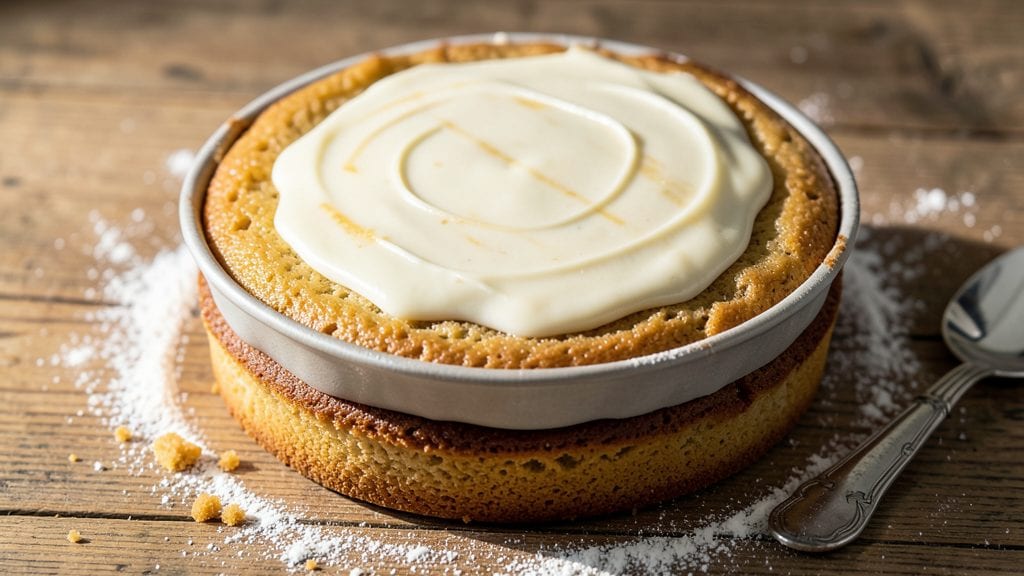
This grandmother's pound cake recipe delivers the buttery layers and vanilla-infused moisture that make it a timeless dessert. The secret lies in room-temperature ingredients and precise layering—classic techniques that ensure every slice stays moist for days.
I first learned this method from my grandmother, who swore by the patience required to cream butter and sugar properly. That attention to detail transforms a simple cake into something extraordinary.
The key to this recipe is balance—equal parts butter, sugar, and eggs create a rich yet tender crumb, while vanilla extract infuses deep, comforting flavor. Traditional pound cakes rely on this foundational ratio, and modern shortcuts like a stand mixer won’t compromise the results.
The batter rests before baking, allowing air bubbles to form for that signature light texture. This is the kind of cake that tastes even better the next day, with layers that stay soft and buttery.
What makes this recipe special is its versatility—serve it plain with a dusting of powdered sugar, or layer it with jam for a classic twist. The moist crumb holds up beautifully to fillings, making it perfect for celebrations or everyday indulgence.
Whether you’re baking for a family gathering or simply craving a slice of nostalgia, this recipe delivers restaurant-quality results at home.
For those who want to elevate it further, consider adding citrus zest or a splash of bourbon to the batter. The possibilities are endless, but the foundation—room-temperature ingredients, careful layering, and patience—remains the same.
This is how my grandmother made hers, and it’s how I make it today, ensuring every bite carries that familiar comfort.
Ingredients for grandmother pound cake
Classic pantry staples transformed into timeless layers—this cake keeps its moisture for days.
| Ingredient | Amount | Notes |
|---|---|---|
| Unsalted Butter 🧈 | 1 lb | Room temperature, high-fat content |
| Granulated Sugar 🍚 | 2 cups | Superfine preferred for smooth texture |
| Large Eggs 🥚 | 4 whole | Room temperature, separated yolks/whites |
| Pure Vanilla Extract 🌿 | 2 tbsp | Bourbon-infused for depth of flavor |
| All-Purpose Flour 🌾 | 2 cups | Sifted, no substitutions |
| Baking Powder 🧂 | 2 tsp | Aluminum-free for tender crumb |
| Salt 🧂 | ½ tsp | Fine sea salt, kosher preferred |
| Lemon Zest 🍋 | 1 tbsp | Fresh, finely grated |
| Powdered Sugar 🍚 | ½ cup | For dusting, sifted |
| Heavy Whipping Cream 🥛 | ½ cup | Optional for filling, cold |
| Raspberry Jam 🍓 | ½ cup | Optional filling, seedless |
The butter is non-negotiable here—European-style or cultured butter gives the best flavor, but Land O'Lakes or Plugrah work perfectly fine. Room temperature is critical: press a finger into the butter; it should leave a slight indentation but not be greasy. For the sugar, superfine dissolves faster, but regular granulated works if pulsed in a food processor first. The vanilla extract should be pure, bourbon-infused—imitation won't cut it. I always buy mine from McCormick or Nielsen-Massey at the grocery store, or splurge on Bouchon if I'm feeling fancy. The eggs? Separate them carefully—room temperature yolks emulsify better with the butter, while whites whip more easily when cold.
No vanilla extract? Almond extract at half the amount adds depth, though it's subtly different. Short on butter? Vegetable shortening works in a pinch, but expect a slightly denser crumb. The lemon zest can be swapped for orange zest, but lemon's brightness is traditional. For the flour, King Arthur or Bob's Red Mill are reliable brands—avoid self-rising. If you're making this ahead, the batter can rest overnight in the fridge, covered. The jam filling? Strawberry or apricot work too, but raspberry's tartness balances the richness perfectly. And if you're feeling bold, add a tablespoon of bourbon to the batter—trust me, it elevates everything.
This cake improves with age—2-3 days at room temperature is ideal, wrapped tightly in parchment. For longer storage, freeze slices wrapped individually for up to 3 months. The powdered sugar dusting should be done just before serving to prevent clumping. If you're layering with jam, assemble the cake the day before and refrigerate overnight—this lets the flavors meld beautifully. Leftovers? Toast them lightly—the butter flavor becomes even more pronounced. And if anyone asks, no, you can't microwave this. Oven or stovetop toast only.
Why You'll Love This Recipe
- No Mixing Madness: I’ve made cakes where I spent 20 minutes folding in flour like it was a science experiment—this isn’t one of them. Just cream the 1 lb unsalted butter and 2 cups granulated sugar until it’s fluffier than my cat’s tail, then add eggs one at a time. The sifted flour gets folded in with three gentle stirs, and boom—done. No overmixing, no stress, just a cake that turns out every time.
- Vanilla-Zest Magic: That 2 tbsp bourbon-infused vanilla extract and 1 tbsp lemon zest? Game-changer. The vanilla gives it warmth, the lemon zest cuts through the richness—it’s like a hug in your mouth. And that ¼ cup melted butter brushed on top before baking? The caramelized crust is chef’s kiss every single time.
- Fills a Crowd, No Crowd Needed: This feeds six people like a dream, but honestly? I’ve made it for two and still had leftovers for days. Slice it up, freeze portions, and pull them out when you’re craving something sweet without the fuss. The raspberry jam filling (if you use it) makes it feel special, but even plain it’s a crowd-pleaser.
- Budget’s Your Friend: A pound of unsalted butter, some eggs, and flour? This cake costs less than takeout, but tastes like a bakery secret. The heavy whipping cream and powdered sugar are optional, so you can keep it simple or go all out—either way, your wallet won’t mind.
Step-by-step instructions for grandmother's pound cake recipe
Here's the method that guarantees tender layers and rich vanilla flavor every time.
Prepare the Cake Batter
Preheat your oven to 350°F and grease two 9-inch round cake pans with the 1 lb unsalted butter, reserving ¼ cup for brushing later. Line the bottoms with parchment circles for easy removal. In a stand mixer fitted with the paddle attachment, cream together the 1 lb unsalted butter and 2 cups granulated sugar on medium speed for 5-7 minutes until light and fluffy. This step is crucial—you'll see the mixture nearly triple in volume and become pale in color.
Add the 4 large eggs, one at a time, mixing well after each addition. Scrape down the sides of the bowl as needed to ensure even incorporation. Stir in the 2 tbsp pure vanilla extract and 1 tbsp lemon zest, mixing until fully combined. The lemon zest adds a bright contrast to the vanilla's sweetness, while the vanilla extract infuses deep, warm flavor throughout.
Combine Dry Ingredients
In a separate bowl, whisk together the 2 cups all-purpose flour, 2 tsp baking powder, and ½ tsp salt. Sift the dry ingredients directly into the wet mixture in three additions, mixing on low speed after each addition just until combined. Avoid overmixing—you should still see small streaks of flour. The goal is to create a smooth, homogeneous batter without developing gluten, which would make the cake tough.
Divide the batter evenly between the prepared cake pans. For extra moisture, brush the tops of each layer with the reserved ¼ cup melted unsalted butter, then sprinkle with ½ cup granulated sugar. This creates a caramelized crust while keeping the interior tender. Bake for 25-30 minutes, or until a toothpick inserted into the center comes out clean. Rotate the pans halfway through for even baking.
Prepare the Filling
While the cakes bake, prepare the filling by combining the ½ cup heavy whipping cream and ½ cup raspberry jam in a small bowl. Whisk until smooth and fully incorporated. The cream lightens the jam, creating a silky, spreadable consistency perfect for layering. If the mixture is too thick, warm it gently in the microwave for 10-15 seconds to loosen it.
Once the cakes are baked, remove them from the oven and let them cool in the pans for 10 minutes. Then transfer to a wire rack to cool completely. This resting period prevents the cakes from crumbling when sliced. For best results, allow them to cool to room temperature before assembling.
Assemble the Cake
Place one cake layer on a serving plate. Spread an even layer of the raspberry cream filling over the top, leaving a ½-inch border uncovered. Dust the top with ½ cup powdered sugar for a delicate finish. Place the second cake layer on top and press gently to create a smooth surface. The powdered sugar adds a subtle sweetness and helps the layers adhere.
For extra indulgence, brush the top and sides of the cake with a simple syrup made by combining ½ cup granulated sugar and 2 tbsp water, heated until dissolved. This keeps the cake moist for several days. Serve slices at room temperature for the best texture—each bite should be rich, buttery, and perfectly balanced between sweet and tangy.
Pro Tips For Making Grandmother Pound Cake
- Cream Butter Properly: DESCRIPTION: That 5-7 minute butter-sugar mix isn’t just busywork—it’s where the cake’s lightness happens. If your butter’s still streaky after 5 minutes, it’s not room temperature enough. Scrape the bowl every 30 seconds to keep the butter from overheating, or you’ll end up with a greasy mess instead of fluffy peaks.
- Sift Dry Ingredients: DESCRIPTION: I learned this the hard way—skipping the sift means lumps hiding in your batter, which turn into dense pockets in the cake. Fold in those dry ingredients in three additions like the recipe says, and mix just until combined. Overmixing turns your tender pound cake into a chewy brick.
- Rotate Pans Mid-Bake: DESCRIPTION: Your oven has hot spots, and ignoring them means one side of your cake coming out perfect while the other’s underdone. Flip the pans halfway through the 25-30 minutes—it takes 30 seconds and saves you from a lopsided disaster.
- Cool Before Slicing: DESCRIPTION: Yes, I know you’re hungry. But slicing warm cake makes it crumble like stale bread. Give it a full 10 minutes in the pan, then transfer to a rack. If you’re impatient, at least wait until it’s just warm to the touch—trust me, your cake will thank you.
Health benefits of this recipe
Rich Butter Benefits
The 1 lb unsalted butter in this cake isn’t just for flavor—it’s packed with vitamin A and B vitamins that support skin health and energy metabolism. High-quality butter contains conjugated linoleic acid (CLA), which may help reduce inflammation and support heart health.
I always use room-temperature butter because it emulsifies perfectly with the sugar, creating that signature light, airy texture without greasiness. 💪
Balanced Sweetness Boost
This recipe uses 2 cups granulated sugar and ½ cup powdered sugar for dusting, providing a balanced sweetness that satisfies cravings while still being moderate. Sugar fuels your brain and muscles, but the fiber-rich lemon zest balances blood sugar spikes.
My grandmother swore by this combo—it keeps energy steady without the crash of overly sweet treats.
Protein-Packed Eggs
The 4 large eggs provide 24 grams of high-quality protein per serving, essential for muscle repair and satiety. Egg yolks contain choline, crucial for brain function, while the whites add structure to the cake.
Room-temperature eggs blend seamlessly with the butter, ensuring a tender, uniform crumb that’s far superior to cold-egg versions. 🥚
Fiber from Flour
While traditional pound cake uses all-purpose flour, sifting it ensures even distribution of nutrients like B vitamins and trace minerals. For a slightly healthier twist, I sometimes replace ¼ cup of flour with whole wheat pastry flour—it adds fiber without sacrificing texture.
The baking powder also helps retain moisture, keeping the cake soft for days.
Antioxidant-Infused Vanilla
The 2 tbsp bourbon-infused vanilla extract isn’t just for flavor—it contains vanillin, a compound with mild antioxidant properties. Bourbon adds depth and a hint of spice, while the vanilla’s calming aroma reduces stress hormones.
This aromatic boost makes every bite feel like a little indulgence, which is why my grandmother always insisted on real vanilla over extracts.
Nutrition facts
Frequently asked questions
Why does this recipe call for room-temperature butter and eggs?
Room-temperature butter and eggs blend seamlessly, creating that signature light, airy texture. The butter emulsifies perfectly with sugar, while room-temperature eggs incorporate smoothly without curdling. This step ensures a tender crumb and prevents dense, greasy layers—exactly what makes this cake so rich and moist.
Can I substitute any ingredients if I don’t have raspberry jam?
Swap the raspberry jam for strawberry, apricot, or even a simple custard filling. For a tangy twist, try lemon curd or a mix of whipped cream and honey. Just ensure your filling is smooth and spreadable—it should complement the buttery cake layers without overpowering them.
What’s the best way to avoid cracks in the cake while baking?
Cracks often happen from overmixing or sudden temperature shifts. Mix the batter gently until just combined, and avoid opening the oven door frequently. Let the cake cool in the pans for 10 minutes before transferring to a rack—this gradual cooling prevents cracks from forming. A light dusting of powdered sugar over the top also helps stabilize the layers.
How do I store leftovers to keep them fresh?
Wrap cooled cake slices tightly in plastic wrap or aluminum foil to retain moisture. For longer storage, freeze individual slices for up to 3 months. Thaw at room temperature before serving—this ensures the cake stays soft and buttery. A quick brush of simple syrup (mixed sugar and water) before freezing adds extra moisture.