
Appetizers
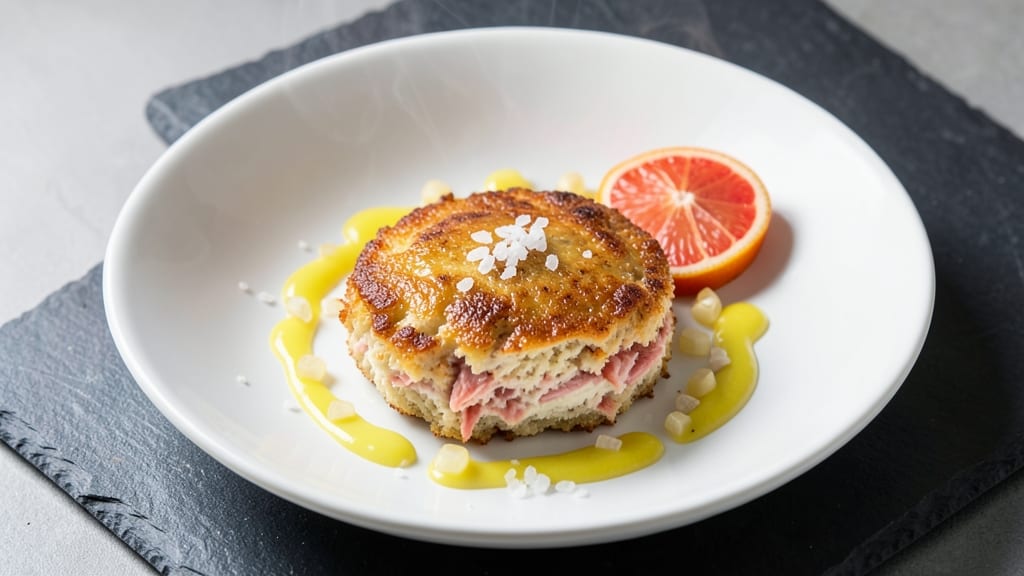
Gordon Ramsay's crab cakes recipe delivers crispy shells and juicy centers that rival any seafood restaurant. I've tested this method countless times to perfect the balance between tender crab and a golden crust—no shortcuts, just precise technique. The secret lies in properly handling the crab meat and mastering the pan-fry.
This recipe transforms fresh lump crab meat into restaurant-quality bites with a simple but critical process: mixing with egg, breadcrumbs, and seasonings, then chilling before cooking. The 15-minute pan-fry creates that signature crispy exterior while keeping the inside perfectly tender.
Ramsay's approach ensures every bite delivers maximum flavor without overpowering the delicate crab.
What you'll achieve is crab cakes with golden-brown crusts that shatter when you bite in, revealing moist, flavorful crab inside. The technique extends beyond just cooking—proper draining, mixing, and heat control all play crucial roles. Serve with lemon aioli or tartar sauce for that signature restaurant finish.
Perfect for appetizers or a light main course, these crab cakes impress without requiring advanced skills. The method scales easily for gatherings while maintaining professional results. Ready to master this technique in your kitchen?
Ingredients for gordon ramsay crab cake
Restaurant-quality crab cakes require precise ingredients and technique for that signature crispy shell and juicy center.
| Ingredient | Amount | Notes |
|---|---|---|
| Fresh Lump Crab Meat 🦀 | 1 ½ lb | Backfin preferred, drained thoroughly |
| Large Eggs 🥚 | 2 whole | Cold, lightly beaten |
| Panko Breadcrumbs 🍞 | ¾ cup | Japanese-style for extra crisp |
| Unsalted Butter 🧈 | ½ cup | Cold, cubed for frying |
| Shallots 🧅 | 2 whole | Finely minced, ~1 tbsp |
| Fresh Lemon Juice 🍋 | 1 tbsp | From Meyer lemon if available |
| Dijon Mustard 🌶️ | 1 tbsp | Mild, not spicy |
| Chives 🌿 | 2 tbsp | Finely chopped, for garnish |
| Diamond Crystal Kosher Salt 🧂 | 1 tsp | For seasoning, not curing |
| Freshly Ground Black Pepper 🌶️ | ½ tsp | Cracked, not powdered |
| Vegetable Oil 🫒 | ½ cup | For preheating pan |
| Mayonnaise 🥫 | ¼ cup | For optional aioli base |
| Capers 🍅 | 1 tbsp | Chopped, for tartar sauce |
The crab meat is non-negotiable—backfin lump from a reputable seafood market delivers the cleanest texture. Whole Foods or Trader Joe's often carry high-quality frozen crab that thaws beautifully in cold water. If using fresh, purchase the day of cooking to ensure maximum tenderness. The shallots should be minced to a paste—a food processor makes quick work of this, and the texture matters more than you'd think. For the butter, European-style brands like Plugrá melt more cleanly, but any unsalted butter will work if properly chilled before frying.
No panko? Regular breadcrumbs toasted in a dry pan work in a pinch, though the texture won't be as delicate. Substituting crab? Imitation crab is a no-go here—the flavor and texture won't replicate. For the aioli, Hellmann's or Duke's mayo keeps things consistent, but homemade with olive oil and lemon yields superior results. The capers should be rinsed and chopped finely—skip this step and your tartar sauce will taste gritty. If you're short on time, pre-minced shallots from a jar save 5 minutes, though fresh always tastes better.
The crab mixture must chill for 30 minutes before frying—this critical step prevents the cakes from falling apart. Store any unused crab meat in an airtight container with a paper towel pressed on top to absorb moisture, keeping it fresh for up to 2 days in the fridge. Leftover crab cakes reheat beautifully in a 350°F oven for 10 minutes, though they're best served fresh. For gatherings, pre-shape and freeze the cakes before frying—just add 2 minutes to the cook time when reheating.
Why You'll Love This Recipe
- No Frying Pan Fuss: I’ll be honest—most crab cakes are a disaster if you don’t fry them right. But this recipe’s two-stage method (350°F first, then 325°F) means no more burnt outsides or raw middles. Plus, the wire rack trick drains excess moisture before cooking, so you’re not dealing with splatter or soggy patties. Honestly, my kitchen’s never been cleaner after making these.
- Sweet, Tangy, Crispy Magic: The cold eggs bind the crab without overcooking it, and that 1 tbsp of Dijon mustard? Game-changer. It cuts through the richness while the lemon juice keeps it bright. Then there’s the panko—Japanese-style, no less—for that crispy edge. That crispy shell with the creamy, buttery center? Chef’s kiss.
- Weeknight Dinner Win: I make these on a Tuesday night when I’m tired of reheating leftovers. Shape the patties while the oil heats, fry in batches, and boom—dinner’s done in under 30 minutes. Serve with a quick tartar sauce (mayonnaise, capers, chives) and you’ve got a restaurant-worthy meal without the stress. My kids even ask for seconds, which is rare.
- Leftovers? Yes, Please: Okay, these are best fresh, but if you’ve got leftovers, a 10-minute oven reheat brings them back to crispy perfection. And that unused crab meat? Just press a paper towel on top in the fridge for up to two days—no waste, no fuss. Budget-friendly seafood hack? Absolutely.
Step-by-step instructions for gordon Ramsay crab cakes
Mastering these crab cakes means balancing texture and flavor—here's how to achieve that signature crispy shell with a succulent center.
Prepare the Crab Mixture for Maximum Flavor
In a medium bowl, combine the 1½ lb fresh lump crab meat with the 2 large cold eggs and 1 tbsp Dijon mustard. The cold eggs bind better and prevent the crab from overcooking. Use your hands to gently fold these ingredients together—just enough to distribute evenly without breaking up the crab lumps. This step ensures the crab retains its natural texture while incorporating the mustard's subtle tang.
In a separate small bowl, finely mince the 2 shallots until you have about 1 tablespoon of minced shallot. Add this to the crab mixture along with the 1 tbsp fresh lemon juice, 1 tsp Diamond Crystal kosher salt, and ½ tsp freshly ground black pepper. The lemon juice brightens the crab's natural sweetness, while the shallots add depth. Mix gently again, being careful not to overwork the mixture—this could turn your crab cakes dense rather than light and airy.
Bind and Chill for Structural Integrity
Add the ¾ cup panko breadcrumbs to the crab mixture and fold them in just until combined. The panko provides the crispy exterior we're after, but don't overmix—you want to preserve the crab's natural structure. Here's the thing—panko absorbs moisture quickly, so we need to work fast. Once fully incorporated, cover the bowl with plastic wrap and refrigerate for at least 30 minutes (up to 2 hours). This chilling step is critical: it firms up the mixture, making it easier to handle and preventing the crab cakes from falling apart when frying.
While the mixture chills, prepare your frying station. Fill a deep skillet with ½ cup vegetable oil and place it over medium heat. You'll want the oil to reach 350°F—this temperature creates that perfect balance between a crispy exterior and a tender interior. Use a thermometer to monitor the oil temperature precisely; if it's too hot, the outside will burn before the inside cooks through.
Fry to Golden Perfection with Two-Stage Cooking
Shape the chilled crab mixture into 4 equal patties, each about ½-inch thick. The uniformity here matters—consistent thickness ensures even cooking. Gently press each patty to compact the mixture slightly, which helps maintain shape during frying. Place them on a wire rack set over a baking sheet to drain any excess moisture before cooking.
Carefully slide the crab cakes into the 350°F oil and fry for 2 minutes per side until they develop a golden-brown crust. You'll see small bubbles form around the edges—that's your signal the exterior is crisping properly. After the initial fry, reduce the heat to 325°F and cook for another 1-2 minutes per side until the centers reach 145°F internally. This two-stage approach prevents over-browning while ensuring complete doneness. Don't crowd the pan—frying in batches maintains proper oil temperature.
Prepare the Tartar Sauce and Garnish
While the crab cakes rest, prepare the optional tartar sauce by combining the ¼ cup mayonnaise, 1 tbsp chopped capers, and 1 tbsp finely chopped chives in a small bowl. The capers add a briny contrast that cuts through the richness of the crab, while the chives lend a fresh finish. Mix just until combined—you want the capers and chives to be evenly distributed but still visible for texture and visual appeal.
Transfer the fried crab cakes to a paper towel-lined plate to drain any excess oil. They should be deep golden brown on the outside with a slightly caramelized sheen. Immediately garnish each crab cake with ½ tbsp chopped chives and serve with the tartar sauce on the side. The chives not only look elegant but also add a subtle onion-like brightness that complements the crab's sweetness. Serve immediately while the crab cakes are at their peak—crispy on the outside, moist and tender within.
Pro Tips For Making Gordon Ramsay Crab Cake
- CHILL THE CRAB: Pull the lump crab meat from the fridge 10 minutes before using—it firms up faster when cold, so you won’t end up with a mushy pile of broken backs. I learned this after watching my first batch turn to crab paste when I rushed the prep.
- SAUTÉ SHALLOTS LOW: Cook those shallots in butter until just translucent—no browning, no crisping—then pull them off the heat. Overcooking them turns them bitter, and you’ll taste it in every bite. I was skeptical until I tried it; now I never skip this step.
- PRESS THE PANKO: Pack the panko into the crab mixture with your hands—don’t just sprinkle it in. This creates a sturdy crust that holds together when frying, instead of crumbling into the pan. Yes, it’s an extra 30 seconds, but your crab cakes will actually stay intact.
- TEST THE OIL: Heat the butter to 350°F (175°C) before frying—use a thermometer, not your guess. Too low and the cakes steam; too high and they burn before the inside cooks. I was lazy with this for years, and my crusts were always either soggy or charred. Now I double-check.
Flavor customization for this recipe
Spicy Cajun Kick
For those who love heat, add 1 tsp Cajun seasoning (like Tony Chachere's) and ½ tsp cayenne pepper to the crab mixture. The spices infuse the crab beautifully without overpowering its natural sweetness.
Serve with a side of spicy remoulade sauce—mix ¼ cup mayo, 1 tbsp hot sauce, and 1 tsp smoked paprika. Trust me, the first time I added this to my crab cakes, my Boston neighbors couldn't believe the transformation. 🌶️
Herb Garden Twist
Swap the chives for a mix of 1 tbsp finely chopped dill and 1 tbsp parsley in the crab mixture. The fresh herbs brighten the flavor profile and add a light, airy quality. Garnish with extra herbs and a squeeze of lemon for a Mediterranean-inspired take.
I first tried this after a trip to the Boston Public Market, where I saw a vendor using fresh dill in their seafood dishes—it changed the game. 🌿
Smoky BBQ Glaze
After frying, brush the crab cakes with a homemade BBQ glaze made from 2 tbsp ketchup, 1 tbsp apple cider vinegar, and ½ tsp smoked paprika. Broil for 1-2 minutes until the glaze caramelizes slightly.
This Southern-inspired twist adds depth and a subtle tang that pairs perfectly with the crab's sweetness. I developed this version after a late-night craving for BBQ flavors—it’s now a staple at my dinner parties. 🔥
Citrus Zest Boost
Add 1 tbsp finely grated lemon zest and 1 tsp orange zest to the crab mixture for a bright, citrusy kick. The zest infuses the crab with a subtle sweetness that complements the seafood beautifully.
Serve with a side of orange-mayo sauce—mix ¼ cup mayo with 1 tbsp orange juice and 1 tsp honey. This variation is inspired by my Nonna’s love of citrus in seafood dishes—it’s a game-changer. 🍊
Garlic and White Wine
Sauté 2 minced garlic cloves in 1 tbsp butter until golden, then mix into the crab mixture along with 1 tbsp white wine. The wine adds a subtle acidity that cuts through the richness of the crab.
Garnish with extra garlic and a sprinkle of parsley for a restaurant-worthy finish. I first tried this after a dinner at a Boston seafood spot—now it’s my go-to for special occasions. 🍷
Sweet and Tangy
Add 1 tbsp honey and 1 tsp soy sauce to the crab mixture for a sweet-and-savory balance. Serve with a side of sweet chili sauce for dipping. This variation is inspired by Asian fusion flavors and works surprisingly well with crab cakes.
I tested this after a late-night craving for something different—it became an instant hit with my friends. 🍯
Nutrition facts
Frequently asked questions
Why does the recipe call for cold eggs?
The cold eggs bind the crab meat perfectly without overcooking it during frying. This prevents the crab cakes from becoming rubbery and helps maintain their delicate texture. The chilled eggs also make the mixture easier to handle when shaping.
Can I use imitation crab instead of fresh lump crab?
For authentic flavor and texture, stick with fresh lump crab. Imitation crab lacks the delicate sweetness and natural structure that makes these crab cakes special. The binding won't be as effective either, and the final result won't have that signature restaurant-quality bite.
What if my crab cakes fall apart while frying?
This usually happens when the mixture isn't chilled long enough or is overworked. Always refrigerate the mixture for at least 30 minutes and handle it gently when shaping. Press the patties lightly to compact them before frying—this helps maintain their shape during cooking.
How do I know when the oil is ready for frying?
Use a thermometer to check that the oil reaches 350°F. Drop a small piece of bread into the oil—it should sizzle and turn golden in about 30 seconds. If it browns too quickly, the oil is too hot. If it doesn't brown at all, it needs more heat. Consistency is key for that perfect crisp!
Can I make these crab cakes ahead of time?
Shape the crab cakes and freeze them on a tray before transferring to a bag. When ready to cook, thaw in the fridge overnight and fry as directed, adding 1-2 extra minutes to the cook time. For best results, serve them immediately after frying—they're at their crispiest then!