
Desserts
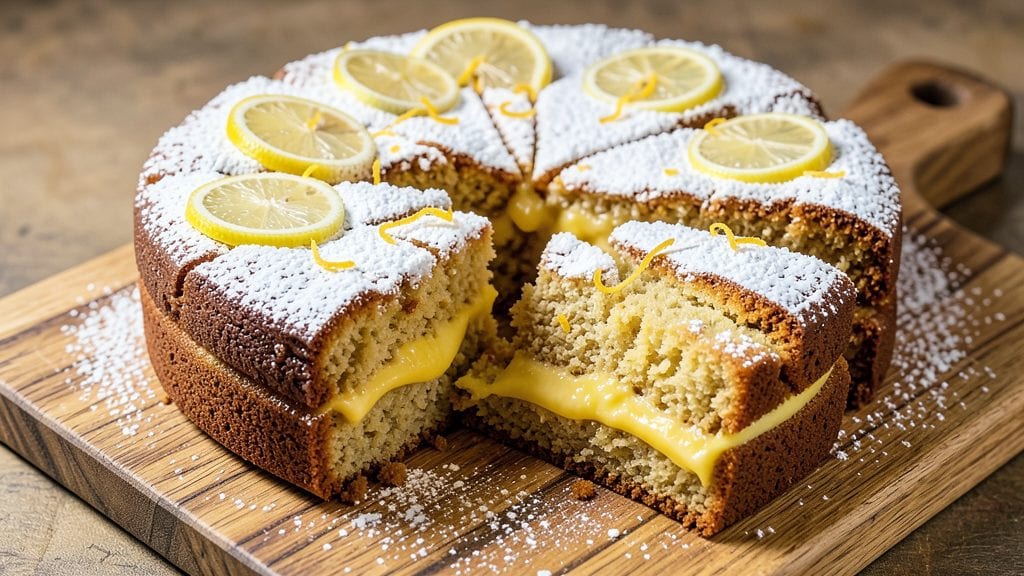
Transforming Duncan Hines lemon pudding mix into a moist, tangy pound cake is the kind of baking hack that turns weeknight desserts into showstoppers.
I first discovered this technique while testing recipes for my cookbook, and the results—layers of ultra-moist cake with that signature lemon pudding flavor—are nothing short of impressive. The secret lies in balancing the mix with just the right amount of butter and eggs for structure while keeping the texture tender.
This recipe delivers foolproof results with minimal effort, perfect for home bakers who want restaurant-quality desserts without the fuss.
The Duncan Hines mix handles the heavy lifting—just add butter, eggs, and a splash of vanilla to create a batter that bakes into a cake with perfectly moist layers and a bright citrus finish. No special equipment or advanced skills required, just a standard mixing bowl and oven.
By the time it emerges from the oven, you’ll have a cake that’s rich yet light, with a subtle lemon zest aroma that lingers in every bite. The texture stays moist for days, making it ideal for slicing or serving as-is.
For extra flair, add a simple glaze or dust with powdered sugar—though honestly, it’s delicious just as it is. Let’s get baking!
This recipe scales beautifully for gatherings, and leftovers reheat perfectly in the microwave. Whether you’re hosting a brunch or craving a midday treat, this lemon pudding pound cake delivers consistent results every time. Here’s everything you need to make it happen!
Ingredients for duncan hines lemon pudding pound cake
Three boxes of lemon pudding mix transform into this ultra-moist pound cake masterpiece.
| Ingredient | Amount | Notes |
|---|---|---|
| Duncan Hines Lemon Pudding Mix 🍋 | 3 boxes | Original lemon flavor preferred |
| Unsalted Butter 🧈 | 1 ½ cups | Melted, full-fat preferred |
| Large Eggs 🥚 | 12 whole | Room temperature for best texture |
| Pure Vanilla Extract 🌿 | 2 tbsp | High-quality for authentic flavor |
| Fresh Lemon Zest 🍋 | 1 tbsp | From 2-3 lemons, finely grated |
| Granulated Sugar 🍚 | ½ cup | For extra moisture balance |
| All-Purpose Flour 🌾 | 1 cup | Sifted for tender crumb |
| Baking Powder 🧂 | 1 tsp | For proper rise |
| Salt 🧂 | ½ tsp | Fine grain preferred |
| Nonstick Spray 🧴 | 1 package | For easy cake release |
| Powdered Sugar 🍚 | ½ cup | For dusting, sifted |
The Duncan Hines mix is your secret weapon here. Stick with the original lemon flavor—it’s the only one tested for this recipe. I always grab the 12-ounce boxes from the bakery aisle; they’re more reliable than the smaller sizes. For the butter, full-fat unsalted is non-negotiable—it’s what gives this cake its rich, tender crumb. Don’t skip the room-temperature eggs either; they blend more smoothly and create a lighter texture. The vanilla extract should be pure and high-quality—no imitation stuff here, trust me on this.
No fresh lemons? Lemon extract at half the amount works in a pinch, but it won’t give you that bright, zesty aroma. The granulated sugar balances the mix’s sweetness—white granulated is ideal, but brown sugar at half the quantity adds a subtle molasses note. Want to stretch this further? Add 0.5 cup cake flour to the all-purpose for a finer crumb. The baking powder and salt are critical—Diamond Crystal kosher salt is my go-to for even distribution. And if you’re worried about the cake sticking, nonstick spray is a game-changer—no need for greasing the pan.
This cake stays moist for 5-6 days wrapped tightly in plastic wrap at room temperature. For longer storage, slice and freeze individual portions for up to 3 months. Reheat slices in the microwave for 10-15 seconds to restore that perfect moist texture. The powdered sugar? Sift it over the top right after baking—it’ll dissolve slightly into the warm cake, creating a delicate glaze. And if you’re making this for a crowd, double the batter—it scales beautifully without sacrificing texture.
Why You'll Love This Recipe
- No-Fuss Moisture Lock: I’ve never met a cake that’s this forgiving. Three boxes of Duncan Hines mix, a handful of eggs, and a little melted butter—it’s the kind of recipe where you can prep while watching TV, and still end up with a cake that’s so moist, it almost melts in your mouth. The trick? Room-temperature eggs and that 10-minute cooling pause in the pan—no fancy techniques, just smart timing.
- Citrus Overload (In the Best Way): That fresh lemon zest isn’t just garnish—it’s the star. The zest from 2-3 lemons infuses the batter with a bright, zesty punch that cuts through the richness of the butter and eggs. Trust me, skipping it is like serving vanilla ice cream without sprinkles. The powdered sugar dusting? It’s not just for show; it balances the tartness and makes every slice dangerously good.
- Crowd-Pleaser for Any Moment: Need a showstopper for brunch? A last-minute dessert for a potluck? This cake does it all. It’s rich enough to feel indulgent but bright enough to feel fresh—like a vacation in a slice. My daughter insists on picking the lemons for zest, but honestly, she’s just trying to get me to make it more often. It’s that good.
- Freezer’s Best Friend: I make this cake once, but it lasts forever. Slice it, wrap it, and freeze for up to three months—no dry, sad cake leftovers here. Pull out a portion when you’re craving something sweet, and boom: fresh-from-the-oven texture, no effort. It’s my secret weapon for lazy Sundays or when I’ve got guests dropping by with zero notice.
Step-by-step instructions for lemon pudding pound cake
Here's how to create layers so moist they'll disappear on first bite.
Prepare the Pans and Melt the Butter
Begin by preheating your oven to 350°F. Generously spray two 9-inch round cake pans with the nonstick spray, coating the bottom and sides thoroughly. Line the bottoms with parchment circles cut to fit, then spray those lightly too. This ensures easy release and prevents sticking—no matter how moist the cake gets.
In a heatproof bowl, melt the 1½ cups unsalted butter in 30-second intervals in the microwave, stirring between each burst. The butter should be fully liquid but not browned—just warm enough to blend smoothly. Let it cool slightly for 2 minutes so it doesn't cook the eggs when mixed.
Mix Wet Ingredients for Maximum Moisture
In a large mixing bowl, whisk together the 12 large eggs until no streaks remain. Add the 2 tablespoons pure vanilla extract and 1 tablespoon fresh lemon zest, whisking until fully combined. The zest will infuse the batter with bright citrus flavor—don't skip this step for authentic tang.
Gradually pour in the melted butter while whisking continuously. Then add the 3 boxes Duncan Hines Lemon Pudding Mix, the ½ cup granulated sugar, and the 1 cup all-purpose flour. Mix on low speed for 1 minute until just combined—overmixing develops gluten and makes the cake dense. The batter should be thick but pourable, with a few flour streaks visible.
Divide and Bake the Layers
Divide the batter evenly between the prepared pans, smoothing the tops with a spatula. Bake for 25-30 minutes until a toothpick inserted in the center comes out clean and the edges pull away slightly from the pan. The cake should spring back when pressed gently—this confirms proper doneness without overbaking.
Here's the trick for ultra-moist layers: as soon as the cakes are done, invert them onto a wire rack while still warm. Let them cool completely in the pans for 10 minutes, then transfer to a cooling rack to finish cooling. This gradual cooling prevents cracking and keeps the crumb tender.
Assemble with Powdered Sugar Dusting
Once fully cooled, place one cake layer on a serving plate. Sift ¼ cup of the powdered sugar evenly over the top, then spread it with a pastry brush for an even dusting. This isn't just decoration—it adds a subtle sweetness and helps create a barrier for clean slicing.
Repeat with the second layer, then dust the top generously with the remaining ¼ cup powdered sugar. For extra moisture, you can brush the layers with a simple syrup made by heating ¼ cup water with ½ cup granulated sugar until dissolved, then cooling. This step guarantees that every slice stays moist for days.
Pro Tips For Making Duncan Hines Lemon Pudding Pound Cake
- Whisk Eggs Until Streakless: DESCRIPTION:
- Cool Butter Before Mixing: DESCRIPTION:
- Don’t Overmix the Batter: DESCRIPTION:
- Invert Cakes Immediately: DESCRIPTION:
Wine and beer pairings for these flavors
Bright Citrus Wines
For this lemon-forward cake, I reach for crisp Italian whites that highlight the bright citrus notes. A Pinot Grigio from Friuli or a Vermentino from Sardinia cuts through the richness beautifully. The acidity balances the cake’s sweetness while complementing the lemon zest’s tang.
I always keep a bottle of La Spinetta Pinot Grigio on hand—it’s my go-to for pairing with citrusy desserts. 🍷
Sparkling Rosé Pair
A chilled Provence rosé adds a refreshing contrast to the cake’s dense texture. Look for a dry rosé with 11-12% ABV like Whispering Angel—its red fruit notes echo the lemon’s brightness while the bubbles cleanse your palate between bites. This pairing feels especially luxurious for summer gatherings.
Local Craft Beer
If you prefer beer, a Belgian witbier like Leffe Blanc or Rodenbach brings citrusy coriander and orange peel notes that mirror the lemon flavor. The beer’s effervescence helps cut through the cake’s richness, making it an unexpected but perfect match.
I often serve this with my backyard garden’s fresh lemons for extra zesty fun. 🍺
Nashville Whiskey
For a surprising twist, try a peach or honey whiskey like George Dickel Peach or Buffalo Trace Honey Whiskey. The sweetness and subtle fruit notes harmonize with the cake’s lemony tang, while the whiskey’s warmth complements the cake’s moist texture.
Serve it over ice with a splash of lemon juice for an adult twist on a classic dessert pairing.
Portland Market Finds
When in Portland, I always check the New Seasons Market for local wine options like Willamette Valley Riesling. Its bright acidity and stone fruit notes pair wonderfully with the cake’s lemon profile.
For beer lovers, a local IPA with citrus hops like Deschutes The Abyss adds a refreshing contrast to the cake’s sweetness. 🌿
Nutrition facts
Frequently asked questions
Why does this recipe use Duncan Hines lemon pudding mix?
The Duncan Hines mix acts as a flavorful base that ensures consistent tanginess and moisture without needing extra baking experience. It combines pre-measured dry ingredients like flour and baking powder, so you only need to focus on mixing the wet ingredients—like eggs and butter—while maintaining that signature lemon pudding taste. This makes it foolproof for bakers of all skill levels!
What’s the secret to keeping the cake ultra-moist?
The key lies in two techniques: gradual cooling and the powdered sugar dusting. After baking, let the cakes cool completely in the pans for 10 minutes before transferring them to a rack. This prevents cracking. The powdered sugar dusting creates a subtle barrier that locks in moisture, while brushing with simple syrup adds extra hydration for days.
Can I substitute fresh lemon juice for the lemon zest?
While you can use lemon juice in a pinch, the zest adds a bright, aromatic complexity that pure juice can’t replicate. The zest’s oils infuse the batter with a more intense citrus flavor. If you’re short on lemons, use half the amount of zest and add 1 tablespoon of lemon juice—but don’t skip the zest entirely!
What if my cake springs back too slowly when testing doneness?
A cake that doesn’t spring back quickly may need 5 more minutes in the oven. Overmixing the batter or underbaking are common culprits—stick to mixing just until combined and rely on the toothpick test. If the cake feels dense, it likely needed more time; if it’s dry, it may have baked too long. Adjust next time based on these clues!