
Desserts
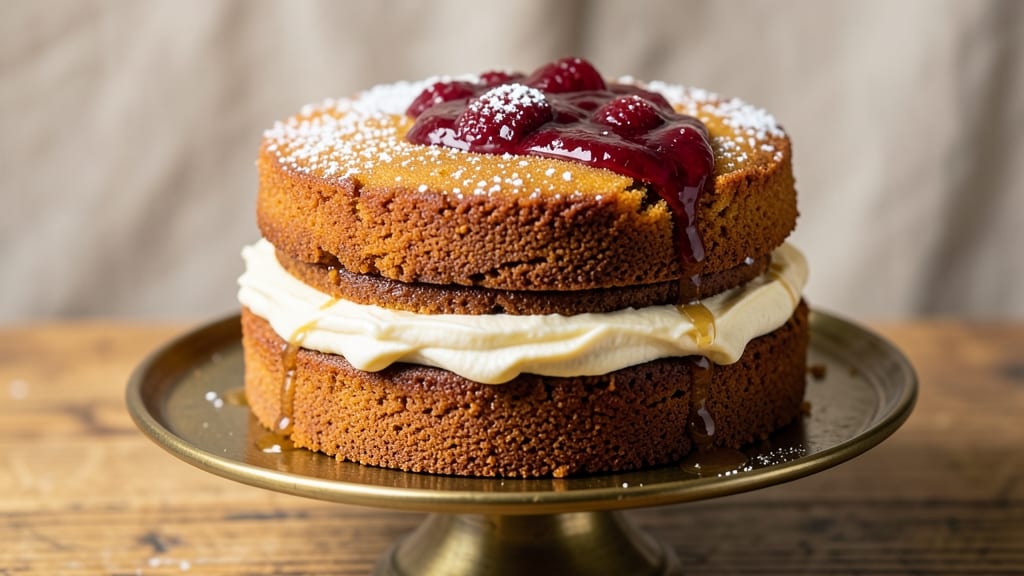
This Crisco pound cake recipe delivers the signature buttery richness and ultra-moist layers that make classic pound cake unforgettable. The secret lies in the shortening—Crisco creates tender crumb and golden edges without drying out, a technique perfected in Southern kitchens for generations.
I’ve baked this version dozens of times, and every slice pulls apart with just the right resistance, revealing a crumb so tender it melts in your mouth.
The recipe relies on precise ratios: 1 pound of butter and sugar (hence "pound cake") balanced with 3 cups of flour and 1½ cups of milk, all enriched by Crisco’s moisture-retaining properties.
A touch of vanilla and a pinch of salt elevate the flavor, while the cake’s high fat content ensures it stays fresh for days. Baking at 350°F for 35–40 minutes yields a domed top with crisp edges and a velvety interior.
What sets this apart is the foolproof method—no overmixing, no guesswork. The batter comes together in a single bowl, and the Crisco ensures each layer stays moist without turning greasy. The result?
A cake so rich and tender it rivals bakery versions, perfect for afternoon tea or holiday desserts. Once you try this, you’ll never go back to dry, crumbly pound cake again.
For variations, fold in lemon zest for brightness or chocolate chips for decadence. Serve plain with berries or dusted with powdered sugar—either way, the buttery layers will steal the show. Let’s get baking!
Ingredients for crisco pound cake
Buttery layers, tender crumb—this Crisco pound cake delivers classic Southern richness with foolproof precision.
| Ingredient | Amount | Notes |
|---|---|---|
| Crisco Vegetable Shortening 🧈 | 1 lb | Room temperature, fully softened |
| Granulated White Sugar 🍬 | 1 lb | Fine grain preferred |
| Large Eggs 🥚 | 6 whole | Room temperature, separated |
| All-Purpose Flour 🌾 | 3 cups | Sifted, measured by spoon and level |
| Whole Milk 🥛 | 1 ½ cups | Room temperature, full fat |
| Pure Vanilla Extract 🌿 | 2 tsp | High-quality, alcohol-free if possible |
| Fine Sea Salt 🧂 | 1 tsp | Diamond Crystal preferred |
| Baking Powder 🧂 | 2 tsp | Double-acting, freshly checked |
| Powdered Sugar 🍬 | 1 cup | For dusting, sifted |
The Crisco is non-negotiable for this recipe—its moisture retention and neutral flavor create the signature tender crumb without greasiness. Use the original canned version, not the tub, as it has the ideal melting point for even distribution. For best results, let it soften at room temperature for 1-2 hours before creaming with sugar; this ensures proper aeration. Professional bakers swear by Bob's Red Mill for high-quality flour, but any all-purpose will work if freshly sifted. The eggs must be room temperature—cold eggs disrupt emulsification, leading to dense texture.
No vanilla extract? Vanilla bean paste at half the amount adds depth, while almond extract at 1 teaspoon offers a nutty alternative. For milk substitutes, whole milk powder reconstituted with water works but may alter texture slightly. The baking powder's freshness is critical—test it with vinegar to ensure it still bubbles; old powder results in flat cake. If you prefer a lighter cake, reduce the Crisco by 2 ounces and increase milk by the same amount, though this may compromise moisture retention.
This cake keeps exceptionally well—stay fresh for 5 days at room temperature in an airtight container, or freeze slices for up to 3 months wrapped tightly in plastic. For best texture, let the cake cool completely before slicing to prevent crumbling. Dusting with powdered sugar should be done just before serving to avoid clumping. The domed top indicates proper baking; if it collapses, the oven may have been too hot or the cake overmixed. Always use a water bath for the first 20 minutes to ensure even baking and golden edges.
Why You'll Love This Recipe
- No-Fuss Mix-In: Mixing the batter takes two minutes—just cream the Crisco and sugar, toss in eggs, then fold in dry ingredients. No electric mixer? No problem. A sturdy wooden spoon works just as well, and honestly? The texture comes out even better when you don’t overwork it.
- Buttery Vanilla Hug: That Crisco—it’s the star. Rich, melt-in-your-mouth richness that makes this cake taste like a hug from your grandma’s kitchen. The milk keeps it tender, and the sugar? It caramelizes just enough to give every slice a subtle, sweet crunch.
- Slice It Any Way: Too big for one sitting? No issue. This cake holds up for days—perfect for breakfast, dessert, or even a quick snack. My kids ask for it cold with peanut butter or warmed with a drizzle of honey. (Yes, even on a Tuesday night.)
- Pantry Staple Magic: Five ingredients, all of which you already own. No specialty items, no last-minute grocery runs—just pull what’s there and bake. The leftovers? They stay moist for days, and if you’re feeling fancy, a sprinkle of powdered sugar turns it into instant dessert. Budget-friendly? Absolutely. Reliable? Always.
Step-by-step instructions for Crisco pound cake
The secret to ultra-moist layers lies in precise technique and patience.
Cream Shortening and Sugar for Maximum Tenderness
In a stand mixer fitted with the paddle attachment, combine the 1 lb Crisco Vegetable Shortening and 1 lb Granulated White Sugar. Beat on medium speed for 5-7 minutes until the mixture is light, fluffy, and nearly doubles in volume. You'll notice the texture transform from thick and heavy to airy and pale—this aeration creates the cake's signature tender crumb.
Here's the thing—don't rush this step. The shortening needs to fully incorporate air to prevent dense layers. I press down on the paddle occasionally to ensure the mixture comes together smoothly. If the mixture feels too thick after beating, you're on the right track. The sugar should dissolve completely, leaving no grainy texture.
Incorporate Eggs and Dry Ingredients for Structure
Add the 6 Large Eggs, one at a time, mixing well after each addition until fully incorporated. The mixture will appear slightly curdled at first, but that's normal. Next, add the 2 tsp Pure Vanilla Extract, 1 tsp Fine Sea Salt, and 2 tsp Baking Powder along with the 3 cups All-Purpose Flour. Mix on low speed just until combined—about 30-45 seconds—to avoid developing gluten.
I like to use a silicone spatula here to gently fold in the flour by hand after mixing. This ensures even distribution without overworking the batter. The batter should be thick but pourable, similar to heavy pudding. If it's too stiff, add 1-2 tablespoons of the 1½ cups Whole Milk to reach the ideal consistency for even distribution in the pans.
Layer the Batter for Perfect Rise and Moisture
Preheat your oven to 350°F. Grease two 9-inch round cake pans with additional shortening and line the bottoms with parchment circles. Divide the batter evenly between the pans, filling each ¾ full. The batter should mound slightly above the pan edges—this ensures even rise without overflowing.
Here's where it gets critical: tap each pan gently on the counter 3-4 times to remove air bubbles. This prevents uneven rise and sinkholes in the final cake. Bake for 50-60 minutes, or until a toothpick inserted in the center comes out clean. The tops should be golden brown, and the edges should pull away slightly from the pan.
Test for Doneness and Cool Properly
Remove the cakes from the oven and let them cool in the pans for 10 minutes. This brief rest prevents crumbling when you transfer them. Run a knife around the edges to loosen, then invert onto a wire rack to cool completely. The cakes should be fully set but still warm to the touch—this ensures clean layers when sliced.
Once completely cooled, dust the tops generously with the 1 cup Powdered Sugar using a fine-mesh sieve. This step isn't just for presentation; it seals in moisture and adds a delicate sweetness that balances the rich butter flavor. Store the cakes in an airtight container with parchment between layers to maintain freshness for up to 5 days at room temperature.
Pro Tips For Making Crisco Pound Cake
- Press the Paddle: DESCRIPTION: When creaming the 1 lb Crisco Vegetable Shortening and 1 lb Granulated White Sugar, stop every 30 seconds to press the paddle firmly against the bowl. This forces the thick mixture to come together instead of spinning in place—like breaking up a stubborn clump of dough. I learned this the hard way after ending up with a cake that looked more like a brick than layers.
- Sift the Flour Twice: DESCRIPTION: The 3 cups All-Purpose Flour needs to be sifted before measuring and again before folding it in. The first sift removes lumps, but the second ensures no clumps sneak in when you’re mixing on low speed. I’ve seen batches go dense when flour wasn’t fully aerated—this step keeps the crumb light.
- Don’t Overmix the Eggs: DESCRIPTION: After adding the 6 Large Eggs, the batter will look curdled—that’s normal. But if you keep mixing past the point where it’s just combined, you’ll end up with tough layers. Mix until no streaks remain, then switch to a spatula to fold in the flour by hand. Overmixing is the fastest way to ruin the tender texture.
- Tap the Pans Hard: DESCRIPTION: After filling the pans ¾ full, give each one a sharp thwack against the counter 3-4 times. This collapses hidden air pockets that would otherwise cause sinkholes in the center. I used to skip this, and my cakes would rise unevenly—now I treat it like a non-negotiable step before baking.
Dietary considerations for this recipe
Gluten-Free Adaptation
For a gluten-free version, replace the 3 cups all-purpose flour with a 1:1 gluten-free flour blend like Bob’s Red Mill 1-to-1. I recommend sifting it twice to mimic the texture of regular flour.
Add 1 tbsp xanthan gum to the dry ingredients to improve structure—it’s a game-changer for gluten-free baking. The cake will be slightly denser but still tender thanks to the Crisco’s moisture. 🥖
Dairy-Free Swap
Substitute the 1½ cups whole milk with unsweetened almond milk or oat milk for a dairy-free option. I also replace the 6 whole eggs with 6 flax eggs (6 tbsp ground flaxseed + 18 tbsp water, mixed and rested for 5 minutes).
The texture changes slightly but still yields a moist crumb. Let it cool completely before slicing to prevent crumbling.
Lower-Sugar Option
Cut the 1 lb granulated sugar by ¼ lb and add 1 tbsp erythritol or monk fruit sweetener to maintain sweetness without spiking blood sugar. The cake will be subtly less sweet but retains its buttery richness.
I recommend adding 1 tsp lemon zest to enhance flavor—it balances the reduced sugar beautifully. 🍋
Egg-Free Version
For an egg-free cake, use 6 tbsp unsweetened applesauce or 6 tbsp Greek yogurt to replace the eggs. The applesauce adds moisture, while yogurt contributes tanginess. The texture becomes slightly cakey but still tender.
I also increase the 1½ cups milk to 1½ cups plus 2 tbsp to compensate for the moisture from the substitute. Bake as directed but watch for slight browning.
Vegan Crisco Cake
Make this cake fully vegan by using vegan butter (like Earth Balance) instead of Crisco, flax eggs, and coconut milk for the liquid. The Crisco’s neutral flavor won’t translate perfectly, but the vegan butter still delivers richness.
Add 1 tbsp cornstarch to the flour to improve texture. The result is a lighter cake with a slightly different crumb but still delicious. ✨
Nutrition facts
Frequently asked questions
Why does this recipe use Crisco instead of butter?
Crisco vegetable shortening creates a lighter, more tender crumb without the greasiness butter can leave. It melts evenly during baking, ensuring ultra-moist layers that stay fresh longer. The neutral flavor lets the vanilla and sugar shine while keeping the texture perfectly soft.
What if my batter is too thick after adding flour?
Add 1-2 tablespoons of whole milk to loosen it—just enough to reach pudding-like consistency. This keeps the batter pourable while maintaining moisture. Overmixing at this stage can toughen the cake, so fold gently with a spatula.
How do I know when the cake is fully baked?
Insert a toothpick in the center—it should come out clean with just a few moist crumbs. The cake's top should be golden brown, and edges should pull away slightly from the pan. If unsure, check at 50 minutes and let it bake until done.
Can I substitute powdered sugar for granulated in the batter?
No—powdered sugar dissolves differently and can alter the texture. The 1 lb granulated sugar in the batter is essential for structure. Save the powdered sugar for dusting the cooled cake tops only.
Why does the recipe call for room-temperature ingredients?
Room-temperature eggs and milk blend smoothly with the shortening, creating a uniform batter. Cold ingredients can cause curdling or uneven mixing. Let them sit out for 30-60 minutes before using—this ensures perfect incorporation and tender layers.