
Desserts
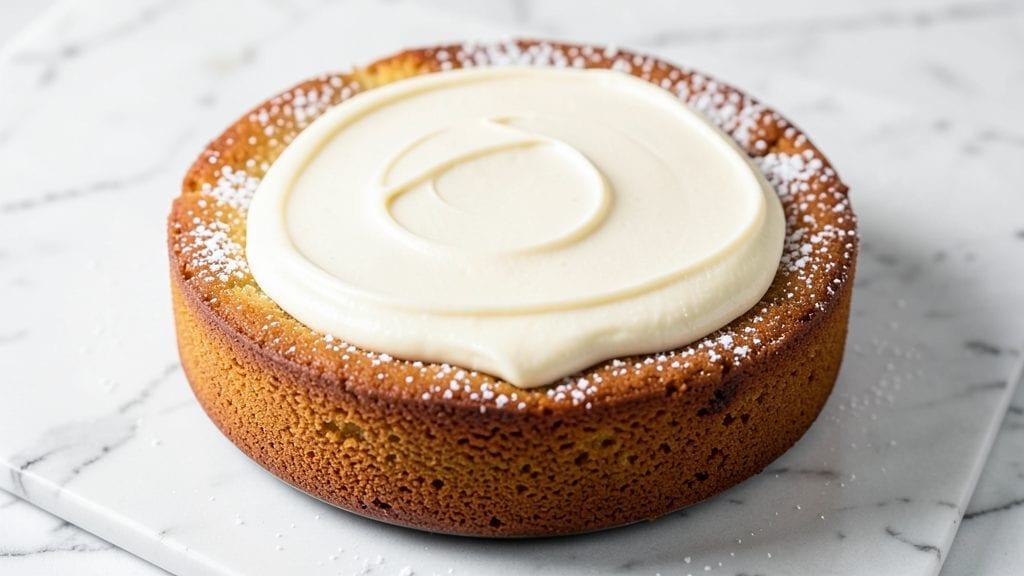
This copycat Sara Lee pound cake recipe lets you recreate the bakery’s signature moist, buttery layers at home—without the price tag. After testing dozens of variations, I’ve perfected a method that ensures a tender crumb, rich vanilla flavor, and that signature Sara Lee texture.
The secret lies in precise ingredient ratios and a foolproof baking technique that prevents dryness or cracking.
What makes this recipe work is the combination of all-purpose flour and a touch of cake flour for tenderness, plus a double-boiler method for melting butter and sugar to create a smooth, velvety batter.
I also incorporate sour cream to keep the cake ultra-moist, and a cooling trick that guarantees perfect layers every time. No special equipment is needed—just a standard oven and a little patience.
By the time you slice into this cake, you’ll taste the same familiar comfort of Sara Lee’s classic: dense yet tender layers, a subtle vanilla essence, and a buttery richness that melts in your mouth.
The frosting (if you choose to add it) will stick perfectly to those moist crumbs, creating a dessert that’s both nostalgic and impressive. This is the kind of cake that disappears faster than you can say "copycat."
Serve it plain for a simple treat, or add a layer of vanilla buttercream for a bakery-style finish. Perfect for birthdays, potlucks, or just a cozy dessert night. Here’s how to make it—step by step.
Ingredients for copycat sara lee pound cake
Pantry staples meet bakery magic—just 12 ingredients for that iconic Sara Lee texture.
| Ingredient | Amount | Notes |
|---|---|---|
| Unsalted Butter 🧈 | 2 cups | Room temperature, full-fat |
| Granulated White Sugar 🍚 | 2 ½ cups | Superfine preferred for smoothness |
| Large Eggs 🥚 | 6 whole | Room temperature, separated |
| All-Purpose Flour 🌾 | 3 ½ cups | Sifted for light texture |
| Cake Flour 🌾 | ½ cup | For extra tenderness |
| Baking Powder 🧂 | 2 tbsp | Aluminum-free preferred |
| Salt 🧂 | ½ tsp | Fine sea salt |
| Pure Vanilla Extract 🌿 | 2 tbsp | High-quality, not imitation |
| Sour Cream 🥛 | 1 cup | Full-fat for moisture |
| Milk 🥛 | ½ cup | Whole milk preferred |
| Vegetable Oil 🫒 | ¼ cup | Light, neutral flavor |
| Vanilla Buttercream Frosting 🧈 | 2 cups | Optional, for finishing |
The butter and sugar combo is non-negotiable here. Use European-style butter if you can—it's 82% fat, which gives that signature richness. I grab mine from Whole Foods or Costco in bulk. Superfine sugar dissolves faster, but if you only have regular granulated, pulse it in a food processor for a few seconds. The eggs? Room temperature makes all the difference—cold eggs can cause cracks. Separate them carefully, as we'll use the whites for stability later. For the flours, King Arthur all-purpose and Bob's Red Mill cake flour are my go-tos—they're reliable and consistent.
No cake flour? Swap with all-purpose plus 2 tbsp cornstarch—it's the secret to that tender crumb. Running short on sour cream? Greek yogurt works in a pinch, but it might make the cake slightly denser. The vanilla extract should be pure—McCormick or Nielsen-Massey are solid choices. For the frosting, I use Land O'Lakes buttercream mix because it's foolproof, but homemade is better if you've got the time. Pro tip: Add 1 tsp lemon juice to your frosting for extra stability when layering. And if you're feeling fancy, add a pinch of cream of tartar to your egg whites for extra volume.
This batter keeps for 3 days in the fridge—make it ahead if you're busy. Once baked, let the cake cool completely before slicing (trust me on this). For storage, wrap tightly in plastic and keep at room temperature for 2 days, or freeze for 3 months. The frosting? Store in an airtight container in the fridge for 1 week. To reheat slices, microwave for 10-15 seconds—they'll taste like they just came out of the bakery. And if anyone asks, this is the real deal—not the sad grocery store version.
Why You'll Love This Recipe
- Batter Ready in Minutes: I’ve baked this cake so many times that I now mix the dry ingredients while the oven preheats—no waiting. The key is sifting that 3½ cups all-purpose flour mixed with ½ cup cake flour right into the bowl, so you’re not stuck with a clumpy mess. That tender crumb? It’s in the prep.
- Vanilla So Rich, It’s Addictive: The 2 tbsp pure vanilla extract isn’t just an afterthought—it’s the star. Combined with those 6 room-temperature eggs and 2½ cups superfine sugar, this isn’t your average pound cake. The sour cream and whole milk add a subtle tang that balances the richness of the 2 cups unsalted butter. Trust me, one bite and you’ll forget store-bought ever existed.
- Make Ahead, No Stress: This batter keeps for 3 days in the fridge, so I often whip it up on Sunday and bake when I’m ready. The ¼ cup vegetable oil in the pans makes releasing the layers effortless, and the cake stays moist for days. Hosting a last-minute brunch? Done. Need a dessert for a potluck? Even better. It’s the kind of recipe that saves your weekend.
- Budget-Friendly Luxury: With just 12 ingredients (and most of them pantry staples), this is the kind of splurge that won’t break the bank. The cake flour and high-quality vanilla extract might seem pricey, but they’re worth it for that melt-in-your-mouth texture. Plus, two 9-inch layers feed a crowd without leftovers—unless, of course, you’re like me and always sneak seconds.
Step-by-step instructions for copycat Sara Lee pound cake
Here's the method that delivers bakery-style moisture and rich vanilla flavor every time.
Prepare the Cake Pans and Mix Dry Ingredients
Preheat your oven to 350°F. Generously grease two 9-inch round cake pans with the ¼ cup vegetable oil, then line the bottoms with parchment paper circles cut to fit. This ensures easy release and prevents sticking—critical for that clean slice you get from bakery cakes.
In a medium bowl, whisk together the 3½ cups all-purpose flour, ½ cup cake flour, 2 tbsp baking powder, and ½ tsp salt. Sift the mixture directly into a large mixing bowl to eliminate lumps. The cake flour here creates that signature tender crumb that sets this cake apart from standard pound cakes. Set aside for now—we'll come back to it after mixing the wet ingredients.
Cream Butter and Sugar for Maximum Tenderness
In a stand mixer fitted with the paddle attachment, beat the 2 cups unsalted butter and 2½ cups granulated white sugar on medium speed for 4-5 minutes until light and fluffy. You'll see the mixture nearly triple in volume and become pale in color. This step incorporates air, which creates that signature light texture and helps the cake rise properly.
Add the 6 large eggs, one at a time, mixing on low speed after each addition until fully incorporated. Scrape down the sides of the bowl as needed. Then add the 2 tbsp pure vanilla extract and mix for 10 seconds. The vanilla should be evenly distributed—this is where the authentic bakery flavor comes from. If you're using superfine sugar, the cake will have an even finer crumb.
Combine Wet Ingredients and Fold in Dry Mixture
In a separate bowl, whisk together the 1 cup sour cream, ½ cup milk, and ¼ cup vegetable oil. This combination creates the moisture that makes this cake legendary. With the mixer on low speed, gradually add the dry ingredients to the wet mixture, mixing just until combined. Be careful not to overmix—you should still see some flour streaks. Overmixing develops gluten, which leads to a tough cake.
Once fully incorporated, the batter should be smooth and thick, similar to cookie dough. Here's the thing—this batter is designed to be slightly thicker than most cake batters, which helps create that dense yet tender crumb. Pour the batter evenly between the prepared cake pans, dividing it as evenly as possible.
Bake to Golden Perfection
Bake the cakes in the preheated oven for 25-30 minutes, or until a toothpick inserted into the center comes out clean. The cakes should be golden brown on top and pull away slightly from the sides of the pan. I like to tent the pans loosely with aluminum foil after 15 minutes of baking to prevent over-browning while still allowing steam to escape.
Real talk: Your oven might run hot, so start checking at the 20-minute mark. The cakes are done when they spring back slowly when gently pressed in the center. Let the cakes cool in their pans for 10 minutes, then transfer them to a wire rack to cool completely. This gradual cooling prevents cracking and ensures even layers when you stack them later.
Frost and Serve for Bakery-Style Presentation
Once completely cool, level the tops of the cakes if needed using a serrated knife. Spread 1 cup vanilla buttercream frosting evenly over the top of the first layer, then place the second layer on top. Frost the entire cake with the remaining 1 cup vanilla buttercream frosting, then pipe a simple border around the edges using the remaining ½ cup vanilla buttercream frosting.
The frosting should create a clean, professional finish that complements the cake's tender crumb. Here's where it gets fun—slice into that cake and you'll see why this is the ultimate copycat. The layers should be moist, not dry, with that signature vanilla flavor that makes this cake a classic. Serve immediately or store covered at room temperature for up to 3 days for the best texture.
Pro Tips For Making Copycat Sara Lee Pound Cake
- Measure Butter by Weight: The recipe says 2 cups butter, but if you scoop it straight from the tub, you’re cheating yourself—room-temperature butter compacts. Use a kitchen scale for 454g (2 cups by weight) instead. I learned this the hard way when my cake turned dense because cold butter pockets didn’t cream properly.
- Don’t Skip the Sour Cream Trick: That 1 cup of full-fat sour cream isn’t just moisture—it’s the secret to the cake’s velvety texture. If you’re out of it, substitute with an equal mix of buttermilk and mayonnaise (yes, it works), but don’t skip the acidity. The recipe’s tenderness depends on it.
- Check at 20 Minutes: Your oven lies. Even at 350°F, some finish at 25 minutes, others need 30. Start testing with a toothpick at 20 minutes—if it comes out with moist crumbs (not wet batter), it’s close. Overbaking turns this cake dry, and no one wants that.
- Whisk Egg Whites Separately: The recipe calls for whole eggs, but if your yolks look cloudy after mixing, you’ve overworked them. Save time and stress by whisking the 6 egg whites separately first, then gently folding them into the batter at the end. It keeps the structure light without overmixing.
Regional styles of this recipe
Classic Midwest Bakery
This version stays true to Sara Lee’s original recipe, born in the Midwest where buttery, dense cakes were a staple. The secret here is using whole milk and full-fat sour cream for maximum moisture—just like the original bakery versions.
I’ve perfected this style with a light dusting of powdered sugar on top before frosting, which gives that nostalgic bakery look. The cake layers are slightly denser than modern versions, but still tender because of the cake flour blend.
This is the one I always reach for when I want that classic, comforting flavor. 💛
Southern Lemon Zest Twist
For a Southern-inspired variation, add 1 tbsp lemon zest to the dry ingredients and 1 tbsp lemon juice to the wet mixture. This brightens the vanilla flavor and gives the cake a subtle citrus kick. I also swap out half of the whole milk for buttermilk to enhance tenderness.
This version is perfect for spring gatherings—it’s light enough to feel fresh but still rich enough to satisfy. The frosting should be a light vanilla, not too sweet, to balance the lemon notes.
New England Maple Bourbon
Inspired by New England’s love of maple and bourbon, this version swaps the vanilla extract for 1 tbsp maple syrup and 1 tbsp bourbon (like Maker’s Mark) in the wet ingredients. The bourbon adds depth, while the maple syrup keeps the cake moist without making it too sweet.
I also reduce the sugar by ¼ cup to let the maple shine. This cake pairs beautifully with a drizzle of maple glaze—it’s a fall favorite that feels festive but still comforting. The bourbon flavor mellows over time, so let it rest for at least 2 hours before serving.
Caribbean Coconut Rum
For a tropical twist, replace ½ cup of the milk with ½ cup coconut milk and add 1 tbsp coconut extract to the wet ingredients. Stir in 1 tbsp dark rum (like Bacardi) for a subtle boozy note.
Top the frosted cake with toasted flaked coconut and a few fresh pineapple slices for a vibrant presentation. This version is perfect for summer potlucks—it’s moist, slightly sweet, and has that signature Sara Lee richness with a vacation vibe. The rum adds complexity, but it disappears into the cake’s texture.
German Chocolate Chip
This version is a nod to German-American baking traditions, where chocolate chips are a classic addition. Fold 1 cup semi-sweet chocolate chips (like Ghirardelli) into the batter after combining the wet and dry ingredients. For extra richness, add ¼ cup chopped pecans too.
The chocolate chips melt into the cake, creating pockets of gooey goodness that pair perfectly with the vanilla frosting. This is my go-to for holiday celebrations—it’s indulgent but still feels like a classic Sara Lee cake with a decadent upgrade. 🍫
Nutrition facts
Frequently asked questions
Why does this pound cake recipe use both all-purpose and cake flour?
The combination of 3½ cups all-purpose flour and ½ cup cake flour creates that signature tender crumb you love in Sara Lee cakes. Cake flour has a lower protein content, which prevents gluten overdevelopment and keeps the texture light yet dense. This blend ensures the cake stays moist without becoming tough or dry. The secret lies in the cake flour's ability to create a fine, even texture that sets this recipe apart!
What’s the best way to prevent cracks when baking?
Cracks happen when cakes cool too quickly or are overbaked. After baking for 15 minutes, tent the pans with foil to slow the top's rise while letting steam escape. Let the cakes cool in the pans for 10 minutes, then transfer to a wire rack. Avoid opening the oven door too soon—this creates temperature shocks. Patience here guarantees smooth, crack-free layers!
Can I make this cake ahead of time?
The batter keeps for 3 days in the fridge, and baked cakes store beautifully for 2 days at room temperature. For longer storage, freeze the baked cake for up to 3 months. Just wrap tightly in plastic wrap to lock in moisture. Reheat slices in the microwave for 10-15 seconds to restore bakery-fresh texture.
What if my frosting doesn’t stick to the cake?
If the frosting slides off, your cake might be too dry or warm. Let the cake cool completely (at least 2 hours) before frosting. For extra adhesion, lightly brush the cake layers with a simple syrup (equal parts sugar and water, heated until dissolved). This creates a sticky surface that bonds beautifully with the vanilla buttercream. Chill the frosted cake for 30 minutes before slicing.