
Sauces & Condiments
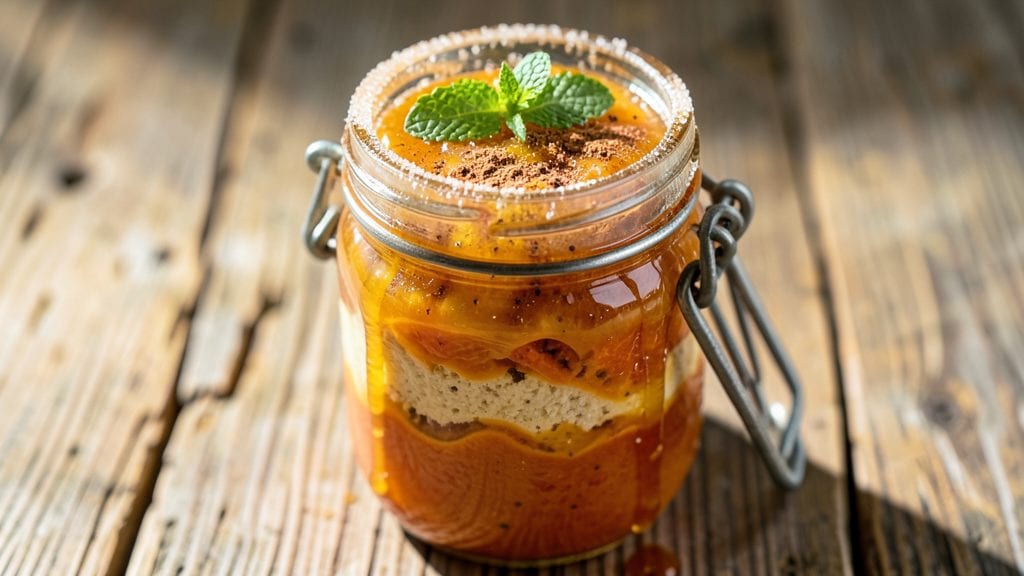
This carrot cake jam recipe for canning turns overripe carrots into a fragrant, spiced preserve that tastes like carrot cake in every jar—now perfect for your pantry shelves. ✨ What started as an experiment to use them up became my go-to staple—sweet, aromatic, and perfect for spreading on toast or pairing with cheese.
The secret lies in balancing natural carrot sweetness with warm spices like cinnamon and ginger, creating a jam that tastes like dessert but keeps beautifully on the shelf.
Canning this jam is simpler than you think, with just five core ingredients and a foolproof water-bath processing method.
I developed this recipe after years of testing—each batch taught me more about sugar ratios, pectin balance, and how to achieve that signature carrot cake flavor without overpowering the natural carrot taste. The result?
A jam with caramelized depth, subtle spice notes, and just the right amount of tang to keep it interesting.
What makes this recipe stand out is its versatility—use it as a breakfast spread, a glaze for meats, or even a filling for pastries. The sterilized jars last up to a year in your pantry, and the flavor only improves with time.
Whether you're a canning novice or a seasoned preserver, this method ensures restaurant-quality results every time, with minimal effort and maximum flavor payoff.
For those who love to experiment, try adding orange zest for brightness or chopped walnuts for texture—both elevate the jam without complicating the process. Here’s everything you need to create your own batch of this professional-quality preserve that tastes like autumn in a jar.
Ingredients for carrot cake jam recipe for canning
Sweet, spiced, and perfect for preserving—carrots transformed into jam with just eight ingredients.
| Ingredient | Amount | Notes |
|---|---|---|
| Carrots 🥕 | 2 ½ lb | Peeled, chopped into 1/2-inch pieces |
| Granulated Sugar 🍬 | 3 cups | White or organic preferred |
| Lemon Juice 🍋 | ¼ cup | Freshly squeezed, about 3-4 lemons |
| Ground Cinnamon 🌿 | 2 tbsp | Ceylon or cassia variety |
| Ground Ginger 🌶️ | 1 tbsp | Freshly ground preferred |
| Pectin (Low-Methoxyl) 🍯 | ½ oz | For setting without added sugar |
| Salt 🧂 | ½ tsp | Fine grain preferred |
| Vanilla Extract 🌸 | 1 tsp | Pure, not imitation |
Carrots are the star, so pick vibrant orange ones—the deeper the color, the sweeter the jam. I always grab organic carrots from the organic section at Whole Foods or Trader Joe's for that extra sweetness. If you're using overripe carrots, they're ideal—just peel and chop them into even 1/2-inch pieces. For the sugar, white granulated works, but organic cane sugar adds a subtle caramel note. Don't skip measuring the pectin—it's what gives your jam that perfect carrot cake-like texture without being too thick or runny.
No vanilla extract? Vanilla bean paste works in a pinch, or use almond extract at half the amount for a nutty twist. Short on cinnamon? Ground cassia at double the amount gets you close. Want to stretch the batch? Add 1/2 cup orange zest for brightness or 1/2 cup chopped walnuts for texture—both add complexity without complicating the process. The lemon juice is crucial for balance—freshly squeezed is best, but bottled works if you're in a hurry. Just make sure it's 100% juice, no additives.
This jam keeps beautifully for up to a year in sterilized jars stored in a cool, dark place. I always use half-pint jars for easy single servings. After canning, let the jars cool completely before labeling—this prevents condensation and keeps the jam fresh. For the best flavor, wait 2-3 weeks before eating to let the spices meld. The jam also freezes well for 6 months, perfect for gifting or saving for later. Just leave a 1/2-inch headspace when canning to avoid overflow.
Why You'll Love This Recipe
- One-Pot Magic: Honestly, this is the kind of recipe where you toss everything in a pot and let it work its magic. No fancy prep—just peel and chop those carrots, dump them in with the sugar and lemon juice, and let the spices do the rest. The natural pectin in the carrots helps thicken it on its own, so you don’t even need to fuss with extra ingredients.
- Spiced Like Carrot Cake: Between the cinnamon and ginger, this jam tastes like a warm slice of carrot cake without the fuss. The vanilla extract ties it all together, giving it that cozy, homemade feel. Trust me, one taste and you’ll be reaching for seconds.
- Versatile Little Jam: This jam isn’t just for toast—use it on cheese boards, mix it into yogurt, or even swirl it into coffee for a sweet twist. It’s the perfect pantry staple for when you need a little extra flavor in a pinch. And if you’re hosting, it’s a crowd-pleaser that feels special but takes no time.
- Budget-Friendly Treasure: With just carrots, sugar, and spices, this jam is one of the most affordable preserves you can make. Plus, canning it means you can enjoy it for months without wasting a single bite. It’s the kind of recipe that stretches your grocery budget while still feeling indulgent.
Step-by-step instructions for carrot cake jam for canning
Here's how to transform fresh carrots into a rich, spiced jam that captures carrot cake flavors perfectly.
🍳 Step 1: Cook the Carrot Base Until Soft
In a large, heavy-bottomed pot, combine the 2½ lb peeled, chopped carrots with 3 cups granulated sugar and ¼ cup lemon juice. Stir well to distribute the sugar evenly—this helps dissolve the carrots' natural pectin. Bring the mixture to a boil over medium-high heat, then reduce to a gentle simmer.
Cook uncovered for 45-50 minutes, stirring occasionally, until the carrots break down completely and the mixture thickens to a jam-like consistency. You'll know it's ready when the jam coats the back of a spoon and pulls away cleanly. Here's the thing—don't rush this step. The longer the carrots cook, the deeper their flavor becomes, and that's what makes this jam special.
🔥 Step 2: Build the Spiced Flavor Profile
Once the carrots are fully cooked, stir in the 2 tbsp ground cinnamon, 1 tbsp ground ginger, and ½ tsp salt. These spices will infuse the jam with warm, comforting notes that echo classic carrot cake. Let the mixture simmer for an additional 10-15 minutes, stirring frequently, until the spices are fully incorporated and the jam reaches 220°F on a candy thermometer.
Watch the color deepen to a rich amber—this indicates the spices have melded with the carrot base. If the jam starts to darken too quickly, reduce the heat slightly to prevent burning. The goal is a balanced color that reflects the carrot's natural hue while highlighting the spices' warmth.
🥘 Step 3: Add Pectin and Vanilla for Stability
Remove the pot from heat and let the jam cool slightly for 5 minutes. This resting period prevents the pectin from clumping when added. Sprinkle the ½ oz low-methoxyl pectin evenly over the surface of the jam, then gently stir until fully dissolved. Return the pot to low heat and bring the mixture back to a simmer, stirring constantly for 2-3 minutes to activate the pectin.
Off the heat, stir in the 1 tsp vanilla extract. The vanilla adds a subtle depth that rounds out the spiced carrot flavors. Taste the jam and adjust the sweetness or spice levels if needed—you can add a pinch more cinnamon or a splash of lemon juice if desired. This is your chance to fine-tune the balance before canning.
⏰ Step 4: Can the Jam for Long-Term Storage
Ladle the hot jam into sterilized ½-pint or ½-pint mason jars, leaving ¼-inch headspace at the top. Wipe the jar rims clean with a damp cloth to ensure a proper seal. Place the lids on the jars and screw the bands down fingertip-tight—don't overtighten, or the seals won't work properly.
Process the sealed jars in a boiling water bath for 10 minutes (for ½-pint jars) to create a vacuum seal. This step is critical for preserving the jam's freshness and flavor. Once processed, remove the jars and let them cool completely on a towel or rack. The lids should pop down as they cool—if they don't, the jam may not be properly sealed and should be refrigerated.
Pro Tips For Making Carrot Cake Jam Recipe For Canning
- Stir Like You Mean It: Those first 45 minutes of simmering are where the magic happens, but only if you actually stir. I used to let my jam sit untouched, and it’d either scorch or turn into a gloppy mess. Every 5-7 minutes, give it a good scrape with a wooden spoon—especially around the edges of the pot. The sugar’s caramelizing faster there than anywhere else, and you don’t want burnt bits ruining your jam.
- Lemon Juice Matters: Freshly squeezed lemon juice isn’t just for acidity—it’s the difference between jam that gels properly and jam that stays runny. Skip the bottled stuff; it’s got additives that mess with pectin activation. Plus, the bright citrus flavor cuts through the carrot sweetness in a way powdered or canned juice never will. Squeeze those lemons right into the pot while the carrots are still raw—it’ll mellow as it cooks, but that initial punch matters.
- Watch the Ginger Burn: Freshly ground ginger is worth the effort, but it’s also the fastest way to turn your jam into a sad, bitter sludge. Once you add that 1 tablespoon, keep the heat at a gentle simmer—no boiling, no skipping the stir. After 5 minutes, taste it: if it’s already sharp or slightly acrid, pull the pot off the heat for a minute to let it mellow. Burnt ginger flavor is permanent, and nothing ruins a good jam like that.
- Pectin Needs a Break: That 5-minute rest before adding pectin isn’t optional—it’s the thing that keeps your jam from turning into a clumpy disaster. I learned this after three batches where the pectin just sat as lumps in the jar. Let the jam cool just enough so you can touch the pot without burning your fingers, then sprinkle the pectin on top like snow. Stir it in gently—no whipping, no rushing. If it clumps, strain it through a fine-mesh sieve before canning.
Troubleshooting great carrot cake jam recipe for canning
Jam Too Thick?
If your jam is thicker than you like after cooking, it’s likely from over-simmering or too much pectin. Reduce heat to low and stir in 2-3 tbsp warm water gradually until it reaches the right consistency.
I’ve found that 220°F on a candy thermometer is the sweet spot—any higher, and the pectin can over-set. If it’s still too thick, let it cool slightly before canning, as it will thicken further when cold. 💫
Undercooked Carrots
If your jam tastes raw or underdeveloped, the carrots weren’t cooked long enough. Return the pot to medium-low heat and stir occasionally for 10-15 more minutes until the carrots break down completely.
You’ll know it’s ready when the mixture coats the back of a spoon. Pro tip: Use a wooden spoon to avoid scratching the pot and speeding up caramelization.
Seal Failures
If your jar lids don’t seal after processing, it’s usually due to improper headspace or dirty jar rims. Always leave ¼-inch headspace and wipe rims with a damp cloth before sealing.
If the lid doesn’t pop down after cooling, the jar may not be sealed—store it in the fridge and use within 1 month. For future batches, use a jar lifter to check seals safely.
Flavor Too Mild
If the spices taste weak, you likely didn’t simmer long enough. After adding cinnamon and ginger, let the jam simmer for 15-20 minutes to fully infuse.
For extra depth, I sometimes add 1 tsp orange zest or ½ tsp nutmeg during the final simmering. Taste as you go—adjustments are easy before canning!
Jam Separating
If your jam separates after canning, it’s often due to uneven cooking or pectin issues. Ensure the pectin is fully dissolved and the jam reaches 220°F before canning. If separation occurs, gently reheat the jam on low heat, stirring constantly until smooth.
This usually happens if the jam was processed too quickly or if the jars weren’t hot enough before filling.
Nutrition facts
Frequently asked questions
Why does this jam need pectin when carrots are naturally sweet?
The pectin helps create that perfect carrot cake jam texture—thick enough to spread but smooth enough to enjoy. Carrots have natural pectin, but adding ½ oz low-methoxyl pectin ensures your jam sets properly without being too runny or overly syrupy. It’s what gives your preserve that rich, velvety consistency that pairs perfectly with toast or cheese!
Can I skip the vanilla extract and still get great flavor?
While the vanilla adds a subtle depth that rounds out the spiced carrot flavors, you can omit it if needed. For a similar effect, try ½ tsp almond extract or a pinch of nutmeg. The cinnamon and ginger will still shine, but the vanilla does elevate the overall taste profile—like a little carrot cake magic!
What should I do if my jam turns out too thin after canning?
If your jam is too thin, it likely needs more pectin or longer simmering. Next time, ensure the mixture reaches 220°F on a candy thermometer before canning. For a quick fix, reheat the unsealed jam on low heat, stirring constantly until it thickens. If it’s already sealed, you can’t adjust it, but future batches will be perfect!
How do I know if my jars sealed properly after processing?
Check for a sealed jar by pressing down on the lid—if it doesn’t pop back up, it’s sealed! If the lid pops up or feels loose, the jar didn’t seal and should be refrigerated and used within 1 month. Always leave ¼-inch headspace and wipe jar rims clean for the best results.